
Are you looking for a new way to gather with friends? Host a ferments flight tasting! This unique event creates a fun and flavorful experience for everyone. You get to explore tangy, bubbly, and savory foods together. Your interest is part of a huge trend. The global market for fermented foods is booming.
Attribute | Value |
|---|---|
Global Fermented Food Market Size (2024) | US$537.40 Billion |
Global Fermented Food Market Forecast (2032) | US$863.04 Billion |
Global Market Growth Rate (2024-2032) | 6.8% CAGR |
This popularity makes sense. Fermented foods can offer incredible health benefits.
Some studies link them to improved mood and brain activity.
This special tasting event is a journey of discovery, complete with delicious pairings.
Planning Your Ferments Flight Tasting
A little planning goes a long way when hosting a tasting event. You can create an unforgettable experience for your friends with just a few simple steps. Let’s get your ferments flight tasting event organized.
Know Your Guests
First, think about who is coming. Are your friends adventurous eaters or new to fermented foods? Knowing their comfort level helps you choose the right ferments. You also need to ask about dietary needs. Some people have sensitivities to things like alcohol or histamines, which are common in fermented products.
Here are a few easy ways to ask:
Add a custom question to your digital invitation or RSVP form. You can make the question optional.
Send a friendly text or email asking, “Please let me know if you have any allergies or dietary restrictions I should be aware of.”
If a guest has a histamine sensitivity, you can still include them. Offer low-histamine options like clear spirits (vodka, gin) instead of beer or red wine. You can also provide safe mixers like sparkling water and fresh blueberry juice. This thoughtful touch ensures everyone has a great time.
Choose a Theme
A theme makes your tasting flight feel cohesive and exciting. It gives your event a focus and a story. You can guide your guests on a specific flavor journey.
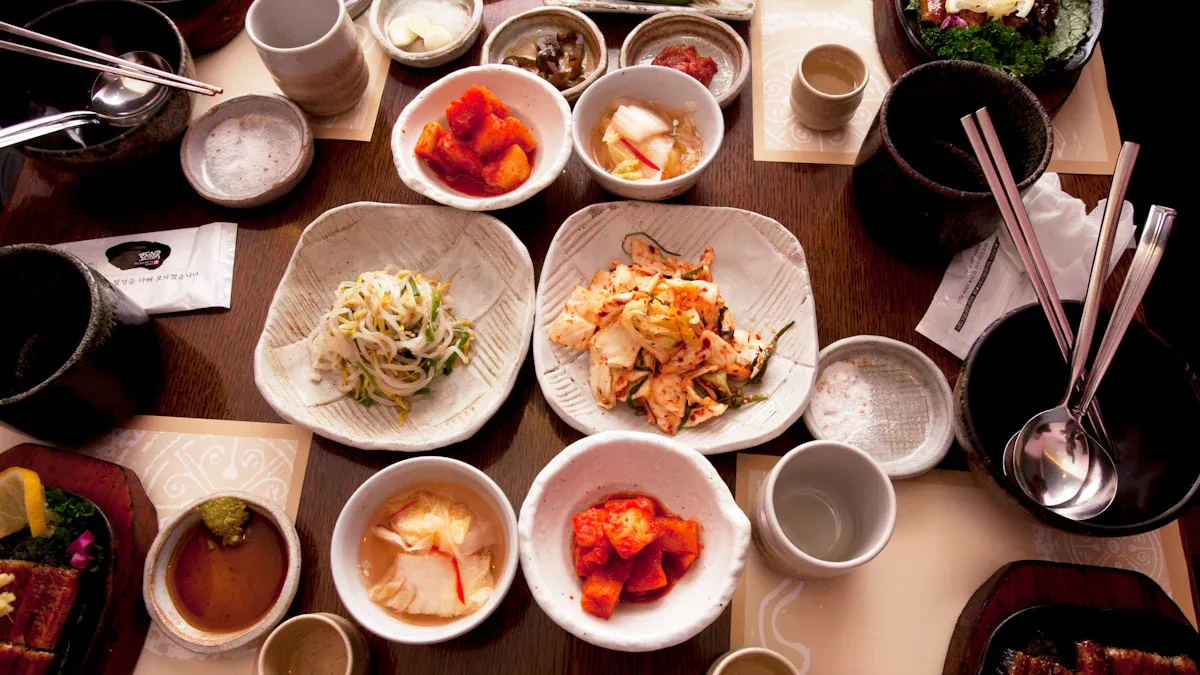
Theme Idea: A Tour of Korea 🇰🇷 Explore the foundational ferments of Korean cuisine. You could feature different types of kimchi, which is a staple side dish. Then, add soybean pastes like doenjang and gochujang. This theme offers a deep dive into a rich culinary tradition.
Other fun themes for your tasting include:
All About Cabbage: This is a classic! You can showcase green cabbage sauerkraut with caraway seeds, a spicy Napa cabbage kimchi, and a vibrant purple kraut made from red cabbage.
Global Kombuchas: Gather a few commercial or homemade kombuchas with different tea bases and flavors.
The Ultimate Vinegar Flight: A vinegar flight is a sophisticated and surprising tasting experience. You can explore the world of artisanal balsamic vinegars. A vinegar flight allows guests to discover complex flavors they never knew a vinegar could have. This unique vinegar flight will be the talk of the party.
A vinegar flight is a fantastic option for an alcohol-free event. You can set up a beautiful vinegar flight with just a few key selections. For a truly special vinegar flight, focus on high-quality balsamic vinegar. The deep, rich notes of an aged balsamic are incredible. Your vinegar flight can even include a younger, tangier balsamic to show the contrast. This vinegar flight is a journey for the palate.
Curate Your Flight
Now it’s time to select your ferments. A well-planned tasting flight tells a story from start to finish.
For a beginner’s tasting, aim for three to five different items. This amount is perfect for exploring without overwhelming everyone’s taste buds. The key is to arrange your curated tasting flight from mild to bold. This method is used in professional tastings for beer and wine. It prevents strong flavors from overpowering the more delicate ones. You want to start with the mildest ferment and finish with the most intense one.
Portion size is also important. You want guests to sample everything without getting too full.
Ferment Type | Recommended Portion |
|---|---|
Drinks (Kombucha, Water Kefir) | 1–2 ounces |
Solids (Kimchi, Sauerkraut) | 1–2 tablespoons |
Vinegar (Balsamic, Apple Cider) | 1/2 teaspoon |
These small portions are just right for a tasting. They allow your guests to appreciate each item in your ferments flight tasting. Remember, the goal is to savor and compare, creating a memorable tasting event.
Setup for Hosting a Tasting
Great planning is done. Now it’s time for the fun part: setting up your space. A thoughtful setup makes your event run smoothly and look fantastic. You can transform your home into a stylish tasting room with just a few key touches. Good setup and pairings are the heart of hosting a tasting that everyone will remember.
Essential Supplies
Having the right tools on hand makes everything easier. You do not need a lot of fancy equipment. Focus on items that help your guests see, smell, and taste each ferment clearly.
Here is a simple checklist of what you will need:
Small Bowls or Spoons: For solid ferments like kimchi and sauerkraut.
Clear Glasses: Use clear, small glasses for liquids like kombucha or kefir. This allows guests to appreciate the color and carbonation.
Serving Utensils: A separate, clean spoon for each ferment prevents cross-contamination of flavors.
Water Pitcher and Glasses: A pitcher of water is a must. It helps guests cleanse their palates between samples.
Napkins: Spills can happen, so keep plenty of napkins handy.
Pencils and Paper: For guests who want to take notes on their tasting cards.
Pro Tip: Don’t Forget the “Dump Bucket“ You might see a “dump bucket” or spittoon at professional wine tastings. You should have one, too! Its purpose is to give guests a place to pour out any sample they do not wish to finish. This prevents them from feeling pressured to drink everything and helps keep their palates fresh for the next tasting. It makes the whole experience more professional and comfortable.
Arrange the Flights
How you arrange your space guides the flow of your event. You want to create distinct stations to prevent crowding and encourage conversation. If you have the space, use a long table to set up each tasting flight. This gives everyone enough room to mingle and enjoy the experience.
Your main goal is to make the tasting order obvious.
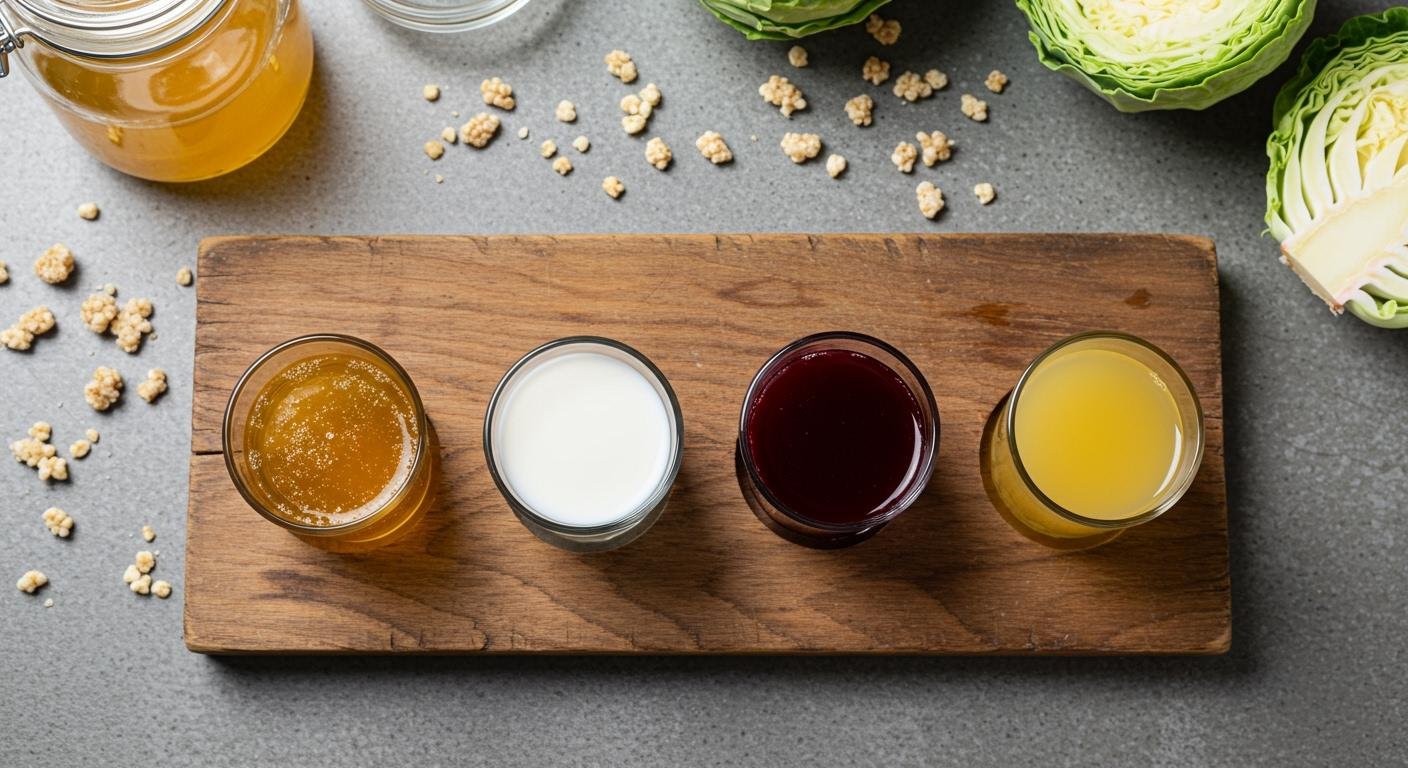
Place Samples in Order: Arrange the ferments on a tray, a placemat, or a wooden tasting board. Place them from left to right, starting with the mildest ferment and ending with the boldest. This visual path is very intuitive.
Use Clear Labels: Simple signage helps guests know what they are trying. You can use small tent cards or chalkboards. The label should clearly state the name of the ferment. You can also add a key ingredient or origin.
For example, your labels on the tasting board might look like this:
Sauerkraut: Green Cabbage & CarawayKimchi: Napa Cabbage, SpicyKombucha: Ginger-LemonBeet Kvass: Earthy & Salty
This simple arrangement makes your ferments flight tasting easy to navigate and enjoy.
Create Tasting Cards
Tasting cards elevate your event from a simple snack time to a guided sensory journey. These cards give your guests context and help them identify what they are tasting. You can print them on standard paper or cardstock.
A great tasting card includes two key parts:
Basic Information: List the name of the ferment, its primary ingredients, and maybe its region of origin (e.g., “German Sauerkraut” or “Korean Kimchi”).
Flavor and Texture Clues: Provide a short list of descriptive words. This helps guests put words to what they are experiencing. You are giving them a vocabulary for the tasting.
Here are some ideas for descriptive words you can put on your cards:
Aroma/Flavor | Texture |
|---|---|
Tangy, Zesty, Pungent | Crunchy, Crisp, Effervescent |
Earthy, Savory, Umami | Smooth, Creamy, Velvety |
Fruity, Sweet, Floral | Chewy, Tender, Succulent |
Spicy, Peppery, Fiery | Light, Airy, Delicate |
These cards are a fantastic tool. They spark conversation and make the tasting more interactive and educational for everyone.
Palate Cleansers and Pairings
You have your ferments ready. Now, let’s talk about what goes alongside them. The right palate cleansers and food pairings can elevate your tasting from good to great. They help you appreciate the unique flavors of each sample.
Neutral Palate Cleansers
A palate cleanser resets your taste buds between samples. Food science consultant Dr. Sarah Kemp explains that this step is crucial. It ensures the taste of one ferment does not affect your perception of the next. You want to give each item a fair tasting. A 2012 study also found that certain astringent solutions, like green tea, can effectively cleanse the palate of fatty sensations.
For your event, simple is best. You want neutral items that will not introduce new flavors.
Plain white bread, cut into small cubes
Simple tortilla chips
These items work because their dry texture helps absorb leftover oils and flavors. Chewing them also stimulates saliva, which naturally cleanses your mouth for the next part of the tasting.
Simple Food Pairings
Now for the fun part: culinary pairings! Thoughtful pairings make the flavors of your ferments shine. You can create some truly memorable culinary combinations.
For a kombucha or water kefir tasting, think sweet and savory.
Fruits: Fresh berries or caramelized fruit slices complement the tangy notes.
Nuts: A small bowl of caramelized nuts adds a delightful crunch.
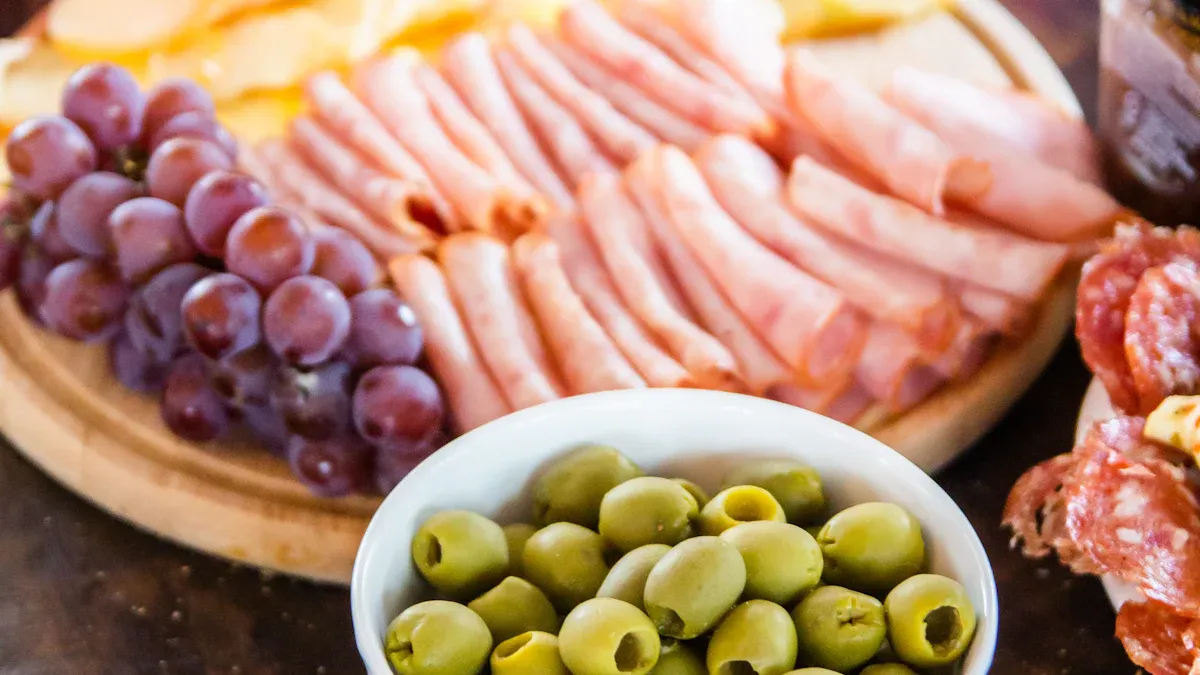
Cheese: A simple cheese plate is a classic choice for most beverage pairings.
For savory ferments like kimchi or sauerkraut, cheese is a fantastic partner. A hearty blue cheese can stand up to a spicy kimchi. A milder, nutty cheese pairs beautifully with the tangy crunch of sauerkraut. These culinary pairings create a wonderful contrast.
A vinegar tasting offers unique culinary opportunities. A high-quality balsamic vinegar is a star. You can explore different balsamic vinegar options. A younger, tangy balsamic vinegar is great with strawberries. An aged, syrupy balsamic is amazing drizzled over cheese or even vanilla ice cream. Exploring balsamic vinegar pairings is a journey in itself. The world of vinegar is vast, and a good balsamic can transform a dish. This type of vinegar tasting will surprise your guests. A great balsamic is a culinary treasure. The right vinegar makes all the difference.
Guiding the Tasting Event
You are the host and the guide for this unique event. Your role is to help your guests enjoy the experience. You can make the tasting more meaningful by providing a little structure. This guidance turns a simple tasting into a memorable journey.
A Four-Step Tasting Process
You can teach your guests how to taste like a pro. Introduce a simple, four-step method for your ferments flight tasting. This process encourages everyone to slow down and truly notice the details of each sample.
Look 👀: First, observe the ferment. What color is it? Is it cloudy or clear? Can you see bubbles? The visual part of the experience is the first clue.
Smell 👃: Next, gently swirl the liquid or bring the solid closer. What aromas do you notice? Is it earthy, fruity, or pungent? The smell prepares your palate for the tasting.
Taste 👅: Take a small sip or bite. Let it sit in your mouth for a moment. What are the initial flavors? Notice how the taste evolves. Is it sweet, sour, salty, or umami?
Reflect 🤔: Finally, think about the overall impression. What was the texture like? Did you enjoy it? This final step helps solidify the tasting experience.
This structured approach makes the entire event more engaging and educational.
Facilitate Conversation
Your job while hosting a tasting is to get people talking. A great event is full of lively discussion. You can spark conversation by asking open-ended questions after each sample in the tasting flight.
Encourage your guests to share their thoughts, even if they are new to this. There are no right or wrong answers in a tasting! The goal is to share the experience together.
Use a few of these questions to get the conversation started:
Question Category | Example Questions |
|---|---|
About the Senses | What did you smell first? Did the taste surprise you? |
Making Connections | Does this remind you of anything else you’ve tried? |
Personal Preference | Which one is your favorite so far? Why? |
About Pairings | What food would you want to eat with this? |
These questions help guests connect with each other and the food. You are creating a fun, interactive atmosphere for a successful event.
You are ready to host an amazing tasting event! This final checklist is your ready-to-go tool for a memorable experience.
Your Ferments Tasting Checklist ✅
Plan Your Tasting: Choose your theme and curate your flight.
Set Up Your Station: Arrange supplies, labels, and tasting cards.
Prepare Pairings: Offer neutral cleansers and simple foods.
Guide the Event: Lead guests through the four-step tasting process.
Now go have fun! Enjoy sharing the unique world of fermentation with your friends.
FAQ
Where can I find unique ferments for my tasting?
You can find great options at local farmers’ markets or health food stores. Many online shops also specialize in artisanal ferments. This is a great way to find a unique vinegar. Exploring these places helps you discover new and exciting flavors for your event.
What should I do with leftovers?
You can store leftover ferments in airtight containers in the fridge. Use them in your daily cooking! Add sauerkraut to sandwiches or use leftover kombucha in a smoothie. A good vinegar is always useful in the kitchen for salads and marinades.
Can I host a non-alcoholic vinegar tasting?
Absolutely! A vinegar tasting is a fantastic idea. You can feature a special balsamic vinegar. A high-quality balsamic offers complex flavors. This type of vinegar tasting is very sophisticated. A great balsamic is a treat. The world of balsamic vinegar is vast. This vinegar is special.
How do I choose a good balsamic vinegar?
Look for a balsamic vinegar from Modena or Reggio Emilia, Italy. A good balsamic will be thick and syrupy. This balsamic vinegar is worth the price. A quality balsamic has a sweet and tangy taste. This vinegar is perfect for a tasting. The best balsamic is aged.
What makes a balsamic vinegar so special?
True balsamic is made from grape must. It is aged in wooden barrels for years. This process creates a rich, complex flavor. A cheap balsamic is just wine vinegar with coloring. The best balsamic is a culinary art form. This vinegar is unique.