

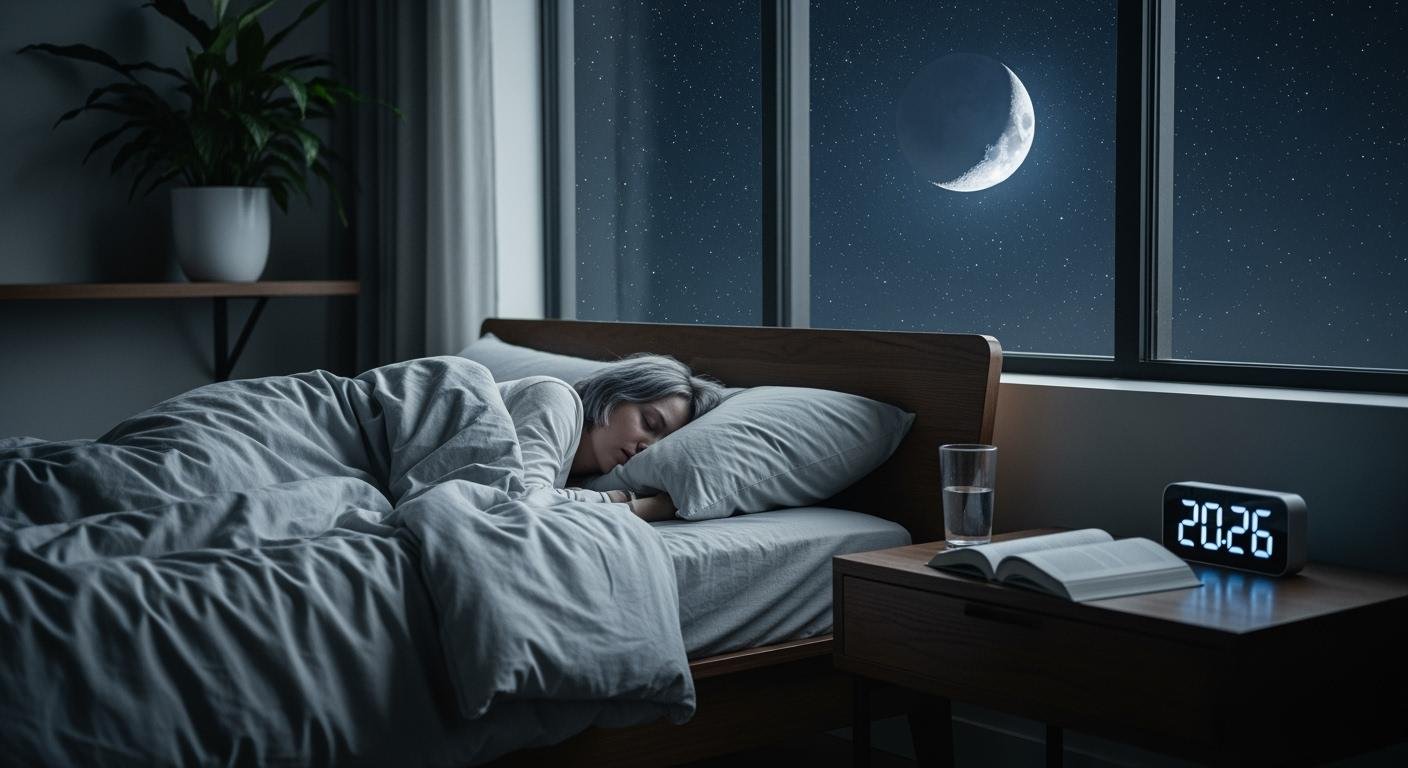
Does feeling tired hold you back? You are not alone. Poor sleep increases irritability and harms productivity for millions of people every day. You want to feel rested and energized.
You can find better sleep. This guide gives you simple, powerful steps.
Let’s build your sleep-friendly lifestyle. You can improve your sleep starting today. ☀️
Understand How Sleep Affects Your Health
Understanding how sleep affects your health is the first step toward a sleep-friendly lifestyle. Quality sleep is not a luxury; it is a foundation for your physical and mental well-being. When you get adequate sleep, you give your body and mind the power to thrive. Let’s explore how a good night’s sleep transforms you.
The Link Between Sleep and Mental Clarity
You can achieve better brain function with consistent sleep. Your brain works hard during sleep to process the day’s information. It sorts and stores memories, making learning more effective. A single night of poor sleep can harm your brain’s memory center, making it harder to concentrate and learn new things.
Better sleep clears away mental fog. You will find yourself making sharper decisions and solving problems with greater ease. This mental refresh is key to your daily success.
Sleep’s Role in Emotional Well-being
Your emotional balance depends heavily on sleep. Deep sleep stages, like REM sleep, help your brain process emotions. This reduces stress and anxiety from your day. Without enough quality sleep, you may feel more irritable or emotionally reactive. Good sleep restores your brain’s ability to manage feelings, leading to an improved mood and greater overall well-being.
How Rest Boosts Your Immune System
Rest is your body’s best defense. Your immune system produces infection-fighting cells during sleep. Chronic sleep loss weakens this process. It can leave a lasting negative mark on your immune stem cells, making you more vulnerable to illness. Prioritizing sleep is a powerful way to keep your body strong and healthy.
Create a Sleep-Friendly Environment

Your bedroom is your sanctuary for rest. You can transform it into the perfect sleep-friendly environment to unlock deeper, more restorative sleep. Small changes in your surroundings send powerful signals to your brain that it is time to wind down. You can optimize your bedroom for better sleep quality starting tonight.
Make Your Bedroom Dark and Quiet
You need to control light exposure to prepare your body for sleep. Darkness is a natural cue that triggers your brain’s pineal gland to produce melatonin, the hormone that makes you feel sleepy.
Your brain follows a simple process in the dark:
- It converts a chemical called serotonin into a precursor.
- An enzyme then turns that into melatonin.
- This process signals your entire body that it is time for rest.
A quiet environment is just as important. Experts recommend that noise levels in your bedroom should stay below 35 decibels—about as quiet as a whisper. This prevents your brain from becoming alert and interrupting your sleep. Consider using blackout curtains, an eye mask, or earplugs to create a truly comfortable sleep environment.
Set a Cool, Comfortable Temperature
You can improve your sleep by adjusting your thermostat. Most sleep experts agree that the ideal temperature for sleep is between 60 and 67°F (15 to 19°C). A cool room helps your body’s natural cooling process, which is a key part of falling asleep. This drop in core temperature enhances your comfort and encourages deeper sleep stages. Setting the right temperature is a simple step toward a comfortable sleep environment.
Reserve the Bedroom for Sleep
You can strengthen your brain’s association between your bedroom and rest. When you use your bed for work, eating, or watching shows, your brain gets mixed signals. This can make it harder to relax at night. Make a rule to keep these activities out of your bedroom. This action trains your mind to see your bed as a place for peace and rejuvenation. This is how you build a comfortable sleep environment that supports high-quality rest and overall comfort. Your sleep environment is key.
Adopt Good Sleep Habits Daily
Your environment is ready. Now, you can build the daily habits that create lasting change. A sleep-friendly lifestyle is built on small, consistent actions. These good sleep habits work together to train your body and mind for deep, restorative rest. You have the power to shape your day to guarantee a better night.
Maintain a Consistent Sleep Schedule
You can master your body’s internal clock. This clock, your circadian rhythm, loves a predictable routine. Going to bed and waking up at the same time every day—even on weekends—is the most powerful habit you can adopt. When you wake up at different times, you create a feeling similar to jet lag. This “social jet lag” can disrupt your mood, memory, and energy levels.
A consistent wake-up time is your anchor. It sets the rhythm for your entire day and tells your body when to feel alert and when to feel tired.
Sticking to a regular sleep schedule helps your body release hormones correctly. This supports everything from memory storage to immune function. A consistent sleep schedule is one of the simplest ways you can protect your long-term health and improve your daily performance. Aim for an average of 7-9 hours of sleep each night within this steady framework. These habits are your foundation.
Get Daily Sunlight Exposure
You can use the power of the sun to reset your sleep routine. Getting sunlight within the first hour of waking sends a strong signal to your brain. This exposure helps regulate the hormones that control your sleep-wake cycle.
Morning sunlight does two important things:
- It lowers melatonin, the hormone that makes you sleepy.
- It boosts cortisol, a hormone that helps you feel awake and alert.
This simple morning routine makes it easier to wake up and feel energized. It also helps your body produce melatonin at the right time in the evening, making it easier to fall asleep. Just 15 to 30 minutes of morning light can make a huge difference in your sleep quality. This is one of the easiest good sleep habits to start.
Be Smart About Caffeine and Meals
Your daily nutrition choices have a big impact on your sleep. Caffeine is a major factor. It has a half-life of about 5 to 6 hours. This means half of the caffeine from your afternoon coffee can still be in your system at bedtime.
To protect your sleep, create a caffeine cut-off time. A good rule is to avoid caffeine at least 8 hours before you plan to go to bed. If your bedtime is 10 PM, make your last cup of coffee no later than 2 PM.
Your evening meal matters, too. Large, heavy, or spicy meals close to bedtime can cause problems. They can lead to indigestion or heartburn, making it hard to get comfortable. Spicy foods can also raise your body temperature, which interferes with the natural cooling process your body needs to initiate sleep. Good nutrition habits support a better sleep routine.
Incorporate Daily Physical Activity
You can move your body during the day to sleep better at night. Daily exercise is a fantastic tool for improving your rest. Moderate-intensity activities are especially helpful. Think of things like brisk walking, swimming, or yoga. These types of exercise can help you fall asleep faster and wake up less during the night.
The timing of your exercise is important. A morning workout is ideal. It can lead to deeper, more restorative sleep cycles. Afternoon exercise is also great. Your body temperature is naturally higher, which can help your muscles perform well. Try to avoid very intense workouts within four hours of your bedtime. Strenuous activity too close to bed can raise your heart rate and make it harder to wind down. These exercise habits are key.
Limit Daytime Naps
A short nap can be a great way to recharge. However, you need to be smart about it. The best naps are short and early.
| Nap Guide | Recommendation |
|---|---|
| Ideal Duration | 10 to 20 minutes. This “power nap” boosts alertness without making you groggy. |
| Ideal Timing | Before 3 PM. Napping later in the day can make it difficult to fall asleep at your regular bedtime. |
Longer naps can push you into deep sleep. Waking up from deep sleep can cause “sleep inertia,” that groggy, confused feeling. Sticking to short power naps helps you get the benefits without disrupting your nighttime sleep. These simple habits will help you feel your best. Adopting these good sleep habits will transform your nights.
Design a Relaxing Pre-Sleep Routine

You can signal to your body that the day is ending. You establish a relaxing bedtime routine to prepare your mind for rest. This calming pre-sleep routine is your bridge from a busy day to a peaceful night. It tells your brain it is time to power down and recharge.
Unplug from Screens Before Bed
You can protect your body’s natural sleep signals. The blue light from phones, tablets, and computers is a major sleep disruptor. It confuses your brain by mimicking daylight. This exposure suppresses melatonin, the hormone that helps you feel sleepy.
Harvard researchers found that blue light disrupts your body clock twice as much as green light. It can shift your circadian rhythm by up to three hours.
You should limit electronics in the bedroom. Create a screen-free buffer of at least one hour before your bedtime. This simple change allows your melatonin levels to rise naturally, making it easier to fall asleep. This is a key part of a healthy sleep routine.
Wind Down with a Calming Activity
You can replace screen time with a peaceful activity. This helps your mind transition to a restful state. Consider reading a physical book or listening to calming music. Music with a slow tempo of 60-80 beats per minute can lower stress hormones and trigger the release of dopamine, making you feel good. Nature sounds like rain or ocean waves also create a tranquil atmosphere that improves sleep quality. This is a wonderful part of any sleep routine.
Practice Mindfulness or Meditation
You have the power to quiet your racing mind. Mindfulness meditation is a proven tool for better sleep. One study showed that a mindfulness program helped adults with sleep problems feel less insomnia and fatigue. You can try a simple technique tonight:
- Body Scan: Lie down and mentally scan your body from your toes to your head. Notice any tension and let it go.
- Breath Focus: Concentrate on the rhythm of your breathing. This anchors you in the present moment.
This practice helps you acknowledge thoughts without judgment, creating a state of calm perfect for deep sleep.
Prepare for Tomorrow to Ease Anxiety
You can unload your worries before your head hits the pillow. A racing mind is a common barrier to rest. One powerful trick is to write a to-do list for the next day. Research shows that people who write down future tasks fall asleep faster. This simple action “off-loads” your mental burden. It reduces anxiety about unfinished business, allowing your brain to relax. This final step in your sleep routine clears your mind for a peaceful night.
You now have the tools to build your sleep-friendly lifestyle. You learned to create a restful environment, adopt daily habits, and design a calming routine. This journey toward better sleep begins with one small change. Start tonight.
If your sleep problems continue, it is time to see a doctor. You should seek help if you experience:
- Ongoing fatigue despite getting enough sleep
- Loud snoring that disrupts rest
- Trouble with daily activities due to tiredness
Taking this step is a powerful move for your health. You can achieve the restorative sleep you deserve and build a lasting sleep-friendly lifestyle.
FAQ
What if I wake up in the middle of the night?
You can stay calm and avoid looking at your phone. Practice a simple breathing exercise or a body scan. If you are still awake after 20 minutes, get out of bed. You can read a book in dim light until you feel sleepy again.
How long until these new habits work?
You can see improvements in just a few days. Consistency is your key to success. Your body needs time to adjust to a new routine.
Stick with your new habits for a few weeks. You will build a strong foundation for lasting, restorative sleep.
Can certain foods help me sleep?
Yes, you can eat certain foods to support your sleep. These foods contain nutrients that promote rest.
- Almonds
- Turkey
- Chamomile tea
- Kiwi
You should enjoy these as a light snack a few hours before bed. This gives your body a natural boost toward sleep.
See Also
Magnesium Malate For Sleep: Your Science-Backed Path To Restful Nights
Unlock Better Sleep: A Beginner’s Guide To Magnesium Malate
Magnesium Supplements: A Confident Start For Your Wellness Journey
Understanding ADHD And Protein: A Simple Guide For Beginners
Protein And ADHD: A Scientific Guide For Health-Conscious Families