

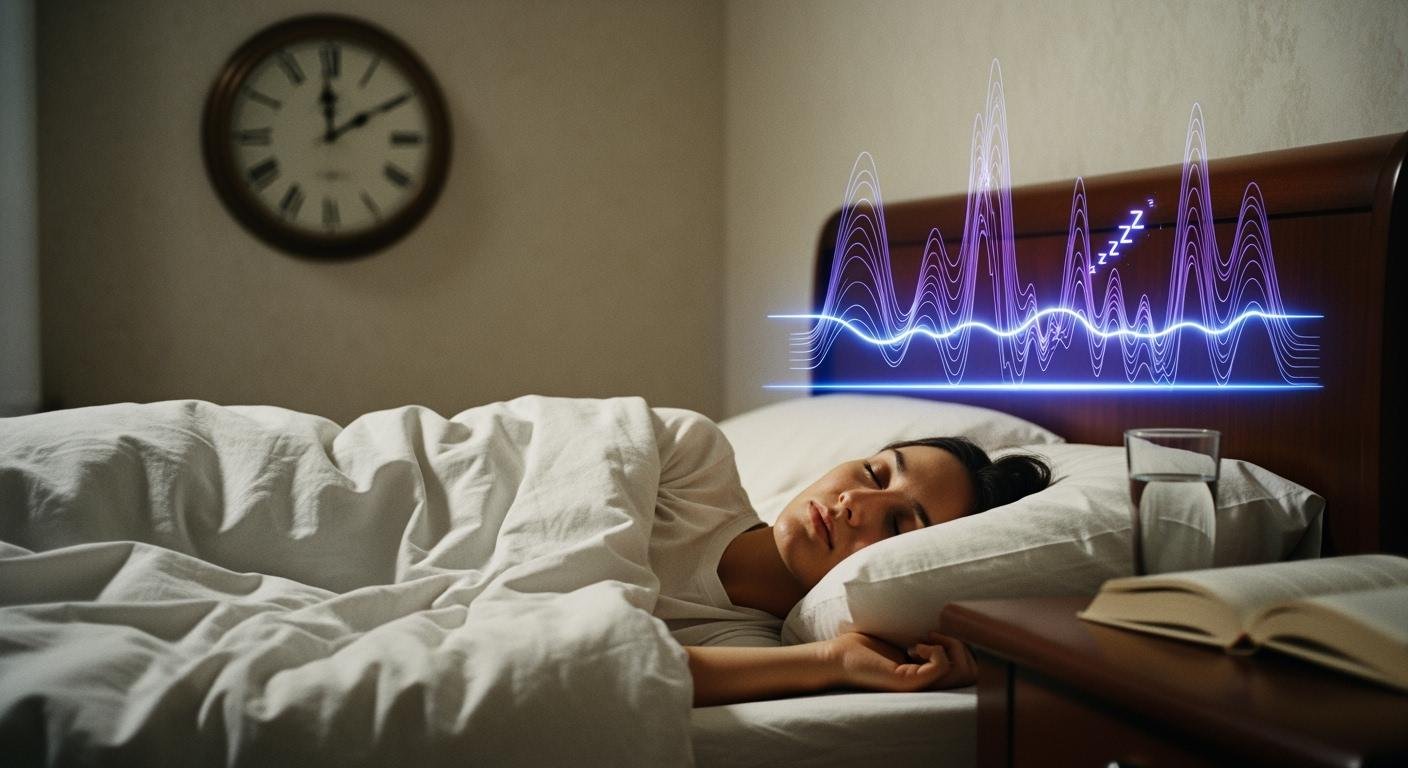
Do you ever sleep for eight hours and wake up exhausted? The problem is often not the quantity of sleep. The real secret to waking up refreshed is the quality of your sleep. This is why sleep quality matters.
Consider this: Six hours of deep, uninterrupted sleep will restore you more than eight hours of restless, fragmented sleep.
Your sleep quantity is less important than your sleep quality. A better quality of sleep makes all the difference, and it shows that sleep quality matters. The quantity of sleep is secondary to its quality.
Defining High-Quality Sleep
So, what does high-quality sleep actually look like? It is more than just feeling rested. You can measure the quality of your sleep with a few key signs. These metrics help you understand if you are getting a truly good night’s sleep.
Key Signs of Restorative Rest
High-quality rest has clear benchmarks. Experts use these to measure sleep performance. Think about your own sleep habits. Do they match these signs of good sleep quality?
- You fall asleep quickly. It should take you less than 30 minutes to fall asleep after getting into bed. This is known as sleep latency.
- You stay asleep. You spend at least 85% of your time in bed actually sleeping. Waking up once or twice is normal, but you should fall back asleep easily. This high percentage shows good sleep efficiency.
Meeting these goals means you are likely getting the restorative rest your body needs. The overall quality is what matters most.
The Importance of Sleep Stages
Your brain does not just turn off during sleep. It cycles through different stages. A deep, quality sleep means you move through all stages correctly. Two of the most critical stages are deep sleep and REM sleep.
Deep Sleep vs. REM Sleep Deep sleep is for your body. It handles physical repairs, strengthens your immune system, and helps you feel physically refreshed. You need about 20-25% of your night in this deep stage. REM sleep is for your mind. This is when you dream, process emotions, and lock in memories. Healthy REM sleep is vital for mental well-being and learning.
Getting enough deep sleep and REM sleep is essential. Your body needs to complete these cycles to fully recharge. Without enough deep or REM sleep, you can wake up feeling tired, even after a full eight hours.
Why Sleep Quality Matters for Health & Energy

Focusing on your hours in bed misses a critical point: sleep quality matters for your long-term health and daily energy. A lack of quality sleep creates problems that go far beyond feeling tired. Your body and mind depend on restorative rest to function correctly. When you experience sleep deprivation, even if you are in bed for eight hours, your well-being suffers.
The Risks of Poor Sleep
Poor quality sleep poses significant risks to your physical and mental health. Studies show that fragmented sleep is linked to higher blood pressure and stiffer arteries. This increases your risk of developing coronary heart disease over time. The consequences of sleep deprivation are not just long-term. You feel them the next day.
Your daily performance at work or school can decline sharply. Poor sleep impacts your ability to focus, learn new things, and remember information. These are common sleep deprivation symptoms. Your immune system also weakens. Sleep deprivation reduces your body’s ability to fight off infections, making you more likely to catch a cold. Good quality sleep is more effective than extra hours for boosting your mood and keeping you healthy.
Common Causes of Sleep Disruption
Many factors can disrupt your sleep and lead to poor quality rest. Some disruptions come from your environment. Things like excessive noise, bright lights from screens, and a room that is too hot or cold can prevent deep sleep.
Your daily habits also play a huge role.
- Consuming caffeine or alcohol too close to bedtime.
- High levels of stress without a way to wind down.
- Using your phone or watching TV right before trying to sleep.
Beyond habits, medical conditions are a major cause. Sleep disorders like sleep apnea, where breathing repeatedly stops and starts, or chronic insomnia, where you struggle to fall asleep, severely fragment your sleep. These sleep disorders prevent you from reaching the deeper, restorative stages of sleep. Identifying these causes is the first step to improving your rest because sleep quality matters.
How to Improve Your Sleep Quality

You can take control of your rest. Improving your sleep is not about finding a magic pill. It involves making small, consistent changes to your environment and daily life. These practical ways to improve sleep quality will help you achieve the deep, restorative rest you need.
Optimize Your Sleep Environment
Your bedroom should be a sanctuary for sleep. You can transform it into the perfect space for a good night’s sleep by controlling three key factors: temperature, light, and noise. Think of your bedroom as a cave: cool, dark, and quiet.
- Keep It Cool. Your body temperature naturally drops to initiate sleep. You can help this process by setting your thermostat between 60 and 67 degrees Fahrenheit (15 to 19°C). A cooler room promotes more stable and deep sleep. Temperatures that are too hot or too cold can disrupt your rest and reduce the amount of time you spend in deep, restorative stages.
- Make It Dark. Light is a powerful signal to your brain that it is time to be awake. Exposure to light at night suppresses the production of melatonin, the hormone that makes you feel sleepy. You can block out streetlights and other external light sources with blackout curtains. This creates a dark environment that supports melatonin production, helping you fall asleep faster and achieve deep sleep.
- Keep It Quiet. Sudden noises can easily pull you out of sleep. A white noise machine can help by masking disruptive sounds like traffic or a snoring partner. Studies show that a consistent, low-level sound helps people in noisy areas fall asleep faster. If you find white noise too harsh, you might try pink noise. It is a deeper sound, like steady rain, that can also help you maintain a more stable sleep.
Refine Your Bedtime Routine
Your body loves predictability. A consistent evening routine signals to your brain that it is time to wind down and prepare for sleep. This helps regulate your internal clock, or circadian rhythm, making it easier to fall asleep and wake up refreshed.
Create a “Wind-Down” Hour Dedicate the last 30 to 60 minutes before bed to relaxing activities. This pre-bedtime routine helps you transition from the stress of the day to a state of calm. Avoid stimulating content or stressful conversations during this time.
Here are some effective wind-down activities:
- Read a physical book. Avoid the blue light from tablets or e-readers.
- Listen to calming music or a podcast.
- Do some light stretching or gentle yoga.
- Take a warm bath or shower. The subsequent drop in body temperature can help you feel sleepy.
- Write in a journal. Jotting down your thoughts or a to-do list for the next day can clear your mind.
A crucial part of this routine is putting away electronics. The blue light from phones, tablets, and computers tricks your brain into thinking it is still daytime. This delays melatonin release and makes it harder to fall asleep. Power down your screens at least one hour before you plan to sleep.
Adjust Your Daily Habits
The choices you make during the day have a big impact on your sleep at night. Simple adjustments to your daily habits can lead to significantly better sleep.
- Get Morning Sunlight. Expose yourself to bright, natural light shortly after waking up. This helps anchor your circadian rhythm and tells your body when to be alert. This morning light exposure makes it easier for your brain to know when to wind down in the evening.
- Watch Your Caffeine Intake. Caffeine is a stimulant that can stay in your system for many hours. It can reduce your total sleep time and decrease the amount of deep sleep you get. To avoid this, stop consuming caffeine at least 8 to 10 hours before your bedtime.
- Be Smart About Alcohol. Alcohol may make you feel drowsy at first, but it disrupts your sleep later in the night. It suppresses REM sleep during the first half of the night. As your body processes the alcohol, your sleep becomes lighter and more fragmented, often causing you to wake up.
- Exercise Regularly. Physical activity is a powerful tool for improving sleep quality. Aim for at least 30 minutes of moderate exercise most days. Just try to avoid intense workouts within two to three hours of bedtime, as that can make it harder to fall asleep.
- Eat for Better Sleep. Your diet influences your rest. Diets high in fiber, fruits, and vegetables and low in saturated fat are linked to better sleep quality. Foods rich in nutrients like tryptophan and magnesium can help. | Food Group | Examples | | :— | :— | | Nuts & Seeds | Almonds, walnuts, pumpkin seeds | | Fatty Fish | Salmon, tuna | | Fruits | Cherries, bananas | | Dairy | Yogurt, milk |
If you try these tips and still struggle with sleep, consider talking to a doctor. Conditions like insomnia or sleep apnea may require professional treatment.
Chasing a specific quantity of sleep is less effective than improving your sleep. Better quality sleep boosts your mood and protects your long-term health. The quantity of sleep is just a number.
You can take control tonight. Pick one small change to improve your sleep.
Remember, sleep quality matters more than the quantity of sleep. The quantity of sleep is secondary to the quality of your rest.
FAQ
How do I know if I have poor sleep quality?
You can spot poor sleep quality with a few signs. You might take longer than 30 minutes to fall asleep. Waking up often during the night is another clue. Feeling tired after a full eight hours also suggests your sleep quality is low.
Is it bad to wake up during the night?
Waking up once or twice is perfectly normal for most people. The important thing is that you can fall back asleep easily. Frequent awakenings that keep you up for long periods can harm your sleep quality and make you feel unrested.
Can a sleep tracker measure my sleep quality?
Wearable trackers provide good estimates of your sleep. They use your movement and heart rate to guess your sleep stages. While not as accurate as a medical study, they help you see patterns and track your progress.
Does napping affect my sleep quality at night?
Yes, napping can impact your nighttime rest. Long naps or napping late in the day can make it difficult to fall asleep at your usual bedtime. If you need to nap, follow these tips:
- Keep it short (20-30 minutes).
- Nap earlier in the afternoon.
See Also
Magnesium Malate for Sleep: A Beginner’s Guide to Restful Nights
Unlock Better Sleep: Your Essential Guide to Magnesium Malate
Optimizing Methylfolate: Discovering the Best Time for Supplement Intake
Magnesium Supplement Showdown: Double Wood Versus Naxttii Health 2024 Review
Natural Caffeine Explained: Benefits and Smart Choices for Supplement Users