


Ever snap at someone or feel overwhelming frustration over a minor issue after a night of poor sleep? You are not just imagining it. A lack of sleep directly affects your brain’s ability to manage emotions. This makes you more vulnerable to stress and irritability. In fact, poor sleep quality costs billions in lost work productivity annually. Sleep deprivation impairs your emotional regulation. Your brain on little sleep is like a faulty smoke detector.
The emotional alarm goes haywire, reacting to everything. Meanwhile, your rational brain cannot find the ‘off’ switch. This makes every small problem feel like a big emergency.
How Sleep Deprivation Hijacks Your Brain
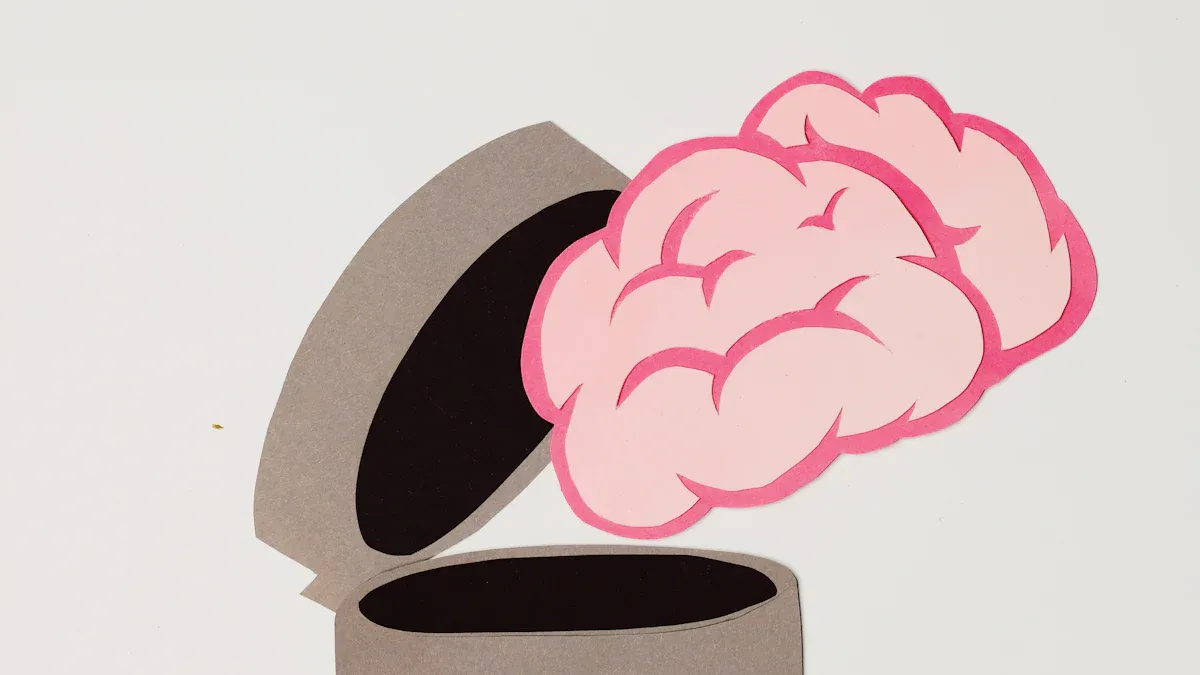
When you miss out on quality sleep, you are not just tired. Your brain’s core functions begin to change. Two key areas are responsible for these emotional effects: the amygdala and the prefrontal cortex. Understanding their roles shows why a good night’s sleep is so important for your mood.
Your Emotional Alarm Goes Haywire
Think of your amygdala as your brain’s emotional alarm system. It detects threats and triggers feelings like fear and anger. Proper sleep, especially REM sleep, helps reset this system each night. This process reduces the amygdala’s reactivity, keeping you calm. However, a lack of sleep prevents this reset. Studies show that sleep deprivation keeps the amygdala in a hyperactive state. It becomes overly sensitive to negative events, increasing your feelings of stress. This is why small frustrations can feel like major crises after a night of poor sleep. Your emotional alarm is simply too loud.
Your Impulse Control Weakens
Your prefrontal cortex is the rational part of your brain. It acts as the control center, managing impulses and making logical decisions. One of its main jobs is to regulate the amygdala’s emotional signals. Sufficient sleep strengthens the connection between these two brain regions. This strong link allows your prefrontal cortex to calm the amygdala’s alarm bells.
However, sleep deprivation weakens this vital connection. The prefrontal cortex becomes sluggish and loses its ability to exert control. This has significant effects on your behavior. You may find it harder to resist impulses or make sound judgments. Research shows people with inadequate sleep are more prone to risky behavior because they cannot properly process negative feedback.
It’s like driving a car with a hypersensitive gas pedal (your amygdala) and weak brakes (your prefrontal cortex). You get fast, intense emotional reactions with very little control to slow them down. Restoring your sleep helps repair these brakes.
The Poor Sleep and Stress Feedback Loop
The connection between sleep and irritability goes beyond your brain’s immediate reactions. A lack of sleep also triggers a hormonal cycle that keeps you stuck in a state of stress and anxiety. This creates a difficult feedback loop that can be hard to escape.
The Rise of Stress Hormones
Cortisol is your body’s main stress hormone. Your body naturally follows a rhythm where cortisol levels decrease during the day to prepare you for sleep. However, poor sleep disrupts this essential process. It keeps your body in a state of high alert. One study found that a single night of sleep deprivation can increase cortisol levels by 21%. This sustained elevation of stress hormones has serious long-term consequences. Chronically high cortisol can lead to:
- Weight gain
- Increased anxiety
- Memory problems
- Higher risk of heart disease and depression
This hormonal imbalance means your body is physically primed for stress before your day even begins. It makes managing daily pressures much more difficult and contributes to feelings of anxiety.
Trapped in the Cycle
The relationship between sleep and stress is a two-way street. High levels of stress and anxiety make it difficult to fall asleep. Your mind might race with worries, preventing the relaxation needed for deep sleep. This lack of quality sleep then makes you even more sensitive to stress the next day. You get trapped in a vicious cycle.
Stress disrupts your sleep. Then, the lack of sleep amplifies your stress and anxiety. This cycle can make you feel like you have no control, and it is a major contributor to chronic anxiety and depression.
This loop is often fueled by rumination, where you repeatedly think about negative events. Breaking this cycle is key to improving both your sleep and your mood. Recognizing this pattern is the first step toward regaining control over your emotional well-being and getting the restorative sleep you need.
Actionable Steps for Better Sleep and Mood
Breaking the cycle of poor sleep and irritability is possible. You can take control of your nights to improve your days. Behavioral strategies are often better than sleeping pills for managing chronic insomnia. These methods help you build healthy habits for lasting mental well-being. The following steps are rooted in cognitive-behavioral therapy for insomnia (CBT-I) and can help you improve sleep.
Create a Consistent Sleep Schedule
Your body loves a routine. A consistent sleep schedule is one of the most powerful tools for better sleep and stable moods. This practice helps regulate your body’s internal clock, or circadian rhythm.
- Go to bed and wake up at the same time every day. Yes, this includes weekends. This consistency reinforces your sleep-wake cycle, making it easier to fall asleep and wake up naturally.
- Aim for 7-9 hours of sleep per night. This is the recommended amount for most adults to function at their best.
- Get morning light. Exposing yourself to natural light for at least 20 minutes after waking helps set your body clock for the day.
The ‘social zeitgeber hypothesis’ suggests stable daily routines synchronize your body’s rhythms. A University of Michigan study confirmed this. It found that medical residents with irregular sleep patterns reported worse daily moods. Their risk for depression symptoms was higher. This shows that consistent sleep patterns are as crucial for your mental health as getting enough sleep. Sticking to a schedule is a key treatment for insomnia and helps prevent future sleep problems.
Optimize Your Sleep Environment
Your bedroom should be a sanctuary for rest. An environment designed for sleep signals to your brain that it is time to shut down. Poor sleeping habits often stem from a bedroom that is too stimulating.
Your goal: Make your bedroom cool, dark, and quiet.
Experts recommend an ideal room temperature between 60 and 67°F (15 to 19°C). This cooler temperature helps your body’s core temperature drop, which is a natural signal for sleep.
- Block out light: Use blackout curtains to prevent streetlights or morning sun from causing sleep disturbances.
- Mask noise: If you live in a noisy area, a white noise machine can help drown out sounds that cause sleep disturbances.
Creating this optimal environment is a simple way to address sleep difficulties and improve your chances of uninterrupted rest. It is a foundational step in tackling insomnia.
Develop a Relaxing Wind-Down Routine
You cannot expect your brain to go from 100 to 0 in a minute. A relaxing wind-down routine helps you transition from the stress of the day to a state of calm. Dedicate 30-60 minutes before bed to quiet activities. This routine helps you manage stress and prepares your mind and body for sleep.
One of the biggest modern sleep problems is screen time. The blue light from phones, tablets, and computers suppresses melatonin, the hormone that tells your body it is time for sleep. Studies show that using a light-emitting e-reader before bed can make it take longer to fall asleep and reduce your restorative REM sleep.
Try this tonight: Swap your phone for a physical book an hour before bed. This simple change can significantly improve your ability to fall asleep.
Here are some other proven relaxation techniques to reduce stress and combat insomnia:
- Practice mindful breathing: The 4-7-8 technique is simple and effective. Inhale for 4 seconds, hold your breath for 7 seconds, and exhale slowly for 8 seconds. Repeat this four times to calm your nervous system.
- Try progressive muscle relaxation: Tense and then release different muscle groups, starting from your toes and working your way up to your head. This helps you notice and release physical tension.
- Journal your thoughts: Write down any worries or tasks for the next day. Getting them out of your head and onto paper can prevent your mind from racing when you lie down. This is a great way to improve your mental health.
These practices are effective for anyone with sleep difficulties and are a core part of managing an insomnia disorder. Addressing your mental state before bed is crucial for overcoming insomnia.
Watch What You Eat and Drink
What you consume during the day directly impacts your sleep at night. Certain foods and drinks can interfere with your sleep architecture, leading to frequent awakenings and a feeling of exhaustion the next day. These poor sleeping habits can worsen sleep difficulties.
- Caffeine: This stimulant has a long half-life. A single cup of coffee can disrupt your sleep even if you drink it six hours before bed. To avoid sleep disturbances, try to stop all caffeine intake at least 8 hours before your planned bedtime.
- Alcohol: A nightcap might make you feel sleepy at first, but it severely disrupts your sleep later in the night. Alcohol reduces REM sleep, which is critical for memory and emotional regulation. Even small amounts can negatively affect your sleep and mental health. This disruption is a major cause of sleep problems.
- Large Meals: Avoid heavy, rich, or spicy meals close to bedtime. They can cause indigestion and discomfort, making it hard to fall asleep.
On the other hand, some foods contain nutrients that can help you improve sleep. Consider a light, healthy snack if you are hungry before bed.
| Food | Key Nutrient(s) | How It Helps Your Sleep |
|---|---|---|
| Almonds | Magnesium | Helps relax your muscles and calm your nervous system. |
| Cherries | Melatonin | A natural source of the hormone that regulates sleep. |
| Bananas | Magnesium, Potassium | Aids in muscle relaxation. |
| Oatmeal | Tryptophan, Magnesium | Provides building blocks for sleep-regulating hormones. |
Making mindful choices about your diet is a practical way to support your sleep and mental health. It is an important component of any plan to fix an insomnia disorder or chronic insomnia. Recognizing the link between sleep and mental health can empower you to make better choices. Addressing these factors is a key part of the treatment for insomnia and helps resolve many sleep difficulties.
Your irritability from poor sleep is not a character flaw. It is a direct biological result of how sleep deprivation affects your brain and stress hormones. You have the power to regain control. Improving your sleep is one of the best ways to reduce daily stress and restore emotional balance. Better sleep leads to better days. Your sleep is important. Good sleep is vital. This sleep is restorative. Your sleep matters.
You do not have to overhaul your life overnight. Choose just one tip—like putting your phone away an hour before bed—and try it tonight. Your mood tomorrow will thank you.
FAQ
How long does it take to recover from poor sleep?
You can feel better after one night of good sleep. However, reversing the effects of chronic poor sleep takes several nights of consistent, quality sleep. Your body needs time to repair and reset from a lack of sleep.
Can a nap fix a bad night’s sleep?
A short nap can improve alertness. It is not a long-term fix for poor sleep. Your body needs a full night of restorative sleep. Naps do not replace the deep sleep cycles essential for brain health.
Are sleeping pills a good solution for better sleep?
Sleeping pills can offer short-term relief. They do not solve the root cause of poor sleep. You should consult a doctor before using them for your sleep issues. Behavioral changes often provide a more sustainable solution.
Why do I feel worse after a long sleep on the weekend?
Over-sleeping disrupts your body clock. This can make you feel groggy and out of sync. A consistent sleep schedule is better for your overall sleep quality.
- It reinforces your natural sleep-wake cycle.
- It helps you get more restorative sleep.
See Also
Unlock Better Sleep: Your Essential Guide to Magnesium Malate
Magnesium Malate for Sleep: A Simple Path to Restful Nights
Understanding Protein’s Role in ADHD: A Newcomer’s Essential Guide
Protein’s Impact on ADHD: A Straightforward Guide for Beginners
Protein And ADHD: A Scientific Look For Health-Focused Families