

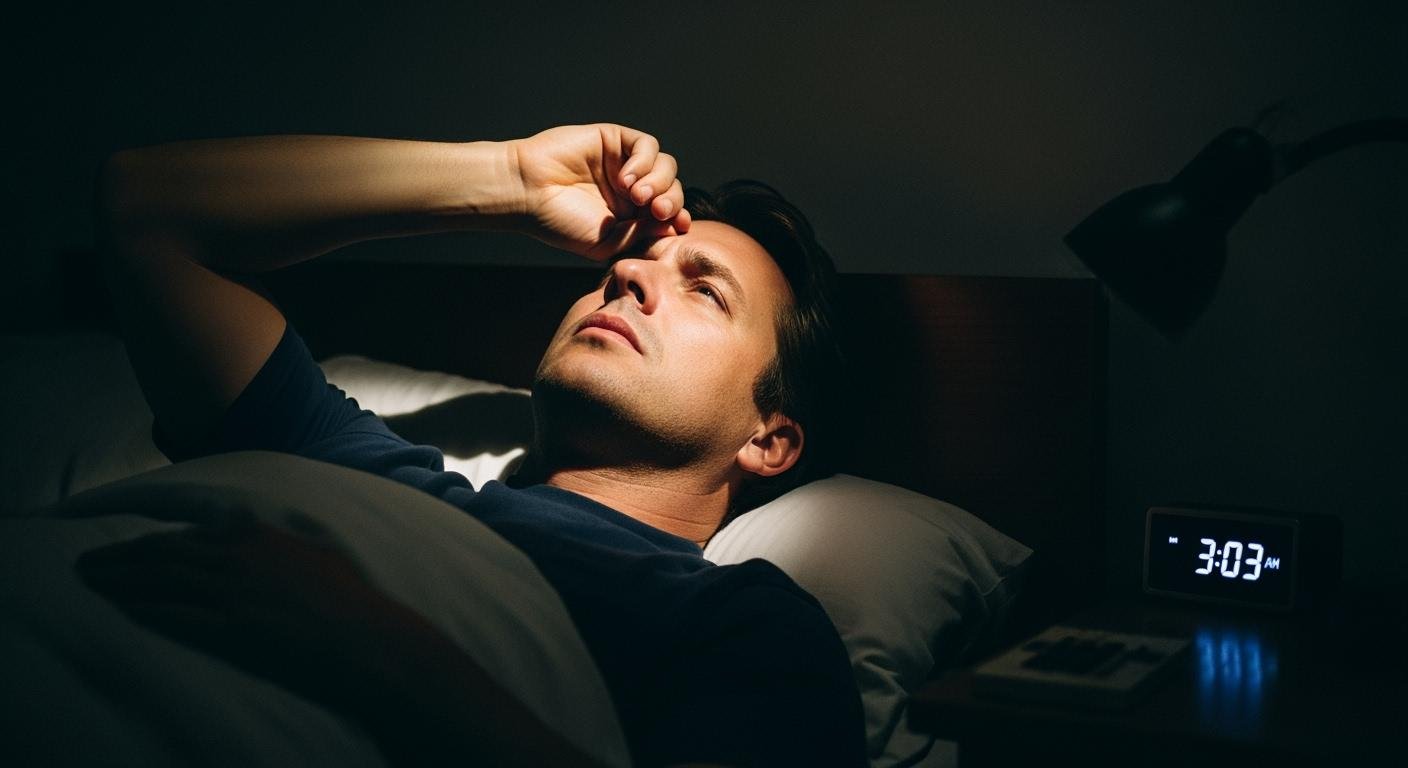
Our culture often praises men functioning on less sleep. This mindset makes sleep deprivation a misunderstood problem. Many men struggle with sleep. This common deprivation harms your well-being. Your struggle with sleep is real. All men need good sleep.
💡 Did you know? Recent studies show that 52% of men report not getting the sleep they need. This sleep deprivation affects men of all ages.
Understanding your sleep is the first step. You can reclaim your energy and improve your sleep health. It is time to get better sleep and stop the cycle of poor sleep. Good sleep is vital.
Why Men Struggle With Sleep

You are not alone if you struggle with sleep. Many factors uniquely affect men. These factors range from specific health conditions to the pressures of daily life. Understanding these root causes is the first step toward getting better rest.
The Dangers of Chronic Sleep Deprivation
Chronic sleep deprivation is more than just feeling tired. It is a serious condition with long-term health consequences. A lack of sleep harms your body in many ways. The less sleep you get, the higher your risk for significant health problems.
Poor sleep can lead to:
- Cardiovascular Problems: Sleep deprivation increases your risk for high blood pressure, heart attack, and stroke. It raises levels of inflammatory proteins in your blood, which are linked to heart disease.
- Weight Gain: Lack of sleep lowers testosterone. This change makes it harder to maintain a healthy weight and can lead to a higher BMI.
- Erectile Dysfunction and Low Sex Drive: Studies show that even one week of restricted sleep can lower testosterone levels in young, healthy men. This directly impacts your sex drive.
- Reduced Fertility: Men with poor sleep quality may have a lower sperm count. One study found a 25% reduction in men with the worst sleep.
- Weakened Immune System: Your body produces infection-fighting cells called T-cells during sleep. Sleep deprivation reduces their production, making you more likely to get sick.
- Mental Health Issues: Ongoing insomnia can worsen depression and anxiety. This deprivation makes it harder for your brain to manage emotions and make sound judgments.
Sleep Apnea and Restless Legs Syndrome
Certain medical conditions are major culprits behind poor sleep for men. Obstructive Sleep Apnea (OSA) is a common one. It causes you to repeatedly stop and start breathing while you sleep. This condition severely disrupts your rest. The prevalence of OSA in men increases significantly with age.
Prevalence of Obstructive Sleep Apnea in Men
Age Group (years) Prevalence of OSA 20-44 3.2% 45-64 11.3% 61-100 18.1%
Restless Legs Syndrome (RLS) is another condition that can ruin a good night’s sleep. It causes an uncontrollable urge to move your legs, usually in the evening. This discomfort can make falling asleep and staying asleep very difficult.
The Hormonal Impact on Sleep
Hormones play a critical role in regulating your sleep. For men, testosterone is especially important. Low testosterone can directly cause poor sleep. It disrupts your body’s ability to enter deep, restorative sleep cycles.
This creates a damaging cycle.
- Poor sleep lowers your testosterone levels.
- Low testosterone leads to worse sleep quality.
This hormonal imbalance can cause night sweats, frequent awakenings, and persistent fatigue. You might wake up feeling tired even after a full night in bed because the sleep you got was not restorative.
Stress, Anxiety, and Mental Health
Your mental state has a powerful effect on your sleep. Stress is a primary disruptor. When you are stressed, your body produces more of the hormone cortisol. Cortisol levels should naturally be low at night to allow you to rest.
💡 The Cortisol Cycle Chronic stress keeps your cortisol levels high. This elevation signals your body to stay alert, making it difficult to fall asleep. This lack of sleep can then cause your body to secrete even more cortisol during the day, creating a vicious cycle of stress and sleep deprivation.
Societal pressures often add to this stress. Men face expectations to succeed at work and be the family breadwinner. This “hustle culture” glorifies productivity over rest. The constant pressure contributes to anxiety and depression, which are both strongly linked to insomnia and other sleep problems. Many men struggle with sleep because of this mental burden.
How Lifestyle Habits Disrupt Rest
Daily habits often have the biggest impact on your sleep. Many common behaviors directly interfere with your body’s ability to rest.
- Using Alcohol to Unwind: A drink before bed might make you feel sleepy, but it severely damages your sleep. Alcohol suppresses REM sleep, which is critical for memory and mood regulation. It causes you to wake up more frequently during the second half of the night.
- Late-Night Screen Time: The blue light from phones, tablets, and computers tricks your brain. It thinks it is still daytime. This exposure stops your body from producing melatonin, the hormone that signals it is time for sleep.
- Working Late: Pushing to meet deadlines late into the evening keeps your mind stimulated. This habit makes it nearly impossible to wind down and prepare your body for a peaceful night of sleep.
These habits, often ingrained in modern life, are key reasons for widespread sleep deprivation among men.
How to Sleep Better: Actionable Steps

Understanding the causes of poor sleep is the first step. Now, it is time to take control. You can improve your rest with practical, proven strategies. Learning how to sleep better is a skill you can develop. These actionable steps will guide you toward reclaiming your energy and improving your overall health.
Master Your Sleep Hygiene
Good sleep hygiene means building habits that support quality rest. Think of it as a daily routine for better sleep. Small changes can make a big difference for men who struggle to get enough rest.
- Reserve Your Bed for Sleep: Your brain should associate your bed with rest. Use it only for sleep and intimacy. Avoid working, eating, or watching TV in bed.
- Avoid Clock-Watching: Constantly checking the time at night can increase stress and make it harder to fall back asleep. Turn your clock away from you.
- Keep a Sleep Diary: For two weeks, track your sleep patterns. Write down when you go to bed, when you wake up, and how you feel. Also, note your caffeine intake, exercise, and stress levels. This log helps you identify what is disrupting your sleep.
Create a Consistent Sleep Schedule
Your body has an internal 24-hour clock called the circadian rhythm. This clock controls when you feel sleepy and when you feel alert. A consistent schedule is the best way to regulate it.
⏰ The Power of Consistency Waking up at the same time every day is the most important factor for a healthy sleep cycle. Yes, even on weekends! An irregular schedule creates “social jet lag,” which confuses your body and can lead to health issues like obesity and mood disorders. While some research suggests “catch-up sleep” can help, consistency is your best long-term strategy for how to sleep better.
For men who work shifts, maintaining a schedule is challenging but possible. Try to adjust your sleep time by an hour or two each night before a shift change. On days off, stick to your night-shift schedule as much as possible to keep your body clock stable.
Optimize Your Sleep Environment
Your bedroom should be a sanctuary for rest. The right environment signals to your brain that it is time to shut down. Focus on making your room cool, dark, and quiet.
- Temperature: A cool room promotes better sleep. The ideal temperature for most adults is between 60 and 67°F (15 to 19°C). This temperature range helps your body cool down, a natural part of falling asleep.
- Light: Darkness triggers the production of melatonin, the sleep hormone. Use blackout curtains to block outside light. If that is not an option, a high-quality sleep mask can be very effective. Look for one with a comfortable fit and contoured eye cups, like the Mzoo or Nidra masks, to completely block light without putting pressure on your eyes.
- Noise: Unwanted sounds can easily disrupt your rest. Use earplugs or a white noise machine to drown out traffic, neighbors, or other disturbances.
Build a Relaxing Wind-Down Routine
You cannot expect your body to go from 100 to 0 in minutes. A relaxing wind-down routine tells your body and mind that the day is over. Dedicate 30 to 60 minutes before bed to quiet activities. This is a key part of how to sleep better.
| Activity | Why It Works |
|---|---|
| Read a Physical Book | Reading a paper book under soft light helps your mind unwind. Studies show it improves sleep quality, unlike using an e-reader or phone, whose blue light suppresses melatonin. |
| Take a Warm Bath | A warm bath raises your body temperature. The subsequent cool-down period mimics the natural temperature drop that happens before you sleep, making you feel drowsy. |
| Gentle Stretching or Yoga | Light physical movements like yoga or tai chi can release muscle tension and calm your nervous system. |
| Guided Meditation | Mindfulness exercises can quiet a racing mind. You can find guided meditations specifically for sleep, such as the “Body Scan for Sleep” from UCLA Health. |
The most important part of this routine is putting away all screens. The blue light from phones, tablets, and TVs is a major cause of insomnia for many men.
The Role of Diet and Exercise
What you eat and how you move have a direct impact on your sleep. You do not need to run a marathon to see benefits. Even light physical activity, like a daily walk, can significantly improve your rest.
🥗 Fueling for Better Sleep A diet high in fiber and low in saturated fat and sugar is linked to better sleep. Focus on a Mediterranean-style diet rich in nuts, fruits, vegetables, and fatty fish like salmon. These foods contain nutrients like magnesium, B vitamins, and tryptophan, which help your body produce melatonin.
For best results, follow these simple rules:
- Avoid Caffeine and Nicotine: Stop consuming caffeine at least six hours before bed. Nicotine is also a stimulant that can lead to fragmented sleep.
- Limit Alcohol: A nightcap might make you feel sleepy, but it ruins the quality of your rest later in the night.
- Time Your Meals: Avoid heavy meals within three hours of bedtime. A large meal can cause indigestion that keeps you awake.
When to See a Doctor
If you have tried these tips and still struggle, it may be time to see a doctor. Persistent sleep problems can be a sign of an underlying medical condition. Many men suffer needlessly when help is available. This is the most important step for how to sleep better when nothing else works.
You should consult a doctor if you regularly experience any of the following:
- Loud, persistent snoring
- Pauses in breathing or gasping for air during sleep
- An uncontrollable urge to move your legs at night
- Difficulty falling or staying asleep more than three times a week
- Constant daytime fatigue despite getting 7-8 hours of sleep
Before your appointment, prepare a list of your symptoms and any self-help techniques you have tried. Your doctor can help diagnose conditions like sleep apnea or restless legs syndrome and recommend treatments, which may include lifestyle changes or devices like a CPAP machine. Getting a diagnosis is the first step toward finally getting the restorative sleep you need.
Many men struggle with sleep, but this poor sleep is not normal. This deprivation stems from causes like sleep apnea. You can fix this sleep deprivation. Better habits and a doctor’s help are the keys to better sleep. Good sleep is vital for all men. This deprivation harms men. Better sleep helps men improve their sleep health.
💡 Take Action Tonight Start your journey to better sleep. Turn off all screens one hour before you plan to sleep. This one change can fight sleep deprivation and improve your sleep.
FAQ
How much sleep do men actually need?
Most adult men need 7 to 9 hours of quality sleep per night. Your individual sleep need may vary. Getting enough sleep is crucial for your health. Many men do not get the recommended amount of sleep, which affects their well-being. Good sleep is essential.
Is snoring a serious problem for men?
Occasional light snoring is usually harmless. However, loud, frequent snoring can be a sign of sleep apnea. This condition disrupts your sleep. Men should see a doctor if snoring is paired with gasping or daytime fatigue. Proper sleep is important for all men.
Can I fix my sleep schedule quickly?
Fixing your sleep schedule takes time and consistency. You might see small improvements in your sleep within a week. However, it can take several weeks to establish a new sleep pattern. Stick with your routine for the best long-term sleep benefits.
Why is my sleep so bad even when I am in bed for 8 hours?
The quality of your sleep matters more than the quantity. Many men experience poor sleep quality due to stress, alcohol, or sleep apnea. These issues prevent deep, restorative sleep. This means you wake up tired. Improving your sleep habits can help.
See Also
Unlock Restful Nights: A Novice’s Guide to Magnesium Malate
Magnesium Malate for Sleep: Science-Backed Support for Better Rest
ADHD and Protein: Exploring Their Connection for Beginners
Understanding ADHD: A Beginner’s Look at Protein’s Role
Managing Tinnitus: Nutritional Strategies and Dietary Support Explained