

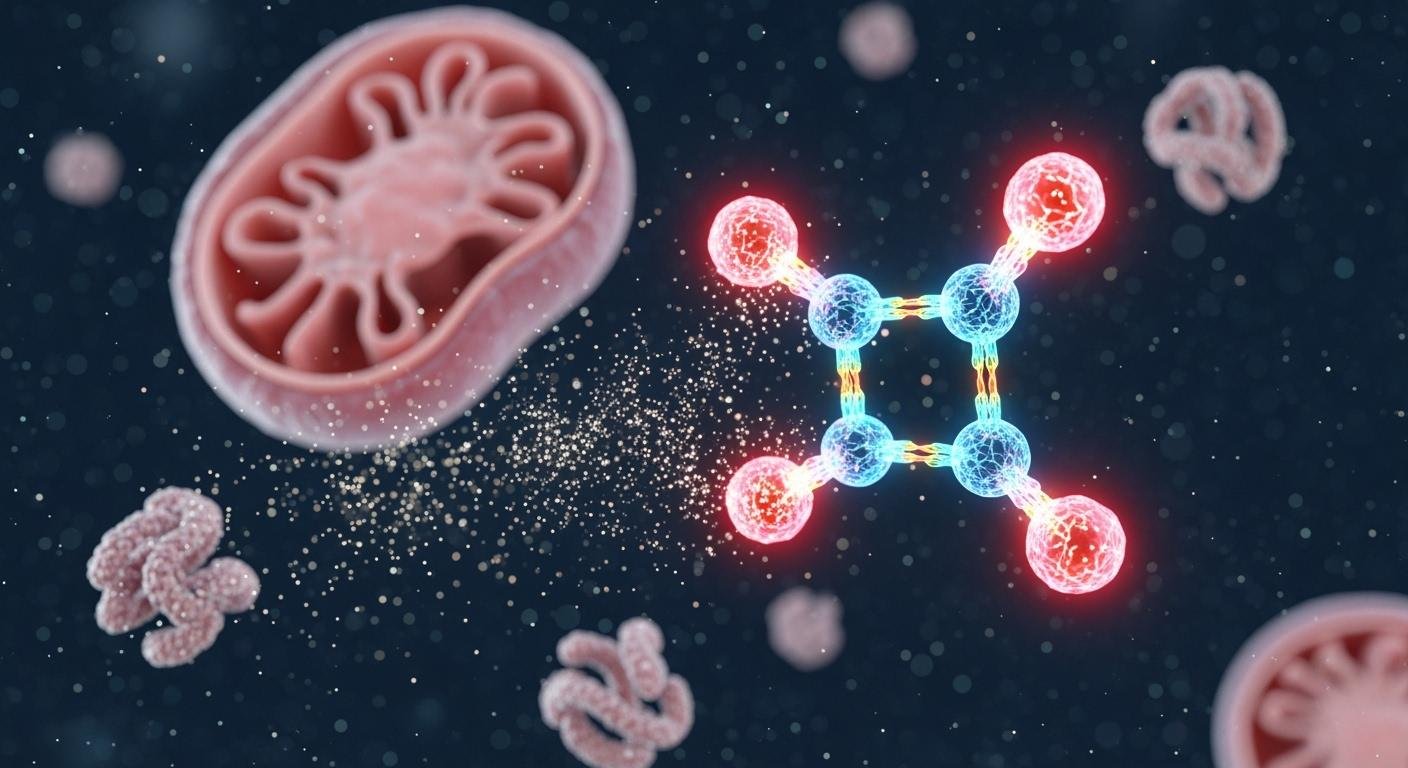
What is the fuel that powers every single cell in your body? ⚡
The answer is adenosine triphosphate, or ATP. This molecule is our universal energy currency. Think of ATP as a rechargeable battery providing immediate energy for all cellular energy. The power of ATP is immense. ATP uses in the body are vast, creating the energy for your heartbeat and thoughts. Understanding ATP is key to grasping how your body creates this vital energy. This ATP is the true energy currency of the cell. Efficient cellular energy production ensures a constant supply of ATP.
What is ATP?
We introduced ATP as the body’s energy currency. Now, let’s dive deeper into what this molecule is and how it works. A clear understanding of ATP is fundamental to understanding how your body functions at the most basic level. This molecule is the direct link between the food you eat and the energy you use.
The Basics of Cellular Energy
Every living cell needs a constant supply of energy to survive. This energy powers countless activities. Cellular energy metabolism is the complex process of generating and using this power. At the heart of this system is ATP. It acts as the primary energy carrier, delivering power exactly where it is needed.
Think of ATP as the universal energy currency for all life. It provides a ready source of energy for almost every task a cell performs. These tasks include:
- Muscle contractions
- Nerve signal transmission
- Building new molecules like proteins and DNA
- Transporting substances across cell membranes
Without a steady supply of ATP, these essential functions would stop. The entire system of cellular energy metabolism is designed to ensure the cell never runs out of this vital molecule.
The Structure of ATP
The power of ATP comes from its unique chemical structure. The name Adenosine Triphosphate tells you exactly what it is made of. It is a nucleotide composed of three key parts.
- Adenine: A nitrogen-containing base.
- Ribose: A five-carbon sugar.
- Three Phosphate Groups: A chain of three phosphate units linked together.
The combination of adenine and ribose is called “adenosine.” When three phosphate groups attach, it becomes adenosine triphosphate, or ATP.
The real magic happens in the phosphate chain. The bonds connecting these phosphate groups are full of potential energy. Specifically, the bond holding the third phosphate group is a high-energy phosphate bond. It acts like a compressed spring, just waiting to release its stored energy.
Phosphorylation: Transferring Energy
So, how does a cell use the energy stored in ATP? The process is simple yet powerful. When a cell needs energy, it breaks the final phosphate bond in an ATP molecule.
This releases the third phosphate group and a significant burst of energy. The ATP molecule now becomes Adenosine Diphosphate (ADP), as it only has two phosphate groups left. This transfer of a phosphate group to another molecule is called phosphorylation. It is how ATP shares its energy. The receiving molecule gets energized and can then perform its specific job.
This creates a continuous cycle, making ATP the ultimate rechargeable battery for cellular energy.
| State | Molecule | Analogy |
|---|---|---|
| Charged | ATP (Adenosine Triphosphate) | A full battery, ready to provide power. |
| Drained | ADP (Adenosine Diphosphate) | A used battery, needing to be recharged. |
The body constantly recharges ADP back into ATP. This process of ATP synthesis adds a phosphate group back onto ADP, storing energy once again. This cycle of breaking down ATP for energy and rebuilding it through ATP synthesis happens at an incredible rate. Your body’s metabolism ensures this energy carrier is always available, fueling every aspect of life and maintaining your cellular energy metabolism. This is the core of understanding ATP.
How ATP Releases Energy
We know that ATP stores energy like a compressed spring. But how does the cell actually get that energy out to use it? The process involves a specific chemical reaction that is happening constantly throughout your body. This energy release is the key to powering every action you take.
ATP Hydrolysis Explained
The primary way ATP releases its stored power is through a process called ATP hydrolysis. The term “hydrolysis” simply means to break down a compound by reacting with water (hydro = water, lysis = to split).
When a cell needs energy, an enzyme helps break the high-energy bond holding the third phosphate group to the ATP molecule. This reaction requires one molecule of water and results in a powerful burst of energy.
- The Chemical Reaction: The breakdown looks like this:
ATP + H₂O → ADP + Pi + energy(Here, “Pi” stands for inorganic phosphate, the single phosphate group that was released).
This single reaction is incredibly potent. Under conditions inside a living cell, the hydrolysis of one mole of ATP releases approximately -57 kilojoules of energy. This is a significant amount of power on a molecular scale, ready to be harnessed for cellular work. The energy from ATP is used for three main types of jobs:
- Mechanical Work: This includes the movement of muscle fibers. Every time your muscles contract, countless ATP molecules are being used to power the motion.
- Transport Work: Your cells constantly move substances across their membranes. ATP powers molecular pumps that push ions and other molecules against their concentration gradients, a process known as active transport.
- Chemical Work: ATP provides the energy needed to build large, complex molecules. This includes synthesizing DNA when cells divide or creating proteins from amino acids.
This efficient energy release makes ATP the perfect immediate power source for the cell.
The ATP-ADP Cycle
A cell’s supply of ATP is used up very quickly. To solve this, your body doesn’t just make ATP from scratch every time. Instead, it recycles it in a continuous loop known as the ATP-ADP cycle. This system functions exactly like a rechargeable battery.
| Molecule | Battery State | Description |
|---|---|---|
| ATP | Charged 🔋 | Holds usable energy in its third phosphate bond. |
| ADP | Drained 🪫 | The molecule left after energy is spent. It is ready to be recharged. |
When ATP is used for work, it becomes ADP and a loose phosphate group. To “recharge” the battery, the cell must add that phosphate group back onto ADP to reform ATP. This rebuilding process requires an input of energy. That energy comes from the food you eat, which is broken down during cellular respiration.
The hero of this recharging process is a remarkable molecular machine called ATP synthase. This enzyme is like a tiny turbine. As energy from food breakdown pumps protons across a membrane in the mitochondria, these protons then flow back through ATP synthase. The flow causes the enzyme to spin, and this rotational energy is used to attach a phosphate group back onto ADP, creating a fresh molecule of ATP.
This cycle of ATP hydrolysis and regeneration is incredibly fast and efficient. A working muscle cell can recycle its entire pool of ATP about once every minute. This constant cycling ensures that energy is always available, allowing life to continue moment by moment. The entire system is designed to keep your cellular batteries charged, making sure every cell has the ATP it needs to function.
The Source of ATP Energy Production

The ATP-ADP cycle is a brilliant recycling system, but the energy to recharge ADP into ATP must come from somewhere. That energy comes from the food you eat. The primary sites for this large-scale energy production are specialized structures inside your cells called mitochondria.
Cellular Respiration in Mitochondria
Mitochondria are famously known as the “powerhouses” of the cell. These tiny organelles are where the magic of mass ATP energy production happens. The process they use is called cellular respiration. This metabolic process is incredibly efficient at converting the chemical energy stored in nutrients, like glucose, into usable ATP. The complete breakdown of just one molecule of glucose can generate approximately 30 molecules of ATP. This provides the vast amount of cellular energy needed for life.
The main cellular metabolism pathways for ATP production are:
- Glycolysis: The initial breakdown of glucose.
- The Citric Acid Cycle/Oxidative Phosphorylation: The main ATP-generating steps inside the mitochondria.
- Beta-Oxidation: The process for breaking down fats for energy.
Inside the mitochondria, a system called the electron transport chain uses electrons from broken-down glucose to pump protons across a membrane. These protons then flow back through the ATP synthase enzyme, providing the energy to recharge massive quantities of ADP back into ATP. The mitochondria are the ultimate charging stations for your cellular energy.
How Food Becomes Cellular Fuel
Your body cannot directly use a piece of fruit or a slice of bread for ATP production. First, it must break down the macronutrients from your food into smaller molecules that the mitochondria can use. This is a key part of your body’s metabolism and cellular energy metabolism.
- Carbohydrates are broken down into simple sugars like glucose.
- Fats are converted into fatty acids and glycerol.
- Proteins are broken down into their building blocks, amino acids.
Glucose is the most direct source of fuel. The first step in using glucose is a process called glycolysis, which literally means “to break apart glucose.” This reaction splits a glucose molecule to produce pyruvate. This pyruvate then enters the mitochondria, where it is further processed to unleash a huge amount of energy for ATP synthesis. This entire system of cellular energy metabolism ensures that the food you eat is efficiently turned into the ATP that powers your every move.
Supporting Your ATP Production
Your body’s ability to create ATP depends directly on the nutrients you provide it. Proper nutrition is the foundation to support cellular energy production. Understanding which foods fuel this process helps you maintain your vitality. This process is key for your body’s energy homeostasis.
Macronutrients for Energy
Macronutrients are the primary source of fuel for your body’s energy production. Carbohydrates, fats, and proteins from your diet provide the raw materials for making ATP.
Carbohydrates are especially important. Your body converts them into a simple sugar called glucose. This glucose enters a series of reactions known as cellular respiration. This process efficiently converts the chemical energy in glucose into ATP. This ATP then powers cellular functions. While glucose is a primary fuel, your cellular energy metabolism can also use fats and proteins to generate ATP when needed. A steady supply of glucose ensures consistent energy. The goal of this system is to maintain energy homeostasis.
Fuel for Your Cells ⛽ Your body breaks down food into smaller molecules.
- Carbohydrates become glucose.
- Fats become fatty acids.
- Proteins become amino acids. All of these can be used to make ATP.
Key Micronutrients and Cofactors
Your cellular energy metabolism needs more than just fuel. It also requires micronutrients like vitamins and minerals. These act as essential helpers or “cofactors” in the chemical reactions that produce ATP.
Magnesium is a critical cofactor for ATP. In fact, ATP largely exists inside the cell as a complex with magnesium. This binding is crucial for many enzymes to use ATP effectively. The presence of magnesium helps regulate the energy released from an ATP molecule. Without enough magnesium, the entire system of energy production slows down.
Other key players include B vitamins. They are vital for converting glucose into usable energy. Each nutrient plays a specific role in the complex process of cellular energy production. A balanced diet ensures your cell has all the tools it needs for optimal ATP energy production and robust cellular energy. This makes the ATP molecule ready for use.
Understanding ATP is fundamental to your health. ATP is the vital, constantly cycling molecule providing immediate energy. Your body recycles a massive amount of ATP—around 9 x 10^20 molecules per second—to power every cell. This constant demand for ATP energy is why understanding ATP is so important. A healthy diet directly fuels this ATP production. The right nutrients ensure your body makes enough ATP. This ATP energy is essential for life.
You can support your cellular energy by making smart food choices. This ensures a steady supply of ATP for optimal energy. The power of ATP is your energy.
FAQ
Why is ATP called the energy currency?
ATP is like money for cells. A cell “spends” ATP to get the energy for its jobs. This makes ATP the universal currency for cellular energy. The cell constantly makes more ATP to fuel its needs.
How much ATP does the body use?
Your body recycles an incredible amount of ATP each day. The total weight is roughly equal to your own body weight. This constant cycle ensures there is always enough energy for every cell. This process provides a steady supply of atp.
Can you store ATP for later use?
No, the body cannot store large amounts of ATP. It is an immediate energy source.
Your body stores long-term energy as fats and carbohydrates. It converts these stores into ATP when energy is needed for cellular work.
What happens if you run out of ATP?
Running out of ATP would be fatal for a cell. All essential functions would stop without this energy source. The cell needs a constant supply of ATP to live. This is why continuous energy production is so important.
See Also
Understanding Protein’s Role in Managing ADHD: A Simple Introduction
Exploring the Link Between Protein Intake and ADHD for Beginners
Magnesium for Newbies: Your Essential Guide to a Confident Beginning
Alpha Lipoic Acid Explained: Benefits and Integration into Your Routine
Methylfolate Supplementation: A Science-Backed Guide for Safe and Effective Use