

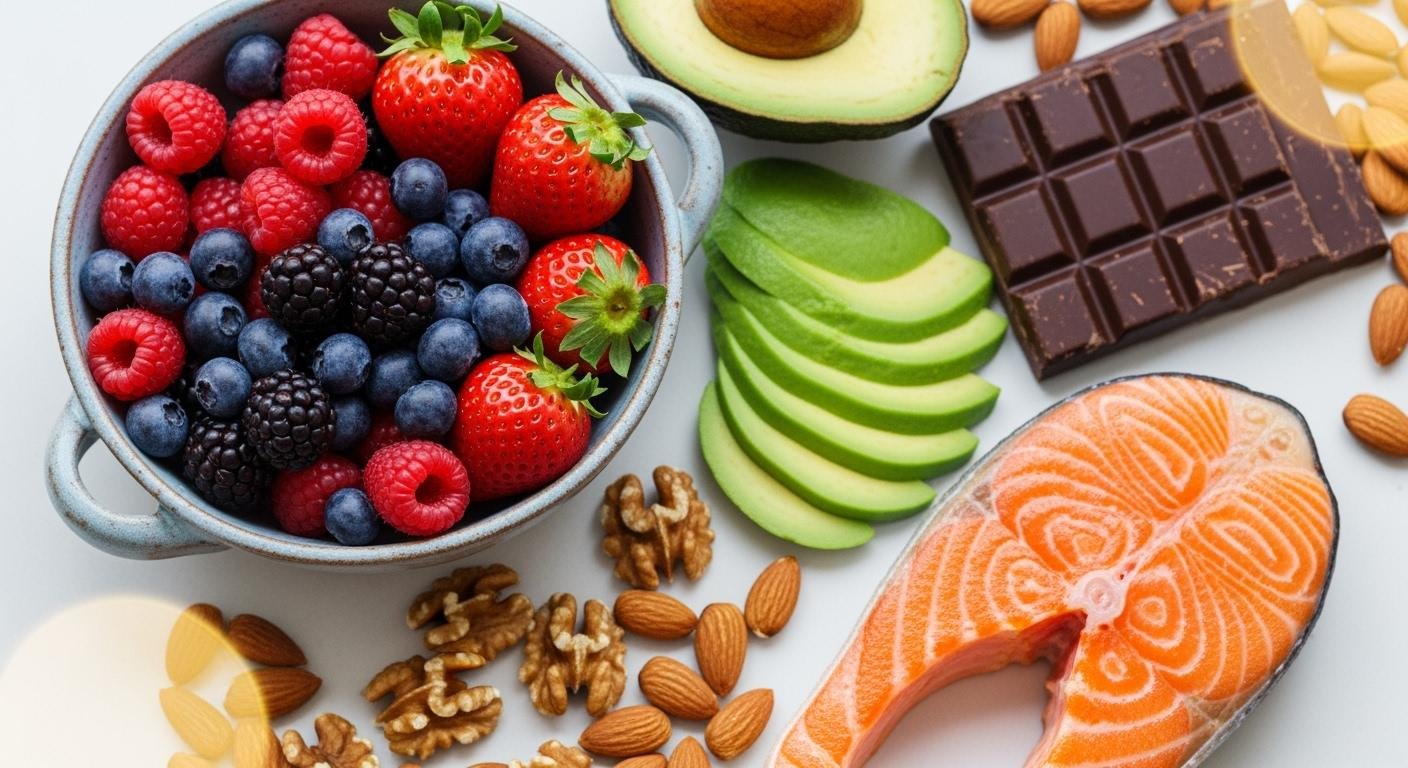
Your diet significantly impacts your emotional well-being and ability to handle stress. With studies showing that one in eight people globally has experienced a mental disorder, your nutrition is a powerful tool for supporting your mental well-being. Specific mood-boosting nutrients are scientifically proven to support brain health. Key players like Omega-3s and B vitamins help your brain produce “feel-good” chemicals. This provides an accessible way to take control of your emotional well-being.
Essential Mood-Boosting Nutrients
Your brain relies on a steady supply of specific nutrients to function correctly. These essential mood-boosting nutrients act as the building blocks for chemicals that regulate your emotions, stress levels, and overall mental clarity. Understanding their roles empowers you to make targeted dietary choices for a brighter outlook.
Omega-3 Fatty Acids
Your brain is nearly 60% fat, so healthy fats are vital for its structure and function. Omega-3 fatty acids, especially EPA (eicosapentaenoic acid) and DHA (docosahexaenoic acid), are superstars for mental health. They help maintain the fluidity of your brain cell membranes, which is crucial for effective communication between brain cells.
Omega-3s also have powerful anti-inflammatory properties. They help lower the production of inflammatory compounds in the brain that are linked to depression. One study with healthy medical students found that daily omega-3 supplementation led to a remarkable 20% reduction in anxiety symptoms. For managing depression, clinical trials often use doses of 1 to 2 grams per day of a combined EPA and DHA supplement, with formulas containing at least 60% EPA showing the most promise.
Tip: You can easily increase your omega-3 intake by eating fatty fish like salmon, mackerel, and sardines two to three times per week.
B Vitamins (Folate & B12)
The family of B vitamins plays a huge part in your energy levels and brain chemistry. Folate (B9) and Vitamin B12 are particularly important for your mood. They are key players in a process called one-carbon metabolism. This process helps produce S-adenosylmethionine (SAMe), a compound your body needs to make essential neurotransmitters like serotonin and dopamine.
A deficiency in these b vitamins can disrupt this process. It leads to elevated levels of an amino acid called homocysteine, which can be toxic to your neurons. In fact, studies show that about one-third of individuals with depression have low folate levels. Ensuring you get enough of these vitamins supports stable neurotransmitter production.
Here are some foods high in b vitamins:
- Folate (B9): Leafy greens (spinach, kale), lentils, beans, and asparagus.
- Vitamin B12: Primarily found in animal products like meat, fish, and dairy. If you follow a plant-based diet, you should look for fortified foods like nutritional yeast, plant-based milks, and cereals.
Magnesium
Think of magnesium as your body’s relaxation mineral. It helps regulate your stress response system, known as the hypothalamic-pituitary-adrenal (HPA) axis. When you are deficient in magnesium, your HPA axis can become overactive, leaving you feeling anxious and on edge.
Unfortunately, magnesium deficiency is common. More than half of the U.S. population does not consume the recommended daily amount. Common signs of low magnesium levels include anxiety, fatigue, sleep problems, and muscle cramps.
| Food Source | Why It’s Great |
|---|---|
| Nuts & Seeds | Almonds, cashews, and pumpkin seeds are packed with magnesium. |
| Legumes | Black beans and edamame are excellent sources. |
| Dark Chocolate | A delicious way to get magnesium and antioxidants (in moderation!). |
| Leafy Greens | Spinach is another fantastic source of this calming mineral. |
Antioxidants & Polyphenols
Your brain uses a lot of oxygen, which makes it vulnerable to oxidative stress from free radicals. Antioxidants and polyphenols are powerful compounds found in plants that protect your brain from this damage. They work by neutralizing free radicals and activating your body’s own protective systems.
Beyond just defense, certain polyphenols can directly influence brain health. They can modulate cellular pathways that boost Brain-Derived Neurotrophic Factor (BDNF), a protein that encourages the growth of new brain cells. For example, curcumin (from turmeric) and resveratrol (from grapes) have been shown to support levels of mood-regulating neurotransmitters like serotonin and dopamine. You can find these protective compounds in colorful fruits and vegetables, especially berries, and in dark chocolate.
Zinc
Zinc is a mineral that acts as a critical neuromodulator in your brain. It helps regulate communication at the synapse—the junction between two neurons. It plays a role in how your brain uses glutamate and GABA, two neurotransmitters that manage brain excitability. A zinc deficiency can impair learning and memory and even lead to increased neuronal death.
Research suggests that zinc can be a helpful addition to depression treatment. A clinical trial found that when patients took 25 mg of zinc daily along with their standard antidepressant medication, they experienced a more significant reduction in depressive symptoms compared to those who took a placebo. You can find zinc in legumes, nuts, seeds (especially pumpkin seeds), and whole grains.
Probiotics
The connection between your gut and your brain, known as the gut-brain axis, is a rapidly growing area of research. Your gut is home to trillions of bacteria that form your gut microbiome. This microbiome communicates directly with your brain through neural, immune, and hormonal pathways.
Probiotics are beneficial bacteria that support a healthy gut microbiome. Certain strains, like Lactobacillus and Bifidobacterium, can help your gut produce mood-influencing substances like GABA and serotonin. They also help reduce inflammation, which further supports a positive mental state. Including these mood-boosting nutrients in your diet through fermented foods is an excellent strategy for gut and brain health.
Good sources of probiotics include:
Yogurt (with live and active cultures)
Kefir
Sauerkraut
Kimchi
Top Foods That Boost Mood
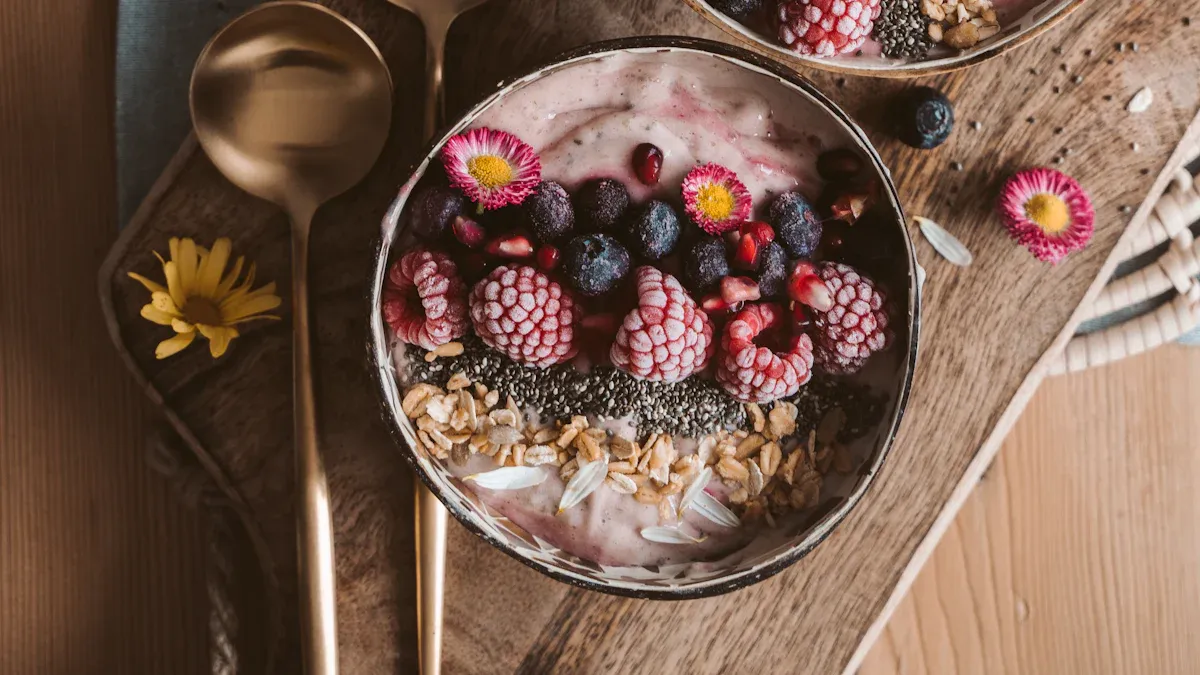
Knowing which nutrients support your brain is the first step. Now, let’s explore the top foods to elevate mood. Integrating these delicious and nutrient-dense foods into your diet makes it easy to get the compounds your brain needs to thrive. These are some of the best foods that boost mood.
Fatty Fish (Salmon & Mackerel)
Fatty fish are excellent sources of the omega-3 fatty acids EPA and DHA. Your brain uses these fats to build cell membranes and fight inflammation. Eating fatty fish just a couple of times per week can provide a powerful dose of these essential nutrients. Salmon and sardines are great choices. Mackerel offers an even higher concentration.
Did You Know? A small serving of fatty fish packs a significant amount of brain-healthy omega-3s.
| Type of fish (3 oz. serving) | Omega-3 content (DHA + EPA) |
|---|---|
| Mackerel | 2.0 grams |
| Salmon (farmed, Atlantic) | 1.7 grams |
| Salmon (wild, Atlantic) | 1.2 grams |
Berries and Dark Chocolate
You can satisfy your sweet tooth while protecting your brain. Berries and dark chocolate are foods rich in antioxidants, specifically a type of polyphenol called flavonoids. These compounds help protect your brain cells from oxidative stress. Eating a variety of colorful fruits and vegetables ensures you get a wide range of these protective nutrients.
A study showed that eating 30 grams of 85% dark chocolate daily for three weeks helped reduce negative mood. This effect was linked to positive changes in gut bacteria, showing another way diet influences your emotions through the gut-brain axis.
| Food Source | Flavan-3-ols (mg/serving) |
|---|---|
| Blueberries, fresh, 1 cup | 38 |
| Dark chocolate, 1 ounce | 30 |
Nuts, Seeds, and Legumes
Nuts, seeds, and legumes are fantastic nutrient-dense options. They provide you with plant-based protein, fiber, and key mood-regulating minerals like magnesium and zinc. Almonds and pumpkin seeds are particularly high in these minerals.
A large study using data from the UK Biobank found that adults with a regular, moderate intake of nuts had a 17% lower risk of depression. These foods contain many beneficial compounds that work together to support your mental health through their anti-inflammatory and antioxidant effects. For other benefits, you can also include foods like eggs and bananas, which help promote the release of oxytocin, a hormone linked to bonding and well-being.
| Food | Magnesium (per 1 oz serving) | Zinc (per 1 oz serving) |
|---|---|---|
| Almonds | ~20% Daily Value | 1 mg (10-12% Daily Value) |
| Pumpkin Seeds | A great source | ~18% Daily Value |
| Chickpeas | A good source | 0.8 mg (per half-cup) |
Fermented Foods (Yogurt & Kefir)
Fermented foods are your primary dietary source of probiotics. These beneficial bacteria support a healthy gut, which communicates directly with your brain. Including these mood-boosting foods in your diet is a great strategy for your mental health.
Human trials show that certain probiotics, like Lactobacillus and Bifidobacterium found in yogurt and kefir, can improve mood and reduce symptoms of anxiety and depression. When choosing products, look for “live and active cultures” on the label. The number of beneficial bacteria, measured in Colony-Forming Units (CFU), can vary widely between brands.
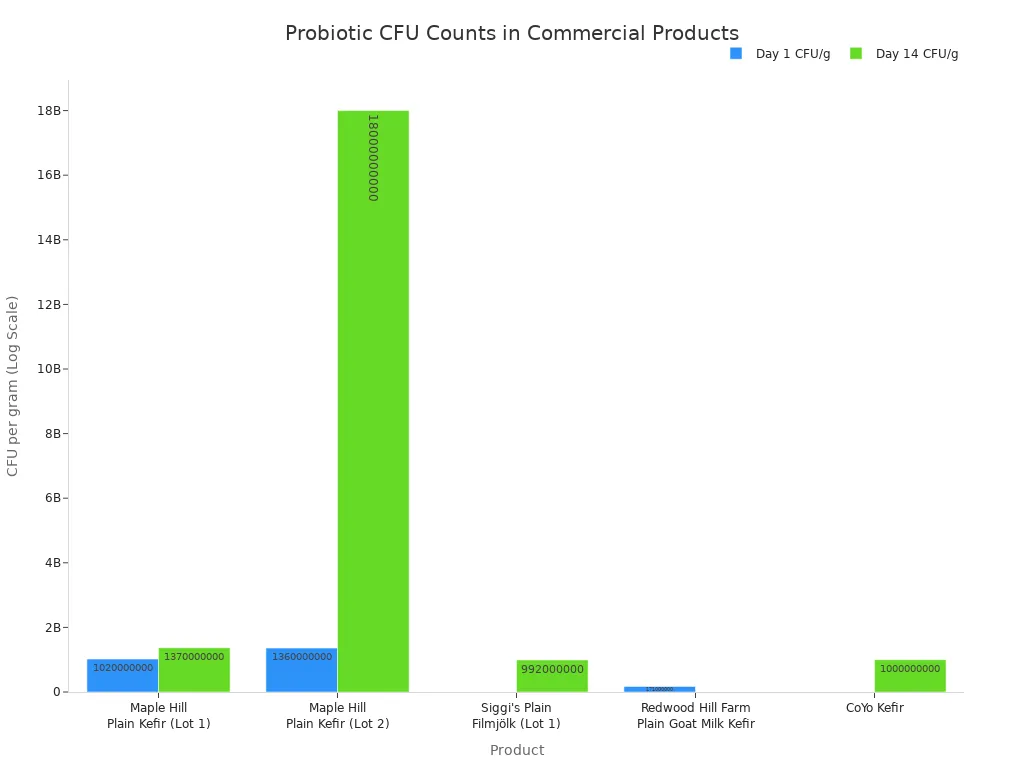
Consuming these foods that boost mood helps populate your gut with bacteria that produce feel-good neurotransmitters. Adding more colorful fruits and vegetables alongside these foods can further enhance their benefits.
Foods to Limit for Better Mood and Stress Alleviation

Your diet is a two-way street. Adding beneficial nutrients is important. Removing foods that negatively affect your mood is equally crucial. Certain foods can contribute to inflammation and disrupt your brain chemistry, working against your mental well-being.
Refined Sugars and Processed Foods
You may notice a temporary lift after eating sugary snacks, but this feeling is often short-lived. Ultra-processed foods and items high in refined sugar can create problems for your mood over time. These foods cause a rapid spike in your blood glucose. Your body then releases insulin to manage the sugar, which can promote a pro-inflammatory state.
A major study co-authored by Harvard researchers found that individuals consuming nine or more servings of ultra-processed foods daily had a 50% higher risk of developing depression.
These foods can also harm your gut health. An unhealthy gut microbiome can send stress signals to your brain, contributing to feelings of anxiety and sadness. Limiting these items is a key step toward a more stable mood.
Excessive Alcohol Intake
Alcohol has a complex and often negative relationship with your brain’s chemistry. While a drink might seem to relax you initially, this effect is misleading.
- Neurotransmitter Disruption: Alcohol temporarily boosts feel-good chemicals like serotonin. However, chronic use can deplete these important neurotransmitters, contributing to mood disorders. It also disrupts GABA, your brain’s primary calming chemical, leading to increased anxiety when the alcohol wears off.
- Sleep Interference: Excessive alcohol intake significantly harms your sleep quality. It can suppress REM sleep and cause you to wake up frequently during the night. Poor sleep directly impacts your emotional regulation the next day.
Choosing whole foods over processed options and practicing moderation with alcohol are effective strategies. This allows the positive effects of foods to alleviate stress to truly shine through.
Your nutrition is a powerful strategy for your mental well-being and stress resilience. You can boost your emotional well-being by adding one food with mood-boosting nutrients to your meals this week. This simple step supports your long-term emotional well-being and mental well-being.
Important: While these mood-boosting nutrients are beneficial, this approach supports your mental health. It does not replace professional medical advice for mood disorders.
FAQ
How soon will I feel a mood boost from my diet?
You might notice small improvements in a few weeks. Your body needs time to build up its nutrient stores. Eating these foods consistently is the key to long-term benefits for your mood and overall mental well-being.
Should I take supplements instead of eating these foods?
Whole foods are your best first choice. They provide fiber and other compounds that work together to support your health. You should always talk to a doctor before starting any supplements to see if they are right for you.
Can these foods replace my depression or anxiety medication?
Important: No. A healthy diet supports your mental health, but it does not replace medication or therapy. You must always follow your doctor’s professional medical advice for managing any health condition.
See Also
Unlocking Modern Wellness: The Science-Backed Benefits of 5-MTHF Supplements
Magnesium for Newbies: A Clear and Confident Start to Supplementation
Methylated Vitamins: Unlocking Optimal Absorption and Enhanced Wellness Benefits
Methyl Folate: Your Step-by-Step Guide to Optimal Timing and Selection
Opti-Folate 1000 mcg Review: Science-Backed Folate for Enhanced Modern Wellness