
You don’t need a big diet overhaul to feel better and support longevity. Even small steps can make a real difference. For example, studies show that just improving your diet quality can add about a year to your life. Take a look at how simple changes add up:
| Lifestyle Change | Impact on Lifespan |
|---|---|
| Improvement in diet quality | Approximately one extra year |
| Combined improvements | About nine-year increase in lifespan |
Why Diet Choices Support Longevity
Food and Lifespan Connection
You might wonder how what you eat can actually help you live longer. Scientists agree that your diet plays a big role in how long and how well you live. When you choose foods that offer health benefits, you give your body the tools it needs for healthy aging.
In the EPIC Elderly study of over 75,000 men and women, greater adherence to the Mediterranean diet was associated with lower subsequent mortality.
A study published in JAMA Network Open found that women who most closely followed the plant-based Mediterranean diet were 23% less likely to die from any cause than women who did not closely follow this dietary pattern.
If you switch from the average American diet to a healthier one, you could potentially live nearly 10 years longer. That’s a huge difference! In places like Okinawa and the Blue Zones, people eat mostly plant-based foods, including lots of vegetables, legumes, and whole grains. They eat red meat only a few times a month. This pattern supports longevity and helps lower the risk of chronic diseases.
| Diet Type | Impact on Longevity |
|---|---|
| Plant-based Mediterranean diet | 23% lower risk of death from any cause |
| Average American diet | Potentially 10 years shorter lifespan if not improved |
Power of Small Changes
You don’t have to change everything at once. Even small, steady improvements in your diet can lead to big health benefits. For example, adding more whole grains, nuts, and fish while cutting back on processed foods can boost your health and support longevity.
Large studies show that following healthy eating habits gives you more years free from major diseases. Men can expect about 7.6 extra years, and women about 10 years of disease-free life. Incremental improvements in diet quality are linked to lower risks of cancer, dementia, and liver disease. Every healthy choice counts toward better health and a longer life.
In a large modeling study, researchers concluded that if a 40-year-old eating the average American diet switched to a healthier diet, they could potentially live nearly 10 years longer.
When you make small changes and stick with them, you build a foundation for lifelong health benefits. You don’t need perfection—just consistency.
Best Foods for Longevity
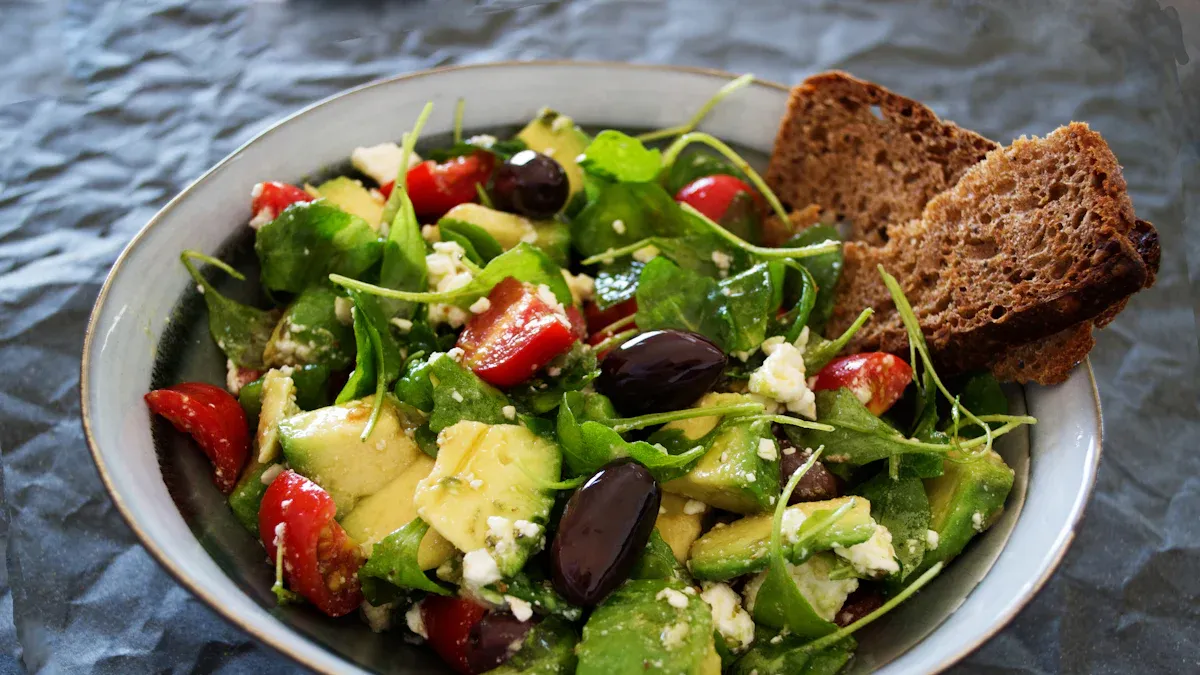
You can support longevity by choosing nutrient-dense foods that deliver essential nutrients and health-promoting nutrients. Let’s look at the best foods for longevity and how they help you thrive.
Fatty Fish and Omega-3s
Fatty fish like salmon, sardines, and mackerel are a high-nutrient source of omega-3. These foods contain n-3 polyunsaturated fatty acids, including EPA and DHA. You get benefits for your heart, brain, and muscles. Recent studies show that eating fatty fish improves cardiovascular health, reduces inflammation, and boosts cognitive function. You also support muscle performance, which helps you stay independent as you age. Experts recommend a daily intake of one gram of omega-3 for slowing the aging process. This amount can make your biological markers of aging look younger. Adding vitamin D and exercise makes the effect even stronger. Fatty fish are one of the best foods for longevity because they deliver healthy fats and support your nutritional needs.
Leafy Greens and Cruciferous Veggies
Leafy greens and cruciferous vegetables are packed with health-promoting nutrients. You get folate, magnesium, carotenoids, vitamin K, fiber, and lutein from leafy greens. Cruciferous vegetables like broccoli, kale, and Brussels sprouts contain sulforaphane and glucosinolates. These compounds help your body detoxify and reduce inflammation. Eating leafy green vegetables and cruciferous veggies lowers your risk of heart attack, stroke, and cancer. You also protect your brain from cognitive decline. Studies show that high intakes of these vegetables reduce overall mortality, mainly by lowering cardiovascular disease deaths.
| Evidence Type | Findings |
|---|---|
| Study 1 | High intakes of total vegetables, especially cruciferous vegetables, are linked to a reduced risk of overall mortality. |
| Study 2 | Antioxidant-rich fruits and vegetables lower blood pressure and inflammation, protecting your heart. |
| Study 3 | Sulforaphane in cruciferous vegetables reduces oxidative stress and inflammation in your cardiovascular system. |
You can add leafy greens to salads, smoothies, or sandwiches. Try roasting or steaming cruciferous vegetables for a tasty side dish.
Berries and Antioxidants
Berries are antioxidant-rich fruits that help your body fight aging. You get anthocyanins, vitamin C, and polyphenols from berries like blueberries, strawberries, and elderberries. These antioxidants protect your cells from damage and support your brain health. Eating berries can improve cognitive performance and reduce cognitive decline. Some studies show that berries have neuroprotective effects because they lower oxidative stress and inflammation.
| Berry Type | Key Compounds | Health Benefits |
|---|---|---|
| Maqui | Polyphenols, Anthocyanins | High antioxidant capacity, prevents cellular aging |
| Blueberry | Flavonoids | Associated with increased longevity and reduced chronic disease risk |
| Elderberry | Polyphenols | Fights oxidative stress and promotes metabolic health |
Antioxidants neutralize free radicals and protect your DNA. You can add berries to yogurt, oatmeal, or smoothies for a delicious boost.
Nuts, Seeds, and Legumes
Nuts, seeds, and beans are powerful plant foods for longevity. You get healthy fats, fiber, and phytochemicals from nuts and seeds. Beans are rich in protein and fiber, making them a high-nutrient source for daily consumption of beans. Eating nuts and seeds lowers your risk of cardiovascular disease, cancer, and all-cause mortality. A review of 89 articles found that nuts and seeds reduce cardiovascular disease risk by 21% and cancer deaths by 11%. You also get a 22% reduction in overall mortality.
| Evidence Type | Findings | Risk Reduction |
|---|---|---|
| Cardiovascular Disease | Nut consumption associated with reduced risk | 21% RR reduction in CVD |
| Cancer Deaths | Nut intake linked to lower cancer mortality | 11% RR reduction in cancer deaths |
| All-Cause Mortality | Inversely associated with overall mortality | 22% RR reduction in all-cause mortality |
- Nuts and seeds consumption is linked to:
- Reduced risk of cardiovascular diseases
- Lower cancer mortality
- Decreased all-cause mortality
- Inverse association with respiratory diseases and diabetes
You can snack on nuts, sprinkle seeds on salads, or add beans to soups and stews. Try hummus, lentil soup, or roasted chickpeas for easy ways to enjoy beans.
Whole Grains and Fiber
Whole grains are a high-nutrient source of fiber and phytochemicals. Foods like oats, brown rice, quinoa, and whole wheat bread help you manage your weight and support your digestive health. Eating whole grains lowers your risk of chronic diseases, including cardiovascular disease, type II diabetes, and obesity. You also reduce your risk of Alzheimer’s disease. Clinical studies show that increased fiber intake from whole grains improves insulin sensitivity and blood sugar regulation.
| Whole Grain Consumption Category | Hazard Ratio (HR) | 95% Confidence Interval (CI) |
|---|---|---|
| Highest category | 0.66 | 0.51 – 0.81 |
| Alzheimer’s disease | 0.60 | 0.46 – 0.78 |
| Whole Grain Servings per Week | Hazard Ratio (HR) | 95% Confidence Interval (CI) |
|---|---|---|
| 4–7 servings | 0.69 | 0.57 – 0.83 |
| 7.5–10.5 servings | 0.79 | 0.66 – 0.95 |
| 11–18.5 servings | 0.64 | 0.53 – 0.79 |
| ≥19 servings | 0.66 | 0.54 – 0.81 |
- Dietary fiber from whole grains:
- Reduces risk of chronic diseases
- Supports weight management
- Enhances insulin sensitivity
- Improves digestive health
You can swap white bread for whole wheat, add oats to breakfast, or try quinoa as a side dish.
Extra Virgin Olive Oil
Extra virgin olive oil is a staple in the Mediterranean diet and one of the best foods for longevity. You get healthy fats and polyphenols that control inflammation and support metabolic health. Olive oil improves your lipid profile, lowers LDL cholesterol, and raises HDL cholesterol. It also helps regulate blood pressure and protects your cells from damage. Studies show that higher olive oil consumption reduces all-cause mortality by 11%. You also get improved memory and executive function as you age.
| Health Benefit | Description |
|---|---|
| Inflammation control | Reduces chronic inflammation markers, supporting immune balance and vascular function. |
| Metabolic regulation | Improves fasting glucose and insulin sensitivity, enhancing metabolic stability. |
| Cardiovascular performance | Improves lipid profiles, supports blood pressure regulation, enhancing cardiovascular resilience. |
| Antioxidant activity | Polyphenols enhance redox balance, protecting cells from damage and supporting mitochondrial health. |
| Cognitive function | Linked to improved memory and executive function in aging adults. |
| Epigenetic modulation | Influences gene expression related to aging, contributing to cellular homeostasis. |
| All-cause mortality reduction | Higher olive oil consumption associated with an 11% reduction in all-cause mortality. |
| Evidence Type | Findings | Impact on Longevity |
|---|---|---|
| Hydroxytyrosol Ingestion | Higher urinary levels of homovanillyl alcohol | 56% reduced risk of cardiovascular events and mortality |
| Longevity | Individuals in the highest quintile of homovanillyl alcohol | Average of 9.5 years longer life after age 65 |
| Diet Influence | Traditional Mediterranean diet with virgin olive oil | Associated with highest urinary levels of homovanillyl alcohol |
You can drizzle olive oil on salads, use it for cooking, or dip bread in it for a tasty snack.
Fermented Foods for Gut Health
Fermented foods like yogurt, kefir, kimchi, sauerkraut, and kombucha support gut health and longevity. These foods enrich your gut microbiota with beneficial bacteria such as Lactobacillus and Akkermansia. You get improved intestinal barrier function, which lowers chronic inflammation. Fermented foods also deliver antioxidant, antimicrobial, and immunomodulatory effects. You boost your immune system and reduce oxidative stress, which helps you age well.
| Type of Fermented Food | Health Benefits | Microbial Impact |
|---|---|---|
| Fermented Dairy | Increases gut microbiome diversity | Associated with Lactobacillus spp. |
| Fermented Vegetables | Enhances polyphenol bioavailability | Linked to Bacteroides spp. |
| Non-alcoholic Beverages | Improves overall gut health | Affects microbial populations positively |
- A diet rich in fermented foods increases alpha diversity in your gut microbiome.
- You get significant differences in microbial populations compared to non-consumers.
You can add yogurt to breakfast, enjoy kimchi with rice, or sip kombucha for a refreshing drink.
Tip: Try to include a variety of these foods in your meals. You don’t need to eat them all every day. Small changes add up and help you meet your nutritional needs for longevity.
Simple Ways to Add Longevity Foods
Easy Meal Ideas and Swaps
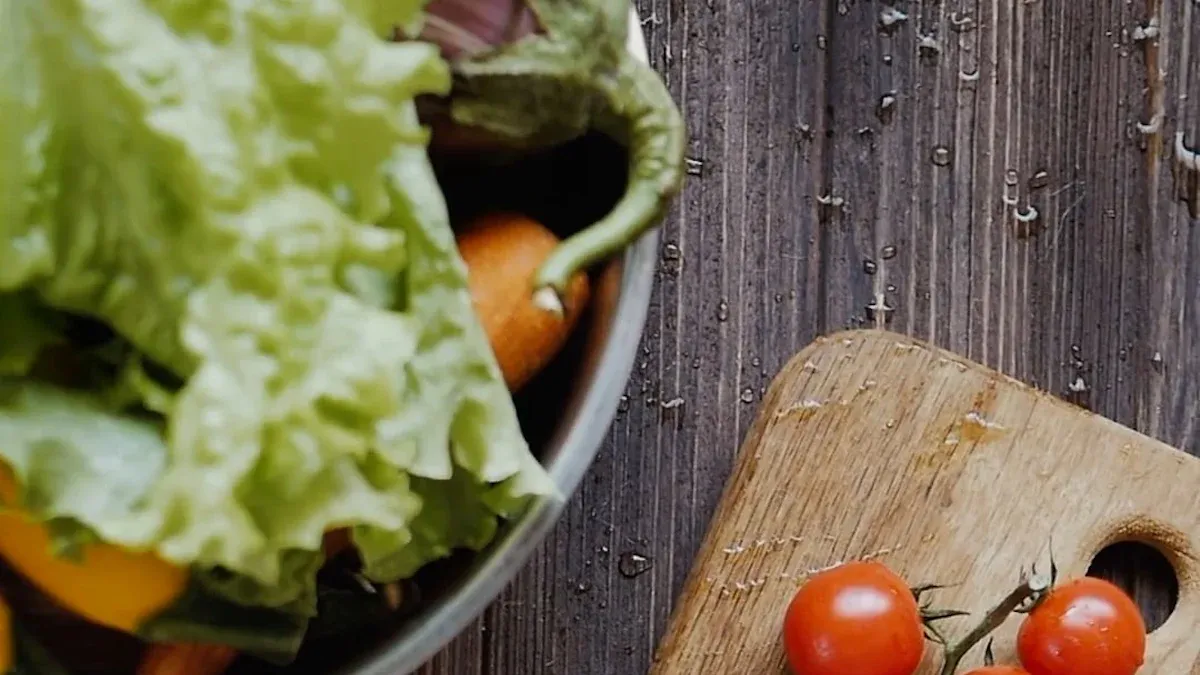
You can make your meals healthier without much effort. Try swapping white bread for whole grain toast at breakfast. Add berries to your yogurt or oatmeal for extra antioxidants. Toss leafy vegetables into salads or sandwiches. Replace chips with roasted chickpeas or nuts for a crunchy snack. When you plan meals, focus on a balanced diet that includes vegetables, legumes, and whole grains. Meal prep helps you stick to your goals and reduces waste. You get more health benefits when you choose foods rich in antioxidants and fiber.
Tip: Planning ahead lets you manage portions and avoid processed foods. You can personalize your meal prep to match your tastes and nutritional needs.
Quick Recipes for Busy Days
Busy days call for simple recipes. You can make a veggie stir-fry with broccoli, kale, and carrots in just ten minutes. Mix cooked quinoa with beans and chopped vegetables for a fast lunch. Try a salmon salad with leafy greens and olive oil for a boost of antioxidants and healthy fats. Use leftovers to create new meals, like turning roasted vegetables into a wrap or adding beans to soup. Choose a few core meals to repeat during the week. This keeps your balanced diet easy and consistent.
Shopping and Prep Tips
Shopping smart makes healthy eating easier. Pick seasonal vegetables and fruits for freshness and savings. Buy whole grains, legumes, and nuts in bulk to save money. Set up a weekly meal planning ritual. Write a list before you shop so you stay focused on foods that support health. Prep vegetables and grains ahead of time. Store them in containers for quick access. Home-cooked meals help you connect with food and promote better health. You build a balanced diet when you use whole food ingredients and share meals with family.
Overcoming Longevity Diet Barriers
Eating Well on a Budget
You might think eating for longevity costs a lot, but you can make smart choices without breaking the bank. Try planning your meals for the week and stick to a shopping list. Buy whole grains, beans, and frozen vegetables in bulk. These foods last longer and give you great value. You can also look for sales on seasonal produce. Cooking at home helps you control what goes into your meals and saves money.
Tip: Batch-cook soups or stews and freeze portions for busy days. This keeps you prepared and supports your health goals.
Family and Picky Eaters
Getting everyone on board with a new way of eating can feel tough. Kids and adults sometimes resist change, especially if they love traditional dishes. You can involve your family in meal planning or let kids help with simple kitchen tasks. Try adding new vegetables to familiar recipes or serve a “build-your-own” salad night. This makes healthy eating fun and gives everyone a choice.
| Common Barrier | Simple Solution |
|---|---|
| Picky eaters in the family | Let them pick a new veggie to try |
| Love for traditional comfort foods | Make a healthier version together |
| Busy schedules | Prep ingredients ahead as a family |
Staying Consistent
Sticking with healthy habits can be hard when life gets busy or stressful. Many people say willpower is a big barrier. You can set small, realistic goals and celebrate your wins. Keep healthy snacks visible and easy to grab. If you slip up, don’t get discouraged—just start fresh at your next meal. Remember, every healthy choice adds up over time.
Note: Your environment matters. Keep your kitchen stocked with foods that support your health, and you’ll find it easier to stay on track.
You can support longevity with simple steps. Try adding one new food, like beans or berries, to your meals. Small changes help you build healthy habits that last. Check out this table for ideas:
| Dietary Pattern | Potential Life Expectancy Increase |
|---|---|
| Nutrient-rich foods | 3 to 13 years |
Start small and watch your health improve as you support longevity.
FAQ
What is the easiest diet change to start with?
You can add one serving of vegetables or fruit to your meals each day. This small step helps you build a healthy habit.
Can I eat out and still support longevity?
You can! Choose grilled fish, salads, or veggie sides. Ask for olive oil dressing. Skip fried foods and sugary drinks when possible.
Do I need to give up all my favorite foods?
No, you do not. You can enjoy treats in moderation. Focus on adding more healthy foods instead of cutting everything out.
See Also
Using Nutrition and Diet to Alleviate Tinnitus Symptoms Effectively
Exploring 5-MTHF Supplements: Evidence-Based Benefits for Wellness
Top 5 Vegan Alternatives to Joint Supplements: A Scientific Review
Understanding Protein’s Role in Managing ADHD: A Starter Guide
Latest Review of 7 Top Vegetarian Alternatives to Glucosamine