


You can boost your well-being as you age by practicing simple stress management habits. Chronic stress affects many older adults and raises risks for memory loss and heart problems.
- Chronic social stress can increase mortality and harm cognitive health.
Research shows stress can speed up telomere shortening, but daily meditation and healthy routines may help slow this process:
| Study | Findings |
|---|---|
| Meditation study | Brief daily meditation improved mental function and increased telomerase activity in caregivers. |
Stress Management and Healthy Aging
Effects of Chronic Stress
You might notice that stress feels different as you get older. Chronic stress can speed up the aging process and make you feel older than you are. Scientists have found that stress can change your body at the cellular level. It can damage DNA, shorten telomeres, and cause cells to age faster. This can lead to early signs of age-related diseases and a higher biological age.
Here’s a quick look at what happens inside your body when stress sticks around:
| Key Findings | Description |
|---|---|
| Biological Aging | Chronic stress is linked to an increased risk of early onset of age-related diseases and an older biological age. |
| Mechanisms | Involves cellular metabolic activity, DNA damage, telomere length, cellular senescence, and inflammatory responses. |
When you feel stressed, your body releases hormones like cortisol. These hormones help in emergencies, but too much for too long can hurt your health. Chronic stress activates your nervous system and the HPA axis. This leads to the release of chemicals that can change how your body works and speed up aging.
- Chronic stress activates the sympathetic nervous system and the HPA axis, leading to the release of catecholamines and glucocorticoids.
- These neuroendocrine responses alter physiological processes that contribute to biological aging.
You may also face a higher risk for diseases like heart problems and dementia. Research shows that people with a history of stress or trauma have a greater chance of brain atrophy and memory loss later in life. Doctors have found that patients with Alzheimer’s disease often have higher levels of stress hormones. This means that stress does not just affect your mood—it can change your brain and body over time.
Note: Some older adults may become more resilient to stress as they age. You might find that you handle stress better now than you did when you were younger. This resilience can help protect your mind and body.
Benefits of Managing Stress
You can take steps to protect yourself from the harmful effects of stress. Stress management is a key part of healthy aging. When you manage stress well, you help your body and mind stay strong.
Let’s see how stress management supports healthy aging:
- Chronic psychological stress is linked to cognitive decline and a higher risk of mild cognitive impairment and dementia.
- Higher perceived stress can lead to worse memory and thinking skills in older adults.
- Elevated stress predicts the onset of memory problems, which can lead to Alzheimer’s disease.
But there’s good news! Simple stress management techniques can make a big difference. Mindfulness, cognitive behavioral therapy, and lifestyle changes have all shown positive results. These approaches can improve your mood, lower stress hormones, and even help your brain work better.
| Intervention Type | Findings |
|---|---|
| Mindfulness | Improvements in stress biomarkers and mood |
| Cognitive Behavioral Therapy (CBT) | Modest cognitive benefits observed |
| Multidomain Lifestyle Programs | Feasibility demonstrated with positive outcomes |
You can also boost your mental health and quality of life by staying active and practicing relaxation. Exercise and relaxation techniques help both your mind and body. They lower your risk for age-related diseases and help you feel better every day.
- Mental health affects your overall health, including how long you live and how well you age.
- Untreated stress can lead to early health problems, but stress management can help you stay healthier for longer.
- Targeted treatments and daily habits can reduce disease risk and help you enjoy life as you age.
If you start with small changes, you can build habits that support healthy aging. Remember, you have the power to shape your future by taking care of your stress today.
Physical Activity for Stress Relief
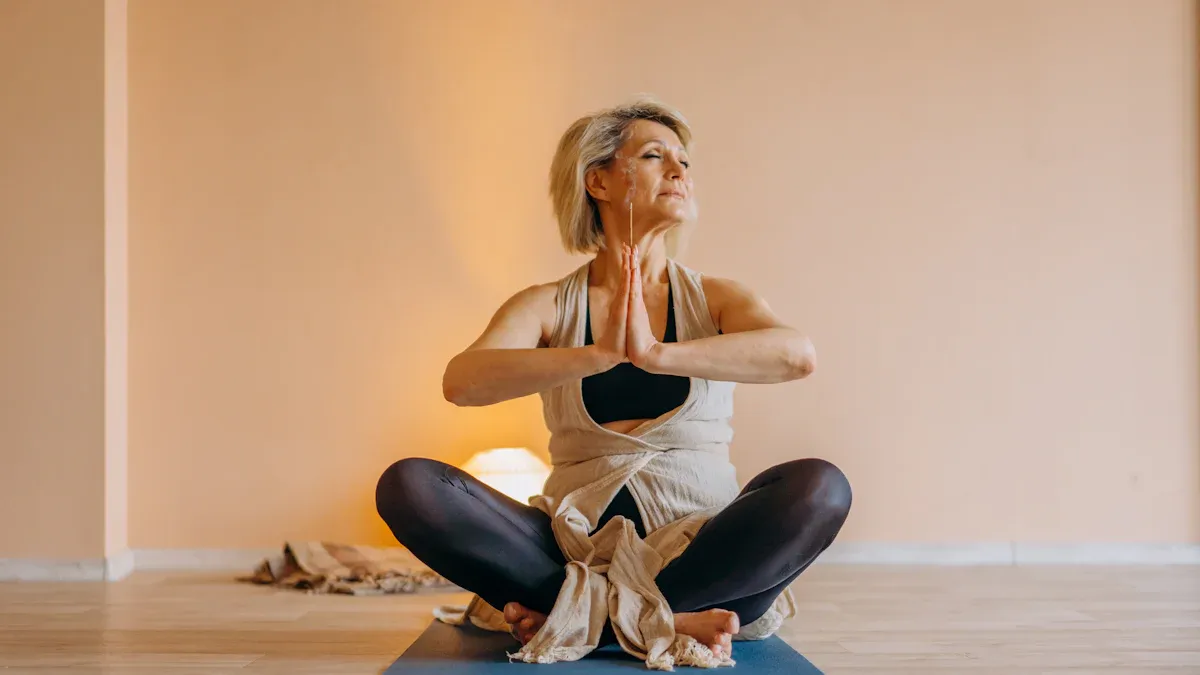
Staying active helps you manage stress and feel better every day. You do not need to run marathons or lift heavy weights. Simple activities like walking, stretching, and yoga can make a big difference for your mind and body.
Walking and Gentle Exercise
Walking is one of the easiest ways to lower stress. You can walk around your neighborhood, at the park, or even inside your home. Gentle exercise helps your body release feel-good chemicals and gives you more energy. Many studies show that walking and other aerobic activities can help reduce stress in older adults.
| Study | Type of Exercise | Findings |
|---|---|---|
| Courneya et al. (2017) | Self-selected aerobic | No significant effect on perceived stress |
| Puterman et al. (2018) | Self-selected aerobic | Significant decreases in perceived stress |
| King et al. (1993) | Walking/jogging (low/high) | Significant differences in stress levels compared to controls |
Experts recommend that you exercise at least three times a week. The World Health Organization suggests aiming for 150 minutes of moderate activity each week. You can break this into short sessions, like 10 minutes at a time. This routine helps you feel less stressed and keeps your body strong.
Tip: Try walking with a friend or listening to music. It can make exercise more fun and help you stick with it.
Stretching and Yoga
Stretching and yoga offer gentle ways to relax your muscles and calm your mind. These activities improve flexibility, balance, and even your mood. Research shows that regular yoga practice can change brain areas linked to memory and thinking.
| Study Focus | Findings |
|---|---|
| Neurological Benefits | Regular yoga practice is linked to changes in brain areas for cognition. |
| Acceptability | High acceptability among older adults, with different levels available. |
Stretching also helps your blood vessels work better and lowers stiffness. A four-week stretching program can improve blood flow and reduce stress.
| Study Focus | Findings |
|---|---|
| Vascular Function | Stretching improves blood vessel dilation and reduces arterial stiffness. |
| Stress Reduction | Yoga stretching for women aged 60+ lowered cortisol and improved immune function. |
| Physical Function | Regular stretching helps flexibility, balance, and lowers fall risk. |
Yoga and stretching do more than help your body. They also boost your mood and quality of life.
| Study Focus | Findings |
|---|---|
| Mental Health | Yoga practice reduces anxiety and depression in older adults. |
| Physical Mobility | Yoga improves spinal mobility and strength in women aged 50-79. |
| Quality of Life | Yoga leads to better health-related quality of life and mental well-being. |
You do not need to be an expert to start. Many classes offer beginner options. You can even find videos online to guide you at home.
Nutrition for Healthy Aging
Balanced Meals
You can support your body and mind by choosing balanced meals every day. Eating well helps you feel more energetic and keeps your brain sharp. Here are some simple tips for building healthy meals:
- Pick nutrient-dense foods like fruits, vegetables, lean proteins, and whole grains. These foods give you energy and support brain function.
- Add more calcium and vitamin D to your diet. Try dairy, leafy greens, and spend a little time in the sun.
- Drink water often to stay hydrated. This helps your joints and keeps you from feeling tired.
- Limit processed foods. These can raise your risk for heart disease and memory problems.
- Include omega-3 fatty acids from fish or walnuts. These support your heart and brain.
- Try to eat 5 to 6.5 ounces of protein each day. Many older adults do not get enough.
- Make sure you get enough vitamin D and calcium for strong bones.
- Choose foods with vitamin B12, or ask your doctor about supplements.
You do not need to count every calorie, but make each one count by picking foods rich in vitamins and minerals.
Foods That Reduce Stress
Some foods can help your body handle stress better. They lower stress hormones and fight inflammation. You can add these foods to your meals for extra support:
| Food | Benefits |
|---|---|
| Fatty fish | Lowers stress hormones like cortisol and adrenaline. |
| Dark leafy greens | High in magnesium, which helps you feel calm. |
| Probiotic-rich foods | Supports gut health and the gut-brain connection. |
| Berries, citrus fruits | Packed with vitamin C to lower cortisol. |
| Cacao | Boosts mood and reduces stress. |
| Whole grains | Keeps blood sugar steady and boosts serotonin. |
| Herbal teas | Chamomile and green tea help you relax. |
| Avocados, olive oil | Healthy fats that protect your body from stress. |
| Nuts and seeds | Full of magnesium, vitamin E, and zinc to fight stress. |
You can mix and match these foods in your meals. Small changes can help older adults feel less stressed and more in control.
Sleep and Stress Management
Getting good sleep helps you handle stress and keeps your mind sharp. Many older adults find that sleep changes as they age. You might wake up more often or have trouble falling asleep. A few simple habits can help you rest better and feel less stressed.
Bedtime Routine
A relaxing bedtime routine can make it easier to fall asleep. Try to go to bed and wake up at the same time every day. This helps your body know when it is time to rest. You can also:
- Turn off bright lights and screens at least 30 minutes before bed.
- Read a book or listen to calming music.
- Take a warm bath or shower.
- Practice gentle stretches or deep breathing.
Tip: Keep your bedroom cool, quiet, and dark. A comfortable space helps your body relax and get ready for sleep.
Experts say that small changes in your environment and habits can improve sleep. Cognitive-behavioral therapy for insomnia and other lifestyle changes work well for many older adults. These steps help you fall asleep faster and stay asleep longer.
Improving Sleep Quality
Better sleep does more than help you feel rested. It also helps you manage stress and keep your brain healthy. Studies show that:
- Good sleep boosts memory and helps your mind stay sharp.
- Quality sleep helps you control your emotions and handle stress.
- Treating sleep problems can slow down memory loss and support brain health.
You can build resilience by getting enough sleep and staying connected with family and friends. Social support makes it easier to cope with stress and sleep well. When you sleep better, you feel stronger and more ready to face each day.
Social Connections
Staying connected with others can help you feel happier and less stressed as you age. You do not have to be the life of the party. Even small moments with people you care about can make a big difference.
Family and Friends
Your relationships with family and friends shape your daily life. When you lean on family for support, you often feel better and more secure. But having a mix of family and friends gives you the best boost for your mental health. If you have positive family ties, you may feel encouraged to reach out and build new friendships. Friends can offer comfort, laughter, and a fresh perspective. You might notice that when family relationships feel calm and supportive, you feel more open to connecting with others.
- Social connection is crucial for health throughout life.
- Lack of social connection is linked to premature mortality, similar to major health indicators.
- Social connections can lower inflammation and reduce serious health risks.
- Greater reliance on family support is linked to improved well-being in older adults, but a balance of family and friends is more beneficial for psychological health.
You can build resilience by keeping both family and friends close. Try calling a loved one, sharing a meal, or joining a group chat. These small steps help you feel less alone.
Community Activities
Getting involved in your community brings new energy and purpose. You can join a gardening club, take part in a town picnic, or volunteer at a local event. These activities give you a chance to meet new people and try new things. Exercise groups like yoga or tai chi help you stay active while making friends. Cultural outings, such as museum tours or art classes, keep your mind sharp and spark new interests.
- Community events such as town picnics and holiday markets provide structured opportunities for social interaction.
- Social clubs focused on interests like gardening or arts and crafts foster a sense of belonging and purpose.
- Exercise and wellness groups, including yoga and tai chi, promote physical health while encouraging social engagement.
- Volunteering opportunities give seniors a sense of purpose and help reduce stress through community contribution.
You do not have to do everything at once. Pick one activity that sounds fun and give it a try. You might discover a new passion or make a lifelong friend. For older adults, these connections can lower stress and improve health in lasting ways.
Relaxation Techniques
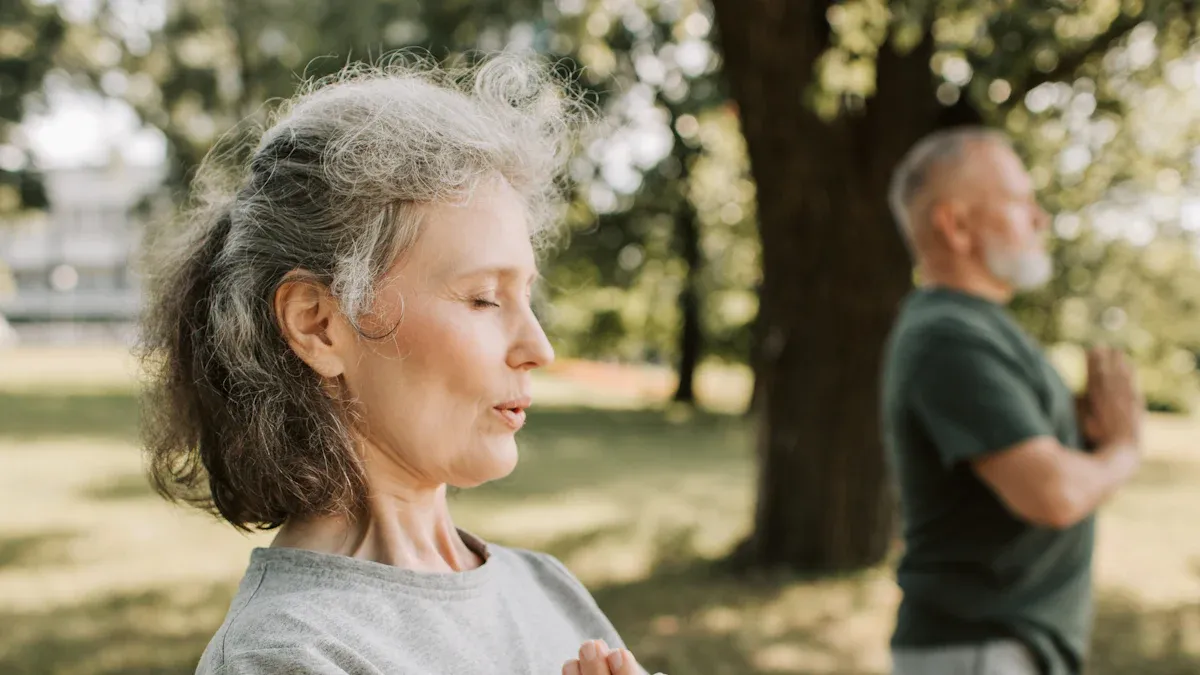
Taking time to relax can help you feel calmer and more in control. You do not need fancy equipment or a lot of time. Two simple techniques—deep breathing and meditation—can lower stress and boost your well-being.
Deep Breathing
Deep breathing is easy to learn and can help you relax almost anywhere. When you take slow, deep breaths, your body starts to calm down. You might notice your heart rate slows and your muscles feel less tense.
- Studies show that deep breathing can help people pay better attention and feel less anxious.
- In one study, people who practiced deep breathing had lower levels of the stress hormone cortisol.
- Another study found that deep breathing helped older adults even more than younger adults. It increased a measure called high-frequency power, which means your body is relaxing. It also lowered feelings of anxiety.
Tip: Try this simple exercise. Breathe in slowly through your nose for four seconds. Hold your breath for four seconds. Breathe out through your mouth for four seconds. Repeat a few times and notice how you feel.
Meditation
Meditation is another great way to manage stress. You do not need to sit for hours. Even a few minutes can help. Meditation teaches you to focus on the present moment and let go of worries.
- Regular meditation can lower stress, anxiety, and depression in older adults.
- It may help keep your brain healthy and protect against memory loss.
- Some studies show that meditation helps control cortisol, the main stress hormone.
- Meditation can also boost attention and memory, making it easier to stay sharp as you age.
You can try guided meditations, listen to calming music, or just sit quietly and focus on your breath. With practice, you may notice you feel calmer and more balanced each day.
Daily Stress Management Habits
Building daily habits can make stress management feel easier and more natural. You do not need to change everything at once. Start with small steps and watch how your mental health improves over time.
Setting Goals
Setting clear goals helps you stay focused and motivated. When you know what you want to achieve, you can track your progress and celebrate your wins. Here are some ideas to include in your daily plan:
- Visit a counselor to talk about your concerns.
- Heal relationships by offering forgiveness or having honest conversations.
- Pursue spirituality or mindfulness to find purpose.
- Repeat a positive affirmation each morning.
- Manage your finances with a simple budget.
- Say ‘no’ to extra commitments when you feel overwhelmed.
- Ask for help from family or friends.
- Prepare for the next day by organizing your tasks.
- Get enough sleep—aim for eight hours each night.
- Plan for events ahead of time.
- Volunteer or join a community group.
- Arrive early to events to avoid rushing.
Programs like O’stress show that setting specific goals can help older adults cope better and lower anxiety. These programs also reduce stress hormones, which supports your mental health.
Tracking Progress
Tracking your progress keeps you motivated. You can use a notebook or an app to write down your daily habits. Notice how you feel after practicing stress management techniques. Many people find that tracking helps them see improvements and spot areas to grow.
- Tracking mindfulness practices helps you stay on track and boosts your mental health.
- Regular habits like meditation or deep breathing can improve emotional balance and reduce anxiety.
Research shows that structured stress management programs, such as yoga and mindfulness, help older adults build resilience and improve everyday life. When you track your progress, you make it easier to stick with healthy habits and enjoy the benefits for years to come.
You can age well by practicing stress management every day. Try one or two new habits, like walking or deep breathing. Older adults who stay positive and track progress see better health and happiness. Caregivers and friends help, too. Remember, small steps bring big rewards for older adults.
FAQ
How can older adults start managing stress today?
You can begin with a short walk, deep breathing, or calling a friend. Small steps help you feel better. Older adults often see quick improvements with daily habits.
What is the best stress management tip for older adults?
Try deep breathing or meditation. These techniques calm your mind and body. You can practice them anywhere. Many older adults find these methods easy and effective.
Can stress management improve sleep?
Yes! Relaxation techniques like meditation or gentle stretching help you fall asleep faster. You wake up feeling refreshed. Good sleep lowers stress and boosts your mood.
See Also
Exploring 5-MTHF: Key Benefits for Modern Health
Managing Tinnitus: The Role of Diet and Nutrition
Vitamin B12 for Tinnitus: A Comprehensive Patient Guide