

You need minerals every day to keep your body strong and healthy. These micronutrients help your bones stay dense and your muscles work well. Minerals also support hydration and give you the energy you need to stay active. When your body does not get enough micronutrients, your health can suffer. For example, low levels of calcium, magnesium, and potassium may weaken your bones and muscles. Iron and magnesium help your body use oxygen and improve endurance. Learning about the Role of Minerals lets you make better choices for your health. You can see how these micronutrients support almost every part of your body.
Role of Minerals in the Body
Minerals play a vital role in your body. You need them for strong bones, healthy teeth, muscle movement, nerve signals, hydration, and a strong immune system. The role of minerals goes beyond just building your body’s structure. They help your body work well every day and protect your health.
Building Bones and Teeth
You rely on minerals to build and keep healthy bones and teeth. Calcium and phosphorus form the main structure of bones and teeth. These minerals give your bones strength and help your teeth stay hard and resistant to damage. Iron also supports bone health by helping your blood carry oxygen to bone tissue. The role of minerals in bone and dental health starts early in life and continues as you age.
Note: You reach your highest bone strength in your first two or three decades. Keeping enough minerals in your diet helps you keep healthy bones and teeth as you get older.
Here is how minerals support your bones and teeth:
- Minerals are essential parts of bones and teeth, making up their structure.
- Calcium is used to form bones and teeth.
- Iron helps make haemoglobin in your blood, which brings oxygen to your bones.
- Minerals act as enzyme helpers and support nerve signals that keep bones healthy.
| Evidence Description | Key Points |
|---|---|
| Calcium phosphate is fundamental for the formation of bone and teeth | Essential for achieving optimal peak bone mass in the first 2–3 decades of life and for maintenance in later life. |
| Mineral concentration affects bone matrix elasticity | Higher mineral content increases the elastic modulus, providing rigidity to tissues. |
| Mineralization is a lifelong process | Involves the precipitation of inorganic substances onto an organic matrix, crucial for forming hard connective tissues like bone and dentin. |
You need calcium, phosphorus, potassium, and iron for healthy bones and teeth. These minerals work together to keep your bones strong and your teeth healthy.
Regulating Muscle and Nerve Function
The role of minerals in your body includes helping your muscles contract and your nerves send signals. Calcium, magnesium, and potassium are key for muscle movement and nerve health. These minerals help your muscles move smoothly and your nerves send messages quickly. Iron also supports muscle function by carrying oxygen in your blood.
- Magnesium keeps your nerve cells working and helps your muscles relax.
- Potassium controls how your nerves fire and helps your muscles move.
- Calcium helps your nerves send signals and supports memory and learning.
- Iron is important for making haemoglobin, which brings oxygen to your muscles and nerves.
| Mineral | Function in Muscle/Nerve | Consequences of Deficiency |
|---|---|---|
| Manganese | Bone mineralization, immunity, antioxidant functions | Rare deficiency; high exposure can lead to manganism with psychiatric symptoms and movement abnormalities. |
| Iodine | Synthesis of thyroid hormones | Deficiency can cause intellectual disability, cognitive impairment, and severe conditions like cretinism. |
| Calcium | Signal transduction, muscle contraction | Acute deficiency can lead to neuromuscular hyperexcitability, seizures, and altered mental status. |
You need these minerals to keep your muscles and nerves working well. Without enough, you may feel weak, tired, or have trouble moving.
Supporting Hydration and Fluid Balance
Minerals help your body stay hydrated and keep the right amount of water in your cells. Sodium, potassium, and chloride are the main minerals that control fluid balance. These minerals act as electrolytes, which means they carry an electric charge in your blood and body fluids. They help move water in and out of your cells and keep your blood pressure steady.
- Sodium, potassium, and chloride regulate water balance in your body.
- Electrolytes split into charged ions in water, which helps keep fluid balance.
- The movement of these minerals across cell walls controls where water goes in your body.
If you do not get enough of these minerals, your body can lose too much water or hold on to too much, which can affect your health and blood pressure.
Boosting Immunity and Healing
The role of minerals in your body also includes protecting you from illness and helping you heal. Zinc and copper are important for your immune system and for repairing wounds. Iron helps your blood carry oxygen to tissues that need to heal. These minerals support the production of hormones and enzymes that fight infection and help your body recover.
| Mineral | Role in Immune System and Wound Healing |
|---|---|
| Zinc | Regulates enzymes involved in tissue repair, growth, and immune function; acts as an antioxidant; essential for collagen, DNA, RNA, and protein synthesis, and cellular proliferation. Deficiency linked to chronic wounds. |
| Copper | Modulates cytokines and growth factors during all stages of wound healing; low intake can be improved with supplementation. |
You need enough minerals to keep your immune system strong and to heal quickly from injuries. The role of minerals in blood health is also important, as iron helps make haemoglobin, which carries oxygen to your cells.
Tip: Eating a variety of foods helps you get all the minerals you need for strong bones, healthy teeth, muscle movement, hydration, and a strong immune system.
The role of minerals in your body covers many areas. They build and protect your bones and teeth, help your muscles and nerves work, keep your body hydrated, and support your health every day.
Function of Minerals in Daily Processes
Enzyme Activation and Metabolism
You depend on minerals every day to keep your body running smoothly. One important function of minerals is to help enzymes work. Enzymes are special proteins that speed up chemical reactions in your body. Without the right minerals, these enzymes cannot do their jobs. You need minerals to help build strong bones and teeth, keep your blood sugar steady, and balance fluids in your body. Some minerals, like zinc, can change between different forms. This ability helps them take part in many reactions.
Minerals act as helpers, or cofactors, for hundreds of enzymes. For example, zinc supports over 300 enzymes. These enzymes help with bone health, protect your cells, and keep your metabolism working. When you get enough minerals, your cells and tissues stay healthy.
- Minerals act as cofactors for enzymes and metabolic reactions.
- They help build bones and teeth, regulate blood glucose, and control fluid balance.
- Minerals can change forms, which is important for many reactions.
- You need enough minerals for hundreds of cellular processes that keep your metabolism healthy.
- Zinc is needed by over 300 enzymes and helps with bone health and antioxidant defense.
Many metabolic pathways in your body need minerals to work. Here is a table showing some important minerals and their roles:
| Mineral | Role in Metabolic Pathways |
|---|---|
| Magnesium | Needed for DNA repair, protein synthesis, signal transduction, glucose uptake, ATP production, and bone formation. |
| Phosphorus | Essential for ATP biosynthesis, nucleic acids, phospholipids, and protein activation; helps with energy transfer. |
| Manganese | Needed for making glucose, protein and fat metabolism, and antioxidant functions. |
| Molybdenum | Acts as a cofactor in oxidase enzymes and detoxification reactions. |
| Selenium | Changes enzyme activity by joining proteins; important for redox enzymes. |
You need these minerals to keep your metabolism and enzymes working well. If you do not get enough, your body cannot use food for energy or repair itself.
Energy Production and Release
Your body needs energy to move, think, and grow. The function of minerals includes helping your body turn food into energy. Enzymes that release energy from food need minerals to work. Magnesium, copper, iron, and phosphorus all play a part in this process.
| Mineral | Role in Energy Production |
|---|---|
| Magnesium | Activates many enzymes involved in energy production. |
| Copper | Needed for carbohydrate metabolism and energy release. |
| Iron | Helps enzymes that make energy and support metabolism. |
| Phosphorus | Plays a role in energy metabolism and turning protein into energy. |
If you do not get enough minerals, your body cannot make energy from food. This can make you feel tired and weak. Early-life deficiencies in minerals can change how your body uses glucose for energy. These changes may last a long time and can lead to health problems. Zinc, magnesium, and vitamin D deficiencies can change how your body uses glucose. This may raise your risk for insulin resistance and type 2 diabetes. When children do not get enough minerals, they may grow more slowly and have trouble using energy.
- Early-life mineral deficiencies can change glucose metabolism.
- These changes may increase the risk of metabolic diseases.
- Zinc, magnesium, and vitamin D deficiencies can lead to insulin resistance.
- Children with multiple deficiencies may have stunted growth and poor energy use.
You need the right minerals to keep your energy levels up and support your health.
Acid-Base and pH Balance
Your body must keep a healthy balance between acids and bases. This balance is called pH. The function of minerals includes helping your body control pH and keep it in a safe range. Magnesium, potassium, calcium, and sodium are important for this job. These minerals act as buffers. They neutralize acids made during metabolism and help keep your body fluids balanced.
- Taking alkaline minerals for a long time can raise your urine pH.
- Your body uses minerals to neutralize acids and keep pH steady.
- Acidic conditions can use up your mineral stores.
- Chronic diseases can develop in acidic environments, so keeping pH balanced is important.
| Role of Minerals | Description |
|---|---|
| pH Buffers | Trace minerals act as buffers, neutralizing acids produced during metabolism. |
| Essential Nutrients | Magnesium, potassium, calcium, and sodium help maintain optimal pH levels. |
| Electrolyte Function | Sodium and potassium are crucial for fluid balance and pH regulation. |
If your diet makes your body too acidic, your kidneys may use up alkaline minerals to fix the balance. This can lower your stores of calcium and magnesium. Over time, you may have thinner bones, weaker muscles, and a higher risk of chronic diseases. Chronic acidosis can also lead to fatigue, skin problems, kidney stones, and changes in how your genes work.
You need minerals every day to keep your pH balanced and protect your health.
Essential Minerals and Their Types
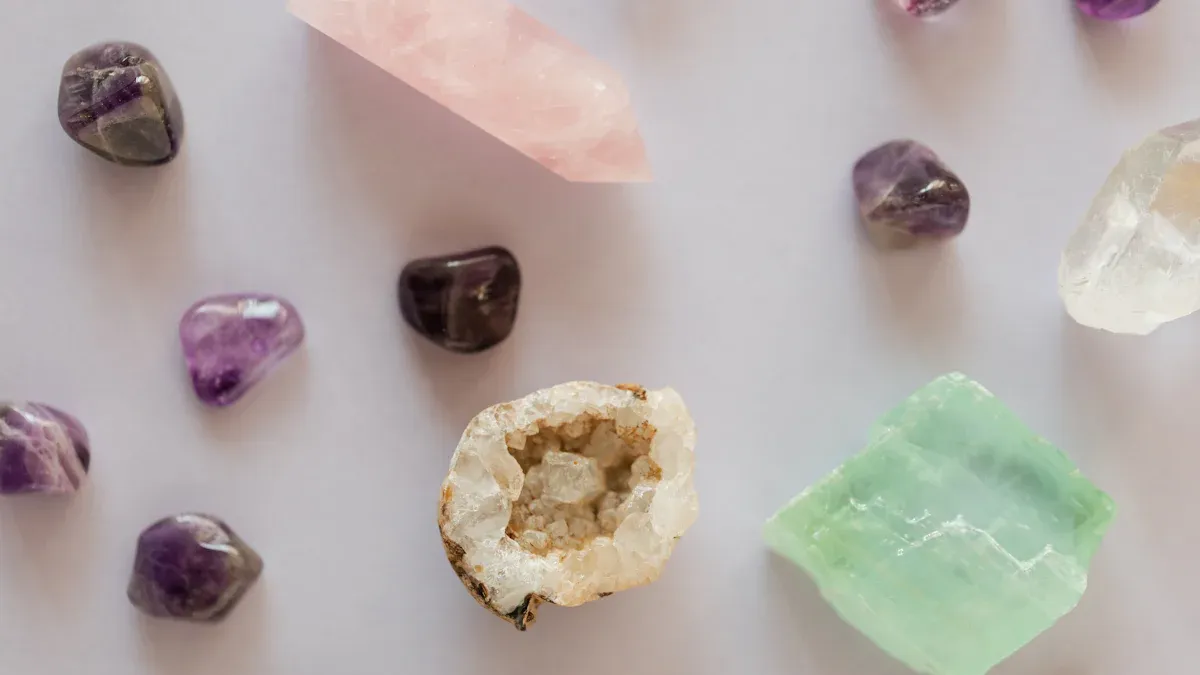
Macrominerals Overview
You need macrominerals in larger amounts to keep your body healthy. These minerals help you build strong bones and teeth, move your muscles, and keep your heart beating. You find macrominerals in many foods, and they give your meals important nutritional value. Here is a table that shows the main macrominerals and what they do for you:
| Macromineral | Primary Functions |
|---|---|
| Calcium | Builds bones and teeth, helps cells send signals, stores calcium for times when your diet is low |
| Phosphorus | Forms part of bones, teeth, cell membranes, and energy molecules like ATP |
| Magnesium | Makes energy, builds proteins, supports cell membranes and chromosomes |
| Sodium | Keeps blood volume and pressure steady, acts as an electrolyte |
| Potassium | Helps enzymes, muscles, and nerves work well |
| Sulfur | Makes up parts of proteins in your body |
You need these minerals every day to keep your bones and teeth strong and your body working well.
Trace Minerals Overview
Your body needs trace minerals in smaller amounts, but they are just as important for your health. These minerals help you fight off sickness, heal wounds, and keep your metabolism running. You find trace minerals in foods like nuts, seafood, and whole grains. Here are some key trace minerals and their roles:
- Iron helps your blood carry oxygen.
- Zinc supports your immune system and helps wounds heal.
- Copper lets your body use iron and protects your cells.
- Selenium acts as an antioxidant and helps you age in a healthy way.
- Iodine makes thyroid hormones that control your metabolism.
- Manganese helps enzymes work in your metabolism.
- Molybdenum breaks down proteins and toxins.
- Chromium helps your body use glucose.
- Cobalt forms part of vitamin B12 and helps make red blood cells.
- Boron supports bone health.
- Vanadyl sulfate helps with metabolism.
You need trace minerals to keep your body strong and healthy.
Key Roles of Each Mineral
Each mineral has a special job in your body. You need calcium for strong bones and teeth. Magnesium helps your body make energy and keeps your blood pressure normal. Iron moves oxygen in your blood. Zinc helps your immune system and helps you heal. Potassium keeps your fluids balanced and helps your nerves send signals. Phosphorus builds bones and teeth and helps make energy. Copper helps your body use iron and protects your cells. Selenium acts as an antioxidant and supports healthy aging. Iodine helps your thyroid work and keeps your metabolism steady.
| Mineral | Key Role |
|---|---|
| Iron | Moves oxygen in your blood |
| Zinc | Supports immunity and healing |
| Calcium | Strengthens bones and teeth, helps muscles move |
| Magnesium | Activates enzymes for energy, controls blood pressure |
| Potassium | Balances fluids, helps nerves send signals |
Tip: Eating a variety of foods helps you get all the minerals you need, including trace minerals like selenium, copper, and iodine.
Mineral Absorption and Balance
How the Body Absorbs Minerals
Your body absorbs minerals mainly in the small intestine. When you eat food or take supplements, minerals break down and move through your digestive system. Probiotics, which are helpful bacteria in your gut, can boost the absorption of important minerals like calcium, zinc, and magnesium. A healthy gut helps you get more minerals from your meals. Each person has a unique mix of gut bacteria, so mineral absorption can be different for everyone. If you keep your gut healthy, you can improve how well your body takes in minerals and supports your overall health.
Factors Affecting Mineral Uptake
Intestinal bacteria significantly influence the bioavailability of minerals. For instance, the presence of Lactobacillus spp. in cheese enhances the bioavailability of magnesium (Mg) by approximately 18%. Additionally, fermented products like goats’ milk with Lactobacillus plantarum also improve Mg absorption. Furthermore, fermentation processes in soy milk reduce phytic acid content, which in turn increases the bioavailability of Mg and other minerals.
Many things can change how well you absorb minerals. The type of food you eat matters. Fermented foods, like yogurt and cheese, often help your body take in more minerals. Cooking methods and the presence of other nutrients can also make a difference. If you eat a lot of fiber or foods with phytic acid, your body may not absorb as many minerals. Eating a variety of foods and including some fermented products can help you get the minerals you need.
Storage and Regulation
Your body keeps minerals in balance by controlling how much you absorb, store, and remove. For example, you absorb iron in your intestines using special transporters. Your kidneys help control minerals like selenium and iodine by removing extra amounts through urine. This careful system stops you from having too little or too much of any mineral. It helps you stay healthy and keeps your body working well every day.
Tip: Drink enough water and eat a balanced diet to support mineral absorption and balance.
Meeting Daily Mineral Needs
Getting Minerals from Food
You can meet your daily mineral intake by choosing a variety of foods. Many foods provide minerals that help your body stay healthy. Some of the most mineral-rich foods include organ meats, seafood, dairy products, whole grains, dark chocolate, leafy greens, legumes, Brazil nuts, pine nuts, yogurt, brewer’s yeast, shellfish, eggs, nuts, black pepper, almonds, sardines, chicken, seaweed, coconut water, avocados, celery, and pineapple. Each food offers unique nutrients that support your bones, muscles, and immune system. For example, calcium from dairy products strengthens bones, magnesium from leafy greens supports your nerves, and selenium from Brazil nuts helps reduce inflammation. Eating a wide range of these foods helps you get the minerals you need for good health.
Avoiding Deficiency and Excess
You need to watch for signs of mineral deficiency and avoid getting too much. If you do not get enough minerals, you may feel weak, tired, or have muscle cramps. Some common symptoms include anemia, brain swelling, cataracts, diabetes, heart damage, kidney failure, and a weakened immune system. You may also notice muscle cramping, trouble concentrating, or changes in your skin and nails. Getting too much of certain minerals can also cause problems. Health experts use guidelines to help you know how much to eat. The table below shows the main dietary reference values:
| Dietary Reference Value | Description |
|---|---|
| Recommended Dietary Allowance (RDA) | Average daily intake sufficient for 97-98% of healthy individuals. |
| Adequate Intake (AI) | Assumed intake level to ensure nutritional adequacy when RDA cannot be determined. |
| Estimated Average Requirement (EAR) | Average intake to meet the needs of 50% of healthy individuals. |
| Tolerable Upper Intake Level (UL) | Maximum daily intake unlikely to cause adverse health effects. |
You should aim for the recommended amounts to avoid mineral deficiency and keep your nutrient intake balanced.
Tips for a Balanced Intake
You can use simple strategies to keep your minerals in balance. Try adding mineral-rich ingredients like sea salt, seaweed, or broths to your meals. Pair mineral supplements with daily routines, such as your morning coffee or workout, to help you remember. Take minerals with food or water to make them part of your day. Focus on whole foods as your main source, and use supplements only if you need extra support. You can also mix liquid or powdered mineral supplements into water or smoothies for easy use.
Tip: Eating a variety of foods and following daily guidelines helps you avoid mineral deficiency and supports your body’s health.
You need minerals every day to support your body’s growth, energy, and immune system. Minerals help your body make enzymes and hormones, keep your bones and teeth strong, and move oxygen in your blood. You can follow these steps to keep your mineral levels healthy:
- Eat a variety of foods from all food groups.
- Check your mineral intake and talk to a healthcare provider before using supplements.
| Health Outcome | Findings |
|---|---|
| Cognitive Benefits | Supplements may improve brain function. |
| Infection | Supplements can help reduce infections. |
| Blood Pressure | Some supplements lower blood pressure. |
Paying attention to your mineral intake helps you protect your health every day.
FAQ
What are the most important minerals for your body?
You need calcium, magnesium, potassium, iron, and zinc. These minerals help your bones, muscles, nerves, and immune system. You get them from foods like dairy, leafy greens, nuts, and meats.
How can you tell if you have a mineral deficiency?
You may feel tired, weak, or get muscle cramps. Your skin or nails might change. If you notice these signs, talk to a healthcare provider. They can check your mineral levels.
Can you get all your minerals from food?
Yes, you can get most minerals from a balanced diet. Eat a variety of fruits, vegetables, whole grains, nuts, and lean meats. Supplements are only needed if your doctor recommends them.
Do you need to take mineral supplements every day?
Most people do not need daily mineral supplements. You should focus on eating healthy foods. Only take supplements if your doctor says you need them.
See Also
Understanding Triple Action Magnesium: Benefits and Daily Use
Exploring Meta Magnesium: Types, Benefits, and Health Insights
A Beginner’s Guide to Magnesium Supplements for Success
Copper in Nutrition: Importance, Functions, and Supplement Tips
Calcium Explained: Benefits and Choosing the Best Supplement