

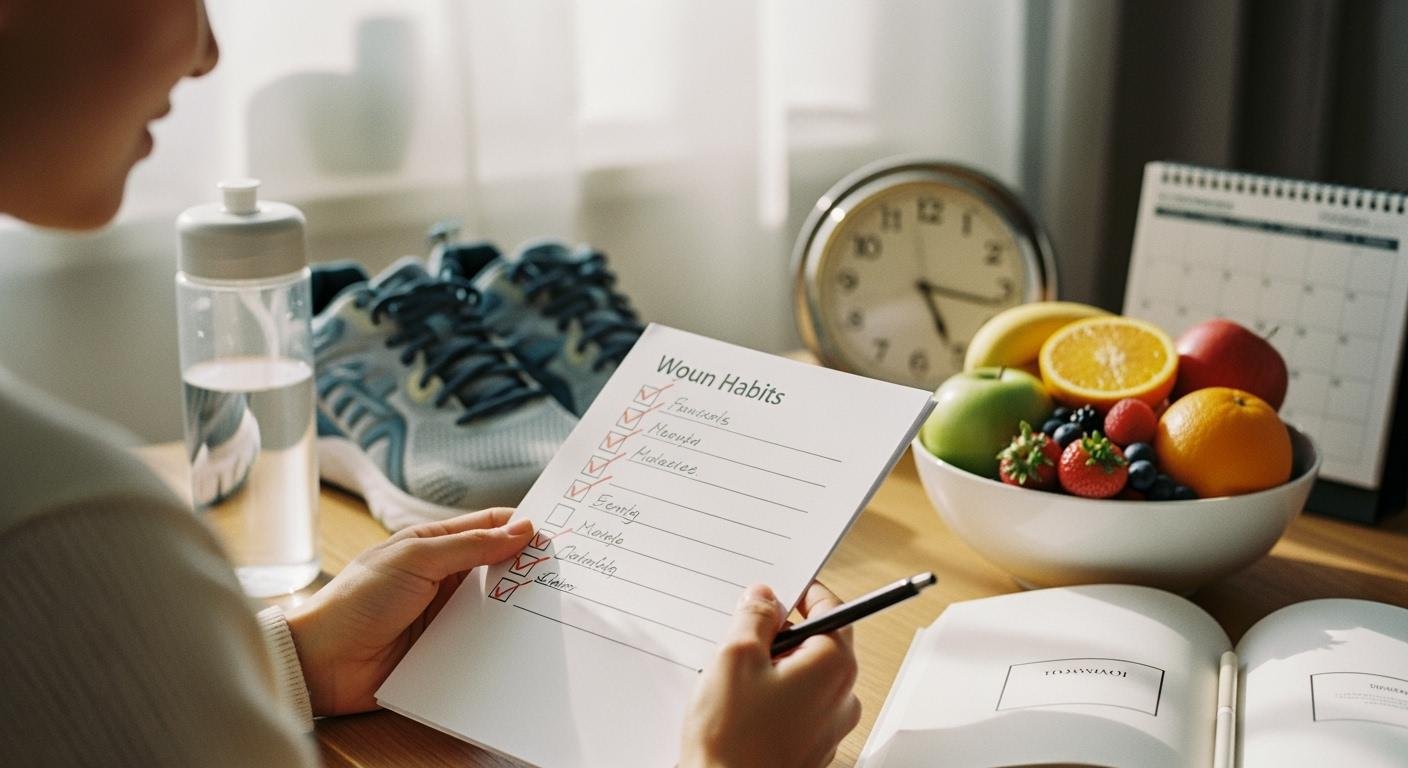
You can return to healthy routines, no matter how long your break lasted. Everyone faces times when life gets busy or routines get disrupted. Maybe holidays, unexpected events, or changes like the pandemic made it tough to keep up with healthy habits. These shifts often affect sleep, eating, and exercise. You do not need to feel guilty. Instead, focus on planning your next steps with a positive mindset. Progress matters more than perfection.
Plan Your Return to Healthy Routines
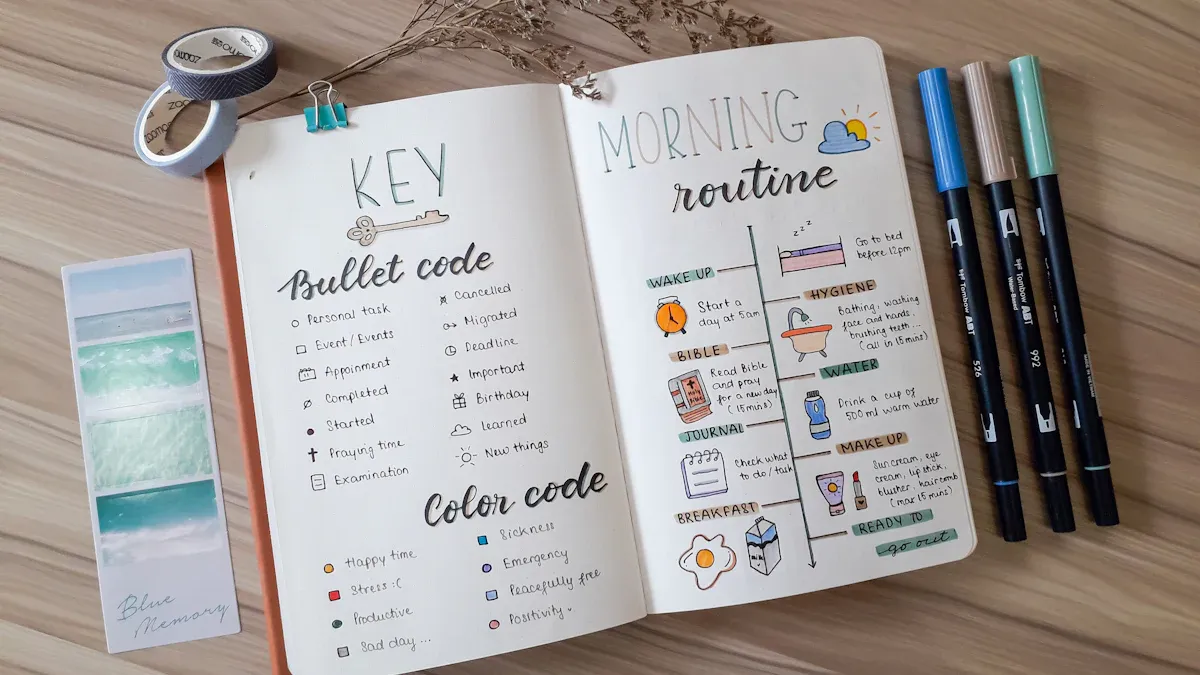
Getting back on track starts with a plan. When you plan ahead, you make it easier to return to healthy routines and avoid feeling lost or overwhelmed. Planning helps you set clear expectations for yourself and gives you a sense of control. You can use this time to check in with your emotions and mindset. Are you feeling excited, nervous, or maybe a bit unsure? That’s normal. Being aware of your feelings helps you set realistic goals and stay motivated.
Tip: Planning ahead can reduce stress and make healthy choices feel automatic. You don’t have to make every decision on the spot.
Here’s a quick look at why planning works:
| Key Finding | Explanation |
|---|---|
| Consistent Repetition | Doing something regularly helps you build habits. Missing a day won’t ruin your progress. |
| Reducing Decision Fatigue | Having a routine means you make fewer choices, so it’s easier to stick with healthy habits. |
| Importance of Realistic Planning | Making plans that fit your life helps you keep going, even when things get busy. |
A daily routine can boost your mood and help you feel more productive. When you have structure, you feel more stable, even if life gets unpredictable. Setting goals that match your real life can keep you from feeling stressed and help you stick with your plan.
Assess Your Current Needs
Before you jump back in, take a moment to see where you stand. Ask yourself what you need most right now. Maybe you want to focus on sleep, eating better, or getting more movement. You can use simple tools to help you figure this out. For example, you might try a self-check quiz or write down your thoughts in a journal. Some people like to use apps or questionnaires to see how ready they feel to make changes.
Here are some ways you can assess your needs:
- Talk with friends or family about what’s working and what’s not.
- Write down what makes you feel stressed or tired.
- Think about what helps you feel your best.
- Try a self-assessment tool, like a readiness scale or a simple checklist.
- Make this a regular habit, not just a one-time thing.
You can also use tools like the URICA scale or the General Self-Efficacy Scale to see how ready you are to return to fitness or healthy routines. These tools help you understand your motivation and confidence. When you know what you need, you can focus on the most important changes first.
| Tool/Assessment | Description |
|---|---|
| URICA | A survey that helps you see what stage you’re in for making changes. |
| General Self-Efficacy Scale | A short quiz to check how much you believe in your ability to make changes. |
| S-Weight and P-Weight | Questionnaires that focus on healthy eating and physical activity. |
| Quenza Software | An app that helps you track your readiness and supports your journey. |
Set Simple, Achievable Goals
Big changes can feel scary. Instead, start with small, clear goals. When you set simple goals, you make it easier to stick with your plan and see progress. For example, you might decide to walk for 10 minutes after dinner or add one extra serving of vegetables to your lunch. These small steps add up over time.
Here’s how you can set goals that work:
- Specific: Pick one thing to focus on, like drinking more water.
- Measurable: Decide how you’ll know you’ve done it, such as “drink 6 cups a day.”
- Achievable: Make sure your goal fits your life right now.
- Realistic: Be honest about what you can handle.
- Time-bound: Give yourself a deadline, like “by the end of the week.”
You can also try these ideas:
- Choose one new habit each week, like stretching in the morning.
- Commit to walking three times a week.
- Swap out one sugary drink for water each day.
Studies show that setting small goals helps people stick with healthy routines. When you reach a goal, you feel proud and want to keep going. This builds your confidence and helps you return to healthy routines for the long run.
Stock Up on Healthy Staples
Having the right foods at home makes it much easier to eat well and support your fitness goals. When you stock your kitchen with healthy staples, you can make quick meals and snacks that keep you energized. Planning your meals ahead of time also helps you avoid last-minute choices that might not support your goals.
Here are some healthy staples to keep on hand:
- Dairy: Milk, yogurt, eggs, cheese
- Healthy fats: Olive oil, coconut oil, olives
- Whole grains: Oats, barley, quinoa
- Nuts and seeds: Almonds, walnuts, pumpkin seeds, sunflower seeds
- Fruits and vegetables: Apples, berries, broccoli, carrots, spinach, tomatoes, zucchini
- Beans and legumes: Chickpeas, black beans, lentils, green peas
Note: Prepping foods like whole grains or roasted veggies ahead of time can make meal assembly quick and easy. Keep healthy snacks like fruit, nuts, or yogurt within reach to help you stay on track.
Meal planning takes away the guesswork and helps you make better choices. When you organize your meals around vegetables and lean proteins, you support your return to healthy routines and your fitness journey. Having healthy options ready means you’re more likely to stick with your plan, even on busy days.
Start Small and Build Consistency
Focus on Foundational Habits
You do not need to change everything at once. Start with one or two foundational habits that support your fitness journey. These habits can make a big difference in your daily life. Try replacing old habits with better ones. For example, swap a sugary snack for a piece of fruit. Make small changes to your diet instead of trying to overhaul everything. Add more vegetables to your meals or drink more water each day. Movement is also key. Take short walks or stretch during breaks. Invite a friend to join you. Social support can help you stay on track. Remember, progress is not always a straight line. If you slip up, show yourself patience and keep going.
- Replace old habits with healthier options
- Make gradual changes to your diet
- Add movement to your daily routine
- Lean on friends or family for support
- Accept setbacks as part of the process
Re-establish Your Sleep Routine
Good sleep helps you stick with your workout and fitness goals. Start by going to bed a little earlier each night. Wake up at the same time every morning. Create a bedtime routine that helps you relax. Turn off screens and do something calming before bed. Plan your activities so you have time to wind down. When you sleep well, you feel more ready to exercise and make healthy choices. Studies show that better sleep boosts your confidence and helps you keep up with your habits.
- Adjust your bedtime and wake time slowly
- Follow the same routine each night
- Avoid screens before bed
- Do something relaxing, like reading or listening to music
Track Progress and Celebrate Wins
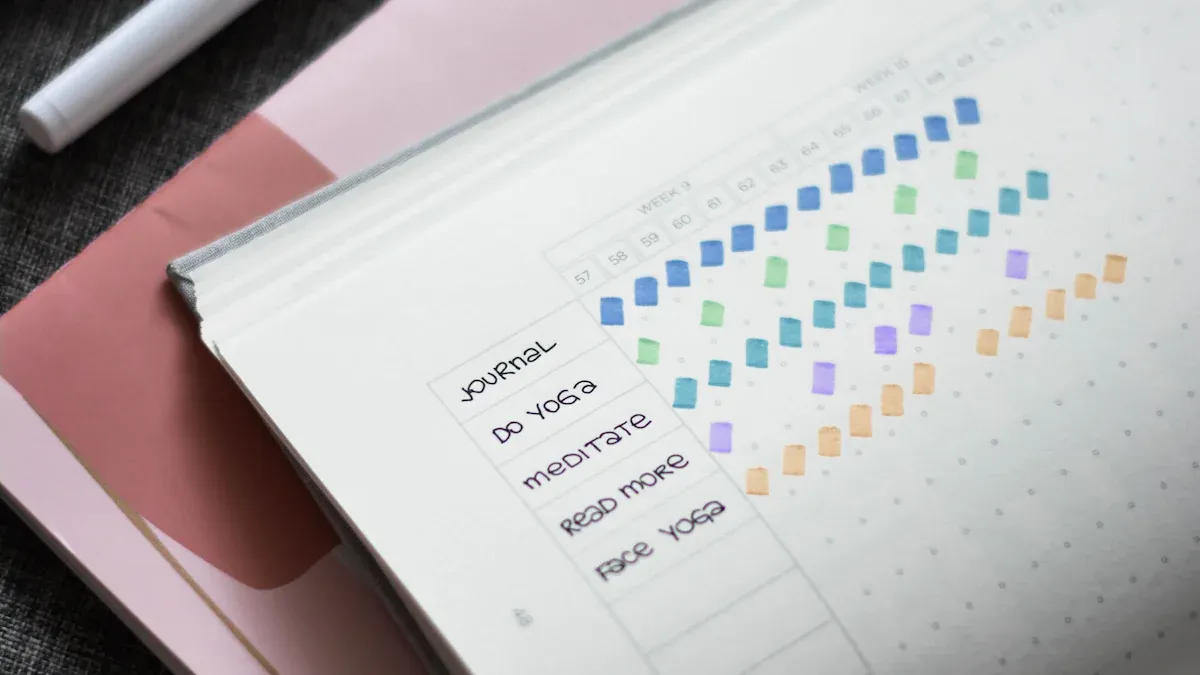
Tracking your progress keeps you motivated. Pick three to five daily actions that support your fitness and workout goals. Use a simple chart or checklist to see your progress. Reflect on how these actions make you feel. Celebrate every small win, like finishing a workout or choosing a healthy snack. Each win gives you energy to keep going. When you celebrate, your brain releases feel-good chemicals that boost your motivation and help you build strong habits.
| Benefit | Explanation |
|---|---|
| Activates Reward System | Celebrating small wins boosts your focus and motivation. |
| Builds Resilience | Small victories help you bounce back from setbacks. |
| Maintains Momentum | Regular wins keep your energy high and help you stick with your routine. |
Tip: Share your progress with friends or family. They can cheer you on and help you stay committed to your fitness journey.
Ease Back Into a Routine Gradually
Schedule Gentle Movement and Active Recovery
Jumping right into intense workouts can leave you feeling sore or discouraged. Instead, ease back into a routine with gentle movement and active recovery. You can start with activities like walking, stretching, or yoga. These options help your body adjust and reduce the risk of injury. Yoga and walking improve flexibility and strength, making it easier to return to healthy routines. You might notice less back pain and more energy after a few sessions.
Here’s a quick look at what studies say about gentle movement:
| Study | Findings |
|---|---|
| Everyday Health | Yoga improves flexibility and muscular strength, easing back pain. More effective than usual care for chronic back pain. |
| Science Daily | Movement-based mind-body interventions, including yoga, reduce low back pain and improve functional ability. |
| Science Daily | Yoga and tai chi interventions lead to pain reduction, less psychological distress, and better functional ability. |
You have many choices for active recovery. Try a leisurely walk, gentle jogging, cycling, Pilates, dynamic stretching, swimming, or even a dance class. Foam rolling and self-myofascial release also help your muscles recover after a workout. These activities keep your heart rate lower and let your body adapt without stress.
- Walking
- Swimming
- Cycling
- Jogging
- Yoga
- Active stretching
Tip: Pick one or two activities you enjoy. You don’t need to do them all at once. Listen to your body and adjust as needed.
Allow Time for Adjustment
Your body needs time to adapt when you ease back into a routine. You won’t see changes overnight. Long-term improvements in health and energy require patience and consistency. It may take a couple of weeks before you notice what works best for you. Everyone forms habits at a different pace. Some people need less than a month, while others take six months or more. Your environment, motivation, and the type of habit you’re building all play a role.
- Give yourself permission to move slowly.
- Track your progress and notice small changes.
- Adjust your workout and exercise plan as you learn what feels right.
Note: You might feel frustrated if results don’t come quickly. That’s normal. Keep going and celebrate every step forward.
Avoid Overwhelm and New Demands
Trying to do too much at once can lead to stress and burnout. You want to ease back into a routine without feeling overwhelmed. Self-care and resilience help you manage transitions. Focus on your physical, mental, and emotional health. Engage in activities that bring joy. Develop a positive mindset and lean on friends or family for support.
Here are some strategies to avoid overwhelm:
- Prioritize self-care. Make time for activities that recharge you.
- Engage in physical health practices. Regular exercise, balanced diet, and good sleep hygiene matter.
- Cultivate a positive mindset. Focus on what you can control and practice gratitude.
- Build your physical resilience with sleep, movement, nutrition, and hydration.
- Create safe space routines, like a relaxing activity after work.
- Implement a weekly check-in to reflect on achievements and stressors.
- Shift your mindset from negative thoughts to constructive ones.
Callout: You don’t need to add new activities or demands too quickly. Stick with what works and build slowly. Your journey to return to healthy routines is unique. Progress comes with patience and self-compassion.
You can ease back into a routine by choosing gentle workouts, allowing time for adjustment, and avoiding overwhelm. These steps help you build lasting habits and make exercise a positive part of your life.
Listen, Adjust, and Sustain Progress
Tune Into Your Body and Emotions
You can build strong habits by paying attention to your body and emotions. Start by noticing how you feel during different parts of your day. If you sense tension or a flutter in your chest, label it. This helps you manage the feeling. Try using micro-reminders, like phone alerts or sticky notes, to check in with yourself. Practice awareness in specific situations, such as family dinners or meetings. Do a quick body scan when you move from one activity to another. Pause and locate where you feel emotions in your body. This creates space between your reaction and your response. Self-awareness helps you spot barriers that might keep you from sticking with your habits. Sometimes, talking with a professional can help you understand these barriers better.
Redefine Success and Stay Flexible
Success does not always mean doing everything perfectly. You can redefine what healthy activity looks like for you. Small habits, like a daily walk or stretching in the morning, can lead to big results. Prioritizing health helps you achieve sustainable success. Track your wellness goals to see your progress and keep yourself accountable. Remember, health is a key part of long-term success. Flexibility is important. You do not have to do the same thing every day to keep moving toward your goals.
Flexibility is the key to the consistency of routine. You can change your approach and still work toward your valued goals.
Set realistic goals and adjust them as needed. If you miss a day, you can return to healthy routines without guilt.
Nourish Your Body for Recovery
Supporting your body with good nutrition helps you sustain your habits. Match your energy intake with your activity level. Focus on carbohydrates for energy, protein for repair, and healthy fats to control inflammation. Drink enough water and pay attention to vitamins and minerals. Time your meals around your workouts to help your body recover. After exercise, aim for enough carbohydrates to replenish energy. Include monounsaturated and omega-3 fatty acids to reduce inflammation. Limit processed foods high in omega-6 fats. Eating fruits, vegetables, whole grains, and healthy fats supports healthy aging and helps you stick with your habits for the long run.
You can return to healthy routines by taking small steps, setting simple goals, and listening to your body. Remember, gradual progress and self-compassion matter most. When you celebrate your wins and stay flexible, you build habits that last.
Keep going, even if you slip up. Every effort counts!
Here are some long-term benefits you can look forward to:
| Benefit | Description |
|---|---|
| Reduces Decision Fatigue | Routines make choices easier and save your energy. |
| Enhances Mental Health | Regular habits help lower stress and boost your mood. |
| Builds Self-Efficacy | Sticking to routines gives you confidence and control. |
Healthy routines give you strength for life’s ups and downs. You’ve got this! 🎉
FAQ
How long does it take to get back into a healthy routine?
Everyone moves at a different pace. You might notice changes in a few weeks. Stay patient and keep going. Small steps add up over time.
What if I miss a day or slip up?
Don’t worry! Slipping up is normal. Just start again the next day. Progress matters more than perfection. Celebrate your effort.
Can I return to healthy routines if I have a busy schedule?
Yes, you can! Try short activities, like a 10-minute walk or quick meal prep. Use a checklist or set reminders. Every little bit helps.
How do I stay motivated when I feel tired or unmotivated?
Tip: Remember your reasons for starting. Set small goals and reward yourself for progress. Talk with a friend or join a group for support. You’re not alone!
See Also
A Beginner’s Guide to Confidently Using Magnesium Supplements
Using Nutrition and Diet to Manage Tinnitus Symptoms Effectively
The Ultimate Guide to Choosing and Timing Methyl Folate Intake
Step-by-Step Guide to Using Vitamin B12 for Tinnitus Relief
Comprehensive Guide to Safe Methylfolate (5-MTHF) Supplementation