

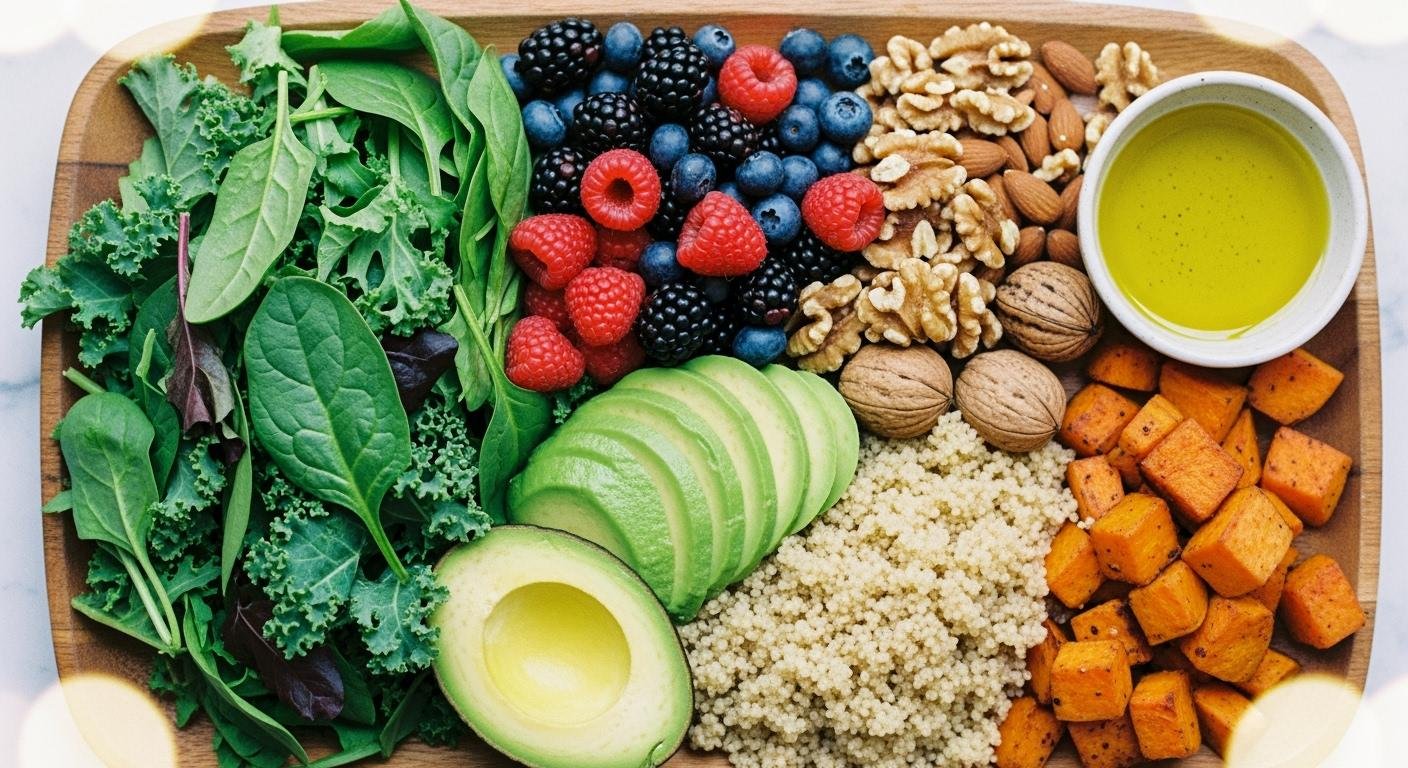
A plant-based diet is a cornerstone for healthy longevity. You can restore your health and vitality by choosing the right plant foods. This path to a longer life focuses on a diet rich in whole plant-based foods.
Note: The quality of your plant-based diet matters. A healthy plant-based eating plan lowers mortality risk, especially for those over 55. An unhealthy one can increase health risks.
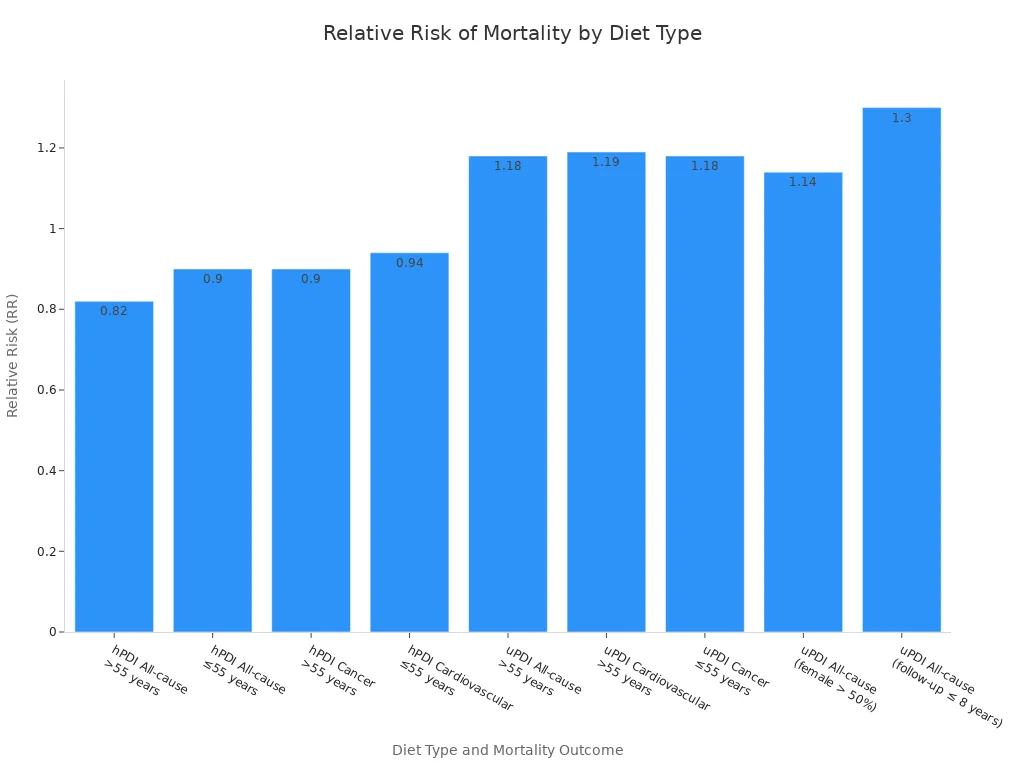
Focusing on vegetables, legumes, and nuts supports your long-term health. This approach to plant-based living helps you build a vibrant life and achieve longevity.
Core Plant-Based Foods for Longevity

Building a diet for longevity starts with choosing the right plant foods. You can focus on specific categories of nutrient-packed plant foods to support your long-term health. These core groups provide the essential nutrition your body needs to thrive for years to come.
Leafy and Green Vegetables
Leafy greens are powerhouses of nutrition. Adding them to your diet is a key strategy for healthy longevity. They are packed with vitamins, minerals, and antioxidants that protect your cells from damage.
A study from Rush University Medical Center provided a stunning insight into brain health. Researchers found that older adults who ate about 1.3 servings of leafy greens daily had a slower rate of cognitive decline. This difference was equivalent to their brains being 11 years younger than those who ate very few greens. Other research supports this, showing that a higher intake of green leafy vegetables is linked to better cognitive function in middle-aged and older adults.
Great examples include kale and spinach. They contain specific antioxidants that support your health:
- Carotenoids: Your body uses compounds like β-carotene, lutein, and zeaxanthin to protect cells.
- Vitamins: These vegetables deliver vitamins with antioxidant power, including A, C, K, and B9 (folate).
Cruciferous and Root Vegetables
Cruciferous and root vegetables offer a different set of powerful benefits for your health. These plant-based foods are dense in fiber and unique compounds that support your body’s natural defense systems. Adding these vegetables to your diet contributes to overall wellness and longevity.
- Cruciferous vegetables like broccoli, cauliflower, and cabbage contain antioxidants that help protect your cells.
- Root vegetables such as sweet potatoes are excellent sources of beta-carotene, which your body converts to vitamin A.
- Mushrooms, while technically fungi, are often grouped with vegetables and provide unique nutrients that support immune function.
Making these vegetables a regular part of your plant-based diet provides essential fiber and nutrients for lasting vitality.
Legumes: Beans, Lentils, and Chickpeas
Legumes are a cornerstone of many diets associated with longevity. They are an incredible source of plant-based protein and fiber. This combination helps you feel full and supports both heart and digestive health.
Beans, including fava, black, soy, and lentils, are the cornerstone of most centenarian diets.
The high fiber content in legumes like lentils and chickpeas plays a direct role in cardiovascular health. Studies show that a diet rich in beans can help manage key risk factors for heart disease.
- One study found that eating one serving of legumes daily for six weeks lowered ‘bad’ cholesterol by an average of five points.
- Research also shows that bean consumption can significantly reduce blood pressure and help with weight management.
Incorporating these plant foods into your meals is a simple and effective way to boost your nutrition.
Soy, Nuts, and Seeds
This group of plant-based foods delivers healthy fats, high-quality protein, and essential minerals. Soy, nuts, and seeds are vital for cellular repair, brain function, and hormonal balance, making them critical for longevity.
Soy products like tofu and miso contain isoflavones. These compounds may help reduce the risk of certain cancers. Isoflavones can block cell growth that contributes to the cancer process by binding to specific cell receptors. For example, women who consume about one cup of soy milk or a half-cup of tofu daily may have a 30% lower risk of developing breast cancer. However, the effects can vary by product.
| Soy Product | Association with Cancer Risk |
|---|---|
| Total Soy Foods | Reduced risk of total cancer |
| Tofu | Reduced risk of total cancer and gastrointestinal cancer |
| Soymilk | Reduced risk of total cancer |
| Miso Soup | No association with total cancer risk |
Nuts and seeds are also packed with nutrients. Chia seeds and flax seeds are rich in omega-3 fatty acids, which are crucial for brain health and may help prevent conditions like Alzheimer’s. Your body uses these plant-based omega-3s to create compounds vital for brain function. Just one tablespoon of ground flaxseed or chia seeds daily can help you meet your needs.
Finally, nuts and seeds are excellent sources of protein and the mineral zinc. Your body needs zinc for hundreds of functions, including:
- Immune cell development
- DNA synthesis and protein production
- Cell growth and repair
Adding a variety of these plant-based foods to your diet provides a wide spectrum of nutrients essential for a long and healthy life.
How a Plant-Based Diet Boosts Health
A plant-based diet offers powerful health benefits that contribute to longevity. The right dietary patterns improve your body’s functions from the cellular level up. This approach to plant-based eating is key for your long-term health and quality of life. Understanding these health benefits can empower you to make choices that boost longevity.
Reducing Chronic Inflammation
Chronic inflammation can damage your body over time. It contributes to conditions like heart disease by harming artery linings. This damage allows fat and immune cells to build up, forming plaques that narrow your arteries. A plant-based diet is rich in anti-inflammatory compounds. These compounds help you manage inflammation, supporting your overall health and improving your quality of life. This is a cornerstone of chronic disease prevention.
Boosting Antioxidant Defenses
Your body faces constant attacks from unstable molecules called free radicals. These molecules damage cells and accelerate the aging process. Plant foods provide antioxidants that protect you.
Antioxidants neutralize free radicals by giving them an electron. This action creates less reactive compounds and prevents cellular damage, which is crucial for healthy aging and a better quality of life.
This defense system is vital for your health and longevity.
Improving Gut and Muscle Health
A healthy gut is foundational to your well-being. A plant-based diet improves your gut microbiome. Research shows that eating 30 or more different plant foods per week increases beneficial gut bacteria. This diversity supports your health. Plant-based protein also helps your muscles repair and grow. Your body can build strength effectively with enough plant protein, supporting an active life and enhancing your quality of life. Good nutrition from plant-rich diets supports both gut and muscle health.
Supporting Cellular Growth and Repair
Your cells constantly need to grow and repair themselves. This process is essential for slowing the aging process and maintaining your quality of life. Plant-based foods deliver key nutrients for this job.
- Zinc helps your body make proteins and DNA.
- Selenium is vital for muscle regeneration and immune responses.
Polyphenols in plants also support healthy cell growth. They help regulate cell cycles and protect your cells from damage. This level of nutrition from a quality diet is fundamental to longevity. These dietary patterns offer significant health benefits for your body’s basic functions.
Simple Steps for Lasting Vitality
Adopting a plant-based diet for longevity is easier than you think. You can take simple, practical steps to improve your diet quality and boost your vitality. These small changes in your dietary patterns can significantly enhance your long-term health and quality of life.
Make Vegetables Half Your Plate
A simple visual guide can transform your meals. You should aim to make non-starchy vegetables half of your plate. This practice supports healthy aging and improves your quality of life. Eating more vegetables provides your body with essential nutrition.
You can use your hands as a guide for portioning. Two cupped hands equal about one cup of cooked vegetables. Filling half your plate with these plant foods helps reduce your risk for chronic diseases. This simple change in your diet supports your journey toward longevity.
Swap Meat for a Plant-Protein Meal
You can easily swap meat for a plant-protein option in your favorite meals. Lentils are a great substitute. You can make your own plant-based deli-style slices for sandwiches.
- Simply blend uncooked brown lentils with water and seasonings like garlic powder and smoked paprika.
- Cook the mixture until it thickens.
- Then, refrigerate it until firm. This is an easy way to improve your nutrition and support your health.
Start Your Day With a Plant-Based Breakfast
How you start your day matters for your energy and health. A plant-based breakfast provides lasting fuel. You can try delicious options that support your well-being.
- Chia Seed Pudding: This option is full of fiber and omega-3s.
- Overnight Oats: Combine oats with fruit for a make-ahead meal. These choices give you the nutrition you need for a great start, improving your daily quality of life.
Choose Whole Foods Over Processed
The quality of your plant-based eating plan is crucial for longevity. Whole plant foods offer the best nutrition. Processed foods often lose valuable nutrients and contain unhealthy additives. Processing techniques can reduce beneficial compounds in plant foods. Choosing whole options ensures you get the maximum health benefits. This approach to your diet is fundamental for slowing the aging process and enhancing your quality of life. This focus on whole plant-based foods is key to a healthy dietary pattern for aging well and maintaining vitality.
Incorporating these specific plant foods into your diet is a powerful and accessible strategy for longevity. This plant-based approach boosts your long-term health and vitality. You can achieve a better quality of life.
Start with small, consistent changes. Many people transform their health, finding this path improves their daily quality of life and future quality of life. Every plant-based meal is a step toward a longer life. This commitment enhances your overall quality of life and sense of well-being, improving your quality of life.
This plant-based diet is your foundation for lasting health.
FAQ
Do I need to be 100% vegan for longevity?
You do not need to be 100% vegan. Many longevity diets include small amounts of animal products. The key is making whole plant foods the center of your diet. You should focus on progress, not perfection, for long-term health benefits.
How can I get enough protein on a plant-based diet?
You can get plenty of protein from plants. Legumes like lentils and chickpeas are excellent sources. Soy products, nuts, and seeds also provide high-quality protein. A varied plant-based diet easily meets your protein needs for muscle health and repair.
Is eating a plant-based diet expensive?
A plant-based diet can be very affordable. Foods like beans, lentils, and seasonal vegetables are often cheaper than meat. You can save money by buying in bulk and cooking at home. This approach helps you improve your health and vitality.
What is the easiest way to start eating more plants?
You can start with small, simple swaps. Try making one meal a day plant-based, like a smoothie for breakfast. You can also swap meat for lentils in a familiar recipe. Making vegetables half your plate is another easy first step.
See Also
Top 5 Vegan Joint Supplements: Science-Backed Choices for Healthy Living
Seven Best Vegan Glucosamine Options for Optimal Plant-Based Joint Health
Ultimate Guide: Best Vegan Glucosamine for Plant-Based Joint Wellness
5-MTHF Supplement: Unlocking Science-Backed Benefits for Enhanced Modern Wellness
Vegan Multivitamin 2024 Review: Discovering Which Brands Truly Deliver