

You hold the power to transform your health through nutritional awareness. Men often need more calories and protein because muscle mass and metabolism demand extra energy. Research shows that men benefit from increased protein intake, especially when building muscle. Nutrition shapes your daily energy and supports long-term health. Food choices help prevent heart disease, high blood pressure, and prostate problems. Poor nutrition affects both genders, but men face unique risks. Overweight and obesity rates have climbed for men worldwide, making nutritional awareness more urgent than ever.
Men’s Nutritional Needs & Health Risks
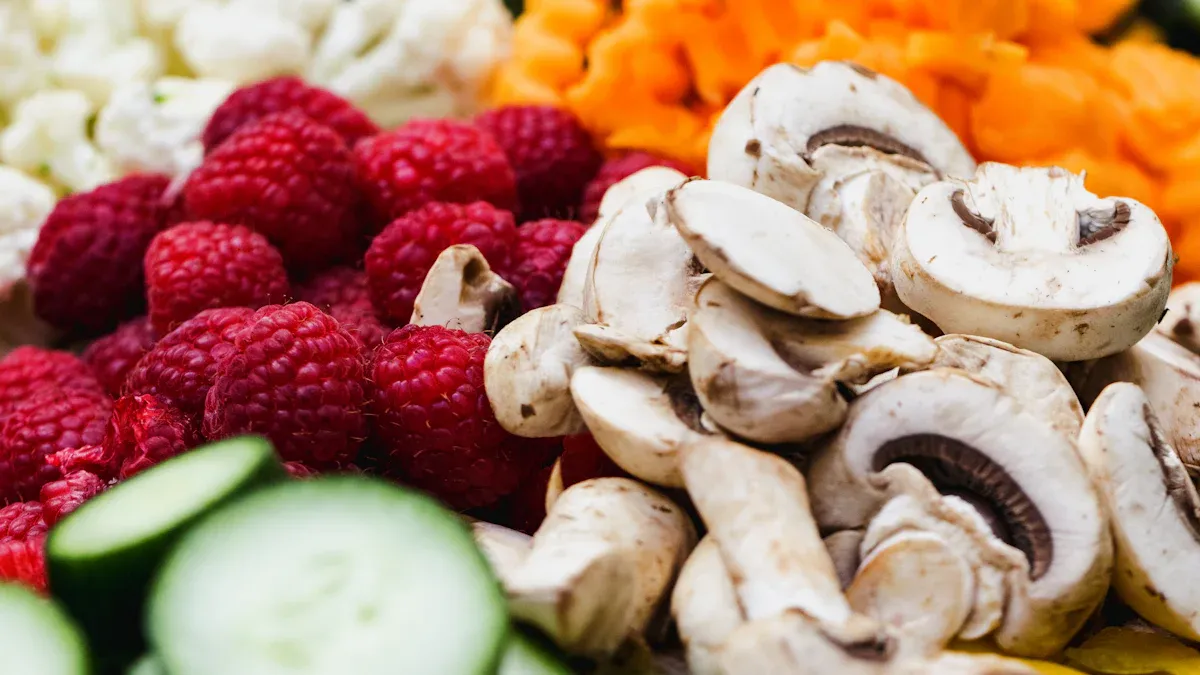
Common Nutrient Deficiencies in Men
You need to pay attention to your daily nutrition. Your body requires more calories and key nutrients to support muscle mass and metabolism. Many men do not meet their daily caloric intake, which can lead to weight problems and obesity. You may think you get enough vitamins and minerals, but research shows that deficiencies are common.
Here is a table comparing nutrient deficiencies between men and women:
| Nutrient | Men (%) | Women (%) | Significance |
|---|---|---|---|
| Vitamin D | 68.2 | 59.2 | Higher in men |
| Iron | 11.3 | 39.2 | Higher in women |
| Magnesium | N/A | More common in women | N/A |
| Zinc | 8.9 | 14.5 | Higher in women |
| Copper | 12.6 | 4.9 | Higher in men |
You need to focus on vitamin D, magnesium, zinc, and copper. These nutrients help your muscles, bones, and immune system. If you ignore your nutrition, you risk developing weight issues and obesity. You can boost your health by eating foods rich in these nutrients and tracking your caloric intake.
Diet and Disease Risk for Men
Your diet shapes your future. If you choose foods high in calories but low in nutrition, you increase your risk for heart disease, high blood pressure, and prostate problems. Many men struggle with obesity because they do not balance their caloric intake with their activity level. You can protect your health by following heart health tips for men and making smart diet choices.
Here is a table showing how dietary patterns affect heart disease risk in men:
| Dietary Pattern | Relative Risk (Quintiles) | 95% Confidence Interval | P for Trend |
|---|---|---|---|
| Prudent Pattern | 1.0, 0.87, 0.79, 0.75, 0.70 | 0.56, 0.86 | 0.0009 |
| Western Pattern | 1.0, 1.21, 1.36, 1.40, 1.64 | 1.24, 2.17 | < 0.0001 |
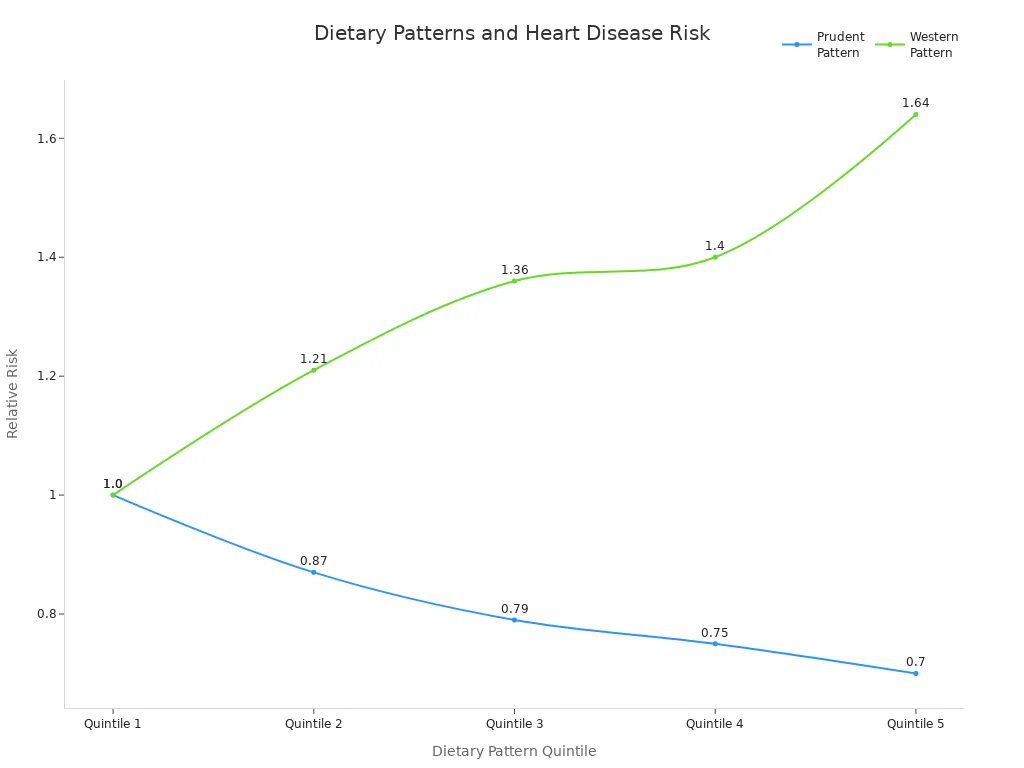
You can see that a prudent diet lowers your risk for heart disease. A western diet increases your risk. You need to watch your caloric intake and choose foods that help you maintain a healthy weight. If you eat too many calories, you may develop obesity and face more health problems.
Here is another table showing how diet affects prostate health and blood pressure:
| Population | Prostate Health (BPH Prevalence) | Blood Pressure (EH Incidence) | Dietary Characteristics |
|---|---|---|---|
| Tsimane Men | <50% of U.S. and British men | Almost non-existent | Low sodium, high potassium |
| HG Communities | No development of EH | Absent age-related BP increase | Traditional diets, minimal Western influence |
| U.S. Population | High prevalence of BPH | 30%+ incidence of EH | Increased obesity and high-insulinemic diets |
You can lower your risk for prostate issues and high blood pressure by eating a traditional diet with less sodium and more potassium. If you follow a western diet, you may gain weight and develop obesity, which increases your risk for these health problems.
Scientific Evidence on Men’s Nutrition
You need to understand the science behind nutrition. Men require more calories, protein, magnesium, and potassium than women. If you do not meet your caloric intake, you may lose muscle mass and gain weight. You can use nutrition science to guide your diet and improve your health.
Here is a table showing daily nutrient needs for men and women:
| Nutrient | Males Age 19-50 | Females Age 19-50 |
|---|---|---|
| Vitamin A | 900 mcg | 700 mcg |
| Magnesium | 400 mg | 310 mg |
| Iron | 8 mg | 18 mg |
| Potassium | 3,400 mg | 2,600 mg |
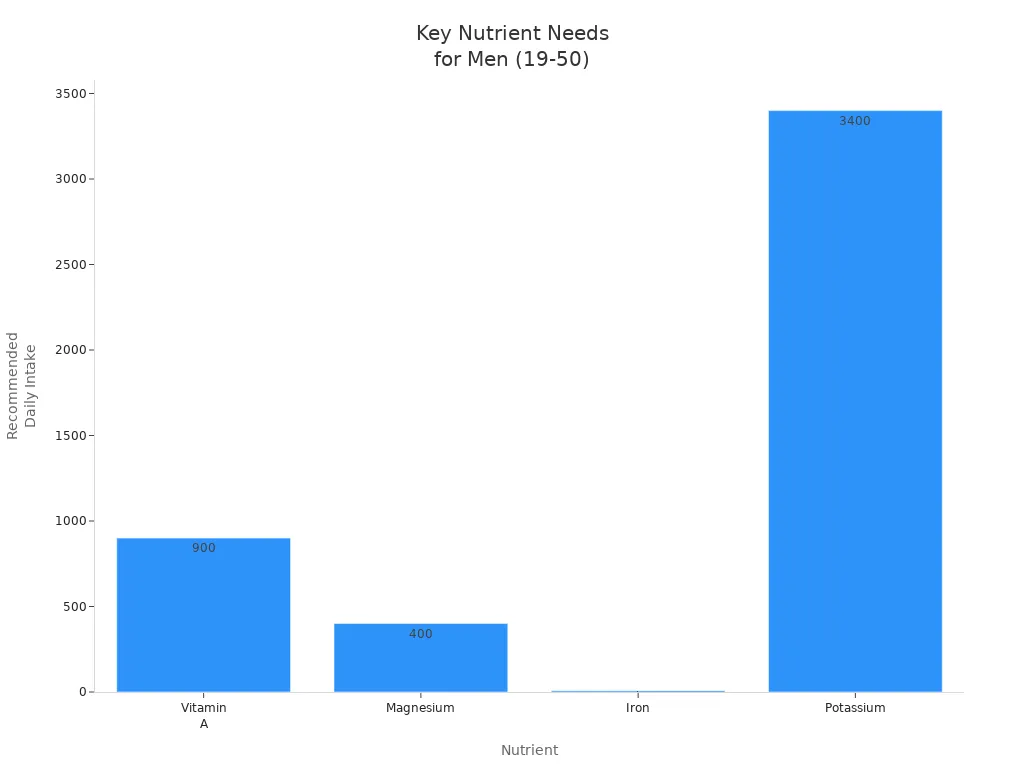
You need to eat enough protein to build and repair muscle. You also need magnesium and potassium for heart and muscle function. If you do not get enough calories, you may lose weight and develop obesity. You can improve your nutrition by eating a balanced diet and tracking your caloric intake.
- Calcium: 1,000 to 1,200 mg per day
- Potassium: Important for heart and muscle function
- Other essential vitamins and minerals needed for optimal health
You can take charge of your health by learning about nutrition and making smart choices. If you pay attention to your caloric intake, you can avoid weight gain and obesity. You can build a strong body and protect your heart.
The Dietary Guidelines for Americans show that many men do not meet their daily requirements for essential nutrients. If you ignore your nutrition, you risk problems with your teeth, bones, heart, gut, and muscles. You can change your diet and improve your health. You have the power to make a difference.
Impact of Poor Nutrition on Men’s Health
Energy and Mental Health Effects
You can feel the difference when your diet lacks balance. Poor nutrition drains your energy and leaves you feeling tired. If you do not get enough calories, your body cannot fuel your daily activities. You may notice fatigue, especially if you skip meals or eat foods low in nutrients. Clinical studies show that undernutrition leads to fatigue in men, especially as you age. When you do not meet your caloric intake, your body starts to break down muscle for energy. This process lowers your energy and reduces your physical performance.
Here is a table showing how nutrition affects energy in men:
| Evidence Description | Findings |
|---|---|
| Undernutrition effects | Leads to fatigue due to lack of energy, impacting energy levels in men |
| Protein and energy intake | Insufficient intake results in catabolism, causing fatigue and weakness |
| Bi-directional association | Fatigue makes it harder to prepare meals, worsening nutrition |
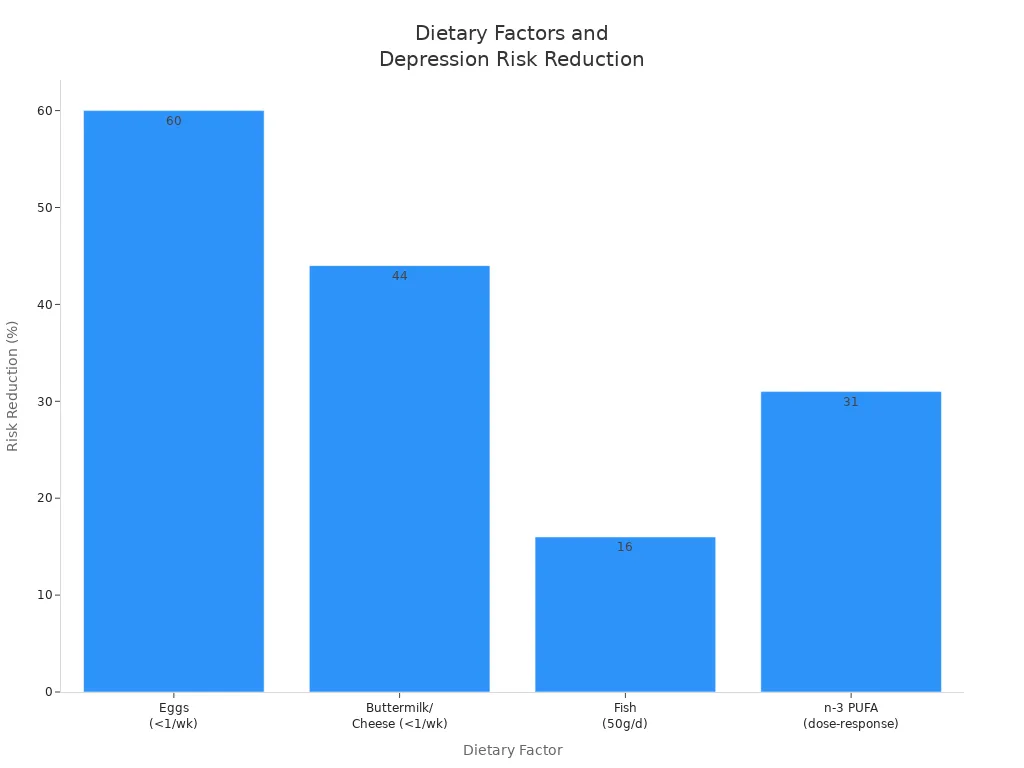
You can boost your energy by eating enough calories and choosing foods rich in protein. Your diet shapes your mental health, too. If you eat poorly, you may feel anxious or depressed. Studies show that men who eat milk, eggs, cheese, and fish regularly have lower rates of depression. Micronutrients like B vitamins, zinc, and magnesium also support your mental health.
| Dietary Factor | Association with Depression in Men | Risk Reduction (%) |
|---|---|---|
| Milk (less than once/day) | Doubling in RR of depression | N/A |
| Eggs (less than once/week) | 60% lower risk | 60% |
| Cheese (less than once/week) | 44% lower risk | 44% |
| Fish (50g/d) | 16% reduction in depression | 16% |
| n-3 PUFA | 31%-70% reduction | 31%-70% |
You can lift your mood and boost your energy by eating a balanced diet. Choose foods that give you enough calories and nutrients every day.
Chronic Disease and Diet
Your diet plays a big role in your long-term health. If you do not watch your caloric intake, you may gain weight and face higher risks for chronic diseases. Men carry a greater burden of chronic dietary diseases than women. You are more likely to eat unhealthy foods, which increases your risk for cancer and heart disease. When you improve your diet and balance your caloric intake, you lower your risk for these diseases.
- High AHEI scores mean you have a lower risk for chronic disease (RR: 0.80).
- You can reduce your risk for cardiovascular disease by 39% (RR: 0.61).
- Poor nutrition links to cardiovascular disease and cancer.
- Better dietary patterns lower your risk for these diseases.
You can protect your health by making smart choices about your diet. Track your caloric intake, maintain a healthy weight, and eat foods that fuel your energy. Your future depends on the steps you take today.
Nutritional Awareness Barriers for Men
Social and Cultural Influences
You live in a world where culture shapes your diet every day. Many people see certain foods as more masculine or feminine. For example, some believe that eating meat or drinking energy drinks shows strength. You might feel pressure to eat foods that match these ideas. Your family and friends also influence your choices. When you join community celebrations, you often share meals that reflect your culture. These habits can make it hard to change your diet, even if you want to improve your health or manage your weight.
- Gender-based food choices often link to ideas about masculinity.
- Boys may see energy drinks as a symbol of strength.
- Many men want a muscular body and choose foods that fit this image.
- Mothers sometimes pick foods they think are more masculine for their sons.
- Your social group and upbringing shape your diet and weight goals.
- Community events often include shared meals that reinforce these habits.
When you see food as part of your identity, changing your diet can feel like changing who you are.
Motivation and Knowledge Gaps
You may want to improve your diet, but motivation can be a challenge. Many men feel less pressure to change their eating habits, especially if being overweight seems normal in your community. You might focus on your appearance, sports, or health, but daily life can get in the way. Lack of time, discipline, or support can stop you from reaching your weight goals. Sometimes, you think you know enough about nutrition, but surveys show that men often overestimate their knowledge.
| Self-Reported Knowledge Level | Actual Literacy Scores | FoodProK Scores |
|---|---|---|
| Extremely Knowledgeable | Lower | Lower |
| Gender | Usage Scores of Nutrition Facts Labels |
|---|---|
| Female | Higher |
| Male | Lower |
| Characteristic | Effect on Nutrition Facts Label Use |
|---|---|
| Gender | Significant effect (p = 0.010) |
| Diet Followed | More likely to use labels (p = 0.040) |
You may not read nutrition labels as often as women do. This gap can make it harder to choose the right foods for your diet and weight management.
Men’s Dietary Habits
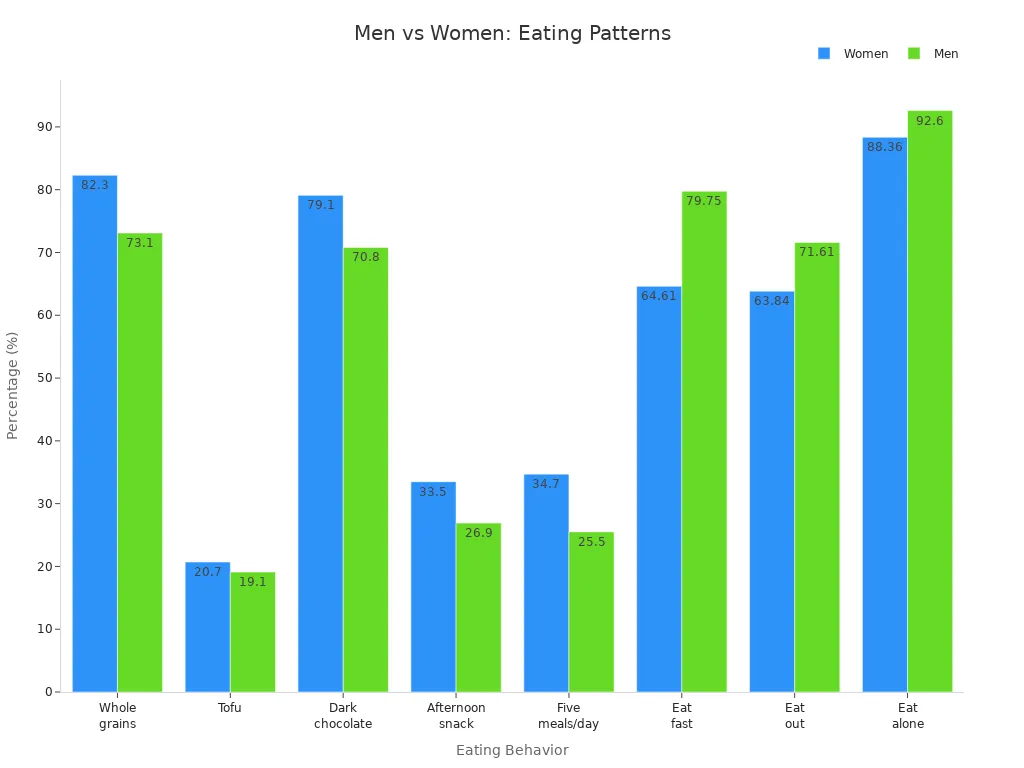
Your diet habits change as you age. Younger men often follow a western diet, which can lead to weight gain. Older men may eat more fish and white meat, which supports better health and stable weight. National surveys show that men eat fast, eat out more, and eat alone more often than women. These habits can make it harder to control your diet and maintain a healthy weight.
| Age Group | Dietary Habits |
|---|---|
| Older Men | Higher consumption of white meat and fish, moderate red wine at meals |
| Younger Men | Associated with a western diet |
| Aspect of Eating Behavior | Women (%) | Men (%) | p-value |
|---|---|---|---|
| Regular consumption of whole grains | 82.3 | 73.1 | < 0.001 |
| Consumption of tofu | 20.7 | 19.1 | 0.007 |
| Consumption of dark chocolate | 79.1 | 70.8 | 0.0125 |
| Snacking in the afternoon | 33.5 | 26.9 | N/A |
| Eating five times a day | 34.7 | 25.5 | N/A |
| Eating fast | 64.61 | 79.75 | < 0.001 |
| Eating out | 63.84 | 71.61 | < 0.001 |
| Eating alone | 88.36 | 92.60 | < 0.001 |
You can break these patterns. When you learn more about your diet and weight, you gain the power to make better choices. Every step you take brings you closer to a healthier life.
Science-Backed Nutrition Tips for Men
Practical Diet Strategies
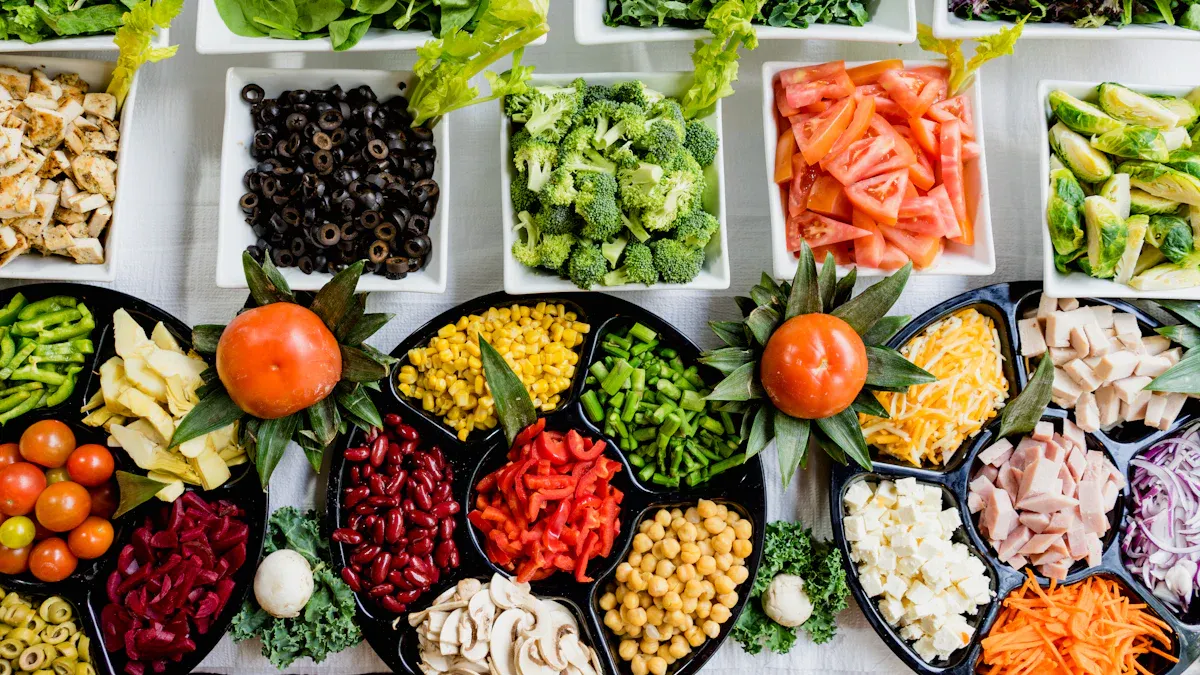
You can transform your health by making small changes to your daily meals. Start by adding more vegetables to your plate. Choose whole grains for carbohydrates instead of refined options. Focus on lean protein like fish, chicken, or beans. Limit saturated fats and opt for healthy fats from nuts and olive oil. Drink water instead of sugary drinks to support weight loss and energy balance. Clinical trials show that nutrition education, changes to your food environment, and adopting ideal diets like the Mediterranean diet help men improve energy intake and weight control.
| Strategy | Description |
|---|---|
| Nutrition Education | Learn about healthy eating habits and dietary guidelines. |
| Food Environment Change | Surround yourself with healthier food choices at home and work. |
| Ideal Diet Adoption | Try the Mediterranean diet for better heart health and weight loss. |
The Mediterranean diet, rich in fruits, vegetables, grains, and seafood, lowers your risk for health problems and supports energy balance.
Reading Nutrition Labels
You can make smarter choices by reading nutrition labels. Look for foods with less added sugar, lower sodium, and healthy fats. Check the amount of protein and carbohydrates to match your energy intake and exercise needs. Studies show that using nutrition labels leads to healthier eating and better weight management. Women read labels more often, but you can close this gap by practicing label reading every time you shop.
| Evidence Type | Findings |
|---|---|
| Nutrition Label Usage | Linked to healthier dietary choices for boys and girls |
| Frequency of Use | Even limited use helps improve energy intake and weight control |
| Public Health Initiatives | Can boost nutrition literacy and label use among youth |
- Women pay more attention to food labels than men.
- You can improve your label reading skills with practice.
Using Tech and Resources
You can use technology to track your energy intake, weight, and exercise. Nutrition apps help you set goals, monitor your meals, and get feedback. Many apps show positive results for weight loss, energy balance, and physical activity. You can access these tools anytime, anywhere, making it easier to stay on track.
| Feature | Description |
|---|---|
| Goal Setting | Set personal nutrition and exercise goals. |
| Self-Monitoring | Track your energy intake, weight, and physical activity. |
| Quantitative Feedback | Get data-driven insights to guide your choices. |
| Accessibility | Use web and mobile apps for convenience. |
- Nutrition tracking apps support weight loss and healthy energy balance.
- Many users see improvements in body fat, waist size, and exercise habits.
Evidence-Based Recommendations
You can follow key nutrition recommendations for men to reach your goals. Eat enough protein, carbohydrates, and healthy fats to match your energy intake and exercise routine. The World Health Organization suggests at least 150 minutes of moderate exercise each week. As you age, keep moving to maintain your weight, energy balance, and physical activity. Supplements and men’s health can play a role, but focus on whole foods first. If you need extra support, talk to a health professional about supplements.
You have the power to change your life. Start today with small steps. Every healthy choice brings you closer to your best self.
You have learned why nutritional awareness matters for men. Your body needs more nutrients and energy to support muscle and metabolism. You face unique health risks, including heart disease and prostate issues. Science shows that higher nutrition awareness leads to better choices and less risk for chronic diseases. You can improve your diet and manage your weight by focusing on magnesium, zinc, healthy fats, fiber, and hydration. You can set goals, track your progress, and build a support system. You can use resources like the Academy of Nutrition and Dietetics, CDC, FDA, and U.S. Dietary Guidelines for Americans. You can create a purpose for your goals and visualize your success. You can break old habits and build new ones. You can make small changes each day to reach your weight goals. You can choose whole grains, vegetables, and lean proteins to help your weight stay healthy. You can drink water and limit alcohol to support your weight and energy. You can eat nuts, seeds, and fish to boost your weight management and heart health. You can read nutrition labels to make smart choices for your weight. You can use apps to track your meals and weight. You can ask for help from friends and family to stay motivated. You can celebrate your progress and keep moving forward. You can take charge of your weight and health. You can start today and build a stronger future.
You have the power to change your life. Every healthy choice brings you closer to your best self.
| Key Insights | Description |
|---|---|
| Attitude Ambivalence | You may feel mixed about healthy eating, thinking it affects taste and convenience. Changing these thoughts can help your weight goals. |
| Optimistic Bias | You may believe you are less at risk from unhealthy choices. Clear information helps you understand weight risks. |
| Behavior Change Stages | You may be in the early stage of changing your diet. Targeted steps can help you move forward with your weight goals. |
| Environmental Control | Access to healthy foods helps you stay motivated and manage your weight. |
| Social Marketing | Positive messages can help you overcome barriers and reach your weight goals. |
- You can assess your readiness to change your weight habits.
- You can set SMART goals for your weight and health.
- You can focus on progress, not perfection, as you manage your weight.
- You can be kind to yourself during your weight journey.
- You can track your weight progress and celebrate small wins.
- You can create a support system for your weight goals.
- You can visualize achieving your weight goals and stay inspired.
You can use your knowledge and motivation to build a healthier life. You can find reliable information and take practical steps to improve your weight and nutrition. You can start now and see positive changes in your weight and health.
FAQ
What nutrients should you focus on as a man?
You need protein, vitamin D, magnesium, zinc, and potassium. These nutrients help your muscles, bones, and heart. Eat a variety of foods to meet your needs.
How can you improve your nutrition if you eat out often?
Choose grilled or baked options. Ask for extra vegetables. Skip sugary drinks. You can make small changes at restaurants that add up to big results.
Does nutrition affect your mental health?
Yes! A balanced diet supports your mood and energy. Foods like fish, eggs, and dairy can lower your risk for depression. You feel better when you eat well.
What is one easy way to start eating healthier today?
- Add one serving of vegetables to your next meal.
- Drink water instead of soda.
- Read the nutrition label before you buy a snack.
Small steps lead to big changes!
See Also
Exploring 5-MTHF Supplements: Science-Driven Advantages for Wellness
Understanding Protein’s Impact on ADHD: A Family-Friendly Guide
Top 5 Vegan Alternatives for Joint Supplements: A Scientific Review