


Feeling drained and dealing with persistent low energy? You are not alone in this struggle with fatigue. Many men report experiencing low energy and fatigue annually.
| Fatigue Type | Percentage in Males |
|---|---|
| Total Fatigue | 14.6% |
| General Fatigue | 22.0% |
| Chronic Fatigue | 6.6% |
Poor nutrition is one of the main causes of low energy. In fact, specific nutrient deficiencies are a key factor in low energy in men, directly impacting your energy levels.
| Nutrient | Men vs. Women (Inadequate Intake) |
|---|---|
| Magnesium | More men consumed inadequate levels |
| Zinc | More men consumed inadequate levels |
| Vitamin A | More men consumed inadequate levels |
| Vitamin C | More men consumed inadequate levels |
Understanding the symptoms of these gaps in your diet is the first step. Improving your nutrition and diet can significantly raise your energy levels and restore your energy.
Key Nutrient Gaps Causing Low Energy in Men

Your body needs the right fuel to run efficiently. Persistent low energy often signals a problem with your fuel supply. Specific nutrient deficiencies are a primary reason for low energy in men. These top nutrient gaps directly stop your cells from making and using energy. Let’s explore the key nutrients you might be missing.
Iron Deficiency
Iron is essential for your energy. It is a core component of hemoglobin. Hemoglobin is the protein in your red blood cells that moves oxygen from your lungs to all your tissues. Iron also helps your muscle cells store and use oxygen. Your cells need this oxygen to produce ATP, the body’s main energy molecule. An iron deficiency means less oxygen gets delivered, which directly reduces your energy production.
💡 Did You Know? Iron-containing enzymes are also critical for the final stages of cellular energy production inside your mitochondria.
Common symptoms of an iron deficiency include:
- Unexplained fatigue and lack of energy
- Shortness of breath, especially with activity
- Pale skin
- Noticeable or rapid heartbeats
- Headaches
- Cold hands and feet
- Irritability
Men who follow plant-based diets, endurance athletes, and frequent blood donors are at a higher risk for this condition.
Vitamin B12 Deficiency
Vitamin B12 is another crucial player for your vitality. Your body requires B12 to form healthy red blood cells and create DNA. It also plays a key role in the function of your brain and nerve cells. A B12 deficiency can lead to a type of anemia where your body produces large, immature red blood cells that cannot carry oxygen effectively. This poor oxygen transport is one of the main causes of low energy.
If you have a B12 deficiency, you might experience:
- Tingling or numbness in your hands and feet
- Difficulty with balance
- Memory problems or confusion
- Weakness and fatigue
Men over 50, those on strict vegan or vegetarian diets, and individuals with digestive conditions like Crohn’s disease have a greater risk of developing a B12 deficiency.
Low Vitamin D
You might know Vitamin D for its role in bone health, but it is also vital for your energy levels. Research shows that Vitamin D helps your muscle mitochondria, the powerhouses of your cells, function correctly. A deficiency can impair this process, leading to muscle weakness and fatigue. Your nutrition is key to getting enough of this vitamin.
The prevalence of low Vitamin D can be surprisingly high.
| Region/Group | Prevalence of Vitamin D Insufficiency |
|---|---|
| Global (males) | 13.6% |
| Mongolian men (aged 15-49 years) | 83.5% |
Symptoms of low Vitamin D can be subtle but may include:
- General fatigue
- Muscle aches and weakness
- Bone pain
- Mood changes, like depression
Men who live in northern climates with less sun exposure, have darker skin, or are overweight are more susceptible.
Magnesium Insufficiency
Magnesium is a powerhouse mineral involved in over 600 reactions in your body. Its most important job for energy is helping create ATP. In fact, ATP must bind to a magnesium ion to become biologically active. Without enough magnesium, your body simply cannot produce the energy it needs at a cellular level. This is a major factor in low energy.
Signs of magnesium insufficiency can include:
- Fatigue and muscle weakness
- Muscle twitches and cramps
- Loss of appetite
- Abnormal heart rhythms
Athletes, men under high chronic stress, and those with type 2 diabetes often have lower magnesium levels.
Folate Deficiency
Folate, also known as Vitamin B9, is one of the key nutrients for your well-being. It helps your body convert carbohydrates into glucose, which is the fuel your cells burn for energy. Folate is also essential for making healthy red blood cells. A folate deficiency can cause anemia, leading to a significant drop in your energy levels because your body can’t get enough oxygen.
The symptoms of low folate can greatly impact your daily life. You may notice:
- Persistent fatigue and lack of energy
- Irritability
- Diarrhea
- A smooth and tender tongue
- Difficulty concentrating or “brain fog”
Men with digestive disorders, those who consume excessive alcohol, or who have a poor diet are at higher risk.
Zinc Deficiency
Zinc is a mineral that supports your immune system and helps your body heal. It also acts as a helper molecule for hundreds of enzymes, including many involved in energy metabolism. Zinc helps your body process carbohydrates, fats, and proteins from your food to create usable energy. A lack of zinc can slow down this entire process, contributing to feelings of low energy.
Common signs of zinc deficiency are:
- Loss of appetite
- Slow wound healing
- Decreased sense of taste or smell
- Hair loss
Men following plant-based diets may be at risk because plant compounds can inhibit zinc absorption. Additionally, men with gastrointestinal diseases or alcohol use disorder are more likely to be deficient. Addressing these top nutrient gaps through better nutrition is a powerful first step to reclaiming your vitality.
Identifying Symptoms of Low Energy and Getting Tested

You know you have low energy, but what is the next step? Pinpointing the exact cause can be tricky because many symptoms overlap. Following these steps can help you identify the problem and start your journey to regain your energy.
Step 1: Recognize the Symptoms
The first step is to listen to your body. Persistent fatigue, weakness, and mood changes are clear signals to investigate further. These general symptoms of low energy can point to several different nutrient gaps.
| Symptom | Possible Nutrient Deficiencies |
|---|---|
| Persistent Fatigue | Vitamin B12, Iron, Magnesium, Folate |
| Low Mood or Irritability | Vitamin D, Folate, Iron, Magnesium |
| Muscle Weakness | Vitamin D, Magnesium, Iron |
It is important to know the difference between normal tiredness and a more serious issue. Your fatigue might require a doctor’s visit if you experience:
- Tiredness that lasts for six months or more.
- Exhaustion that is not relieved by rest or sleep.
- Fatigue that significantly interferes with your work or home life.
- Trouble with memory, focus, or concentration, often called “brain fog.”
- Feeling much more tired than usual after physical activity.
If these symptoms sound familiar, it is time to move to the next step.
Step 2: Get Tested for Confirmation
Guessing which nutrient you lack is not an effective strategy. The only definitive way to confirm nutrient deficiencies is through a doctor-ordered blood test. A simple blood draw can give you and your healthcare provider a clear picture of what is happening inside your body.
🩺 Take Action: Schedule an appointment with your doctor. Discuss your symptoms and ask for a comprehensive blood panel to check your nutrient levels.
Your doctor may order specific tests to get to the root of your low energy.
| Deficiency | Common Blood Test(s) |
|---|---|
| Iron | Iron and Ferritin Panel |
| Vitamin B12 | Vitamin B12 and Folate Test |
| Vitamin D | 25-hydroxy vitamin D Test |
| Folate | Vitamin B12 and Folate Test |
| Magnesium | Micronutrient Panel |
| Zinc | Micronutrient Panel |
This confirmation is essential for creating a safe and effective plan to increase energy levels.
Step 3: Replenish with a Food-First Approach
Once you confirm a deficiency, your first line of defense is nutrition. A food-first approach focuses on building a balanced diet rich in the nutrients you need. This is the most natural and sustainable way to restore your energy.
Here are the best food sources to replenish key nutrients.
-
Iron: Your body absorbs iron from animal sources (heme iron) more easily than from plant sources (non-heme iron).
- Heme Sources: Lean red meat (beef), poultry, liver, oysters, salmon, and tuna.
- Non-Heme Sources: Spinach, kale, lentils, kidney beans, tofu, fortified cereals, and dried fruits like raisins and apricots.
Pro Tip: You can boost your absorption of non-heme iron. Eat iron-rich plant foods with a source of vitamin C, like bell peppers, broccoli, or oranges.
-
Vitamin B12: This vitamin is found almost exclusively in animal products. A good diet is key.
- Sources: Clams, salmon, trout, beef, eggs, and dairy products like milk, cheese, and yogurt.
-
Folate (Vitamin B9): You can find folate in a wide variety of foods, especially leafy greens.
-
Vitamin D: While sunshine is a primary source, you can get Vitamin D from your diet.
- Sources: Fatty fish (salmon, mackerel), fortified milk, fortified orange juice, and egg yolks.
-
Magnesium: This mineral is abundant in plant-based foods.
- Sources: Spinach, almonds, cashews, peanuts, black beans, whole grains, and dark chocolate.
-
Zinc: You can get zinc from both animal and plant foods.
- Sources: Oysters, beef, crab, poultry, nuts, seeds, and whole grains.
Improving your nutrition through a healthy diet is a powerful step toward resolving fatigue and reclaiming your vitality.
Other Common Causes of Fatigue
Nutrient gaps are significant, but they are not the only causes of low energy. Your daily habits and underlying health can also drain your vitality. Understanding these other common causes of fatigue is crucial for a complete approach to regaining your energy.
Calorie Deficiency
Your body needs calories for energy. Think of calories as the gasoline for your car. If you do not consume enough, your body lacks the fuel to function. This forces it to break down its own fat and muscle stores for energy, a process that directly causes fatigue. You might also feel cold often because your body needs calories to generate heat. Your low energy could simply be a sign that you need more fuel.
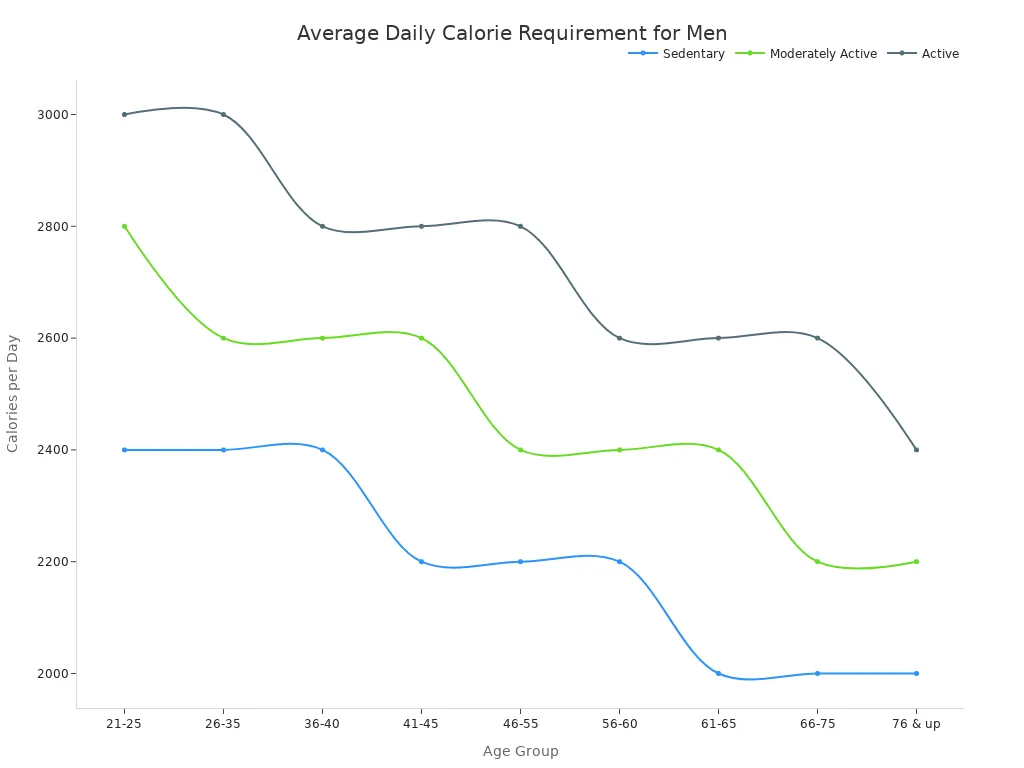
Your daily calorie needs depend on your age and how much exercise you get.
| Age (years) | Sedentary (calories) | Moderately Active (calories) | Active (calories) |
|---|---|---|---|
| 19-30 | 2,400-2,600 | 2,600-2,800 | 3,000 |
| 31-50 | 2,200-2,400 | 2,400-2,600 | 2,800-3,000 |
| 51+ | 2,000-2,200 | 2,200-2,400 | 2,400-2,800 |
Lifestyle Factors
Simple lifestyle choices are major causes of fatigue.
- Poor Sleep: Not getting good quality sleep is a direct path to low energy. Sleep deprivation can lower your testosterone levels, which are vital for energy. Even one week of poor sleep can reduce your vigor.
- Lack of Exercise: It may seem backward, but a lack of exercise makes you tired. Your body misses out on the energy-boosting endorphins that regular exercise provides. Inactivity can also disrupt sleep, creating a cycle of fatigue. Regular exercise is key.
- Dehydration: When you are dehydrated, your blood volume drops. This forces your heart to work harder to pump oxygen and nutrients, leading to low energy. Proper hydration is essential for any exercise routine.
Hormonal and Medical Conditions
Sometimes, persistent low energy signals a deeper medical issue.
🩺 Important Note: These conditions require a doctor’s diagnosis. If you suspect an underlying issue, schedule a visit with your healthcare provider.
- Low Testosterone: Low testosterone is a common cause of low energy in men. Testosterone is crucial for metabolism and energy production. Symptoms of low testosterone include fatigue, brain fog, and loss of muscle mass. Poor sleep can also worsen the effects of low testosterone.
- Thyroid Problems: Your thyroid gland controls your metabolism. An underactive thyroid (hypothyroidism) slows everything down, causing chronic fatigue that rest does not fix.
- Depression: Mental health directly impacts your physical energy. Depression often causes severe fatigue and a loss of interest in daily activities.
Addressing these factors, from your diet and exercise habits to checking for low testosterone, can help you solve the puzzle of your low energy.
Dealing with low energy in men is a complex problem. Your nutrition is the most powerful place to start. A balanced diet helps fight fatigue and can increase energy levels. Your diet should include iron, B vitamins, Vitamin D, magnesium, and zinc to combat low energy. These nutrients are vital for your energy. For men with persistent low energy, a good diet is your first step. However, some symptoms of fatigue require professional help.
🧑⚕️ Take Control of Your Energy: Do not ignore your symptoms of low energy. Schedule a visit with your doctor. You can discuss your low energy levels and create a plan to reclaim your vitality.
FAQ
Can I just take a multivitamin for my low energy?
You should not guess your nutrient needs. A blood test confirms specific deficiencies. This allows you to target the exact nutrients you lack. A doctor can guide your supplementation safely.
How quickly will I feel better after changing my diet?
Your results will vary. Some men feel better in a few weeks. Others may need a few months. Consistency with your diet and any recommended supplements is the most important factor for success.
Will exercise make my fatigue worse?
It might seem strange, but regular exercise can increase your energy. Start with light activities like walking. This type of exercise boosts circulation and mood. You can build intensity over time.
What if my diet and exercise are good, but I’m still tired?
🩺 See a Doctor: If a healthy diet and regular exercise do not help, you should see a doctor. Persistent fatigue can signal other medical issues like low testosterone or thyroid problems.
See Also
Magnesium for Newbies: A Simple Guide to Confident Supplementation
Protein’s Role in ADHD: An Essential Introduction for Beginners
Naxttii Health Vitamins: Understanding Their Efficacy and Timeline
Protein and ADHD: A Scientific Guide for Health-Conscious Families
Copper in Nutrition: Functions, Benefits, and Supplementation Guidance Explained