

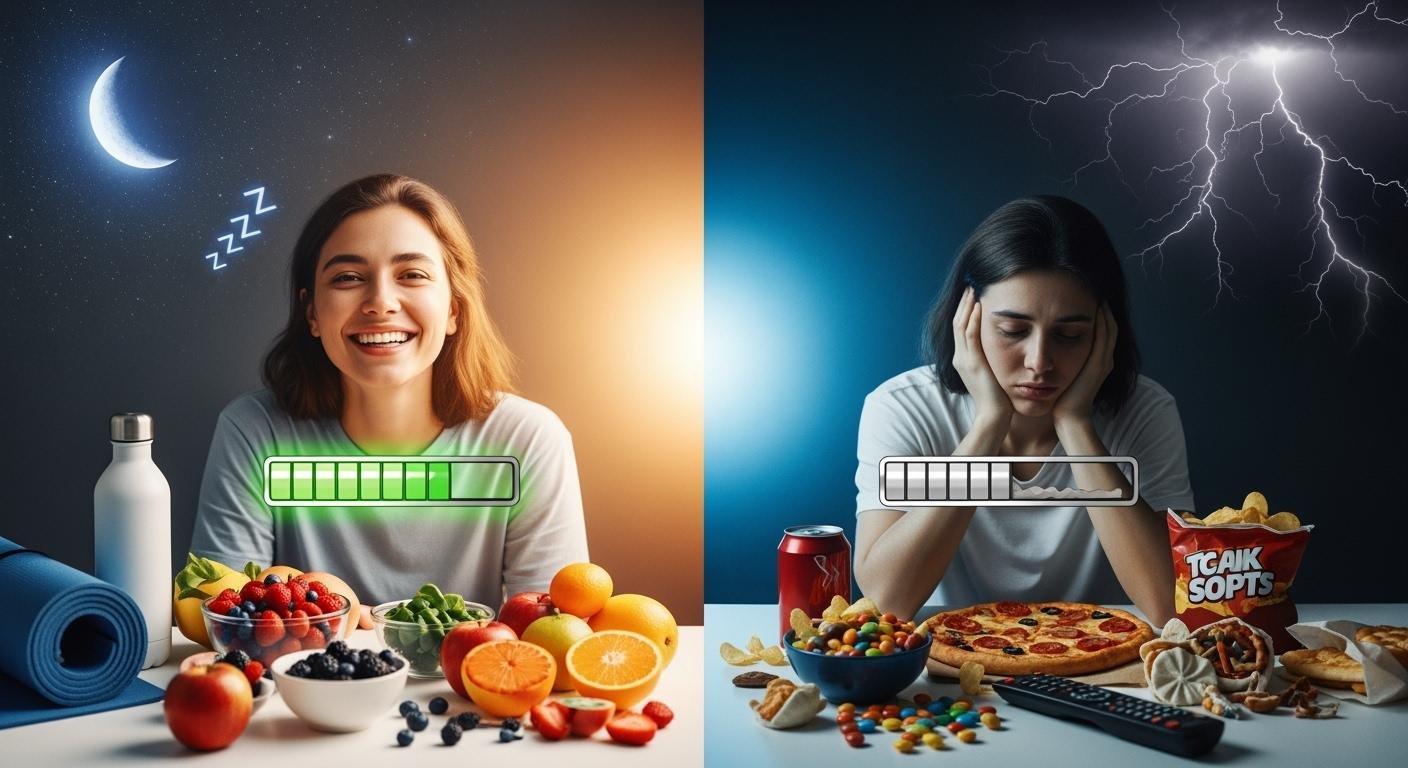
Do you often feel tired? You are not alone. About 20.4% of adults report a lack of energy. Your daily energy connects to a simple idea: energy balance. This balance is the relationship between the energy your diet provides and the energy your body spends. Your lifestyle choices control this balance. A small change in your lifestyle can improve your energy. This article explains how your lifestyle can increase your daily vitality.
Your Body’s Energy Equation
Your body manages a constant energy flow. Think of it like a budget. You deposit energy from food and spend it on daily activities. A healthy lifestyle maintains a good balance in this budget. Your overall health depends on this delicate energy flow.
Energy In: Fueling with Quality
You get energy from the food you eat. Your body converts your diet into a special molecule called Adenosine Triphosphate (ATP). ATP is the main source of bioenergy for your cells. When a cell needs energy, ATP releases a burst of bioenergy. It then becomes ADP (Adenosine Diphosphate). Your body constantly recycles ADP back into ATP, creating a continuous bioenergy flow. This process is called cellular respiration.
Your body’s ability to produce bioenergy depends on your nutrition. The process works like this:
- Your body breaks down food from your diet into molecules like glucose.
- These molecules enter your cells’ powerhouses, the mitochondria.
- Mitochondria use oxygen to turn these molecules into large amounts of ATP bioenergy.
This efficient bioenergy production gives you sustained energy. A poor lifestyle can disrupt this bioenergy flow.
Energy Out: How Energy is Spent
Your body spends energy in three main ways. The first and largest part is your Basal Metabolic Rate (BMR).
What is BMR? 🧠 Your BMR is the minimum energy your body needs to function at rest. It powers vital tasks like breathing, circulating blood, and maintaining body temperature. BMR accounts for about 60-75% of your total daily energy use.
The second way you use energy is through the Thermic Effect of Food (TEF). Your body uses energy to digest and absorb nutrients. This process accounts for about 10% of your daily energy expenditure. The final part of your energy spending comes from physical activity. Your lifestyle choices directly control this part of the equation.
Key Lifestyle Choices for Energy

Your daily habits directly control your energy levels. You can boost your vitality by making smart lifestyle choices in three key areas: movement, nutrition, and sleep. An intensive lifestyle change in these areas can dramatically improve your bioenergy flow. Understanding how each choice impacts your body’s bioenergy production is the first step toward a more energetic life.
Movement and Mitochondrial Health
Regular physical activity is a powerful tool for enhancing physical health. It directly increases your cellular bioenergy. Your cells contain tiny powerhouses called mitochondria. These structures convert nutrients into the bioenergy your body uses. When you exercise, you send a signal to your body to create more mitochondria. This process is called mitochondrial biogenesis.
How Exercise Builds More Powerhouses 🧬 Physical activity triggers a complex cellular response to meet higher energy demands.
- Exercise activates key regulators like PGC1α.
- PGC1α then signals other factors to build new mitochondrial components.
- This leads to the creation of new, efficient mitochondria.
More mitochondria mean your body can produce more bioenergy from the food you eat. This improves your overall energy capacity. A sedentary lifestyle has the opposite effect. Inactivity tells your body it does not need a robust energy system. This can lead to fewer mitochondria and a lower capacity for bioenergy production, making you feel tired.
A consistent exercise routine is crucial. Moderate-intensity continuous training is an effective form of exercise. For example, exercising for 40 minutes at a moderate pace can significantly boost markers of mitochondrial content and function. This type of exercise improves your body’s ability to use oxygen, leading to better physical health and sustained energy. This change in your lifestyle creates a positive energy flow.
Strategic Eating for Vitality
The food you eat is the raw material for your bioenergy. Strategic eating helps maintain stable blood sugar, which prevents energy spikes and crashes. Your nutrition plan should focus on complex carbohydrates, lean proteins, and proper hydration for a steady energy flow.
1. Choose Complex Carbohydrates Carbohydrates are your body’s preferred source of fuel. However, not all carbs are equal.
- Simple carbohydrates, like those in sugary drinks and white bread, digest quickly. They cause a rapid rise in blood sugar, giving you a short burst of energy followed by a crash.
- Complex carbohydrates, found in foods like oatmeal, brown rice, and sweet potatoes, are made of long sugar chains. Your body takes longer to break them down. This ensures a slow, steady release of glucose into your bloodstream for sustained bioenergy. A plant-based diet rich in these foods supports long-term energy.
2. Include Lean Protein Protein plays a vital role in stabilizing your energy. When you eat protein with carbohydrates, it slows down digestion. This prevents sharp spikes in your blood sugar.
Lean protein sources like chicken, fish, beans, and tofu help you feel full and focused for longer. Spacing protein throughout your day supports metabolic health and provides a steady supply of building blocks for your body. This is a key part of a healthy diet.
3. Stay Hydrated Water is essential for nearly every bodily function, including bioenergy production. Even mild dehydration can have a big impact. A fluid loss of just 2% of your body weight can impair attention and memory. Your brain has to work harder when dehydrated, which leads to feelings of fatigue. Women may be more susceptible to mood changes and concentration issues from mild dehydration. Drinking enough water is a simple yet powerful way to maintain your energy.
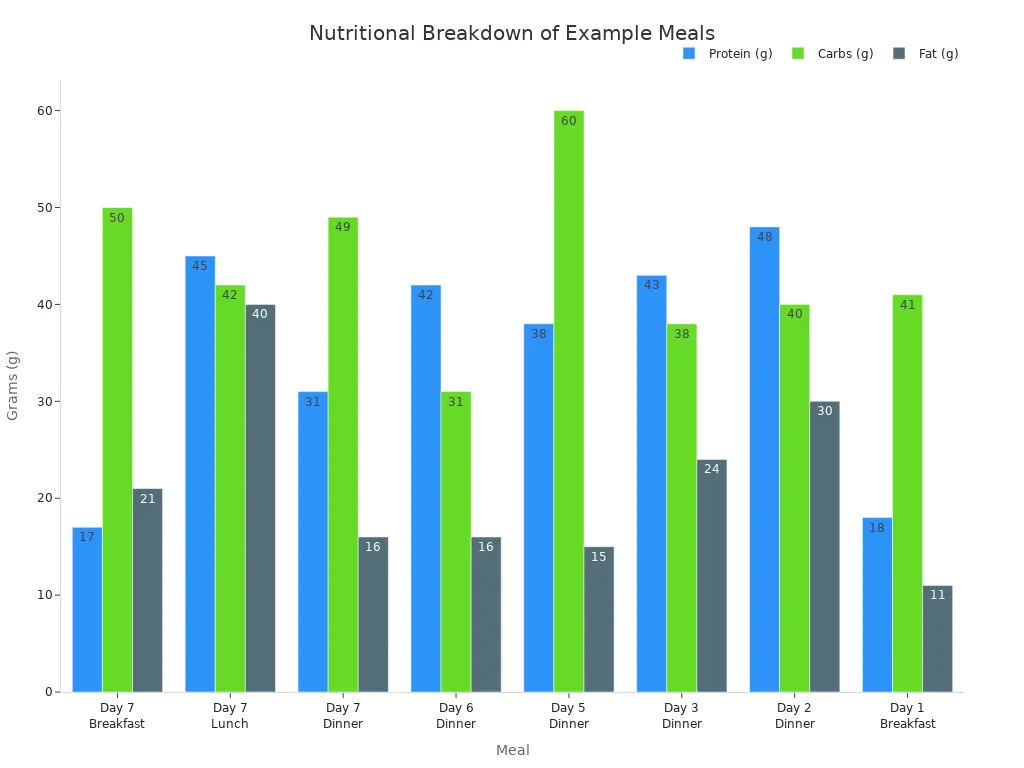
Here are some examples of meals that balance these three elements for optimal energy. This type of plant-based nutrition can be a cornerstone of your new lifestyle.
| Meal | Complex Carbs | Lean Protein | Healthy Fats |
|---|---|---|---|
| Breakfast | 1 cup cooked oatmeal | 1/2 cup non-fat milk | 2 tablespoons almond butter |
| Lunch | One baked sweet potato | 6-ounce baked chicken breast | 2 tablespoons balsamic vinaigrette |
| Dinner | 1 cup brown rice | 4-ounce baked salmon | N/A |
Sleep: The Ultimate Energy Recharge
Sleep is not a passive state. It is an active and essential process for restoring your physical and mental energy. During sleep, your body repairs itself and your brain consolidates memories. A good night’s sleep is fundamental to your health and well-being. The quality of your sleep directly impacts your daytime bioenergy levels.
Your sleep cycle consists of four distinct stages:
- NREM 1: This is the light transition stage into sleep.
- NREM 2: Your heart rate slows and body temperature drops, preparing you for deep sleep.
- NREM 3: This is deep sleep, crucial for physical restoration. Your body repairs tissues, builds muscle, and strengthens your immune system. This stage provides the bioenergy you need to feel refreshed.
- REM Sleep: This is the dreaming stage. Your brain processes emotions and information, which is vital for learning and memory.
Most adults need 7 to 9 hours of sleep per night for optimal energy. Lack of sleep disrupts important hormones. It can decrease your body’s sensitivity to insulin and increase levels of the stress hormone cortisol. This hormonal imbalance can hurt your metabolism and drain your energy. Making an intensive lifestyle change to prioritize sleep can reverse these effects.
Improving your sleep hygiene is a powerful lifestyle change. A research-based intensive lifestyle change often includes better sleep habits. Consider these energy practices:
- Create a Restful Environment: Keep your bedroom cool, dark, and quiet. Remove screens and digital clocks.
- Stick to a Schedule: Go to bed and wake up around the same time every day, even on weekends.
- Watch Your Diet: Avoid caffeine and large meals late at night.
- Practice Relaxation: Incorporate stress management techniques like mindful breathing before bed. Simple breathing exercises can calm your nervous system and prepare your body for rest.
A better sleep lifestyle is a non-negotiable part of having more energy.
Building an Energetic Lifestyle

Transforming your lifestyle for more energy does not require a complete overhaul. An intensive lifestyle change can begin with small, manageable steps. These minor adjustments create a powerful ripple effect, improving your overall well-being and bioenergy flow. This approach makes a new lifestyle feel achievable and sustainable.
The Power of Small Changes
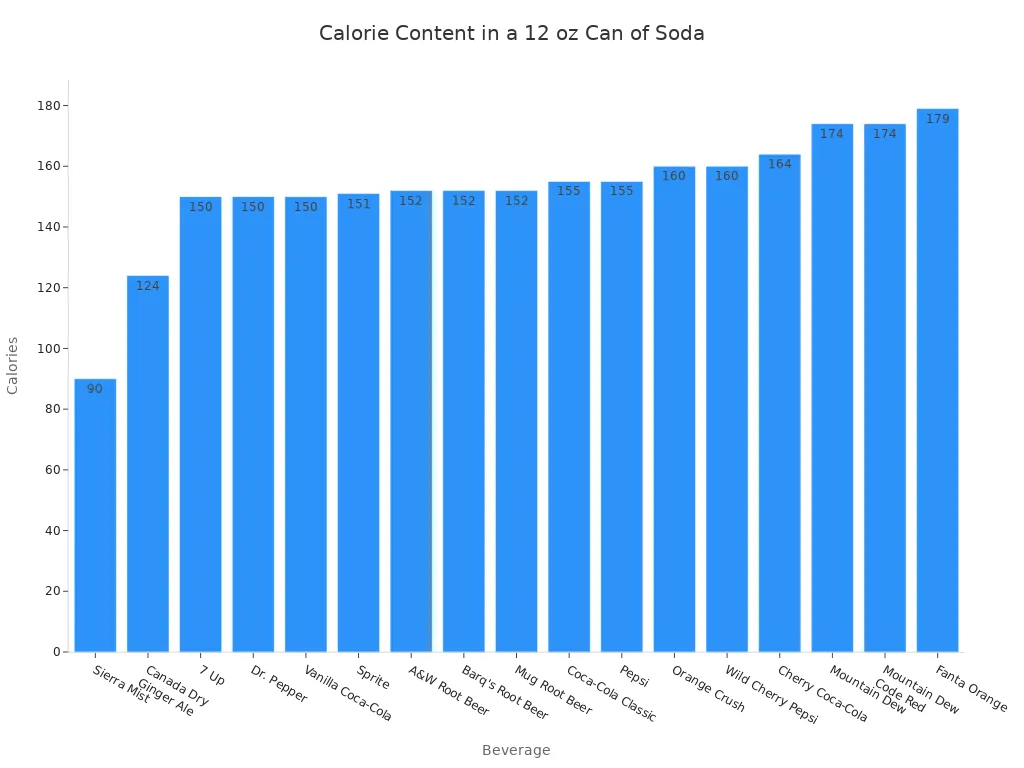
The principle of small changes is simple. You can significantly alter your energy balance with minor daily decisions. Consider a daily shift of about 150 calories. You can achieve this change easily. For example, a brisk 20-minute walk improves your physical health and cardiovascular fitness. This simple exercise boosts your bioenergy production. Alternatively, you can skip one can of soda.
Soda’s Hidden Cost 🥤 A typical 12-ounce can of soda contains around 150 calories and up to 10 teaspoons of sugar. This leads to a quick energy spike followed by a crash, disrupting your bioenergy flow.
One person, Rachel, boosted her energy with an intensive lifestyle change. Her plan included nutrient support and reintroducing 20-minute workouts. This small change gave her more morning energy and motivation. Her story shows how a targeted lifestyle change program can restore vitality. Your own intensive lifestyle change can have a similar impact.
Simple Swaps for More Energy
You can build a more energetic lifestyle by swapping old habits for new, health-promoting strategies. These simple exchanges support a steady bioenergy flow throughout your day.
- Swap Your Drink: Instead of reaching for a sugary soda, try infused water or unsweetened green tea. This change hydrates you without the energy crash.
- Swap Your Breakfast: Trade a sugary cereal for a veggie omelet or oatmeal with added protein. This provides sustained energy instead of a mid-morning slump.
- Swap Sedentary Time for Movement: Take the stairs instead of the elevator. Walk to a coworker’s desk instead of sending an email. These “exercise snacks” break up long periods of sitting and improve your bioenergy.
- Swap Stress for Calm: When you feel overwhelmed, practice mindful breathing for one minute. This simple stress management technique calms your nervous system. Proper breathing is key to a healthy energy flow.
Each swap is a small step in your intensive lifestyle change. These consistent lifestyle choices build momentum, leading to a profound change in your daily energy levels.
Your daily energy is not random. It is a direct result of your lifestyle choices involving diet, activity, and sleep. You have the power to change your lifestyle. Start with one small change, like adding a 10-minute walk or drinking more water. This single change can improve your energy. These consistent efforts build a new lifestyle, boosting your vitality and improving your overall quality of life. Take control of what you can today.
FAQ
How soon will I feel more energy after changing my habits?
You may notice small improvements in your energy within a few days. Significant, lasting changes often take a few weeks of consistent effort. Your body needs time to adapt to new routines.
Is coffee a good source of energy?
Coffee provides a temporary boost from caffeine, a stimulant. It does not give your cells true energy. For sustained vitality, you need quality nutrients from food and good sleep.
What is the single most important lifestyle change for more energy?
Prioritizing sleep is a powerful lifestyle change. Most adults need 7 to 9 hours nightly. Quality sleep allows your body to repair itself and restore its systems, which is crucial for daytime vitality.
Tip 💡 Try going to bed just 15 minutes earlier tonight. This small step can make a big difference.
Do I need to be perfect with my new lifestyle?
No, consistency is more important than perfection. Aim for progress, not a flawless record. If you have an off day, simply return to your healthy habits the next day. A balanced lifestyle has room for flexibility.
See Also
Top 5 Vegan Joint Supplements: A Science-Based Consumer Guide
Methylated Vitamins: Unlocking Optimal Absorption for Enhanced Health and Wellness
Protein and ADHD: A Scientific Connection for Healthier Family Lifestyles
5-MTHF Supplement: Science-Backed Advantages for Contemporary Health and Wellness
Understanding ADHD and Protein: An Essential Guide for Beginners