


Embrace your journey of aging with vitality! You can shape your future by focusing on five key areas: a healthy diet, regular activity, brain engagement, social connection, and preventive care.
Your daily habits are incredibly impactful. Research shows lifestyle choices, not genetics, shape the vast majority of your long-term wellness.
These health tips are your tools for an excellent quality of life. Adopting these healthy habits is your first step toward vibrant, healthy aging, helping you add more life to your years.
Fuel Your Body with a Healthy Diet
Think of food as the ultimate fuel for your body. The right nutrition gives you energy, supports your muscles, and sharpens your mind. Creating healthy eating habits is a powerful step toward healthy aging. A balanced diet, combined with regular activity, is also your best tool for maintaining a healthy weight. Your journey starts with simple, positive changes to your daily diet.
Focus on Nutrient-Dense Foods
You can transform your plate into a powerhouse of wellness. A great starting point is to fill half your plate with colorful fruits and vegetables. Then, add lean proteins and whole grains to complete your meal. This simple habit ensures you get a wide range of vitamins and minerals.
Focus on foods packed with benefits:
- Leafy Greens & Berries: These are full of antioxidants that fight inflammation.
- Fatty Fish & Avocados: They provide healthy fats for your heart and brain.
- Tomatoes & Pomegranates: These can help protect your skin and support overall health.
Proper nutrition is vital for the aging process. Your body needs specific nutrients to thrive.
Key Nutrients for Your Diet As you get older, focus on getting enough of these key nutrients:
- Calcium: 1,200 mg daily for adults over 50.
- Vitamin D: 600-800 IU daily for adults over 50.
- Vitamin B12: 2.4 mcg daily, though some experts recommend 100-400 mcg from supplements due to absorption issues.
- Potassium: Around 2,600 mg (females) to 3,400 mg (males) daily.
Many healthy eating patterns can guide your choices. You can find a diet that fits your lifestyle and tastes.
| Dietary Pattern | Key Characteristics |
|---|---|
| Mediterranean Diet | Emphasizes olive oil, plants, fish, and moderate dairy. |
| Healthy Plant-Based | Prioritizes whole grains, fruits, vegetables, nuts, and legumes. |
| Traditional Asian Diets | Features rice, diverse vegetables, soy, and phytochemical-rich spices. |
| Healthy U.S.-Style Diet | Aligns with USDA guidelines, focusing on whole foods and lean proteins. |
Limit Processed Items
Making smart food choices also means knowing what to limit. Ultra-processed foods often contain high levels of added sugar, unhealthy fats, and sodium. These items can increase inflammation and contribute to health issues. A diet high in processed foods can even reduce your intake of essential vitamins and minerals.
When you shop, become a label detective. Manufacturers use many different names for sugar and salt. Look for terms like “high-fructose corn syrup” for sugar or “monosodium glutamate” for sodium. Choosing whole, unprocessed foods is one of the best habits you can build for your long-term wellness. This simple switch in your diet makes a huge difference.
Embrace Activity for Healthy Aging

Movement is your key to a vibrant life. Regular physical activity helps you maintain your strength, energy, and independence as you navigate the journey of aging. Embracing an active lifestyle is one of the most powerful choices you can make for your long-term wellness and healthy aging. This simple commitment to activity builds a foundation for a healthier future.
Mix Your Workouts
Your body loves variety. A well-rounded exercise routine is more effective and keeps you engaged. Combining different types of training helps you avoid injuries and improves your overall mobility. A great exercise plan includes endurance, strength, and balance activities. This mix enhances your stability and is crucial for preventing falls. You can find a fun activity that fits your style.
Consider adding these to your week:
- Brisk walking or hiking
- Swimming or water aerobics
- Dancing
- Gardening or yard work
- Yoga or Tai Chi for balance
This variety in your exercise program directly supports your strength and balance, making everyday movements easier and safer.
Aim for Consistency
Building good habits is about consistency, not perfection. Your goal is to make physical activity a regular part of your life. Consistent exercise delivers far greater benefits than occasional workouts.
Your Weekly Activity Goal Health experts recommend that every week, you get:
- At least 150 minutes of moderate-intensity activity.
- At least 2 days of activities that build muscle strength.
- Activities to improve your balance.
Finding an exercise you enjoy makes it easier to stick with your new habits. Even small bursts of activity add up. Being sedentary can weaken your legs and harm your balance, but consistent exercise builds your strength and improves your balance. This focus on balance is your best defense against falls. Start today and build a routine that supports your long-term health and balance.
Sharpen Your Mind and Manage Stress
Your mental well-being is a cornerstone of healthy aging. A sharp mind and calm spirit help you maintain your independence and enjoy a high quality of life. You can build powerful habits to protect your cognitive health. These practices support your brain and help you manage daily pressures.
Keep Your Brain Engaged
You can strengthen your brain just like a muscle. Frequent cognitive activities build your brain’s resilience. This stimulation can even delay the onset of cognitive decline. Keeping your mind active is a key part of your wellness journey. You can find many fun ways to challenge your cognitive abilities.
Try these brain-boosting activities:
- Learn a new language or instrument. These hobbies improve your memory and cognitive control.
- Play games and solve puzzles. Crosswords and Sudoku sharpen your cognitive flexibility.
- Join a book club. Discussing stories enhances your memory and social connections.
- Take up dancing. It combines physical exercise with cognitive tasks like coordination and rhythm.
These engaging cognitive habits help you build a stronger, more adaptable brain.
Prioritize Quality Sleep
Rest is essential for your brain to repair and recharge. Adults over 65 should aim for seven to eight hours of sleep each night. Poor sleep can seriously affect your cognitive function and physical health. It makes daily tasks feel harder and can impact your mood. Good sleep is one of the most important habits for your well-being.
Poor sleep quality combined with inactivity leads to worse performance on cognitive tests. Your brain needs both physical activity and quality rest to function at its best.
Making sleep a priority helps protect your long-term cognitive health.
Practice Stress Management
Chronic stress can harm your body. It raises inflammation and contributes to health issues. You can learn simple techniques to calm your mind and body. These practices help you feel more in control and peaceful.
“Mindfulness techniques that can enhance physical and mental well-being in older adults include meditation, gentle yoga, and breathing exercises. These mindfulness practices improve cognitive functioning and reduce stress.” – Talkspace therapist Dr. Olga Molina, D.S.W., LCSW
Try simple breathing exercises. Inhale slowly, hold your breath, and then exhale completely. This technique can instantly reduce your stress.
Nurture Your Social Well-Being

Strong relationships are vital for your happiness and health. Connecting with others brings joy and purpose to your life. Building positive social habits is a key investment in your long-term wellbeing. These connections support your emotional health and can even help you live longer. Your social life is a powerful tool for a better quality of life.
The Power of Connection
You are not meant to go through life alone. Feeling isolated is a serious health risk. Research shows a lack of social connection can be as harmful as smoking or obesity. Strong relationships are linked to greater chances of survival as you age. These bonds protect your health and help you maintain your independence.
Your brain also thrives on connection. Engaging with others keeps your mind sharp and resilient.
Meaningful social interactions boost your brainpower. They improve your memory and attention. These connections also provide emotional support, which reduces stress and helps protect your brain from decline.
Ways to Stay Socially Active
You can find many ways to build and maintain your relationships. The key is to find activities you enjoy. Creating these new habits can be fun and rewarding. You can strengthen your social circle and feel more connected to your community.
Explore these ideas to stay socially active:
- Volunteer your time. Help at a local library, animal shelter, or community center. Mentoring a young person is another great way to share your skills.
- Join a group or club. Find a book club, walking group, or class that matches your interests.
- Use technology to connect. Video calls on platforms like Zoom or FaceTime help you see family and friends who live far away. Social media can also help you share moments and stay in touch.
- Reach out regularly. Make it a point to call a friend or have coffee with a neighbor. Small efforts make a big difference.
Partner with Your Doctor
Think of your doctor as your health partner. Working together is a powerful way to protect your well-being. This partnership helps you catch problems early and make smart choices for your future. Your proactive approach is a key step toward a long, healthy life.
Schedule Regular Check-ups
Regular visits to your doctor are your best tool for prevention. These check-ups help find health issues before they become serious. Early detection is crucial for managing conditions and maintaining your independence. Your doctor can screen for many common concerns.
What Your Doctor Looks For 🩺 Regular screenings are vital for prevention and can detect:
- High blood pressure and high cholesterol
- Type 2 diabetes
- Osteoporosis, or thinning bones
- Cancers like colon, breast, and prostate
- Vision and hearing loss
- Depression and memory concerns
You should also talk to your doctor about important lifestyle choices. If you smoke, it is never too late to quit. Quitting around age 60 can add about three years to your life. Your doctor can provide effective support to help you succeed. Also, remember to schedule routine exams for your eyes, ears, and teeth. Experts recommend an eye exam every one to two years and a dental visit at least once a year.
Know Your Key Health Numbers
Understanding your health numbers empowers you to take control. These numbers give you a clear picture of your health. Your doctor can help you track them over time.
Key numbers to watch include your blood pressure, cholesterol, and blood sugar. Knowing these values helps you and your doctor make informed decisions.
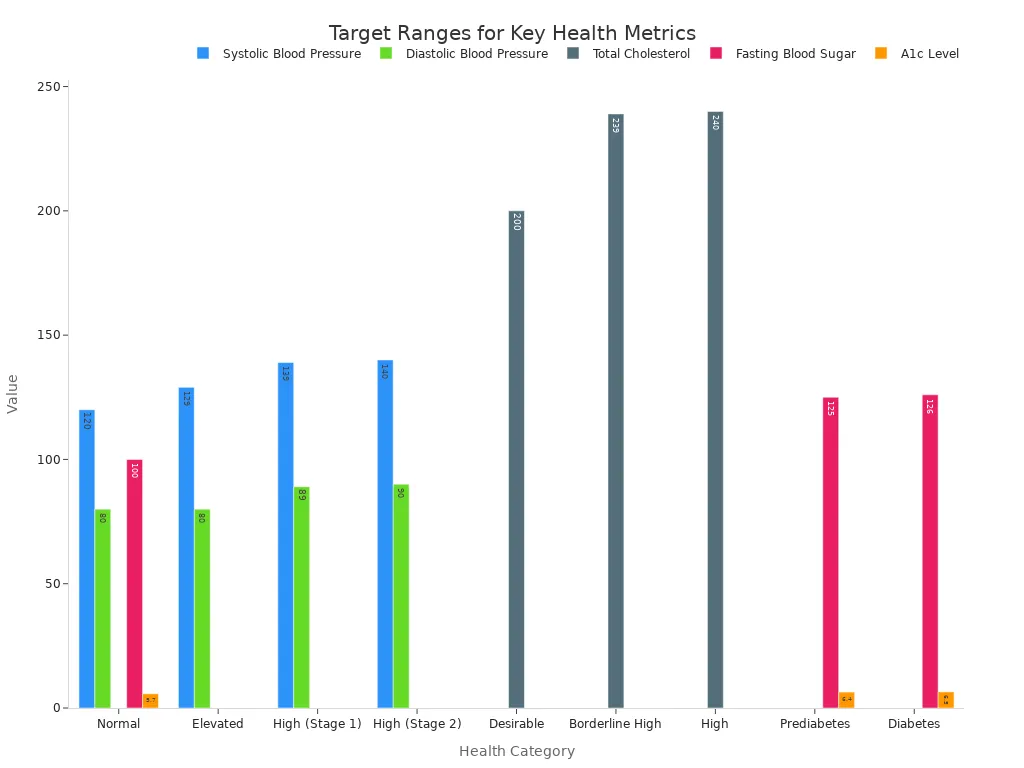
Your body shape also tells an important story. Ask your doctor to measure your waist circumference along with your weight. A larger waist can signal health risks, even if your weight seems normal. This simple measurement gives you a more complete view of your wellness.
Your journey to healthy aging is built on five pillars. You can improve your quality of life by focusing on these areas:
- Fueling your body with a healthy diet
- Embracing regular activity
- Keeping your mind sharp
- Nurturing social connections
- Partnering with your doctor
You can start today. Choose one small change to begin building healthy habits. The process of aging is a gradual journey. Your consistent healthy habits are the most powerful tools you have.
FAQ
How can I start if I feel overwhelmed?
You can start with one small change. Choose the easiest goal for you. Maybe you will take a short walk each day or add one vegetable to your dinner. This simple first step empowers you to build momentum and create lasting healthy habits.
What is the easiest way to improve my diet?
You can transform your meals with a simple rule. Fill half your plate with colorful fruits and vegetables. This one change adds powerful nutrients to your diet. It is an easy way to fuel your body for a vibrant life.
Do I need a gym for healthy aging?
No, you do not need a gym! You can find joy in many activities.
- Brisk walking
- Dancing in your living room
- Gardening
- Swimming
The best exercise is one you love and do consistently. Your goal is to keep your body moving.
How important is social connection really?
Your social connections are incredibly important. They are just as vital as a healthy diet and regular exercise for your well-being.
Strong relationships protect your brain, reduce stress, and bring purpose to your life. Nurturing your friendships is a powerful act of self-care.
See Also
Unlock Modern Wellness: The Science-Backed Advantages of 5-MTHF Supplements
L-Methylfolate 5 mg: Understanding Its Benefits for Optimal Health Support
Methylfolate (5-MTHF): Your Science-Backed Guide to Safe and Effective Supplementation
Alpha Lipoic Acid (ALA): Benefits and Integration into Your Wellness Routine
Elderberry Explained: Benefits and Essential Guide to Supplementation