


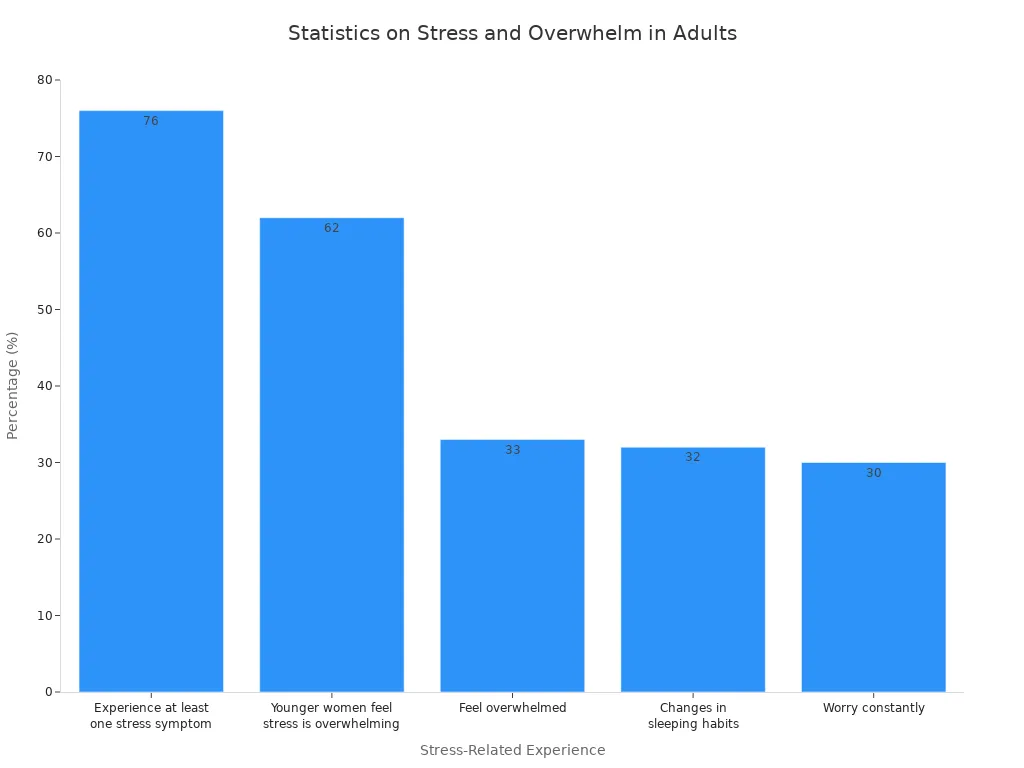
Does your mind ever feel too noisy? You are not alone. Recent studies show that 76% of adults experience stress symptoms, and a third feel overwhelmed.
Journaling offers a simple path to mental clarity. This powerful practice helps sharpen your focus. You can create instant mental space by putting your thoughts onto paper. Effective journaling moves ideas from your head to the page, bringing immediate order and relief.
Why Journaling Creates Mental Clarity

Journaling is more than just writing; it is a powerful exercise for your mind. You can transform a chaotic inner world into an organized space. This practice builds a direct path to mental clarity and better mental health. Let’s explore how this simple habit creates such profound change.
Externalize Thoughts to Reduce Overwhelm
Your mind often replays the same worries in a “worry loop.” Writing breaks this cycle. When you put thoughts on paper, you move them out of your head. This act creates immediate distance and relief. Studies show that externalizing your feelings frees up cognitive resources. You can then focus on tasks instead of anxieties. This simple transfer from mind to page quiets the noise and helps you regain control.
Identify Patterns to Gain Control
Your journal becomes a mirror for self-reflection. Reviewing your entries helps you see recurring thoughts and behaviors. You might notice you are hard on yourself or often expect the worst. Identifying these patterns is the first step toward change. This form of self-reflection is a cornerstone of strong mental health. You empower yourself to challenge and reframe negative thoughts, which is crucial for lasting mental health improvements.
Use Journaling as a Coping Tool
Your journal offers a safe, private space to process difficult feelings. Using journaling as a coping tool allows you to explore emotions without judgment. This practice helps you develop effective coping mechanisms for stress and adversity.
A Path to Resilience: Regular journaling builds emotional awareness and resilience. You learn to navigate your feelings constructively, which strengthens your mental health and prevents emotions from clouding your judgment. This self-reflection fosters better mental health.
Clarify Priorities and Intentions
Writing helps you discover what truly matters. When you journal, you train your brain to focus on your most important goals and values. Research shows that people who write down their goals are significantly more likely to achieve them. Using journaling prompts can guide this process. You can ask yourself what you want to accomplish or what brings you joy. This practice provides the mental clarity needed to live with purpose and intention, supporting your long-term mental health.
Practical Journaling Techniques
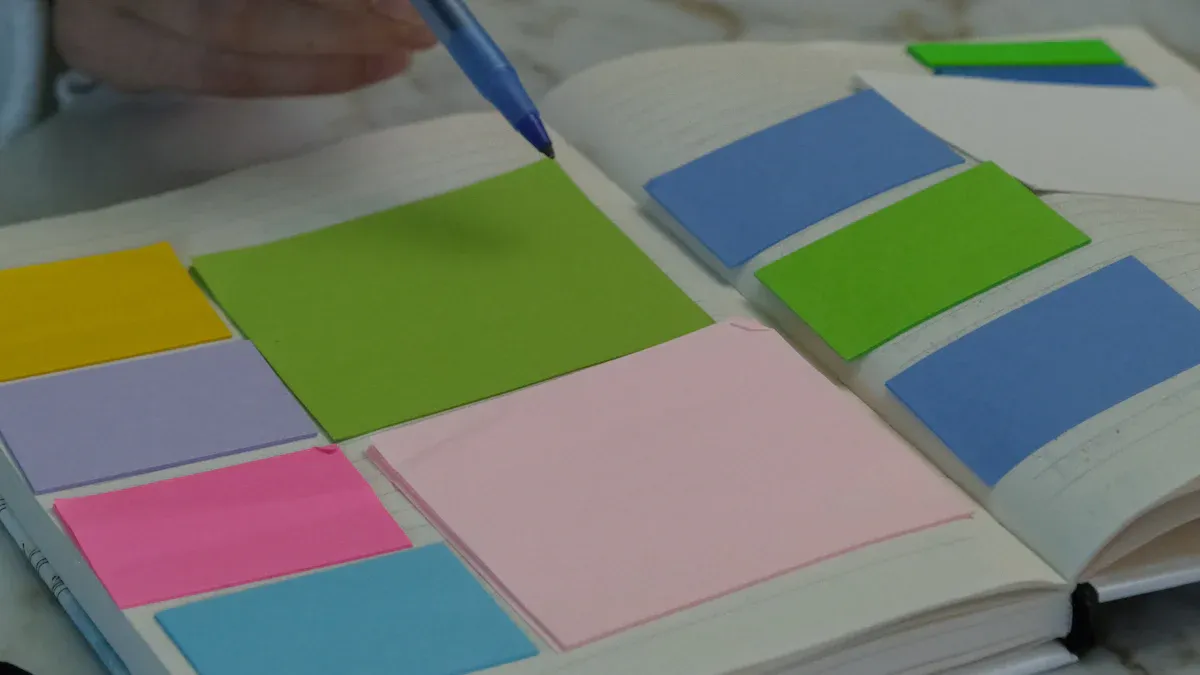
Knowing that journaling works is the first step. Now, you can explore practical ways to start. These techniques are simple tools to help you clear your mind and build focus. You do not need to be a great writer. You just need to be willing to try. Find the method that feels right for you and begin your journey to better mental health.
The Brain Dump for Instant Relief
The brain dump is your go-to tool for immediate mental relief. It is the simple act of getting every thought out of your head and onto paper. This technique is for clearing clutter, not creating literature.
Ready to try it? Follow these simple steps:
- Set a Timer: Give yourself 5 to 10 minutes. A short timeframe keeps the task from feeling overwhelming.
- Grab Your Tools: Use a pen and paper. The physical act of writing by hand is more effective than typing for this exercise.
- Write Everything: Do not censor yourself. Write down worries, to-do lists, random ideas, and nagging feelings. Let it all flow onto the page.
- Step Back: Once the timer goes off, take a breath. You have successfully moved the noise from your mind to the paper.
You can perform a brain dump whenever you feel overwhelmed. A morning session helps you highlight priorities for the day. A session before bed can calm your mind for better sleep.
Clinical psychologist Dr. Monica Vermani uses a similar method with her patients. She calls it a “Worry Log.” Writing down racing thoughts at the end of the day calms the mind. This process supports a good night’s sleep and better mental health.
Structured Prompts for Targeted Focus
Sometimes, a blank page can feel intimidating. Structured journaling prompts give you a starting point. They guide your self-reflection toward a specific goal, whether it is solving a problem or reducing anxiety. Using journaling prompts helps you dig deeper into your thoughts and feelings.
Here are some journaling prompts you can use for targeted self-reflection:
- What is the main challenge I am facing right now?
- What are three potential solutions I can consider?
- What resources can help me solve this problem?
- What thoughts are distracting me at this moment?
- What are three things I can control right now?
- Describe a place where you feel completely at ease.
- What did I learn today that will help my career goals?
- What is one area I can learn more about to be better at my job?
- What do I want my career to look like in one year?
These journaling prompts are just examples. The right journaling prompts for you will address your unique needs. This focused journaling practice is excellent for your mental health. It turns vague worries into clear, actionable thoughts. This form of self-reflection is key to personal growth and strong mental health.
Gratitude and Affirmation Entries
Shifting your focus toward positivity can transform your mindset. Gratitude and affirmation journaling is a powerful way to do this. This practice trains your brain to notice the good in your life, which directly supports your mental health.
Start or end your day with this simple routine:
- List three things you are grateful for. They can be big or small. Maybe you are grateful for a sunny day, a kind word from a friend, or a delicious meal.
- Write one positive affirmation. An affirmation is a positive statement that you declare as true.
Research shows that gratitude journaling leads to lower stress and reduced psychological distress. It is a proven strategy for improving your overall mental health. Affirmations work by rewiring your brain for positivity. The physical act of writing them down reinforces them in your mind. This helps boost self-esteem and build resilience.
Here are some powerful affirmations you can use:
I am worthy of love, just as I am.My past experiences enrich my present journey.I embrace every part of me with unconditional love.
This simple journaling habit fosters a positive outlook and strengthens your mental health.
The One-Sentence Journal
If you feel short on time, the one-sentence journal is perfect for you. This technique proves that journaling does not need to take a long time to be effective. It is a simple, sustainable habit for daily self-reflection.
The goal is to capture the essence of your day in a single sentence. This practice helps you track moods, progress, and important moments over time.
Here are a few ways you can use it:
- Mood Tracking: “Today I felt energized and motivated after my morning walk.”
- Progress Tracking: “I took one small step toward my big goal by sending that email.”
- Memory Keeping: “I laughed so hard with my family at dinner tonight.”
You can also use a color-coding system. For example, you might assign green for a happy day, blue for a calm day, and red for an anxious day. This visual self-reflection makes it easy to see patterns in your feelings and overall mental health. This quick form of journaling makes consistency easy.
How to Make Journaling a Habit
Building a new habit can feel like a big challenge. The key is to make the process easy and enjoyable. You can turn journaling into a natural part of your day with a few simple strategies. These tips will help you build a consistent practice for lasting mental clarity.
Start Small and Be Realistic
You do not need to write pages every day to build a habit. In fact, starting small is a proven path to success. People who adopt minimal habits are 2.7 times more likely to maintain them long-term.
Embrace the Two-Minute Rule: This powerful idea from author James Clear suggests making a new habit take less than two minutes. Instead of trying to fill a whole page, just commit to writing one sentence. This small action lowers resistance and makes it easy to show up daily. A habit must be established before it can be improved.
Link It to an Existing Routine
You can build a new habit by connecting it to one you already have. This technique is called “habit stacking.” It uses an existing routine as a trigger for your new journaling practice. This method strengthens neural pathways in your brain, making the new action feel automatic over time.
Try this simple formula:
- Identify an existing habit, like drinking your morning coffee or brushing your teeth before bed.
- Decide to do your new habit immediately after.
- For example: “After I finish my morning coffee, I will write one sentence in my journal.”
This simple connection removes the need for motivation and makes your journaling habit stick.
Forget About Perfection
The biggest barrier to journaling is often the pressure to be perfect. Let go of that idea. Your journal is a private space for your thoughts, not a literary masterpiece. Do not worry about grammar, spelling, or how your handwriting looks. The goal is to gain clarity, not to create a perfect piece of writing. Focus on the act of showing up and getting your thoughts on the page. Consistency is far more important than quality.
Journaling is your personal and effective path to mental clarity. Remember, the goal is clear thinking, not perfect writing. The process itself brings relief, with studies showing it can reduce stress and depression symptoms. You have the power to quiet your mind and find focus.
Your journey to mental clarity can start right now. Grab any pen and paper. Take five minutes and write your first entry. Begin today.
FAQ
What if I don’t know what to write?
A blank page can feel big. You can start with a simple brain dump. Write down anything on your mind. You can also use a prompt like, “What is one thing I can control today?” Your first words are the perfect start.
How long should I journal each day?
You do not need to write for hours. Start with just five minutes. Even writing one sentence a day builds a powerful habit. Consistency is more important than length. You can always write more when you feel inspired. (writing hand)
Is it better to journal in the morning or at night?
The best time to journal is the time that works for you.
- Morning journaling helps you set intentions for the day.
- Night journaling helps you process your thoughts for better sleep.
Try both times. See what feels right for your routine.
Do I need a special notebook?
You do not need a fancy notebook to begin. Any piece of paper works. You can use a simple notepad or the back of an envelope. The magic is in the act of writing, not the tools you use. Your journey to clarity can start with what you have.
See Also
Unlocking the Link: Protein’s Role in Managing ADHD Symptoms
Magnesium Malate for Sleep: Your Science-Backed Path to Restful Nights
Methyl Folate Timing: A Comprehensive Guide for Optimal Absorption
Vitamin B12 for Tinnitus: A Patient’s Guide to Relief
Beginner’s Guide: Harnessing Magnesium Malate for Better Sleep