

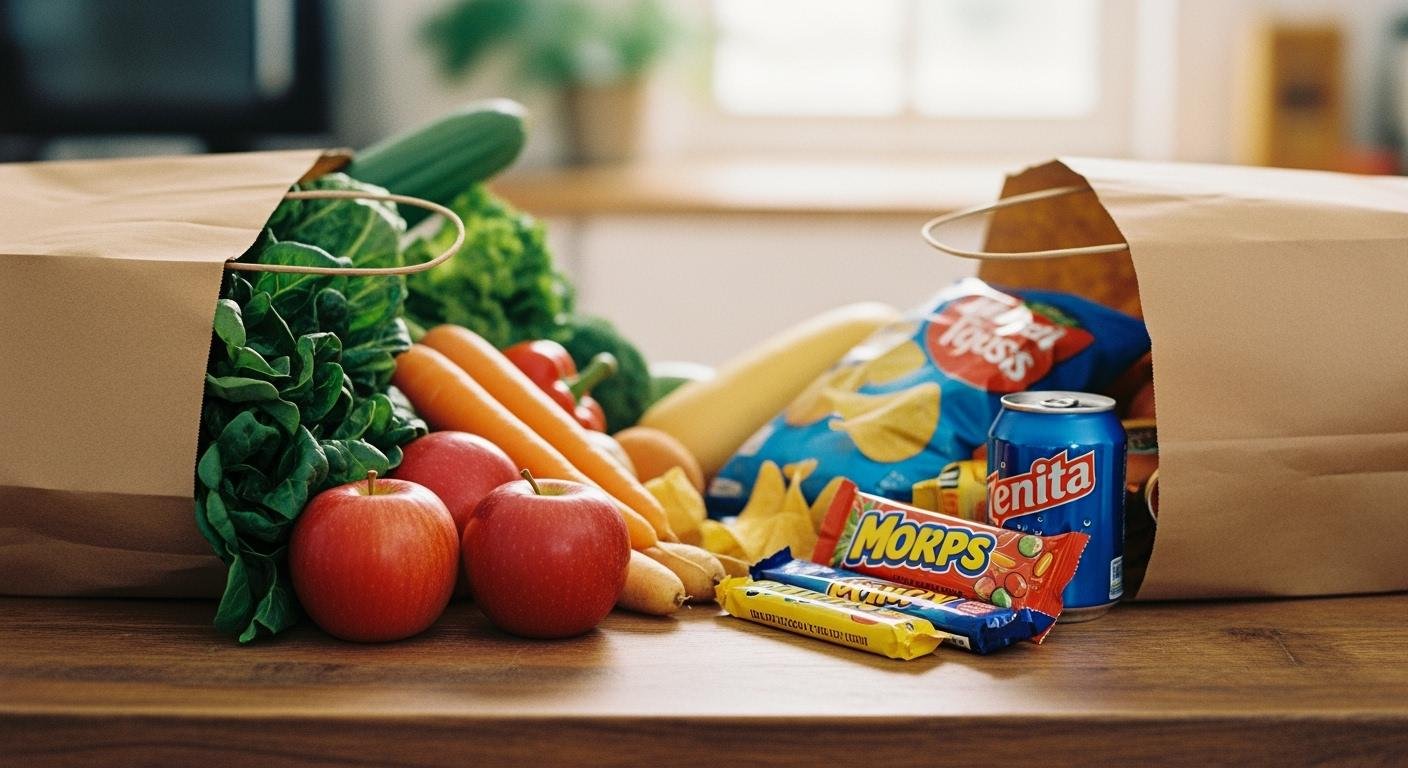
Your diet has a major impact on your physical health and overall well-being. A high intake of ultra-processed foods directly increases your risk for chronic disease burden. The impact of processed foods is significant, as they make up a large portion of daily calories.
| Age Group | Percentage of Calories from UPFs |
|---|---|
| Youth (1–18 years) | 61.9% |
| Adults (19+ years) | 53.0% |
This reliance on ultraprocessed foods also affects your mind. Research shows people who eat the most ultra-processed food are 53% more likely to experience depression. Understanding these processed products is key to making healthier choices for your whole health.
What Are Processed and Ultraprocessed Foods?
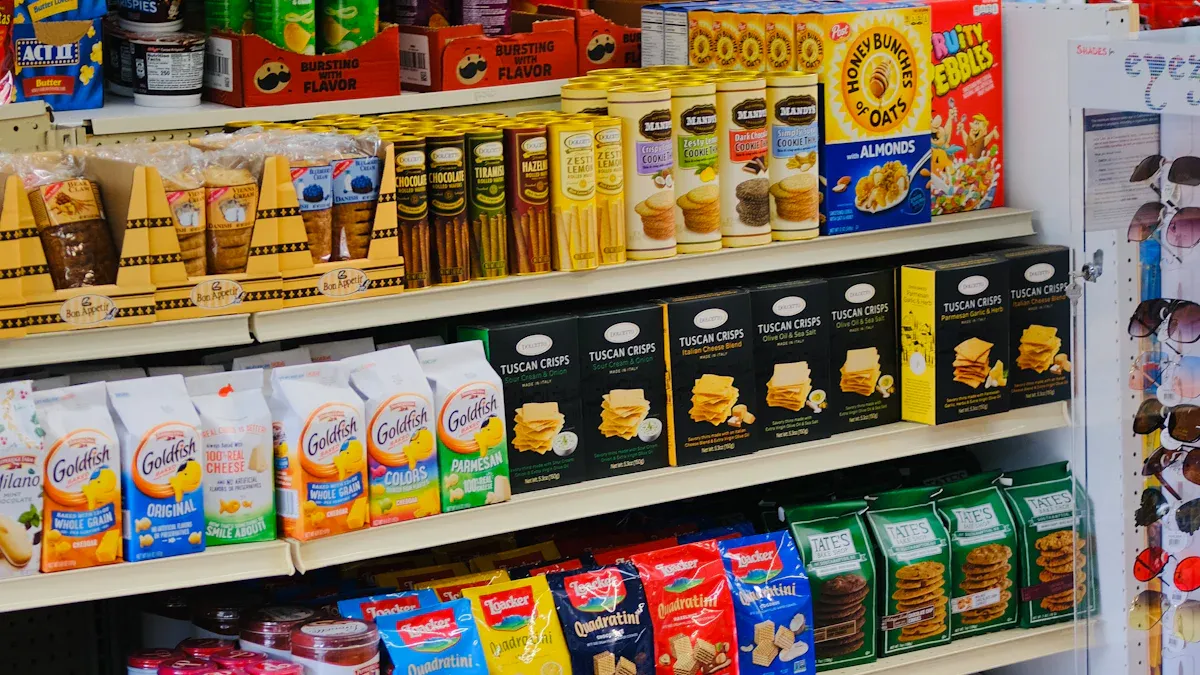
The term “processed” covers a wide range of foods. Not all processed foods are created equal. Food processing exists on a spectrum, from simple and safe methods to complex industrial formulations. Understanding this spectrum helps you make better choices.
The Spectrum of Food Processing
You can think of foods in different groups based on how much they are changed from their natural state.
- Minimally processed foods are whole foods altered slightly for preservation or convenience. Examples include bagged spinach, frozen fruit, and plain steel-cut oats. These minimally processed items keep their nutritional value.
- Processed foods are made by adding ingredients like salt, sugar, or oil to minimally processed foods. This group includes canned beans, simple cheeses, and freshly baked bread.
- Ultra-processed foods are industrial products. They result from multiple complex processes and contain many added ingredients. These are the highly processed items linked to health concerns.
Key Traits of Ultraprocessed Products
Ultra-processed foods are fundamentally different from other foods. The NOVA food classification system defines them as industrial formulations designed to be convenient and hyper-palatable.
An ultra-processed food is often made from substances extracted from foods, such as fats, starches, and added sugars. They include additives like artificial colors, flavors, and emulsifiers to imitate the sensory properties of unprocessed foods.
These products are engineered for a long shelf life and high profitability. You will find ingredients in an ultra-processed food that you would not use in your home kitchen. These include modified starches, hydrogenated oils, and flavor enhancers. The presence of these additives is a key sign that a food is ultraprocessed. An ultra-processed food is designed to be irresistible.
Identifying Common Culprits
You can find ultra-processed foods in nearly every aisle of the grocery store. They are often marketed as convenient meals and snacks. Common examples include:
- Packaged snacks like chips and cookies
- Sugary drinks and breakfast cereals
- Instant noodles and ready-to-eat meals
- Processed meats like hot dogs and deli slices
A large portion of sodium in the American diet, about 70 percent, comes from these packaged and restaurant foods. A simple way to spot an ultra-processed food is to check the label. If you see a long list of ingredients with many chemical-sounding names, the product is likely ultraprocessed. These ultraprocessed products are a major source of added sugars and unhealthy fats in modern diets.
The Health Impact of Processed Foods
The significant impact of processed foods on your body is a major public health concern. When you regularly consume ultra-processed foods, you increase your chances of developing serious, long-term health problems. The convenience of these products often hides their true cost to your whole health.
Links to Obesity, Diabetes, and Heart Disease
A diet high in ultra-processed food is directly linked to a higher risk of chronic disease. Large-scale studies show a clear pattern. High intake of ultra-processed products is associated with several negative health outcomes.
- Obesity: 32% increased risk
- Hypertension (High Blood Pressure): 32% increased risk
- Diabetes: 37% increased risk
- High Triglycerides: 47% increased risk
Each extra daily serving of an ultra-processed food can raise your risk of cardiovascular disease by 7%. The trans fats and sodium common in processed foods are major contributors. For this reason, the American College of Cardiology and American Heart Association guide you to avoid trans fats and limit processed meats and sugary drinks. The high levels of added sugars and unhealthy fats in these foods disrupt your body’s ability to manage blood sugar and cholesterol, creating a path toward disease.
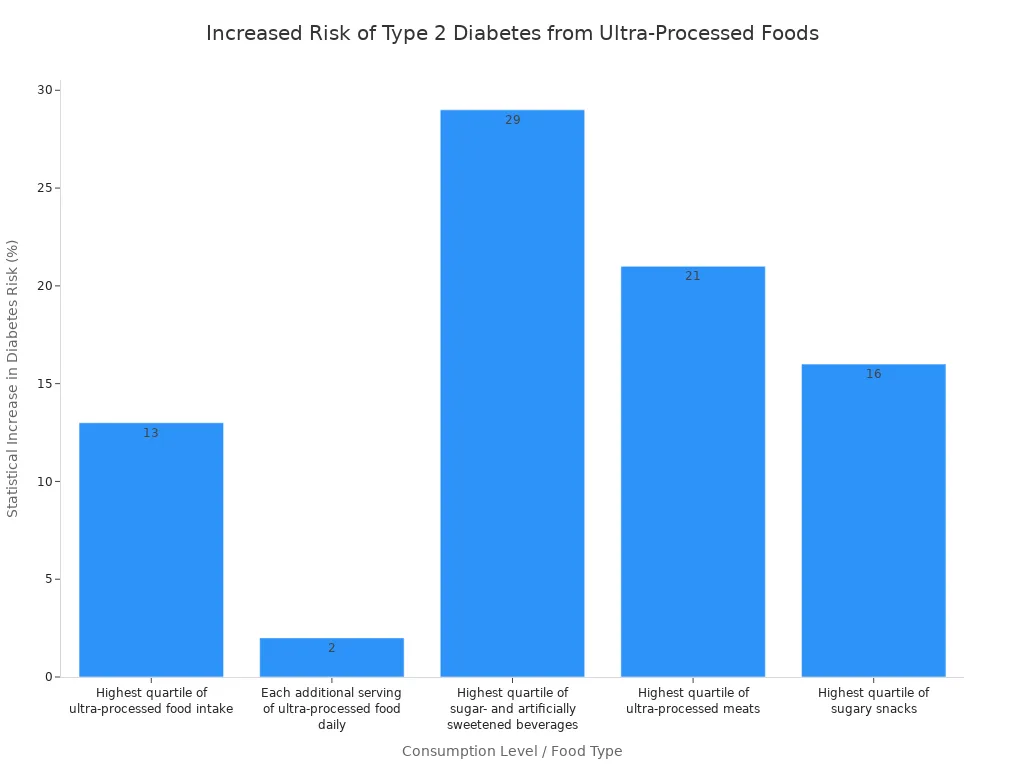
The connection between specific ultraprocessed items and type 2 diabetes is especially strong. Your food choices directly influence your risk level.
| Food Type (Highest Consumption) | Statistical Increase in Diabetes Risk |
|---|---|
| Sugar- and Artificially Sweetened Beverages | 29% higher risk |
| Ultra-processed Meats | 21% higher risk |
| Sugary Snacks | 16% higher risk |
| All Ultra-Processed Foods | 13% higher risk |
Risks of Ultra-processed Foods: Cancer and Gut Health
Beyond heart disease and diabetes, the health risks of a processed diet extend to cancer and your digestive system. Research shows that a 10% increase in the ultra-processed food in your diet is linked to a 13% higher risk of overall cancer. Cancers most strongly associated with a diet high in processed foods include:
- Colorectal cancer
- Breast cancer
- Pancreatic cancer
- Esophageal cancer
A major part of this risk comes from how ultra-processed foods affect your gut microbiome. Your gut is home to trillions of bacteria that are vital for your health. Ultra-processed foods harm this delicate ecosystem. They lack fiber, which feeds good bacteria. They also contain additives like emulsifiers that can damage your intestinal lining. This damage can cause a “leaky gut,” allowing harmful substances to enter your bloodstream and trigger chronic inflammation. This inflammation is a known driver of many diseases, including cancer.
This disruption of the gut microbiome also affects your brain. The gut-brain axis is the communication network between your digestive system and your brain. When your microbiome is out of balance, it can interfere with signals that control your mood and feelings of fullness. This is one reason why a high intake of ultra-processed foods is linked to higher rates of depression and anxiety, impacting your whole health.
The Addictive Design of Processed Foods
You may wonder why it is so hard to eat just one chip or cookie. The answer lies in their design. Ultra-processed foods are engineered to be “hyper-palatable.” This means their taste, texture, and aroma are scientifically crafted to be intensely rewarding. The impact of processed foods on your brain is a key reason for overconsumption.
Food manufacturers combine fat, sugar, and salt to hit a “bliss point.” This is the perfect combination that maximizes your cravings. This design makes you want to keep eating, even when you are not hungry.
This powerful combination of ingredients activates the reward centers in your brain, particularly the dopamine pathways. This is the same system that is triggered by addictive substances. When you eat these processed foods, your brain releases dopamine, making you feel good. Over time, your brain adapts. You need to eat more of the processed food to get the same rewarding feeling. This cycle can override your body’s natural hunger and fullness signals. The lack of quality nutrition in ultraprocessed products means you are consuming empty calories without feeling satisfied. This addictive quality is a major reason why ultra-processed foods contribute to weight gain and poor health. The processed nature of these foods is designed for overconsumption, not for your nutrition.
How to Reduce Your Intake
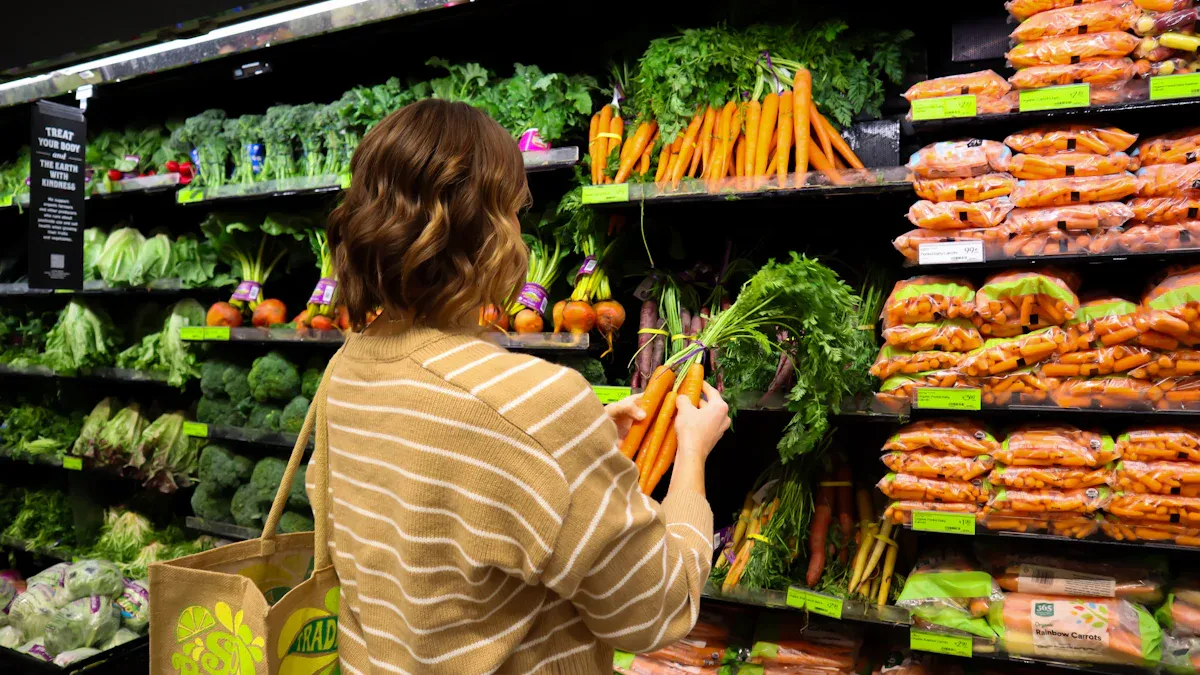
Shifting away from processed foods is a powerful step toward a healthier life. You can make meaningful changes without feeling overwhelmed. The key is to focus on simple, actionable strategies that build lasting, healthy eating habits.
Reading Labels Like an Expert
You can become a savvy shopper by learning to decode food labels. Many products use misleading front-of-package claims like “natural” or “low-fat.” A “healthier” potato chip is still a highly processed food. Your best tool is the ingredients list on the back.
A simple rule is to be wary of products with five or more ingredients. Look for items you would not find in a home kitchen, like high-fructose corn syrup, hydrogenated oils, and artificial additives. These are clear signs of an ultra-processed product.
Checking food labels helps you understand the true nutrition of a product. Pay attention to the “% Daily Value” for added sugars and sodium. A low value (5% or less) is best for these. Comparing food labels on similar products helps you make the smartest choice for your healthy diet.
Making Simple, Healthier Swaps
You do not need to give up your favorite foods entirely. Instead, you can make simple swaps. These small changes add up and support your healthy eating habits. Try these ideas for healthier snacks.
- Swap sugary sodas for sparkling water with a splash of fruit juice or unsweetened iced tea.
- Replace potato chips with crunchy alternatives like kale chips, raw veggie slices, or air-fried zucchini chips.
- Choose plain yogurt with fresh fruit instead of flavored, high-sugar yogurts.
- Bake your own bread or cookies to control the sugar and eliminate preservatives.
These swaps help you enjoy satisfying snacks and drinks while improving your overall nutrition.
Building Meals with Whole Foods
Creating a balanced diet starts in your kitchen. Stocking your pantry with nutrient dense foods makes healthy cooking easier. Focus on foundational items.
- Whole Grains: Brown rice, quinoa, and steel-cut oats.
- Legumes: Canned beans, lentils, and chickpeas.
- Healthy Fats: Olive oil, nuts, and seeds.
Meal planning is another great strategy. You can prepare ingredients like chopped vegetables or batch-cook grains over the weekend. This makes assembling a quick, healthy meal during the week much simpler. Building your meals around whole foods is a sustainable way to reduce your intake of processed items and support a healthy diet.
Reducing processed foods is a powerful step for your long-term health and well-being. Your goal is progress, not perfection. Small, consistent changes create a sustainable healthy diet. These shifts improve your whole health and can lead to benefits like better cholesterol levels.
Your Challenge This Week: Pick one simple swap.
This single choice is a great start toward better health.
FAQ
Are all processed foods bad for you?
No, not all processed foods are unhealthy. Minimally processed foods like canned beans, frozen vegetables, and plain yogurt keep most of their nutrients. These foods can be part of a healthy diet. The main concern is with ultra-processed products that contain many additives and few nutrients.
How can you afford whole foods on a budget?
You can eat healthy on a budget. Buying whole foods in bulk, like oats and brown rice, often saves money. You can also choose frozen fruits and vegetables, which are just as nutritious as fresh ones. Planning your meals helps you reduce waste and save money.
Is frozen food considered ultra-processed?
It depends on the product. A bag of plain frozen broccoli is a minimally processed food. A frozen pizza or a ready-to-eat dinner, however, is an ultra-processed food. You should always check the ingredients list to know for sure.
What is the easiest way to start eating less processed food? 🥗
You can start with one small change.
The simplest first step is to swap one ultra-processed item for a whole food. For example, you can eat an apple instead of a packaged granola bar. This small action builds a foundation for healthier habits.
See Also
Protein and ADHD: A Scientific Guide for Health-Conscious Families
Top 5 Vegan Joint Supplements: A Science-Backed Consumer Comparison
Understanding ADHD and Protein: Your Essential Beginner’s Guide
5-MTHF Supplement Benefits: Unlocking Modern Wellness With Science
Methylated Vitamins: Key to Optimal Absorption and Enhanced Wellness