


Have you ever set wellness goals with excitement, only to watch your motivation fade? You’re not alone. Each year, almost half of people struggle to stick with their wellness routines.
- At a one-year follow-up, only 55% considered themselves successful in keeping their resolutions.
Many times, you lose accountability because health habits feel optional. Treating wellness as a non-negotiable part of your day helps you stay consistent.
Take a moment to think about what keeps you motivated and what accountability means for you. What would help you stick with your goals when life gets busy?
Clarify Your Wellness Goals
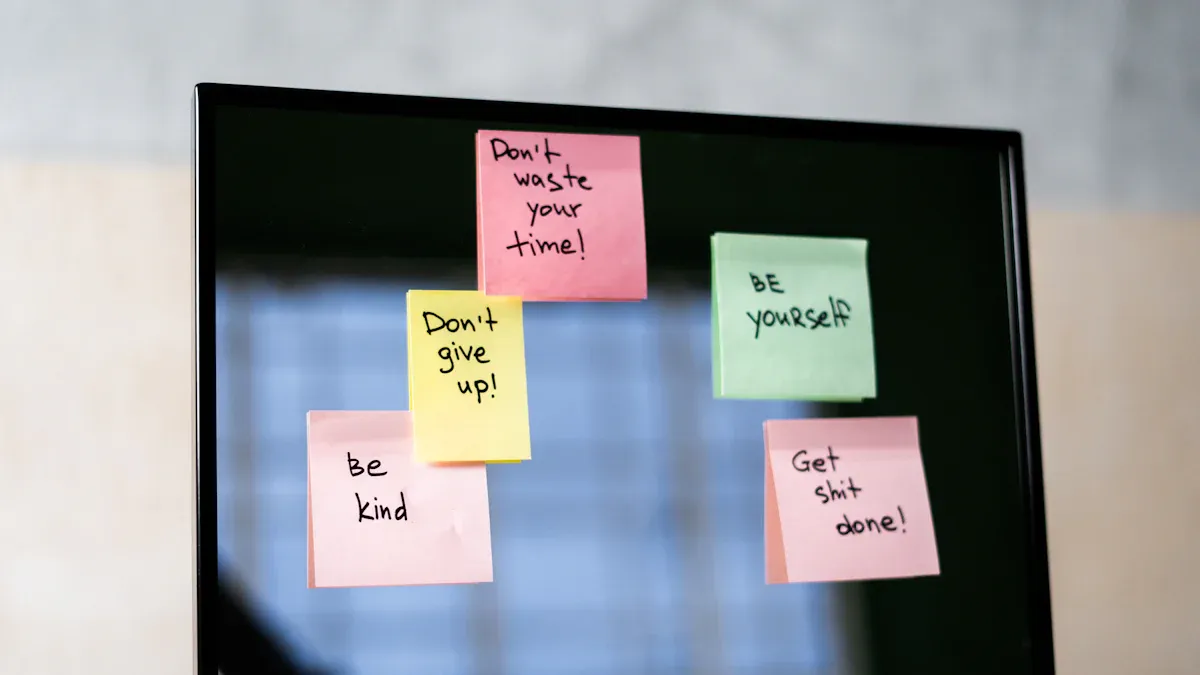
Define What Wellness Means to You
Wellness looks different for everyone. You might see it as feeling strong, having energy, or just being able to enjoy your day. Take a moment to ask yourself, “What does wellness mean to me?” Maybe you want to feel less stressed, sleep better, or have more fun with friends. When you define your own version of wellness, you make your goals more personal and easier to stick with.
Recent studies show that when you set clear health and wellness goals, you can see quick improvements in your quality of life and mood. You might feel more confident and less overwhelmed. While long-term results are still being studied, starting with a clear idea of what you want can give you a boost right away.
Identify Your Motivation
Everyone has different reasons for wanting to improve their health. Some people want to feel better for their families. Others want to look good, manage a health condition, or just enjoy life more. Here’s a look at common motivators:
| Motivator Type | Description |
|---|---|
| Intrinsic Motivators | You want to feel good and enjoy life. |
| Extrinsic Motivators | Friends, family, or even rewards push you to keep going. |
| Personal Motivations | You have goals like career success or weight loss. |
| Caregiving Responsibilities | You want to care for loved ones or set a good example. |
| Health-related Motivation | You want to stay healthy or manage a health issue. |
| External Influences | You care about how you look or what others think. |
Think about what matters most to you. This will help you stay on track when things get tough.
Connect Goals to Personal Values
When you link your goals to your values, you give them real meaning. For example, if you value kindness, you might focus on gratitude or helping others. If you care about growth, you might try new activities or foods. Here are some benefits of connecting your goals to your values:
- You feel more motivated and committed.
- You build emotional strength and self-esteem.
- You enjoy greater life satisfaction and personal growth.
Tip: Start with one small goal that matches your values. This makes goal setting feel less like a chore and more like a part of who you are.
Remember, the most popular wellness goals in the U.S. include making social connections, eating more fruits and veggies, moving your body, trying new foods, laughing, improving posture, and practicing gratitude. Pick one that fits your values and create a specific plan to make it happen. Avoid setting too many goals at once or skipping a specific plan—these mistakes can make it hard to see progress.
Set Health Goals with SMART

Setting goals can feel overwhelming, but you can make it easier with the SMART method. SMART stands for Specific, Measurable, Attainable, Relevant, and Time-bound. When you use this framework, you turn vague wishes into clear plans. You can set smart goals for any area of health, from fitness to stress management.
Here’s a quick look at what each part means:
| Component | Description |
|---|---|
| Specific | Clearly define what you want to accomplish. For example, instead of “get healthy,” try “walk 30 minutes a day, five days a week for two months.” |
| Measurable | Decide how you will track progress. For instance, “lose 10 pounds in 60 days” and weigh yourself weekly. |
| Attainable | Make sure your goal is realistic. Break big goals into smaller steps, like running a marathon by starting with a 5K. |
| Relevant | Choose goals that match your needs and motivations, such as improving your physical and mental health. |
| Time-bound | Set a deadline, like “work out five days each week by the end of the month.” |
Specific and Measurable Goals
You want your wellness goals to be clear and easy to track. If you say, “I want to feel better,” it’s hard to know when you’ve succeeded. Instead, pick goals you can measure. For example, you might commit to 10 minutes of morning meditation or schedule weekly coffee dates with friends.
| Goal Type | Example Goal | Measurement Method |
|---|---|---|
| Stress Management | Commit to 10 minutes of morning meditation | Daily tracking of meditation sessions |
| Stress Management | Schedule three deep breathing sessions daily | Count of sessions completed |
| Social Connection | Schedule weekly coffee dates with friends | Number of dates scheduled |
| Social Connection | Commit to three meaningful conversations weekly | Count of conversations |
| General Mental Wellness Goal | Practice 10 minutes of daily meditation for 30 days | Completion of daily meditation logs |
| General Mental Wellness Goal | Schedule two meaningful conversations weekly | Count of conversations |
Measurable goals help you stay accountable. You can see your progress and know when you need to adjust your planning. Many wellness programs use measurable goals to track participation and reduce stress-related absences. You can do the same for your own health.
Tip: Write your goals down and keep a simple log. You can use a notebook, a phone app, or even sticky notes. Seeing your progress makes it easier to stay motivated.
Attainable and Relevant Goals
You want your goals to fit your life. If you set health goals that are too hard, you might lose motivation. Start with something you know you can achieve. For example, if you want to get stronger, aim for 4-8 weeks of beginner workouts. If you want to lose weight, plan for 2-12 weeks depending on your routine.
| Component | Description |
|---|---|
| Specific | Goals should be clear and specific to provide direction. |
| Measurable | Progress should be trackable to ensure accountability. |
| Achievable | Goals must be realistic to foster commitment and motivation. |
| Relevant | Goals should align with personal values and priorities, creating a deeper connection to the goal. |
| Time-bound | Goals should have a deadline to encourage timely progress and evaluation. |
Pick goals that matter to you. If you care about mental health, you might focus on daily meditation. If you want to connect with friends, schedule regular meetups. When your goals match your values, you feel more motivated and committed.
Note: You don’t have to do everything at once. Break big goals into smaller steps. Celebrate each win along the way.
Time-Bound Actions
Deadlines help you stay focused. If you set a goal without a timeframe, it’s easy to put it off. Give yourself a clear finish line. For example, you might say, “I will walk 30 minutes a day, five days a week for two months.” You can also set health goals like “I will practice meditation every morning for 30 days.”
| Wellness Goal | Average Timeframe |
|---|---|
| Initial Strength/Endurance | 4-8 weeks for beginners |
| Visible Weight Loss | 2-12 weeks depending on consistency and intensity |
| Muscle Gain | 8-12 weeks with proper training and nutrition |
You can adjust your timeframe as you go. If you need more time, that’s okay. The important thing is to keep moving forward and check your progress often.
Callout: Planning your goals with the smart method helps you stay on track. You know what you want, how to measure it, and when you want to achieve it.
When you set smart goals, you make your wellness goals feel possible. You can see your progress, celebrate your wins, and stay motivated. Start with one goal, write it down, and break it into steps. You’ll feel more confident and ready to take action.
Set Yourself Up for Success
Start Small and Build Gradually
You don’t have to change everything at once. When you set yourself up for success, you start with small steps that feel doable. Small efforts add up over time. If you wake up at the same time each day or drink water before coffee, you help your body adjust. Moving your body for just 10 minutes can boost your focus. You might write down your worries to let go of stress or take a short walk after meals to help your digestion.
Here are some simple ways to build healthy habits:
- Wake up at a consistent time.
- Hydrate before caffeine.
- Move your body daily, even for 10 minutes.
- Limit screen time before bed.
- Write down your worries.
- Eat mindfully and stop when satisfied.
- Take short walks after meals.
- Learn to say “no” to protect your time.
- Make your bed each morning.
- Schedule breaks to prevent burnout.
- Read more and scroll less.
- Be present in conversations.
- Practice gratitude.
- Clear your space for five minutes before bed.
- Check in with your emotions.
- Speak kindly to yourself.
- Choose whole foods most of the time.
You can also create awareness around your regular behaviors. Notice what triggers unhealthy habits. Make a plan with small, reasonable goals and specific actions. Adjust your environment so healthy choices are easy. Plan for obstacles and think about how you’ll handle them. When you start small, you build confidence and keep moving forward.
Make Goals Enjoyable
You’re more likely to stick with your wellness goals if you actually enjoy them. When you find activities you like, you feel excited to keep going. Maybe you love dancing, hiking, or cooking new recipes. Focusing on fun, not just results, helps you stay motivated.
- Enjoyable goals boost your motivation from the inside.
- People who focus on enjoyment, not just health benefits, stick with their routines longer.
- Feeling good at what you do and having choices makes you want to keep going.
Try different activities until you find what makes you smile. If you like what you’re doing, you’ll want to do it again. That’s how you set yourself up for success and build consistency.
Track Progress and Celebrate Wins
Tracking helps you see how far you’ve come. When you track your progress, you notice every step forward. You can use a notebook, an app, or a simple chart. Each time you reach a goal, celebrate small wins. This keeps you positive and helps you bounce back from tough days.
- Celebrating small wins builds a positive mindset and self-love.
- Each victory shows your strength and determination.
- Small wins activate your brain’s reward system and make you feel proud.
- Recognizing achievements creates momentum and improves your mood.
- Achieving modest goals releases dopamine, which makes you want to keep going.
- Acknowledging daily accomplishments gives you a success mindset.
- Small victories help you recover from setbacks and stay motivated.
- Recognizing achievements improves mental health and well-being.
| Long-term Outcome | Description |
|---|---|
| Behavioral Changes | You keep healthy habits like better nutrition and regular activity. |
| Health Status Improvements | You maintain a healthy weight and control blood pressure. |
| Psychological Well-Being | You feel happier and less anxious. |
| Quality of Life | You have more energy and enjoy life more. |
| Sustained Maintenance | You keep up your progress for months or years. |
When you track your progress, you see real changes. You can look back and feel proud. This helps you set yourself up for success and keep going, even when things get hard.
Build a Support System
You don’t have to do this alone. Building a support system makes a big difference. When you share your goals with someone, you feel more accountable. Compassionate accountability means you can talk about mistakes without feeling ashamed. You can have honest conversations and fix problems together.
Compassionate accountability means acknowledging harm without reinforcing shame. This creates space for honest conversations, where mistakes can be addressed without fear of rejection, abandonment, or emotional retaliation.
Here are some ways to build your support system:
- Set clear goals so everyone knows what you want to achieve.
- Reward yourself for positive outcomes.
- Keep tracking your progress to stay motivated.
Building a support system takes time and effort. Be patient with yourself and others. When you face barriers, take small steps to find people who support you. Over time, you’ll create a network that helps you stay on track.
Look at how support boosts your chances of success:
| Level of Commitment | Success Rate |
|---|---|
| Simply having an idea or goal | 10% |
| Consciously deciding to act | 25% |
| Setting a specific time to act and writing it down | 40% |
| Creating a clear plan | 50% |
| Committing to someone | 65% |
| Scheduling a dedicated accountability appointment with a partner | 95% |
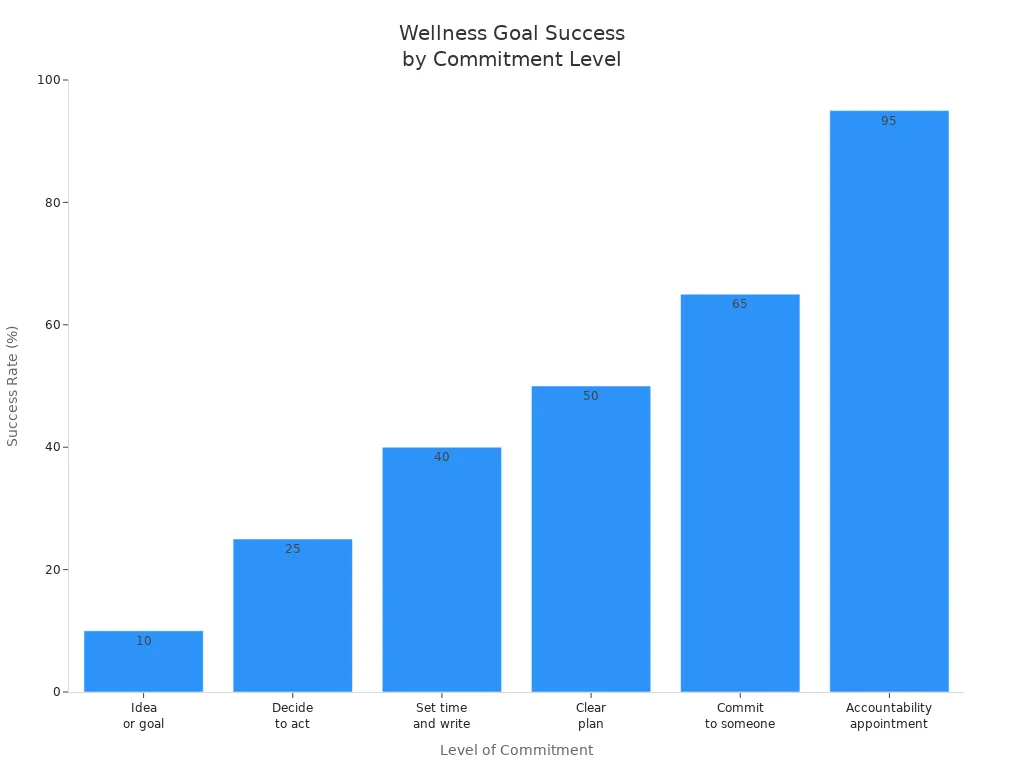
When you set yourself up for success with a plan, support, and tracking, you make your health and wellness journey easier. You see real changes, feel more confident, and enjoy the process. Remember, make a plan, track your progress, and celebrate small wins. You’ll see that small efforts really do add up.
Stay Flexible and Accountable
Focus on What You Can Control
Life can get messy. You might plan to exercise, but work runs late. Maybe you want to cook healthy meals, but you feel tired. When things change, focus on what you can control. This helps you feel calm and confident. You can choose your actions, even if you can’t control every outcome. When you pay attention to what you can do, you build emotional stability and reduce stress. You also boost your self-trust and feel more at peace with your health journey.
Tip: Write down one thing you can control today. It could be drinking water, taking a walk, or pausing for a deep breath.
When you take charge of your actions, you feel empowered. This sense of control helps you make positive choices and supports your wellness goals.
Adjust Goals as Needed
Your life changes all the time. Maybe you start a new job, move to a new city, or face a busy season. It’s okay to adjust your goals. Flexible goal setting helps you stay on track, even when things shift. People who adapt their goals feel less stressed and more satisfied with their progress. They also see better results in their health and behavior change.
- You can change your plan if you feel overwhelmed.
- You can set new goals if your old ones don’t fit anymore.
- You can ask for support when you need it.
When you adjust your goals, you show resilience. You keep moving forward, even if your path looks different. This helps you stay connected to your goals and make long-term changes.
Practice Self-Compassion
Everyone slips up sometimes. Maybe you skip a workout or eat more snacks than you planned. Don’t be hard on yourself. Self-compassion means treating yourself with kindness, not criticism. People who practice self-compassion bounce back faster and feel more in control of their health.
| Self-Compassion Practice | Benefit |
|---|---|
| Guided meditation | Lowers stress and builds a kind mindset |
| Journaling | Helps you reflect and reframe self-talk |
| Supportive self-talk | Replaces harsh thoughts with encouragement |
| Self-care rituals | Nurtures your body and mind |
| Compassion breaks | Gives you space to pause and reset |
Try a self-compassion break or write a kind note to yourself. These small acts help you recover from setbacks and keep working toward your wellness goals.
You can keep your wellness journey strong by checking in with yourself each month. Treat it like an important meeting. Reflect on what worked, what felt tough, and where you want to grow. Start with one small step for your health, like a short walk or a new bedtime routine. Celebrate success, even the little wins, to boost your motivation. Use these moments to adjust your wellness goals and keep moving forward. Remember, every step counts when you care for your health.
| Key Point | Why It Matters |
|---|---|
| Self-check-ins | Help you see progress and spot challenges |
| Small, accountable steps | Make health changes feel possible |
| Celebrate success | Keeps you motivated and focused on your wins |
| Regular updates | Ensure your wellness goals fit your life right now |
FAQ
How do I stay motivated when I lose interest?
You can switch up your routine. Try new activities or invite a friend to join you. Celebrate small wins. Remind yourself why you started.
Tip: Write your reason on a sticky note and keep it where you see it.
What if I miss a day or fall behind?
Don’t stress. Everyone slips up sometimes. Just pick up where you left off. Progress is not about being perfect.
Remember: One missed day does not erase your hard work.
How can I make my goals more fun?
Add things you enjoy! Listen to music, join a group, or turn your goal into a game.
- Try a dance workout
- Cook a new recipe
- Walk with a friend
Having fun keeps you coming back.
Do I need an accountability partner?
You don’t need one, but it helps. Sharing your goals with someone boosts your chances of success. You can check in by text or meet up.
Bonus: An accountability buddy can cheer you on when you need it most. 🎉
See Also
Understanding Alpha Lipoic Acid: Benefits, Mechanism, and Uses
Exploring Methylated Vitamins: Enhancing Absorption for Better Health
Using Vitamin B12 for Tinnitus: A Comprehensive Patient Guide
Managing Tinnitus Symptoms Through Diet and Nutrition Strategies