

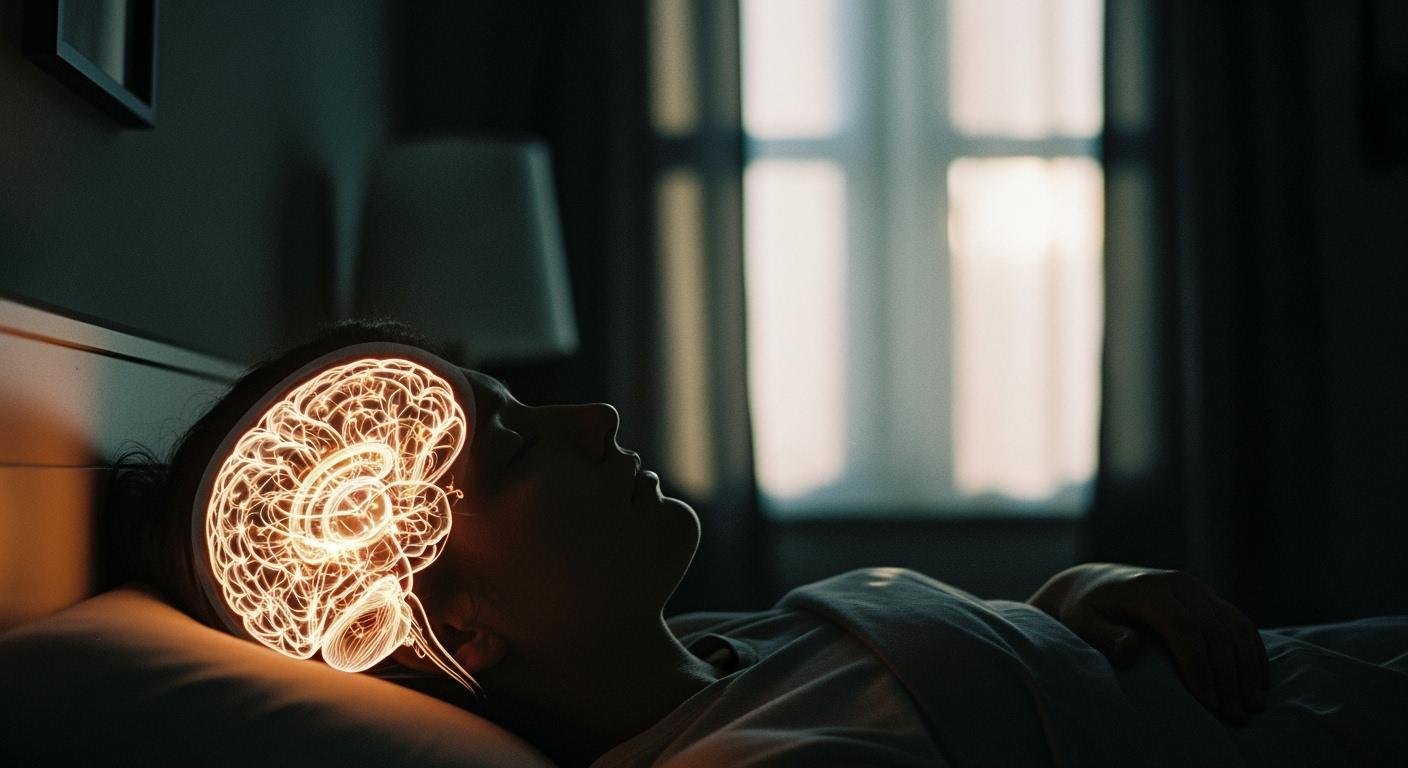
Many people feel exhausted, yet their brains will not switch off at night. This “tired but wired” state is a common physiological response to stress. The body’s alert system overrides its profound need for sleep. This experience is widespread. Stress impacts rest for a majority of adults. Recent data shows how stress and related conditions disrupt sleep.
| Mental Health Condition | Percentage of Adults Reporting Disrupted Sleep |
|---|---|
| Stress | 74% |
| Anxiety | 68% |
| Depression | 55% |
Survey of 2,006 U.S. adults, May 2024.
This cycle of stress prevents restful sleep. Understanding this response to stress is crucial for improving sleep quality.
The Vicious Cycle: How Stress Impacts Rest

The feeling of being “tired but wired” stems from a powerful, self-perpetuating cycle. Stress activates the body’s ancient survival mechanism. This process directly disrupts the body’s ability to rest, and the resulting lack of sleep only makes a person more vulnerable to stress. Understanding this cycle is the first step toward breaking it.
The ‘Fight-or-Flight’ Response at Bedtime
Stress triggers the body’s ‘fight-or-flight’ response, releasing a flood of hormones designed for immediate action, not rest. The brain releases adrenaline and cortisol, creating a state of hyperarousal. This activation directly interferes with the natural drop in wakefulness signals, like orexin, that the body needs to initiate sleep. The impact of stress on sleep is immediate and physiological. Individuals with high reactivity to stress often experience prolonged sleep latency, meaning it takes them much longer to fall asleep.
Hormones on High Alert 🚨
- Adrenaline: Increases heart rate, blood pressure, and breathing. This creates a feeling of restlessness that is the opposite of the calm state needed for sleep.
- Cortisol: Known as the “stress hormone,” elevated cortisol at bedtime can delay sleep onset, shorten deep sleep periods, and lead to more frequent awakenings.
The Bidirectional Relationship Between Stress and Sleep
The relationship between stress and sleep is a two-way street. High stress levels clearly fragment sleep. However, the reverse is also true: poor sleep amplifies the body’s stress response. A single night of inadequate sleep can lower a person’s psychological threshold for perceiving events as stressful. The brain’s emotional center, the amygdala, becomes more reactive after sleep loss, making a person more susceptible to anxiety and anger the following day. This creates a vicious cycle where stress impacts rest, and poor rest increases stress.
From Acute to Chronic: When Stress Disrupts Sleep Long-Term
Occasional stress may cause a few nights of bad sleep, but chronic stress creates lasting problems. Long-term exposure to stress hormones leads to neuroinflammation and alters brain chemistry. This sustained state of alert disrupts the brain’s sleep-regulating circuits, leading to persistent stress-related sleep disturbance. The long-term impact on sleep can be severe. This chronic stress-related sleep disturbance contributes to significant health issues over time, including:
- Hypertension and cardiovascular disease
- Metabolic syndrome and Type 2 diabetes
- Mood disorders like depression and anxiety
This demonstrates how the ongoing impact of stress on sleep can damage a person’s overall health, turning a temporary problem into a chronic condition.
The Manifestations of Stress-Induced Poor Rest
The cycle of stress and poor sleep shows up in distinct mental and physical ways. When the body remains in a state of high alert, it cannot achieve the deep rest it needs. This sustained stress creates clear, disruptive patterns that prevent restorative sleep.
The Mental Battle: Racing Thoughts and Rumination
Stress-induced hyperarousal keeps the brain from disengaging at night. High levels of stress prevent the prefrontal cortex from powering down. This leads to constant, goal-oriented thinking when a person should be resting. The brain shows increased high-frequency activity, enhancing information processing instead of shutting it down. This creates the familiar feeling of a mind that will not stop, filled with racing thoughts and repetitive worries. This mental activity is a primary form of stress-related sleep disturbance that makes it difficult to fall asleep.
The Physical Impact of Stress on Sleep
The body also bears the burden of nighttime stress. The same stress response that activates the mind also tells muscles to tighten, leading to soreness in the neck and shoulders. Many people experience a rapid heart rate or palpitations, making a calm state feel impossible.
Body on High Alert 🌡️ Elevated cortisol from stress also interferes with bodily functions essential for sleep.
- Digestion: It can slow digestive activity, which normally winds down for rest.
- Temperature: It disrupts the body’s ability to cool down, a natural process for initiating deep sleep.
This physical readiness for action directly opposes the body’s need for relaxation and sleep. The overall impact of stress on sleep is both mental and physical.
Disrupted Sleep Cycles and Sleep Reactivity
Ongoing stress changes the very structure of sleep. It reduces the amount of restorative deep sleep and can alter the timing and duration of REM sleep. This disruption creates a significant impact on sleep quality. Furthermore, individuals differ in their ‘sleep reactivity,’ which is the degree to which stress disrupts their sleep. Some people have low reactivity and can sleep well even during stressful times. Others have high reactivity, where even minor stress causes a major stress-related sleep disturbance. This trait-like sensitivity can predict a person’s vulnerability to developing chronic sleep problems. High sleep reactivity is a key reason why stress impacts rest so severely for certain individuals, turning temporary worries into a long-term stress-related sleep disturbance.
How to Break the Cycle and Reclaim Your Rest

Understanding the stress-sleep cycle is the first step. Breaking it requires active strategies. People can take control by calming the body, optimizing their environment, and managing daytime stress. These practical actions empower individuals to reclaim their rest and achieve quality sleep.
Calm Your Nervous System Before Bed
A racing mind needs a signal to slow down. Simple relaxation techniques can provide this signal. They activate the body’s relaxation response. This process directly counters the ‘fight-or-flight’ state caused by stress.
One powerful technique is box breathing. A person inhales for four counts, holds for four, exhales for four, and holds again for four. This structured breathing calms the nervous system. Dr. Jordan Burns states this method can reduce physiological arousal. It helps shift the body out of ‘fight or flight’ mode. The deliberate pace improves heart rate variability and can lower blood pressure. This simple practice creates a state conducive to sleep.
Another effective method is a body scan meditation.
A person lies down comfortably and brings attention to each part of the body, from the toes to the head. They notice any sensations without judgment. This practice activates the parasympathetic nervous system. It calms brain structures that process fear and anxiety. Studies show this technique can reduce the time spent awake after falling asleep. It is a key tool for better stress management.
These mindfulness practices help lower evening cortisol levels, preparing the body for deep rest.
Optimize Your Sleep Hygiene
A person’s sleep environment greatly affects their ability to rest. Simple changes can make a bedroom a sanctuary for sleep. Two key factors are light and temperature.
Blue light from screens is a major sleep disruptor. It tricks the body into thinking it is still daytime. This exposure suppresses the production of melatonin, the sleep hormone. Harvard researchers found blue light shifts the body’s internal clock more than other light colors. This leads to several problems:
- It takes longer to fall asleep.
- Total sleep duration is shorter.
- Sleep becomes lighter and more fragmented.
Expert Tip 💡 A person can protect their sleep by turning off screens at least one hour before bed. Wearing blue-light-blocking glasses in the evening can also help preserve melatonin levels.
Temperature also plays a crucial role. The body’s core temperature needs to drop to initiate sleep. Dr. Michelle Drerup, a sleep psychologist, notes the optimal sleeping temperature for adults is between 60°F and 67°F (15°C to 19°C). This range helps stabilize REM sleep. Research on older adults found that sleep quality dropped by 5-10% when the temperature rose above 25°C (77°F). A cool room supports the body’s natural sleep process.
Manage Daytime Worries to Protect Nighttime Rest
Nighttime rumination often starts with daytime stress. A proven stress management technique is to compartmentalize worries. This prevents them from spilling over into the night.
The “worry journal” or “worry time” technique is highly effective. A person sets aside a specific time each day, perhaps 15-20 minutes in the late afternoon, to focus on their worries.
- Write It Down: During this time, they write down everything causing them stress.
- Problem-Solve: They can then use a ‘worry tree’ to separate solvable problems from hypothetical worries. For solvable issues, they can create a specific action plan.
- Let It Go: For uncontrollable worries, the goal is to acknowledge them and then consciously let them go.
When a worry appears outside of this designated time, a person can remind themselves that it has a scheduled appointment. This practice trains the brain to stop dwelling on stress throughout the day and night. It is a powerful strategy for preventing a stress-related sleep disturbance.
Use Daytime Exercise to Reduce Stress
Regular physical activity is one of the best ways to manage stress and improve sleep. Exercise helps regulate the body’s stress response system. It improves the negative feedback mechanisms of the Hypothalamic-Pituitary-Adrenal (HPA) axis. This helps restore a normal daily cortisol rhythm and builds resilience to stress.
Certain types of exercise are especially beneficial for promoting relaxation and quality sleep.
- Aerobic Exercise: Activities like brisk walking, running, or cycling release feel-good chemicals and promote deeper sleep.
- Yoga and Tai Chi: These practices combine movement, breath control, and meditation. They activate the parasympathetic nervous system, creating a sense of calm.
- Pilates: This exercise focuses on core strength and breath control, leading to a relaxed state that is good for sleep.
The timing of exercise matters. High-intensity exercise, especially in the evening, can increase cortisol levels and disrupt sleep. For many people, moderate exercise in the morning or afternoon is ideal. This routine helps lower stress during the day and supports the body’s natural transition into rest at night, preventing a stress-related sleep disturbance and ensuring quality sleep.
The feeling of being “tired but wired” shows how stress impacts rest. The body’s stress response simply overrides its need for sleep. Experts describe a “tug-of-war” between stress and sleep. A person must actively manage stress to achieve better sleep. Trying harder to sleep is not the answer when stress is high.
Take the First Step Tonight 👣 A person can begin breaking the cycle with one small action. A five-minute breathing exercise can calm stress. Putting a phone away an hour before bed also improves sleep quality. Consistent habits help win the battle against stress for better sleep.
FAQ
Why does stress make a person feel awake at night?
High stress releases hormones like cortisol. These chemicals create a state of hyperarousal. This stress response keeps the brain alert. It directly overrides the body’s signals for sleep. The body cannot relax, which prevents restful sleep.
Can certain foods make stress and sleep problems worse?
Yes, some foods impact stress and sleep.
- Caffeine and sugar can increase alertness and stress levels.
- Heavy meals before bed can disrupt the body’s rest process. A balanced diet helps manage stress for better sleep quality.
How long does it take for stress management to improve sleep?
Improvement varies for each person. Consistent practice of stress-reduction techniques can improve sleep within a few weeks. Long-term stress may require more time. The key is creating a routine that lowers daily stress to protect nighttime sleep.
When should a person see a doctor for stress and sleep issues?
A person should consult a doctor if severe stress and poor sleep last for several weeks. A professional can diagnose underlying conditions. They can also offer advanced strategies to manage chronic stress and restore healthy sleep patterns.
See Also
Magnesium Malate: Your Beginner’s Guide to Science-Backed Sleep Support
Magnesium Taurate: Understanding Its Connection to Anxiety Relief
ADHD and Protein: A Beginner’s Look at Their Important Connection
Managing Tinnitus: Nutritional Strategies and Dietary Support for Symptoms
Vitamin B12 and Tinnitus: Exploring Its Potential Role in Relief