


Feeling the weight of modern stress? You are not alone. Recent reports show that stress levels are higher than they were a decade ago.
According to Gallup, nearly one in two adults in America experiences significant daily stress.
Science shows physical activity is a powerful way to combat stress. What if you could physically fight back against that tension and win with simple exercise? This guide shows you how exercise works to reduce stress. You will get a simple roadmap to start feeling better today.
How Physical Activity Fights Stress

Ever wonder how a simple walk can melt away a day’s worth of tension? It’s not magic; it’s science. When you get moving, you trigger a cascade of powerful chemical and physiological changes inside your body. This process directly counters the negative effects of stress. Let’s break down exactly how physical activity wages war on stress and helps you win.
Boosting Endorphins and Serotonin
Think of exercise as deploying your body’s own happiness squad. Moving your body is one of the most effective natural stress relievers available.
- Endorphins: These are your body’s natural painkillers and mood elevators. Physical activity prompts your brain to release them, creating a feeling often called a “runner’s high.” This provides immediate relief from pain and tension.
- Serotonin: This important brain chemical helps regulate your mood, sleep, and appetite. Exercise boosts serotonin production. Research shows that consistent aerobic exercise, like swimming, brisk walking, or cycling at a comfortable pace, has a fantastic effect on your serotonin levels. This boost helps you feel calmer and more positive long after your workout ends.
This powerful combination of chemicals provides a one-two punch for stress relief.
Lowering Cortisol to Reduce Stress
Your body has a built-in alarm system. When you face a threat, your brain signals the release of hormones like cortisol and adrenaline. Cortisol, often called the “stress hormone,” gets you ready for “fight or flight.” This is helpful in short bursts. The problem starts when stress becomes chronic.
The Danger of Chronic Stress Constant stress keeps your cortisol levels high. Over time, this can lead to serious health issues, including:
- Weight gain, especially around your midsection
- High blood pressure
- Weakened immune system
- Anxiety and depression
- Trouble with memory and focus
Here’s the good news: regular exercise helps you manage this. Studies show that people who are physically active have a smaller cortisol response when they face stressful situations. A consistent exercise routine helps your body become more efficient at clearing out cortisol, which helps to reduce stress. This is a key part of long-term stress reduction.
Improving Your Body’s Stress Response
Consistent physical activity does more than just provide in-the-moment relief. It actually trains your body to handle stress better in the future. Think of it like a vaccine for stress, a concept researchers call “stress inoculation.” Each workout is a small, controlled dose of physical stress. Your body adapts and gets stronger.
This adaptation makes your body more resilient to emotional and psychological tension. Here’s how:
| Your Body’s Response | How Exercise Helps |
|---|---|
| Heart Rate & Blood Pressure | Aerobically fit individuals show a lower heart rate and blood pressure spike during stressful moments. |
| Recovery Time | An active lifestyle helps your body and mind recover more quickly after a stressful event. |
| System Efficiency | Both aerobic and resistance training make your cardiovascular system more efficient, reducing the overall strain of stress. |
Ultimately, exercise helps you build a body that is less reactive to stress and quicker to return to a calm state. This improved response is fundamental for effective stress reduction and helps you reduce feelings of stress in your daily life.
Psychological Benefits of Managing Stress
Exercise does more than just change your body’s chemistry. It powerfully reshapes your mind, offering a mental escape from the pressures of daily life. This psychological shift is a huge part of stress management and improving mental well-being. Let’s explore how moving your body provides mental stress relief and boosts your overall well-being.
Gaining a Positive Distraction
When you feel overwhelmed by stress, your mind can get stuck in a loop of negative thoughts. This is called rumination. Exercise offers a powerful way to break that cycle. It gives you something positive and physical to focus on.
The Response Styles Theory explains that distracting yourself with an activity is a healthy way to cope with negative feelings. Focusing on your body’s movements—your breathing, your steps, your muscles working—pulls your attention away from your worries. This mental shift provides immediate relief from stress.
This distraction is a key tool for stress reduction. It gives your mind a much-needed break, allowing you to return to your challenges with a calmer perspective.
Elevating Your Mood and Confidence
Have you ever finished a workout and felt a sense of accomplishment? That feeling is a major boost for your mental health. Setting and achieving small fitness goals gives you a sense of mastery and control. This directly improves your self-esteem and confidence.
- Research shows that people who achieve fitness goals are 40% more likely to see long-term improvements in their well-being.
- Even small wins, like finishing a workout, can significantly improve your outlook.
This improved mood is not just a feeling. Studies show that both aerobic exercise and weight training can significantly reduce symptoms of depression, offering powerful stress relief.
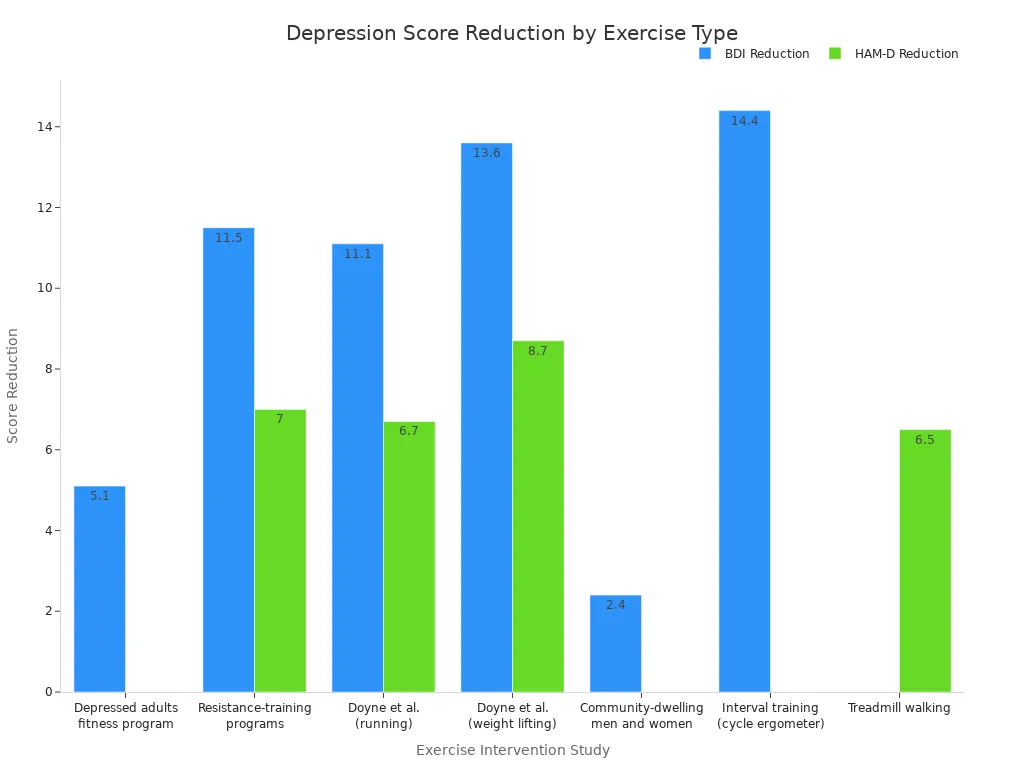
This boost in confidence and an improved mood helps you feel more resilient against future stress.
Improving Focus and Mental Clarity
A foggy mind makes every task feel harder and adds to your stress. Exercise can help you cut through that fog. When you are active, you increase blood flow to your brain. This process delivers more oxygen and nutrients, which helps your brain work better.
This leads to greater mental clarity. Exercise also boosts a protein called Brain-Derived Neurotrophic Factor (BDNF). Think of BDNF as fertilizer for your brain cells. It helps them grow and make stronger connections. This boost in BDNF is linked to better cognitive ability and mental clarity. Regular exercise helps you think more clearly, sharpen your focus, and reduce stress. This newfound clarity makes it easier to tackle problems without feeling overwhelmed.
Using Exercise as a Stress Buster

Knowing that exercise works is one thing. Turning that knowledge into a real-life habit is the next step. Using exercise as a stress buster doesn’t have to be complicated. You can build a simple, effective plan that fits your life. This section gives you a practical guide to find the right activities and make them stick for lasting stress relief.
Choosing Your Ideal Activity
The best exercise is the one you actually enjoy and will do consistently. The goal is to move your body, not to become a professional athlete. Any form of physical activity helps reduce stress. Let’s explore some effective types of exercise to find your perfect match.
-
Aerobic/Cardio Exercise These activities get your heart pumping and are fantastic for immediate stress relief. The rhythmic nature of cardio can feel meditative, helping you clear your head.
- Examples: Brisk walking, running, swimming, cycling, or dancing.
- How it helps: Aerobic exercise is a powerful stress-buster. It triggers the release of endorphins for a mood boost and helps your nervous system recover from stress more efficiently. Regular physical activity like this also improves your sleep quality, which is crucial for managing daily stress.
-
Strength Training Lifting weights or using your own body weight builds more than just muscle; it builds mental resilience.
- Examples: Lifting weights, using resistance bands, or doing bodyweight exercises like push-ups and squats.
- How it helps: Strength training helps your body manage cortisol levels more effectively. It also boosts self-confidence as you see yourself getting stronger. This sense of mastery and control is a great weapon against feelings of helplessness that stress can cause. Studies show that training just twice a week can reduce anxiety symptoms by 20%.
-
Mind-Body Practices These stress-relief exercises connect your physical movements with your mental state, promoting calm and focus.
- Examples: Yoga, Tai Chi, and Pilates.
- How it helps: Practices like yoga and Tai Chi use a combination of movement, deep breathing, and mindfulness. This focus on your breath and body pulls you into the present moment, providing a powerful distraction from your worries. They are excellent for improving flexibility and reducing muscle tension, offering both mental and physical relief.
Building a Sustainable Habit
Starting a new exercise habit can feel like a huge challenge. The secret is to start small and build from there. Your goal is to create a stress-relief routine that becomes a natural part of your day.
The Habit Loop: Your Brain’s Shortcut Habits work in a simple three-step loop:
- Cue: The trigger that tells your brain to start the routine (e.g., putting on your running shoes).
- Routine: The action you take (e.g., going for a 15-minute walk).
- Reward: The good feeling you get afterward, which tells your brain, “Let’s do this again!” (e.g., the sense of calm or a favorite smoothie).
To build your habit, focus on these simple strategies:
- Start Small: You don’t need an hour-long workout. Begin with just 10-15 minutes of physical activity a day. A short walk is a perfect start. The goal is to make it so easy you can’t say no.
- Schedule It: Treat your exercise time like an important appointment. Put it in your calendar. This tells your brain that it’s a non-negotiable part of your day.
- Focus on Consistency, Not Intensity: Doing a 15-minute walk every day is far better for stress management than one intense, hour-long workout once a week. Consistency is what rewires your brain and body for long-term stress reduction.
Making Consistency Your Key to Success
Life gets busy, and it’s easy to let your exercise routine slide. However, consistency is what transforms exercise from a simple activity into a powerful tool for stress management. Regular physical activity trains your body to handle stress better over time.
So, how do you stay consistent when life gets in the way?
| Common Barrier | Your Solution |
|---|---|
| “I don’t have enough time.” | Find 10-minute windows in your day. Walk during a phone call, do squats while waiting for your coffee, or try a quick online workout. Every minute counts! |
| “I think exercise is boring.” | Find something you love! Try dancing, hiking, a team sport, or gardening. When you have fun, it doesn’t feel like a chore. Invite a friend to join you. |
| “I’m too tired and unmotivated.” | Remind yourself of your “why.” Are you doing this for more energy? Better mood? Deeper sleep? Sometimes, just starting is the hardest part. Promise yourself just five minutes. You’ll often find you want to keep going. |
Tracking your progress is another great way to stay motivated. It gives you proof that your hard work is paying off. You can use a simple notebook, a fitness app, or just make a checkmark on a calendar. Seeing your “wins” pile up provides a huge mental boost and reinforces your commitment to these stress-relief exercises. This journey is about progress, not perfection. Every step you take is a victory against stress.
You now see how exercise is a powerful tool for stress reduction. It fights stress on two fronts. Exercise changes your body’s chemistry to manage stress hormones and also boosts your mood. Remember, the best exercise is simply one you enjoy and will do consistently.
Your First Step 🚶 Ready to reduce stress in 2025? You don’t need a huge plan. Take one small action today. A simple 10-minute walk can begin your journey to managing stress and feeling better.
FAQ
How soon will I feel less stressed?
You can feel some benefits right away! A single workout can boost your mood and lower tension. For long-term stress resilience, you will notice bigger changes after a few weeks of consistent activity. The key is to stick with it.
What if I truly hate exercise?
The goal is to find movement you enjoy. It doesn’t have to feel like “exercise.” Try dancing to your favorite music, gardening, hiking with a friend, or playing a sport. Fun activities make stress relief feel effortless and sustainable.
Do I need a gym membership to start?
Absolutely not! You can build a powerful stress-relief routine for free. Many effective exercises require no equipment at all. 👟
- Brisk walking in your neighborhood
- Bodyweight exercises like squats and push-ups
- Following free yoga videos online
How much exercise is enough for stress relief?
Aim for about 150 minutes of moderate activity per week. You can break this down into smaller chunks. Even a 10-minute walk each day makes a huge difference. Consistency matters more than intensity, so find a schedule that works for you.
See Also
Unlocking Modern Wellness: Science-Backed Benefits of 5-MTHF Supplementation
Opti-Folate L-Methylfolate 1000 mcg: A 2024 Review for Optimal Wellness
Methylfolate (5-MTHF) Supplementation: Your Science-Backed Guide for Safe Intake
Top 5 Vegan Joint Supplements: A Science-Backed Guide for Consumers
Choosing and Taking Methyl Folate: A Complete Step-by-Step Guide