


Did you know even mild dehydration can alter your mood, energy, and ability to think clearly? You might experience this as brain fog, irritability, or fatigue. Proper hydration is a simple yet powerful strategy to enhance your daily mental acuity. The science is clear on the impact of dehydration.
Did You Know? Mild dehydration, a fluid loss of just over 1%, can lead to:
- Increased fatigue and tension.
- More errors on tasks requiring focus.
- Slower reaction times.
Understanding the importance of hydration is the first step. Consistent hydration is key, as how hydration affects alertness is undeniable.
How Dehydration Affects the Brain

Your brain is about 75% water, so proper hydration is essential for it to function correctly. When you become dehydrated, your brain tissue can physically shrink. This shrinkage slows blood circulation, reducing the flow of vital oxygen and nutrients. This process explains how dehydration affects the brain, leading directly to feelings of mental slowness, fatigue, and poor concentration. The role of water in the human body is critical for every system, especially your cognitive command center.
The Connection Between Hydration and Cognitive Function
The connection between hydration and cognitive function is direct and powerful. Even mild dehydration, a loss of just 2% of your body mass, can impair your cognitive performance. This has a significant impact on cognitive function, affecting tasks that require attention and complex thought. For example, studies show that mild dehydration can more than double the number of mistakes you make during a long drive. Proper hydration supports better concentration and overall mental performance.
Brain Power on Low 💧 Within just 90 minutes of inadequate fluid intake, brain scans show reduced activity in the prefrontal cortex. This is the area you use for planning and decision-making.
Impact on Short-Term Memory and Reaction Time
Dehydration directly harms your short-term memory and reaction time. Research shows that after 36 hours without water, students’ scores on short-term memory tests dropped significantly. After rehydration, their memory performance improved. This highlights the clear link between hydration and memory performance. Your reaction time also suffers. When dehydrated by just 2%, your reaction time can slow by an average of 70 milliseconds. This delay can affect your performance in everything from sports to daily tasks, making adequate hydration crucial for sharp cognitive abilities and quick reflexes.
Hydration and Mental Health
Your mental state is closely tied to your water intake. The connection between hydration and mental health is significant. When you don’t drink enough water, your body can trigger a stress response. This process can increase cortisol, your primary stress hormone, making you feel more anxious and irritable. Proper hydration is a simple tool for managing your daily mood. Understanding the link between hydration and mental health helps you take control.
Dehydration’s Effect on Mood and Irritability
Dehydration directly impacts how you feel. Even mild dehydration can lead to headaches, fatigue, and trouble concentrating. Studies show a clear link between low hydration and negative moods.
- Research on young adults found that dehydration increased feelings of tension and anxiety.
- Another study involving over 3,000 adults showed that people drinking less than two glasses of water daily had a higher risk of depression.
- Proper hydration helps your brain produce key neurotransmitters like serotonin, which regulates your mood.
This evidence highlights how crucial consistent hydration is for emotional stability. The relationship between hydration and mental health is undeniable.
Stay Calm and Hydrated Did you know that your body’s stress response is heightened when you are dehydrated? Individuals with low fluid intake show a much larger spike in the stress hormone cortisol when facing a stressful situation.
How Hydration Affects Alertness Through Mood Stability
A stable mood is essential for staying sharp and focused. This is how hydration affects alertness. When you are properly hydrated, you feel calmer and more composed. This emotional balance allows your brain to function without the distraction of stress or anxiety. Research confirms that young adults report feeling “calmer and more alert” right after drinking water.
Good hydration supports your nervous system, which helps regulate your emotions. By preventing the mood swings caused by dehydration, you create an ideal mental environment for focus. This shows how hydration affects alertness by first stabilizing your mood. Prioritizing hydration is a foundational step for both emotional well-being and peak mental performance, proving the deep connection between hydration and mental health.
Strategies for Peak Focus and Alertness

Knowing that hydration is important is one thing; putting it into practice is another. You can use simple, effective hydration strategies for optimal brain function. These habits help you maintain peak mental performance throughout your day. By taking control of your hydration, you directly support your ability to think clearly and stay sharp.
The Influence of Hydration on Focus
The influence of hydration on focus is significant and immediate. Even a mild fluid loss of just 1-2% of your body weight can harm your ability to concentrate. This level of dehydration can slow down your information processing and make decision-making more difficult. Studies show that when you are properly hydrated, your visual attention improves, helping you track tasks more effectively. Proper hydration fuels your brainpower, which enhances your sharpness and resilience for any mental challenge. Maintaining good hydration is a key factor for sustained concentration.
Focus on Fluids 🧠 Research shows that even mild dehydration can increase feelings of fatigue and irritability. These feelings directly interfere with your cognitive performance and ability to maintain focus on complex tasks.
Simple Daily Hydration Habits
Building consistent habits is the best way to stay hydrated. Your daily water intake is the foundation for good health and sharp concentration. For optimal mental clarity, you should aim for about eight 8-ounce glasses of water daily. General guidelines suggest:
- Women: 2 to 2.7 liters (8 to 11 cups) of fluids per day.
- Men: 2.5 to 3.7 liters (10 to 15 cups) of fluids per day.
Here are some simple habits to help you stay hydrated and reap the benefits of drinking water:
- Start Your Day with Water: Drink a glass of water right after you wake up to kickstart your metabolism.
- Carry a Reusable Bottle: Keep a water bottle with you at your desk or in your bag. This visual reminder encourages you to sip throughout the day.
- Set Timed Reminders: Use your phone or a smart watch to set alarms that prompt you to drink water every hour. Smart water bottles can also track your intake and provide reminders.
- Drink Before You Feel Thirsty: Thirst is a sign that your body is already on its way to dehydration. Make it a habit to drink proactively.
- Enhance Your Water: If you find plain water boring, add natural flavor with fruit infusions. Slices of lemon, cucumber, or berries can make hydration more enjoyable.
You can also “eat” your water. Many fruits and vegetables have high water content and contribute to your daily hydration goals.
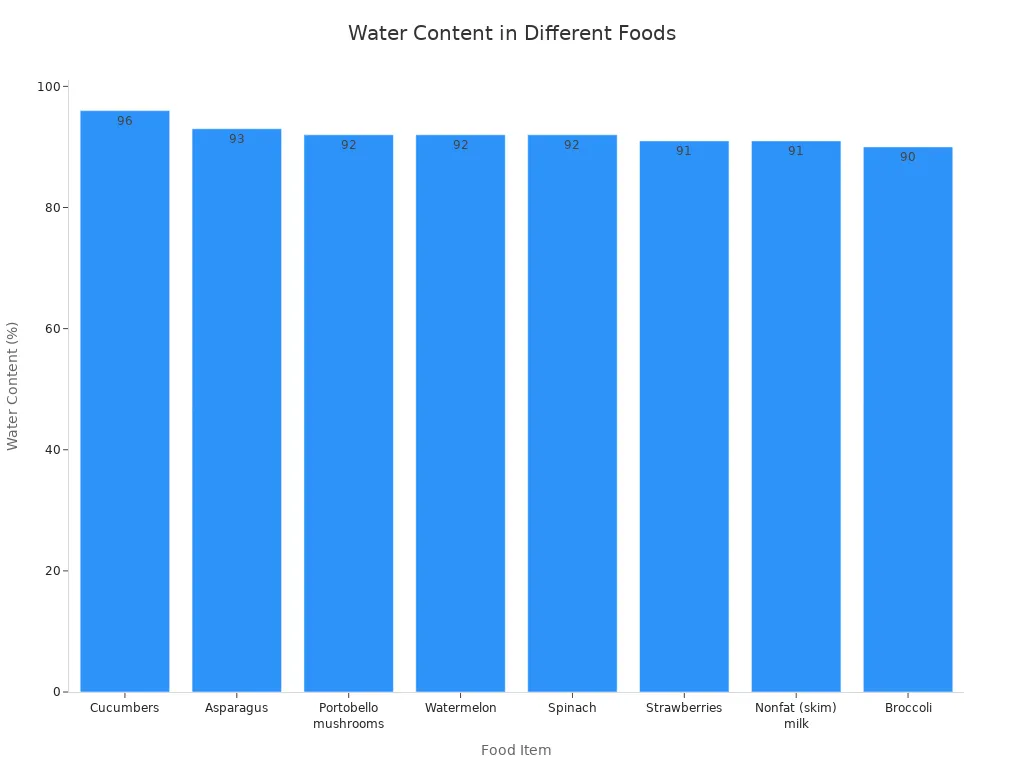
Beyond plain water, other beverages can help you stay hydrated. Options like coconut water, caffeine-free herbal teas, and milk are excellent choices for maintaining your fluid levels.
Recognizing Early Signs of Dehydration
Your body sends signals when it needs more fluids, and learning to recognize them is crucial. How hydration affects alertness is most obvious when you start to feel the early effects of water loss. Waiting until you feel thirsty is often too late, as your performance may already be declining.
Look for these early cognitive and physical signs of dehydration:
-
Cognitive Signs (Brain Fog)
- Trouble focusing or sluggish thinking
- Headaches or dizziness
- Feelings of fatigue or constant yawning
- Moodiness and irritability
-
Physical Signs
The Urine Color Test A simple way to check your hydration status is to look at the color of your urine. Pale, straw-colored yellow means you are likely well-hydrated. If it is dark yellow or amber, your body is telling you to drink more water. This is a reliable indicator because as you become dehydrated, your urine becomes more concentrated with waste products.
It is important to stay hydrated, but you should also be aware of overhydration. Drinking too much water too quickly can dilute sodium levels in your blood, leading to a dangerous condition called hyponatremia. Listen to your body’s thirst signals and aim for a balanced water intake to keep your mind and body performing at their best. This balance is how hydration affects alertness without causing other issues.
Proper hydration is a foundational habit for your daily focus and mood. Your brain is mostly water, so consistent hydration directly fuels its performance. Understanding the importance of hydration is the first step toward better mental clarity. Prioritizing daily hydration is a simple act of self-care.
Embrace the benefits of drinking water. Your mind will thank you for this simple yet effective hydration strategy. 💧
FAQ
How quickly does dehydration affect my brain?
Dehydration affects your brain very fast. Within 90 minutes of poor fluid intake, brain activity can slow down. This impacts your ability to plan and make decisions. Even mild dehydration can harm your focus and memory in a short amount of time.
Can other drinks besides water keep me hydrated?
Yes, other fluids contribute to your hydration. You can drink caffeine-free herbal teas, milk, and coconut water. Many fruits and vegetables also have high water content. These options help you meet your daily fluid needs and support your mental alertness. 🍉
How much water should I drink for better focus?
You should aim for about 8 to 15 cups of fluids daily. This amount varies based on your activity level and environment. Listen to your body. Drinking water consistently throughout the day is the best strategy for maintaining peak mental performance.
Does coffee count towards my daily water intake?
Coffee contains water, but it is not the best choice for hydration. The caffeine in coffee can make you urinate more, which may lead to fluid loss.
Pro Tip For every cup of coffee you drink, consider drinking an extra glass of water to stay properly hydrated and focused.
See Also
Understanding the Link Between Protein Intake and ADHD Symptoms
Exploring the Crucial Connection Between Protein and ADHD for Beginners
Natural Caffeine: Definition, Benefits, and Wise Supplementation Decisions Explained
Protein and ADHD: A Scientific Guide for Health-Conscious Families
Magnesium Malate for Sleep: A Beginner’s Guide to Restful Nights