

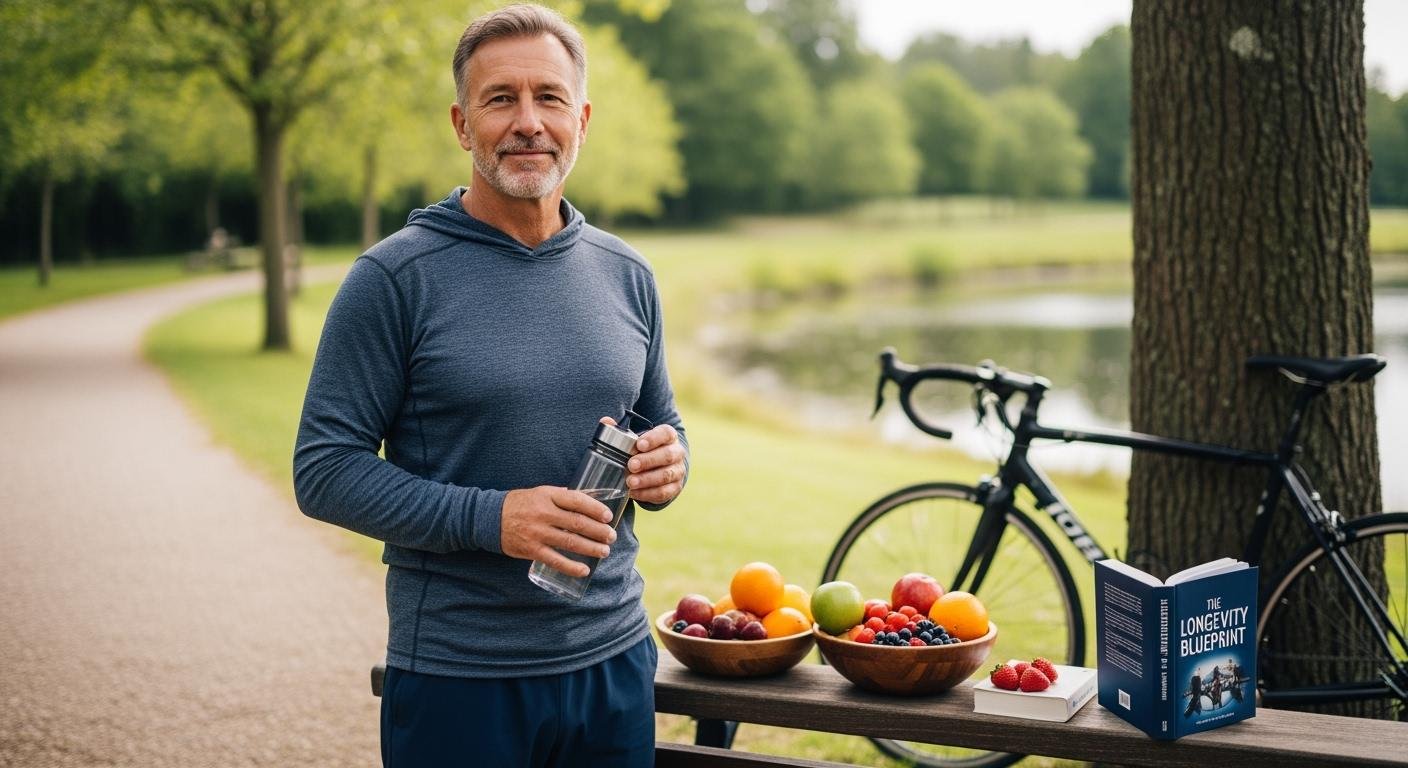
You can achieve healthy aging by making smart choices every day. Many men face health concerns such as cardiovascular disease, diabetes, skin cancer, prostate cancer, testicular cancer, and colon cancer. These issues often arise as you get older, but you can lower your risk with regular checkups, balanced nutrition, physical activity, mental stimulation, and strong social connections. Healthy aging does not require drastic changes. Small steps make a big difference. You can always start now and improve your well-being.
| Health Concern | Description |
|---|---|
| Cardiovascular disease | Affects nearly half of adults, raising heart attack and stroke risk. |
| Diabetes | Over half a billion people worldwide; 1 in 9 in the U.S. |
| Skin cancer | Men use sunscreen less often, leading to higher rates. |
| Prostate cancer | 1 in 8 men diagnosed; screenings advised by age 55. |
| Testicular cancer | Most common in men ages 15 to 35; treatable if detected early. |
| Colon cancer | Screenings recommended at age 45, earlier with risk factors. |
Health Checkups for Older Men
Routine Screenings
You need regular screening to protect your health as you age. Older men face higher risks for many diseases, so staying on top of screening helps you catch problems early. You should follow these guidelines for routine screening:
- Blood pressure screening at least once every year.
- Cholesterol screening every 4 to 6 years starting at age 20, more often if you have risk factors.
- Colorectal cancer screening starting at age 45, with different tests at different intervals.
- Dental exams once or twice a year.
- Diabetes screening starting at age 35 if overweight, repeated every 3 years.
- Eye exams every 2 to 4 years for ages 40 to 54, and every 1 to 3 years for ages 55 to 64.
- Immunizations, including annual flu shots and other vaccines.
- Infectious disease screening for hepatitis C and HIV, with annual screening for those at risk.
- Lung cancer screening annually for those aged 50 to 80 with a history of smoking.
- Osteoporosis screening if you are aged 50 to 69 with risk factors.
- Physical exams to check blood pressure, height, weight, and BMI.
Older men benefit from these screening steps because early detection leads to better health outcomes. You can use screening to prevent disease and maintain good health.
Doctor Visits
You should visit your doctor regularly. Older men who see their primary care provider often have fewer emergency visits and hospital stays. Frequent doctor visits help you manage chronic conditions and keep your health stable. You save money on medical costs and avoid serious health events. Regular checkups give you a chance to discuss screening, ask questions, and get advice for good health.
Tip: Schedule your doctor visits ahead of time. Keep a list of questions or concerns to discuss during your appointment.
Vaccinations
Vaccinations protect older men from serious illness. You need to stay up to date with recommended vaccines. Here is a table showing common vaccines for older men:
| Vaccine Type | Description |
|---|---|
| Influenza (Flu) Vaccine | Recommended every year for everyone age 6 months and older. |
| Pneumonia Vaccine | Recommended for people age 50 and older, prevents invasive disease. |
| Shingles Vaccine | Recommended for people age 50 and older, even if previously vaccinated or had shingles. |
| Tetanus, Diphtheria, Pertussis (Tdap) | Important for preventing these diseases, especially in older adults. |
| Respiratory Syncytial Virus (RSV) | Protects against RSV, which can be severe in older adults. |
Vaccinations help you avoid complications and support good health. Older men who get vaccinated lower their risk for many diseases. You should ask your doctor about which vaccines you need.
Nutrition for Healthy Aging

Nutrient-Dense Foods
You need to choose nutrient-dense foods to support your health as you age. These foods give you vitamins, minerals, and fiber without extra calories. Fiber is important for gut health, heart health, and blood sugar control. Many people in the U.S. do not get enough fiber. You should aim for 25 to 38 grams of fiber each day, but most people only get about 14 grams.
- Fiber helps you feel full and keeps your digestive system working well.
- Whole grains, beans, fruits, and vegetables are good sources of fiber.
Eating a nutrient-rich diet can help you live longer and feel better. Antioxidant-rich foods, omega-3 fatty acids, and essential vitamins lower your risk for chronic diseases. You can follow a Mediterranean or plant-based diet, or add more whole, unprocessed foods to your meals. Men who stick to a healthy diet can expect about 7.6 more years of life free from diseases like cancer and cardiovascular disease.
Tip: Try to fill half your plate with fruits and vegetables at each meal.
Hydration
Water is vital for your health. Men over 50 should drink about 3.7 liters of water daily, which equals about 15.5 cups. Staying hydrated helps your body work well and keeps your energy up. You can drink water, herbal tea, or eat water-rich foods like cucumbers and melons.
Moderation
You need to watch your intake of salt, sugar, and fat. Too much can lead to health problems. Here is a table showing some risks:
| Health Risk | Description |
|---|---|
| Alzheimer’s Disease (AD) | High sugar and fat intake can worsen age-related diseases. |
| Cardiovascular Disease | High sugar intake increases risk, especially in older adults. |
| Type 2 Diabetes | Diets high in fat and sugar contribute to diabetes. |
| Mitochondrial Dysfunction | High-fat diets can harm cell function as you age. |
| Inflammation | High sugar intake raises inflammation, a risk for age-related diseases. |
| Frailty | More sugar-sweetened drinks link to higher frailty risk. |
You can protect your health by choosing healthy foods and limiting processed snacks. Good nutrition helps you stay strong and active as you get older.
Physical Activity for Men’s Health

Daily Movement
You need daily movement to protect your health as you age. Regular activity lowers your risk for cardiovascular disease and helps you live longer. Studies show that consistent movement improves cardiorespiratory fitness, which is important for men over 50. Only 29.0% of adults aged 65 and older meet the federal physical activity guidelines. You can improve your health by walking, stretching, or gardening every day. These simple actions help your heart and boost your energy.
Note: Sitting for long periods increases your risk for poor physical health. Try to stand up and move every hour.
Exercise Types
You can choose different types of exercise to support men’s health. Aim for 150 minutes of moderate aerobic activity each week. This strengthens your muscles and bones. You can try planks for core strength, chin-ups for upper body power, and swimming for safe cardio. Stationary bikes and elliptical trainers offer low-impact workouts. Resistance band exercises help with mobility and strength. Tennis gives you a full-body workout. High-intensity sessions for legs twice a week and arms three times a week help slow muscle loss and improve coordination. These activities also prevent falls, fight depression, and slow cognitive decline.
| Exercise Type | Benefit |
|---|---|
| Planks | Core strength |
| Chin-ups | Muscle power |
| Swimming | Safe cardio |
| Stationary bike | Endurance, knee safety |
| Resistance bands | Mobility, home workouts |
| Elliptical trainer | Low-impact cardio |
| Tennis | Full-body workout |
Consistency
You need to stay consistent with your exercise routine. Regular activity improves mood stability and reduces stress. It boosts your quality of life and helps you feel better every day. Exercise reduces symptoms of anxiety and depression. It also enhances attention, memory, and decision-making. Consistent movement keeps your hormones balanced and lowers inflammation. You support men’s health by making exercise a habit. Small steps lead to big results for men as they age.
Tip: Set a weekly schedule for your exercise. Track your progress to stay motivated.
Mental Well-being and Social Connections
Stress Management
You face many sources of stress as you age. Caretaking responsibilities, chronic health conditions, cognitive impairment, financial insecurity, loneliness, big life changes like retirement, grief, and moving can all affect your well-being. Psychosocial stress impacts your health, leading to diseases even if you have strong social support or good genes. Prolonged stress activates your body’s systems, making you more vulnerable to physical and psychological illnesses. You can manage stress by practicing mindfulness and meditation, engaging in physical activity, and spending time outdoors. These strategies help you build mental resilience and improve your emotional regulation.
| Strategy | Description |
|---|---|
| Mindfulness and meditation | Reduce everyday stress and anxiety, build mental strength |
| Physical activity | Release endorphins, clear your mind, lift your spirit |
| Spending time outdoors | Nature calms your mind and supports mental well-being |
Tip: Try a short meditation or a walk outside each day to help manage stress.
Staying Engaged
You need to stay socially active to protect your health. Research shows that declines in social engagement increase the risk of cognitive decline. Larger social networks and frequent interaction improve cognitive function. Social engagement also helps reduce depressive symptoms, which can contribute to cognitive decline. You can join community programs, call friends, or participate in group activities. Staying connected supports your mental well-being and helps you feel happier.
- Join a club or group in your community
- Call or visit friends and family regularly
- Volunteer for local events or charities
Brain Health
You can support your brain health with regular activity and stimulation. Physical exercise, cognitive challenges, and social interaction all help keep your mind sharp. Activities like walking, dancing, and gardening increase blood flow to your brain. Aerobic exercise, such as swimming or biking, boosts cognitive functions. You can also try games that require remembering information or planning moves. Participating in group workouts or team sports improves perseverance and well-being.
| Activity Type | Description |
|---|---|
| Physical Exercise | Cardio, strength, flexibility, and balance exercises enhance cognitive skills |
| Cognitive Stimulation | Memory games, puzzles, and planning activities boost brain health |
| Social Interaction | Group workouts and team sports support mental and physical health |
| Exergames | Video games with movement stimulate your mind and body |
Note: Staying active and engaged helps you maintain independence and quality of life as you age.
Lifestyle Habits for Healthy Aging
Quit Smoking
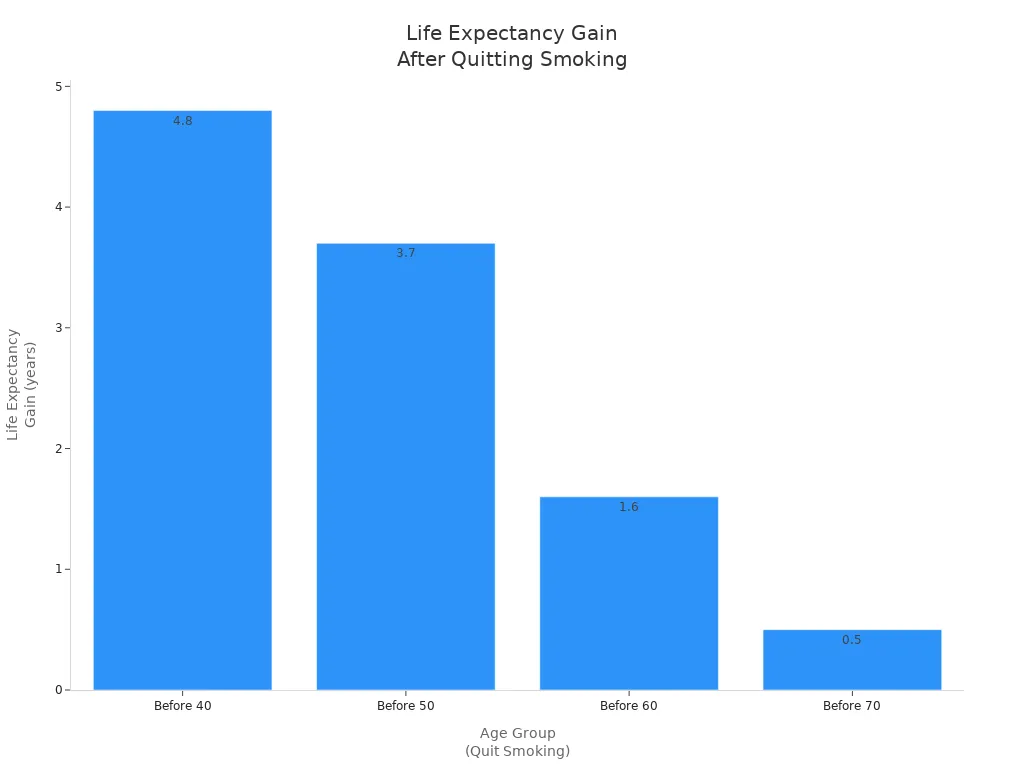
You improve your health and add years to your life when you quit smoking. Men who stop smoking before age 50 gain almost four extra years compared to those who continue. Even quitting at age 60 gives you more time. The earlier you quit, the bigger the benefit.
| Age Group (Quit Smoking) | Life Expectancy Gain Compared to Smokers |
|---|---|
| Before 40 | 4.8 years longer |
| Before 50 | 3.7 years longer |
| Before 60 | 1.6 years longer |
| Before 70 | 0.5 years longer |
Tip: Ask your doctor about support programs or medications to help you quit.
Alcohol Moderation
You protect your health by drinking less alcohol. Older men should limit themselves to no more than two drinks per day or seven drinks per week. Drinking less lowers your risk for liver disease, heart problems, and accidents.
- One drink per day is safest for most men.
- Avoid drinking more than two drinks at any occasion.
- If you have health issues, keep your intake even lower.
Sun Safety
You lower your risk for skin cancer by practicing sun safety. Melanoma rates are rising quickly among men over 60. Many men spend time outdoors or take medications that make their skin sensitive to sunlight. You need to take extra care.
- Wear sunscreen and protective clothing.
- Avoid sunbathing and sunburns.
- Check your skin often and see a doctor if you notice changes.
Note: Education about sun safety helps men stay healthy as they age.
Fall Prevention
Falls can cause serious injuries and affect your independence. More than one out of four men over 65 fall each year. You can prevent falls by following these strategies:
| Strategy | Description |
|---|---|
| Make exercise part of your routine | Exercise improves strength and balance, lowering fall risk by 23%. |
| Stay mentally active | Mind-body activities like tai chi and yoga help you maintain balance. |
| Review your medications | Talk to your doctor about medicines that cause dizziness. |
| Check vision and hearing | Regular checks help you stay aware of your surroundings. |
| Conduct an annual home inventory | Remove clutter and improve lighting to make your home safer. |
Callout: Staying active and making positive lifestyle changes supports your independence and quality of life.
You can take charge of healthy aging by making smart choices every day. Regular checkups, balanced nutrition, physical activity, and mental well-being all help men live better lives. Even small changes, like eating more fruits or moving more, can make a big difference. Studies show that men who start healthy habits at any age see real benefits.
| Long-Term Benefit | Description |
|---|---|
| Preventive Health | Screenings catch problems early and improve outcomes. |
| Mental Wellness | Hobbies and stress relief boost well-being. |
| Social Connections | Community involvement supports emotional health. |
Start with one or two steps today for better years ahead.
FAQ
How often should you get health checkups?
You should visit your doctor once a year for a checkup. Regular screenings help you catch health problems early. Ask your doctor about tests based on your age and risk factors.
What foods help you age well?
You can eat fruits, vegetables, whole grains, lean proteins, and healthy fats.
- Choose foods rich in fiber and vitamins.
- Drink plenty of water.
Can you start exercising if you have not been active?
Yes, you can start at any age. Begin with light activities like walking or stretching. Increase your activity slowly. Talk to your doctor before starting a new exercise routine.
How do you manage stress as you get older?
You can try mindfulness, meditation, or physical activity.
Spending time outdoors and connecting with friends also helps you feel better.
What should you do to prevent falls?
You can keep your home safe by removing clutter and improving lighting.
| Tip | Action |
|---|---|
| Exercise | Build strength and balance |
| Check vision | Visit your eye doctor |
See Also
Exploring 5-MTHF: Science-Driven Benefits for Your Health
Methylated Vitamins: Unlocking Benefits for Better Absorption
Understanding Protein’s Impact on ADHD: A Family Guide
A Beginner’s Guide to Magnesium Supplements: Start Confidently