

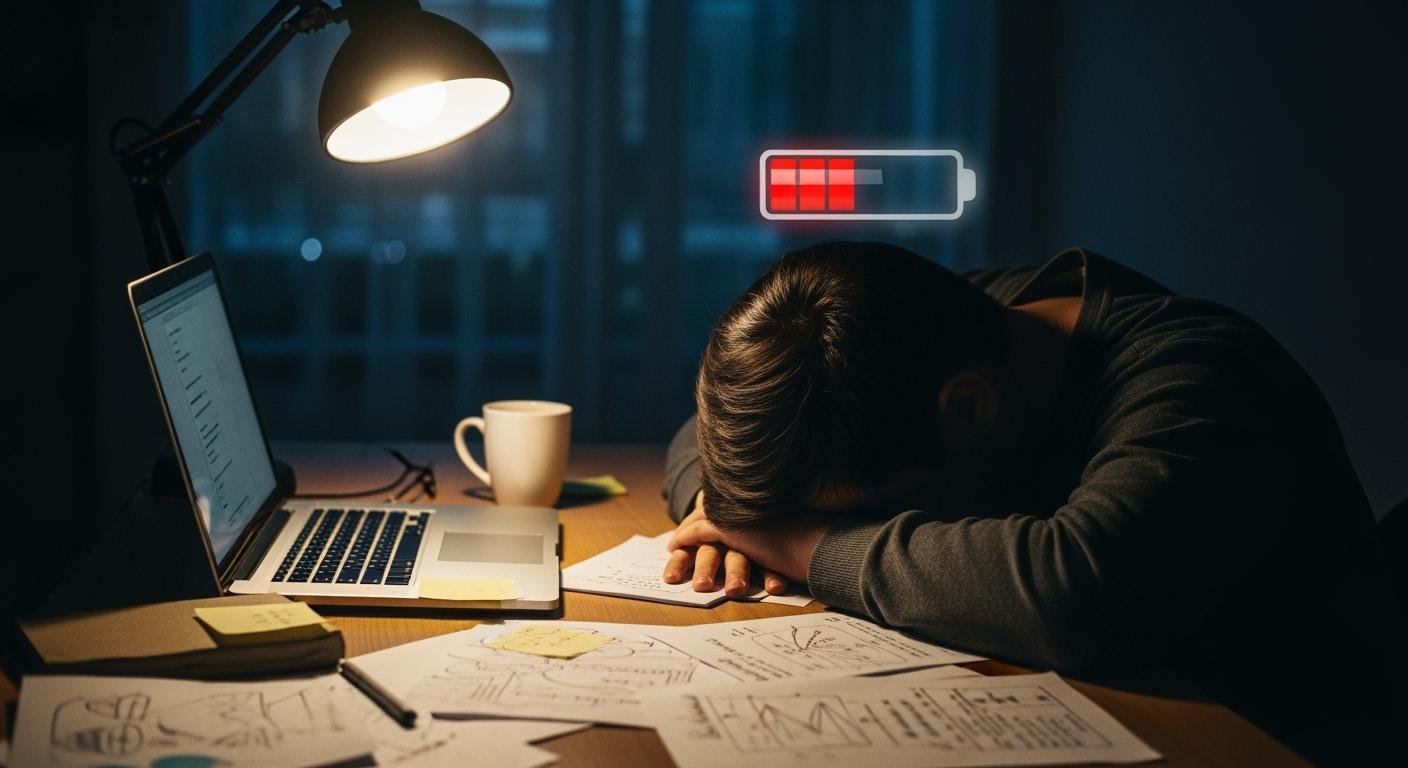
You do everything right but still feel drained. You are not alone. Studies show over 27% of people wake up tired most days of the week. Many men simply accept that losing energy is a normal part of getting older.
But what if your “normal” daily habits are the real energy thieves?
It is possible to fix the hidden energy mistakes sabotaging your day. You can reclaim your vitality and feel a powerful surge of energy again.
1. Critical Morning Mistakes
Your alarm blares. You hit snooze. You do it again. Sound familiar? Many men think this is just part of the morning grind. These common morning mistakes, however, set you up for a low-energy day before you even get out of bed.
The Problem: Starting with an Energy Deficit
That nine-minute snooze cycle feels like a small victory, but it’s actually a major loss. Each time you drift back to sleep, you start a new, low-quality sleep cycle you can’t finish. This makes you feel even groggier.
According to Dr. Chester Wu, a sleep specialist, hitting the snooze button prevents you from getting more quality sleep. This can intensify feelings of sleep inertia and lead to a stress reaction.
Grabbing your phone is the second mistake. You immediately flood your brain with emails, news, and social media. This reactive state consumes your mental energy before the day truly begins. Your brain jumps straight into stress mode.
- Scrolling through your phone can drain your creativity and confidence.
- Engaging with negative content first thing in the morning can ruin your mood.
- The blue light from your screen can even trigger your body’s stress hormone, cortisol.
The Solution: A ‘No-Snooze’ Morning Routine
You can reclaim your morning power. The fix is simple: stop hitting the snooze button. Set your alarm for the time you actually need to wake up. Then, place your phone or alarm clock across the room. This forces you to physically get out of bed, making it much harder to crawl back under the covers.
This single change helps you stick to your morning routine and feel more energized. You avoid the groggy feeling that comes from fragmented sleep. You give yourself a chance to wake up on your own terms, not in reaction to a notification. This powerful start creates a positive ripple effect for the rest of your day.
2. The Empty-Tank Breakfast
You rush out the door, grabbing only a coffee or maybe a sugary cereal bar. For many guys, treating breakfast like an afterthought is standard procedure. You might think you are saving time, but you are actually setting your body up for an energy crisis.
The Problem: No Fuel to Start Your Engine
Skipping breakfast or eating the wrong one forces your body to run on empty. Your brain and muscles need fuel after a long night of fasting. When you deny them a quality breakfast, your metabolism gets confused. This can lead to overeating later in the day and poor insulin response, which encourages your body to store fat.
This isn’t just about feeling tired. Regularly skipping breakfast is linked to serious health issues. Studies show it increases your risk for abdominal obesity, high blood pressure, elevated “bad” cholesterol, and high blood sugar.
Essentially, a bad breakfast sends your body into a state of stress. You are not just missing a meal; you are actively disrupting the metabolic rhythm that governs your energy levels for the entire day.
The Solution: The 5-Minute Protein Fix
You do not need an hour to make a power-packed breakfast. The key is to focus on protein, which provides sustained energy instead of a quick sugar spike and crash. Stop treating breakfast like an afterthought and start your morning with a strategic fuel-up. You can make a high-protein breakfast in just five minutes.
Here are a few simple ideas:
- A quick smoothie: Blend Greek yogurt or protein powder with spinach and some berries.
- Greek yogurt bowl: Top a cup of plain Greek yogurt with a handful of nuts and a drizzle of honey.
- Microwave egg scramble: Whisk two eggs in a mug with a splash of milk and microwave for 90 seconds.
This small morning investment pays huge energy dividends all day long. A protein-focused breakfast stabilizes your blood sugar and keeps you feeling full and focused.
3. The Caffeine Overload Cycle
Let’s be honest, that first cup of coffee feels essential. For many men, it’s a non-negotiable ritual to kickstart the day. But how you drink that coffee matters more than you think. Reaching for caffeine before anything else can trap you in a vicious cycle of highs and lows.
The Problem: Borrowing Energy You Don’t Have
Caffeine doesn’t create energy; it just borrows it from your future self. When you wake up, your body’s stress hormone, cortisol, is already naturally high to help you feel alert. Chugging coffee on an empty stomach sends it even higher. This is why you might feel jittery or anxious instead of focused.
This habit tricks your body into a state of emergency. It overworks your adrenal glands and disrupts the natural rhythm that governs your vitality.
Essentially, you are putting your system under stress from the moment you wake up. This can lead to a significant mid-afternoon energy dip as your body crashes from the artificial high. You are not just drinking coffee; you are setting yourself up for exhaustion later in the day.
The Solution: Hydrate First, Caffeinate Smart
The fix is surprisingly simple: drink a glass of water before your coffee. You wake up dehydrated, and rehydrating first sets the stage for a much better day. This small change helps you break the overload cycle and use caffeine to your advantage.
Hydrating first does several key things for your body:
- It kickstarts your digestion and metabolism properly.
- It replenishes crucial minerals like potassium and sodium that you lost overnight.
- It helps your body function better, allowing you to get a cleaner, more effective boost from caffeine.
- It supports your adrenal glands and reduces the stress response from caffeine.
By hydrating first, you maximize your natural energy and may find you don’t need that coffee quite so urgently. Stop chugging coffee on an empty stomach and give your body the water it truly needs to start the day strong.
4. Forgetting to Hydrate
You hit the afternoon slump and immediately think you need more coffee or a sugary snack. You might not realize it, but the real culprit behind your fatigue is often much simpler: you haven’t had enough water. Forgetting to hydrate is one of the most common and overlooked energy mistakes.
The Problem: Dehydration’s Sneaky Energy Drain
Your body is about 60% water, and every single system depends on it. When your water levels drop, even slightly, your body has to work much harder to perform basic functions. This extra effort drains your physical and mental reserves, leaving you feeling tired, foggy, and irritable.
Research shows that being dehydrated by just 2% is enough to impair tasks that require attention and immediate memory. You don’t have to be lost in the desert to feel the effects; you just have to forget to drink water for a few hours.
This isn’t just about feeling thirsty. Mild dehydration directly impacts your brain and mood. Studies have found that it can:
- Increase feelings of fatigue and sleepiness.
- Worsen your mood and make you feel more tense or anxious.
- Decrease your ability to concentrate and focus on tasks.
Essentially, when you deny your body the water it needs, you are forcing it to run with the emergency brake on.
The Solution: The Hourly Glass Rule
The fix is easier than you think. You don’t need to chug a gallon of water all at once. Instead, adopt the Hourly Glass Rule: aim to drink one 8-ounce glass of water for every hour you are awake.
Set a simple reminder on your phone or keep a water bottle on your desk as a visual cue. This simple habit prevents you from ever entering that state of mild dehydration that saps your vitality. By staying consistently hydrated, you give your body the fuel it needs to function optimally. You will notice a significant difference in your focus, mood, and overall feeling of well-being. Stop letting dehydration steal your day and start giving your body the water it craves.
5. The Afternoon Carb Crash
That heavy pasta or pizza lunch seemed like a great idea at noon, right? But by 2 p.m., you find yourself staring at your screen, struggling to keep your eyes open. You reach for another coffee, blaming a poor night’s sleep. The real problem, however, was likely on your lunch plate.
The Problem: Fueling the Midday Slump
When you eat a lunch packed with simple carbohydrates like white bread, pasta, or sugary drinks, you give your body a massive sugar load. Your body then works overtime to produce insulin to manage this spike. This process quickly removes the sugar from your blood.
The result is a sudden energy drop, often called a “sugar crash.” Your body overcorrected, leaving you with less fuel than before you ate.
This isn’t just a feeling of being tired. This sharp drop in blood sugar can trigger a whole host of issues that destroy your afternoon productivity. You might experience:
- Irritability and anxiety
- Difficulty concentrating or “brain fog”
- Headaches and shakiness
- Intense hunger for more sugary snacks
You are not just tired; your body is in a state of distress, making it impossible to feel focused and powerful.
The Solution: The Lean and Green Lunch
You can easily avoid the afternoon crash by changing what you eat for lunch. The fix is to build your meal around lean protein, healthy fats, and fiber-rich vegetables. This combination provides a slow, steady release of energy that keeps you fueled for hours.
Instead of a heavy sandwich or pasta, try one of these simple and powerful options:
- Healthy Avocado Chicken Salad: Mix shredded chicken with avocado, chopped veggies, and a squeeze of lime juice for a filling, energy-sustaining meal.
- Mediterranean Veggie Wrap: Spread hummus on a whole-grain tortilla and fill it with cucumbers, bell peppers, olives, and greens.
- Quinoa-Stuffed Bell Peppers: A great plant-based option that combines protein-packed quinoa with black beans and corn for lasting power.
Making this simple swap from heavy carbs to a “lean and green” lunch stops the energy roller coaster. You will feel sharp, focused, and energized all afternoon.
6. Skipping Any Form of Movement

You spend most of your day sitting at a desk. You feel stiff and drained by the afternoon. Many men, especially over 45, blame this on getting older. The real issue is one of the most common energy mistakes: skipping any form of movement. Your body is designed to move, and staying still for too long sends it into shutdown mode.
The Problem: A Stagnant Body and Mind
When you are inactive, your body’s systems slow down. This isn’t just about burning fewer calories. Prolonged sitting has a direct and rapid negative effect on your metabolism. The enzymes in your leg muscles responsible for capturing fat from your blood, like lipoprotein lipase (LPL), decrease by as much as 90%. This makes your body less efficient at using fuel.
This lack of movement leads to weak muscles, poor posture, and a slower metabolism. You are not just tired; your body is actively working against you.
This physical stagnation creates a cascade of problems:
- Your muscles begin to weaken, contributing to aches and poor posture.
- Your cardiovascular function diminishes.
- Your body’s ability to manage blood sugar and cholesterol worsens.
Skipping any form of movement is a habit that directly drains your vitality. You mistakenly attribute the resulting low energy to age when it is actually a fixable problem.
The Solution: The 5-Minute Movement Reset
You can fight back against this energy drain without hitting the gym for an hour. The solution is the 5-Minute Movement Reset. Research shows that even short, frequent walks can reverse the negative effects of sitting. Try to take a five-minute walk for every 30 minutes you sit.
This small amount of movement has a powerful impact.
| Benefit of 5-Minute Walks | Result |
|---|---|
| Blood Sugar Levels | Significantly Reduced |
| Blood Pressure | Significantly Decreased |
| Fatigue | Improved |
| Mood | Improved |
This simple habit keeps your metabolism active and your muscles engaged. You will feel more focused and powerful throughout the day. Stop letting a sedentary day steal your power and start incorporating this simple movement into your routine.
7. Ignoring Mental Energy Mistakes
You can have a perfect diet and sleep schedule, but if your mind is racing, you will still feel exhausted. Many people overlook how much mental stress drains their physical battery. You might think stress is just a feeling, but it is a major physical event that sabotages your day.
The Problem: How Stress Drains Your Battery
When you feel stressed, your body enters “fight-or-flight” mode. It releases hormones like adrenaline and cortisol to prepare you for a perceived threat. This response floods your system, increases your heart rate, and tenses your muscles. Your body is using a massive amount of resources to stay on high alert.
This constant state of readiness is like leaving your car’s engine revving all day. It burns through your fuel reserves, even when you are just sitting at your desk.
This mental and emotional strain is not just in your head. It creates real physical fatigue. You are left feeling drained, unfocused, and irritable because your body has been working overtime to manage the stress. This is a huge hidden drain on your daily energy.
The Solution: The 60-Second Stress Reset
You can quickly stop this stress response with a simple tool: the 60-Second Stress Reset. This technique uses deep breathing to activate your body’s “chill mode,” also known as the parasympathetic nervous system. Taking slow, deep breaths, especially with a long exhale, sends a “calm down” signal to your brain through a major nerve called the vagus nerve. This lowers your heart rate and reduces stress hormones.
Numerous studies, from helping patients before surgery to improving mood in daily life, confirm that brief, structured breathing practices work.
Try this simple exercise the next time you feel stressed:
- Find a comfortable seated position.
- Inhale slowly through your nose for a count of four.
- Hold your breath for a count of four.
- Exhale slowly through your mouth for a count of six.
- Repeat this cycle for 60 seconds.
This simple action interrupts the stress cycle and conserves your mental and physical resources.
8. A Disorganized Workspace

You glance at your desk and see piles of paper, random coffee mugs, and sticky notes from last week. You might think this mess is just a sign of a busy mind. In reality, that physical clutter is creating mental clutter, and it is a major hidden energy drain.
The Problem: Mental Clutter Drains Focus
A messy workspace forces your brain to work overtime. Every object in your line of sight—every stray pen, unopened letter, and tangled cord—is a piece of visual data. Your brain tries to process everything it sees, which pulls your focus away from the task at hand. This constant visual distraction creates a low-grade sensory overload.
According to neuroscience researchers at Princeton University, a cluttered environment overwhelms your brain and impairs its ability to process information. It is not just a feeling; your brain is actively fighting the chaos.
This visual noise does more than just distract you. It also triggers a physical stress response. Studies show that people in cluttered environments often have higher levels of cortisol, the stress hormone. Your messy desk is sending a constant signal to your brain that work is never done, which leaves you feeling overwhelmed, frustrated, and mentally exhausted.
The Solution: The ‘Clear to Neutral’ Habit
You can reclaim your focus and energy with a simple end-of-day routine: the ‘Clear to Neutral’ Habit. It means you take the last five minutes of your workday to put everything away. You clear your desk so it is a clean, neutral space, ready for a fresh start tomorrow.
This small action has a huge psychological payoff. It removes the visual reminders of unfinished tasks and gives you a powerful sense of control. A clean desk gives your mind “visual oxygen,” signaling that the day is complete.
Adopting this habit helps you:
- Reduce stress by lowering the mental load of your environment.
- Improve focus by removing visual distractions that compete for your attention.
- Boost motivation for the next day, as you can start work immediately without having to clean first.
This simple habit stops your workspace from draining your battery. You will start your morning feeling calmer, more in control, and ready to tackle your most important tasks.
9. The ‘Digital Sundown’ Failure
You finally get into bed after a long day. You decide to unwind by scrolling through social media or watching one more episode of your favorite show. This habit feels relaxing, but it is one of the biggest sleep mistakes you can make. You are failing to give your brain a proper “sundown,” and it is wrecking your energy for the next day.
The Problem: Blue Light and Anxiety Wreck Sleep
That bright screen you are staring at is a major problem. The blue light it emits tricks your brain into thinking it is still daytime. This light is a powerful signal that suppresses melatonin, the key hormone your body uses to regulate sleep. Harvard researchers found that blue light can disrupt your internal clock twice as much as other light, making it much harder for your body to power down.
It’s not just the light; it’s the content. Checking work emails or scrolling through stressful news keeps your mind in a state of high alert. This can cause racing thoughts and anxiety, making it nearly impossible to relax.
This creates a vicious cycle.
- Poor sleep quality makes you feel more anxious the next day.
- Anxiety makes it harder to fall asleep the next night.
- You wake up feeling groggy and unrefreshed, even if you were in bed for eight hours.
The Solution: A Tech-Free Final Hour
You can break this cycle with a simple but powerful rule: create a Tech-Free Final Hour before bed. Put your phone, tablet, and laptop away. Turn off the TV. This gives your brain the clear signal it needs to start producing melatonin and prepare for deep, restorative sleep.
This buffer zone allows your mind to calm down from the day’s stimulation. Instead of scrolling, try one of these simple, screen-free activities to wind down:
- Take a warm bath to relax your body.
- Listen to a calming podcast or music on a smart speaker.
- Do a few minutes of gentle stretching.
- Read a physical book or magazine.
Adopting this digital sundown habit is a game-changer. You will fall asleep faster, sleep more deeply, and wake up with the mental and physical energy you need to conquer your day.
10. An Inconsistent Sleep Schedule
You work hard all week, so you “reward” yourself by sleeping in until 10 a.m. on Saturday. It feels great in the moment, but by Sunday night, you are wide awake, and Monday morning feels brutal. This common habit is a major energy mistake that creates a cycle of exhaustion.
The Problem: Confusing Your Internal Clock
Your body runs on a 24-hour internal clock called a circadian rhythm. This clock tells you when to feel sleepy and when to feel alert. When you have an inconsistent sleep schedule, you give your body confusing signals. Staying up late and sleeping in exposes you to light at the wrong times, which can delay your body’s melatonin production and throw your entire rhythm off track.
This creates a condition known as “social jetlag.” You are essentially putting your body through the same stress as flying across time zones every single weekend.
This constant confusion does more than just make you feel tired. A misaligned internal clock is a serious health risk. Over time, it can lead to:
- Impaired focus, memory, and decision-making.
- A higher risk for obesity and diabetes due to metabolic disruption.
- Increased chances of developing heart disease and gastrointestinal problems.
- A weakened immune system and a greater risk for chronic diseases.
The Solution: The Consistent Wake-Up Anchor
The fix is to give your body a strong signal it can rely on: The Consistent Wake-Up Anchor. This means you wake up at the same time every single day, even on weekends. This consistent wake-up time anchors your entire circadian rhythm, telling your body exactly when the day begins.
This powerful habit stabilizes your energy levels throughout the day and makes it easier to feel sleepy at the right time at night. If you must sleep in, try to keep it within an hour of your normal wake-up time to avoid major disruption. A consistent morning routine is one of the most effective ways to guarantee you wake up feeling refreshed. By setting this anchor, you stop confusing your body and start building a reliable foundation for all-day energy.
High energy is not about luck or age; it is about your daily habits. You have the power to fix the small energy mistakes that drain your battery. Each tiny improvement compounds over time, leading to a huge boost in your vitality.
Your challenge: Pick just one of these energy mistakes to correct this week. Notice the difference. Then, build from there to fix more energy mistakes.
FAQ
Which mistake should I fix first?
Start with the one that feels easiest for you. The ‘Hydrate First’ rule is a simple win. You could also try the ‘5-Minute Movement Reset.’ Pick one small change, master it for a week, and then build from there. Success with one change builds confidence for the next.
How long until I feel more energetic?
You can feel some benefits almost immediately. For example, hydrating properly can boost your focus within hours. For bigger habits like fixing your sleep schedule, give it at least a week. Consistency is the key to seeing a real, lasting difference in your daily energy levels. 🚀
What if I still feel tired after making these changes?
These habits fix common energy drains. If you try them consistently and still feel exhausted, it is a great idea to talk to your doctor. Persistent fatigue can be a sign of an underlying health issue, so getting a professional opinion is a smart next step.
See Also
Magnesium Supplements: A Beginner’s Confident Guide to Getting Started
Unlocking 5-MTHF Benefits: Your Science-Backed Advantage for Modern Wellness
Methylfolate (5-MTHF): A Comprehensive, Science-Backed Guide for Safe Supplementation
Choosing and Timing Methyl Folate: Your Complete Step-by-Step Guide
Magnesium Malate for Sleep: A Beginner’s Science-Backed Guide to Rest