

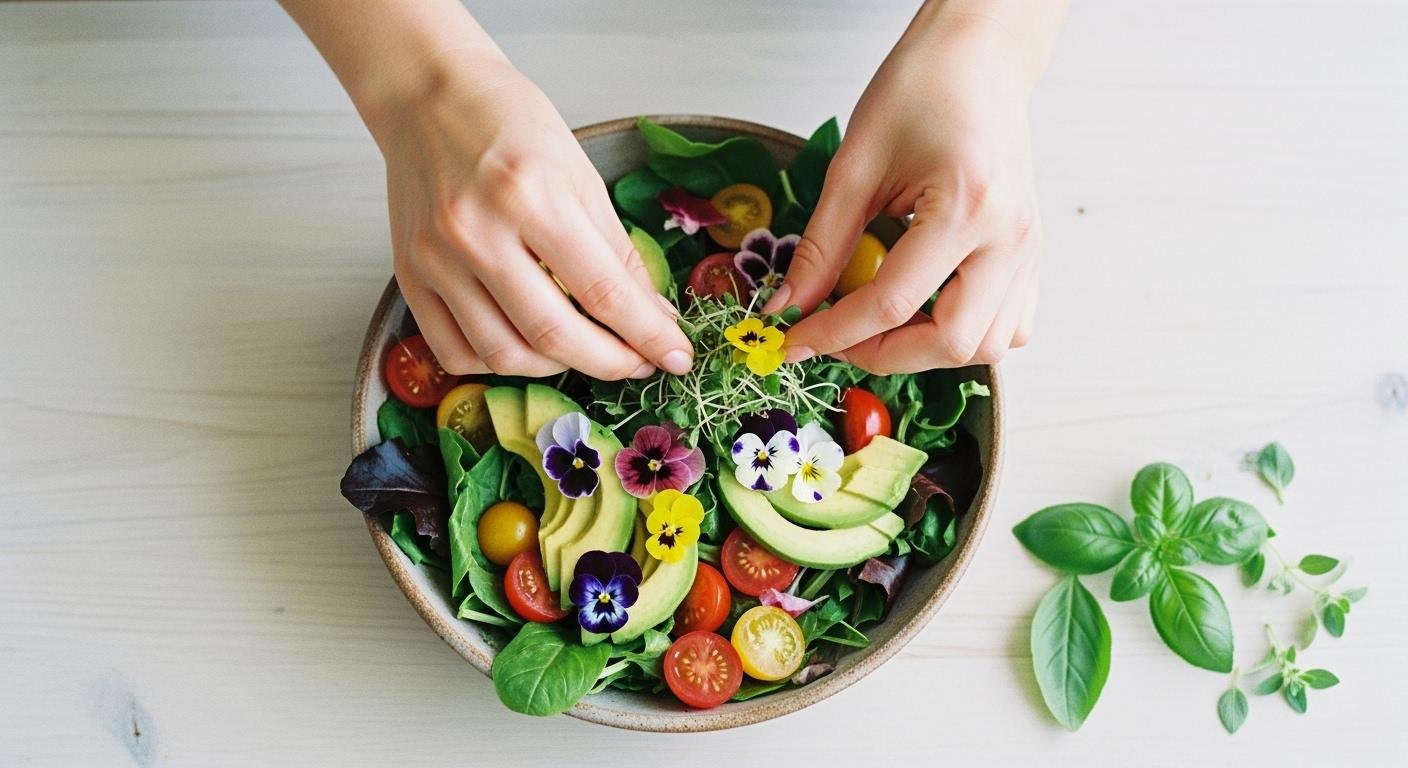
Are you tired of the constant battle with food? Do you wish you could enjoy eating without guilt? You can build a healthier relationship with your meals. This path offers a peaceful, healthy relationship with food. Your journey toward wellness and food freedom starts here.
This approach focuses on self-compassion. You will find an absence of strict rules. This new way of eating is about healing your connection to food.
Build a Positive Relationship With Food

You can build a positive relationship with food. This journey starts by understanding the external pressures that shape your eating habits. You will then learn to release judgment and embrace a new, kinder perspective. This path leads to a more joyful and sustainable approach to your overall wellness.
Recognize Diet Culture’s Impact
You see diet culture everywhere. It appears in media, advertising, and social media feeds. The diet industry, valued at over $66 billion, heavily influences these messages. It promotes an unrealistic “thin ideal” as the main sign of health and beauty. This creates unnecessary stress around your eating choices.
Marketing messages often use specific words to influence you.
- Terms like ‘clean,’ ‘guilt-free,’ and ‘superfoods’ suggest some foods are morally better than others.
- Influencers on platforms like Instagram and TikTok reinforce the idea that buying certain products will bring you happiness and a new body.
- This constant exposure can create perfectionistic thoughts about eating, leading to anxiety when your choices are not “perfect.”
These messages create a false story. They suggest you can buy your way to health through supplements or restrictive diets. Recognizing this influence is your first step toward freedom from food guilt.
Let Go of ‘Good’ vs ‘Bad’ Labels
Diet culture often teaches you to label food as ‘good’ or ‘bad’. This way of thinking is harmful. It can make you feel guilty or ashamed for eating certain things. This shame negatively impacts your self-esteem and can lead to an unhealthy obsession with food. This mindset can trap you in a cycle of restriction and binge eating.
You can change this narrative. Start by using neutral language for your food choices. This simple shift can reduce feelings of failure and shame.
Instead of thinking, “I overate,” you can tell yourself, “I nourished my body.” This compassionate approach to eating promotes body acceptance. Try swapping judgmental words for descriptive ones. For example, use “nutrient-dense” instead of “healthy.” This focuses on what the food contains without assigning it a moral value.
Letting go of these labels helps you build a more positive relationship with food. It allows for relaxed eating without judgment.
Reframe Food as Fuel and Pleasure
Food has two amazing purposes. It is both fuel for your body and a source of immense pleasure. Viewing food as fuel helps you prioritize your body’s physical hunger signals. This perspective encourages you to eat when you are hungry and choose foods that provide energy. It is a powerful way to reclaim your eating from an adversary into an ally.
At the same time, eating is a source of joy and connection. Sharing a meal transforms almost any food into comfort food.
- Many of your most important memories might involve cooking and eating with family and friends.
- Cultural traditions are often centered around specific dishes and communal meals.
- These experiences create strong bonds and reinforce your sense of identity and belonging.
Finding a balance between these two roles is key. This allows for both nourishment and the joy of eating for pleasure. This approach supports a truly healthy and sustainable lifestyle.
Practice Compassionate Self-Talk
Your inner voice has a powerful impact on your eating habits. A critical inner voice can increase feelings of guilt and shame. You can change this dialogue. Practice speaking to yourself with the same kindness you would offer a friend. This creates a sense of safety and encourages gentle progress.
When you notice negative thoughts about your eating, simply observe them. You do not need to judge them or act on them. Let them pass like clouds in the sky. Treat yourself with understanding, especially when you face challenges with food or your body image. This practice is essential for creating lasting positive feelings and experiences with food. A compassionate mindset is the foundation for a healthier relationship with your meals and yourself, promoting relaxed eating.
Steps to a Healthier Relationship
You can take practical steps to build a healthier relationship with food. This process involves unlearning old habits and relearning how to trust your body. You will discover how to listen to your internal cues. This journey empowers you to find freedom and joy in eating.
Honor Your Body’s Hunger Cues
Your body sends you clear signals when it needs energy. This is physical hunger. Recognizing these cues is the first step toward eating for hunger. Diet culture often teaches you to ignore or fear these signals. Honoring them is an act of self-care.
Your body communicates its needs in many ways. You might notice some of these common signs:
- A rumbling or growling stomach
- Low energy or feelings of fatigue
- Difficulty concentrating or focusing
- Irritability or sudden mood swings
- Headaches or feeling lightheaded
Ignoring these signals can have negative effects. It may lead to intense food cravings, nutritional deficiencies, and even an increased risk for developing an eating disorder. When you consistently ignore hunger, you can lose touch with your body’s needs. This makes it harder to know when you are truly hungry or full. This is why eating for hunger is so important for your long-term wellness.
Tip: Ask yourself, “When did I last eat?” If it has been 3-5 hours, you are likely feeling physical hunger. Emotional hunger often appears suddenly and is tied to feelings like stress or boredom, not an empty stomach.
Give Yourself Permission to Eat
You must give yourself unconditional permission to eat any food. This idea might feel scary, especially if you have a long list of “bad” foods. However, restricting food often backfires. It can increase cravings and lead to a cycle of restriction and overeating. Granting yourself permission is the only way to break this cycle and find peace.
You can start this process slowly and with intention. This practice helps you feel safe around all types of food again.
- ✍️ Make a list. Write down all the foods you currently restrict or feel guilty about eating.
- 🛒 Choose one food. Pick one item from your list and buy it or make it.
- 🍽️ Eat with awareness. Enjoy the food. Pay attention to its taste and texture. Eat until you feel satisfied.
- 🔁 Remind yourself. Tell yourself that you can have this food again whenever you want. This removes the sense of scarcity.
- 🔄 Repeat the process. Continue this practice with other foods on your list until they no longer hold power over you.
This journey helps you neutralize food. It transforms your mindset and supports a truly relaxed eating experience.
Practice Mindful Eating
Mindful eating is the practice of being fully present during your meal. It is not a diet. It is a way to reconnect with the experience of eating and your body’s signals. This practice helps you enjoy your food more and better recognize fullness. It is a powerful tool for building a healthy connection with every meal.
You can start mindful eating with a few simple changes. These small adjustments make a big difference in your eating experience.
- Eat without distractions. Turn off the TV and put your phone away. Focus only on your food.
- Slow down your pace. Put your fork down between bites. Chew each bite thoroughly before taking the next one.
- Use all your senses. Notice the colors, smells, sounds, and textures of your meal.
- Check in with yourself. Pause halfway through your meal to ask how you are feeling. Are you still hungry?
Practicing mindful eating can lead to greater psychological well-being and improved self-esteem. It empowers you to make conscious choices that feel good for your body and mind.
Learn to Feel Your Fullness
Just as your body signals hunger, it also signals fullness. Learning to recognize these cues helps you stop eating when you are satisfied, not stuffed. Dieting can disconnect you from these natural signals. Reconnecting with them is essential for relaxed eating and finding a comfortable balance.
A helpful tool for this is the Hunger and Fullness Scale. It is a simple guide to help you rate your hunger and fullness on a scale of 1 to 10.
| Rating | Feeling | Description |
|---|---|---|
| 1 | Ravenous | Weak, dizzy, extreme hunger |
| 3-4 | Gently Hungry | Stomach is growling, ready to eat |
| 5 | Neutral | Neither hungry nor full |
| 6-7 | Satisfied | Pleasantly full and content |
| 10 | Stuffed | Uncomfortably full, may feel sick |
The goal is to start eating around a 3 or 4 and stop when you feel comfortably satisfied, around a 6 or 7. This scale is a flexible guide, not a strict rule. Use it to check in with your body before, during, and after eating. This practice helps you build trust in your body’s wisdom for a healthy and sustainable approach to eating.
Nourish With Nutrition by Addition
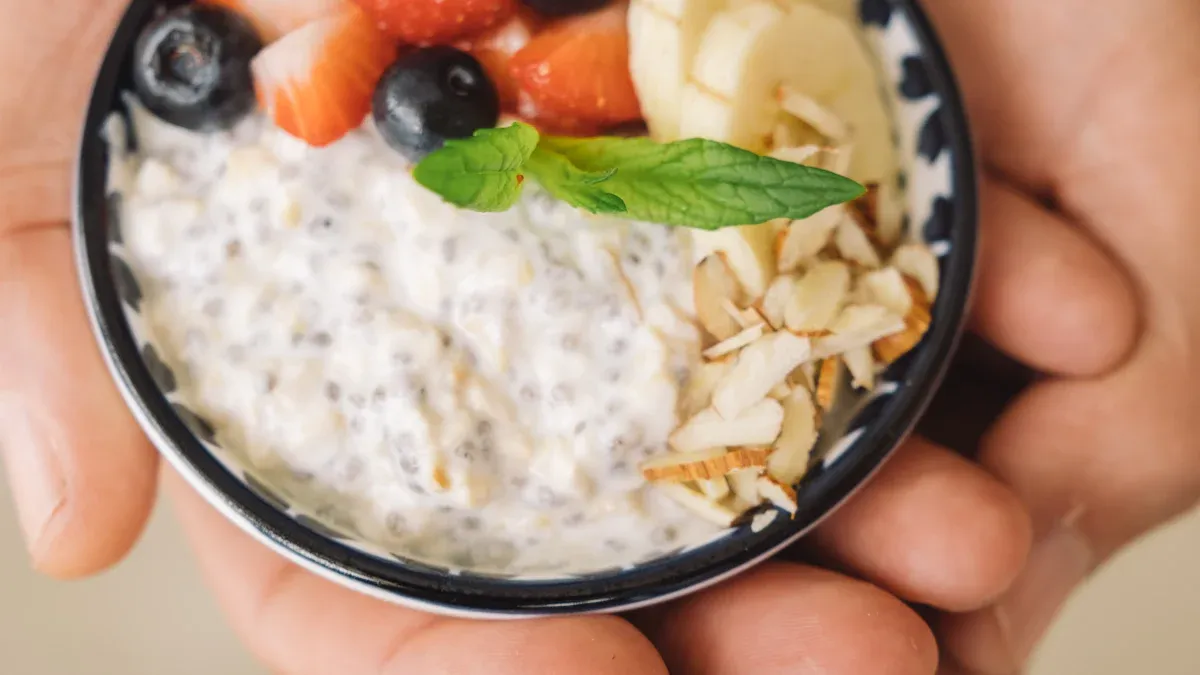
You can transform your approach to eating by focusing on what you can add, not what you must take away. This positive shift in perspective makes healthy eating feel abundant and joyful. It is a powerful way to improve your nutrition without feeling deprived. This method enhances your overall wellness.
The ‘Addition’ Mindset
The ‘addition’ mindset changes how you see your plate. Instead of removing foods, you look for opportunities to add more nutrition. This simple change makes eating feel creative and positive. You can start with any meal.
- Breakfast: Add spinach and tomatoes to your eggs. Mix chia seeds into your yogurt.
- Lunch: Add chicken and broccoli to your pasta for more protein and vegetables.
- Dinner: Prepare a quick cucumber and tomato salad to enjoy before your main course.
This approach to eating makes every meal an opportunity to nourish your body.
Focus on Nutrient-Dense Foods
Nutrient-dense foods give you lots of vitamins and minerals for fewer calories. Making these a focus of your eating plan boosts your nutrition. You can easily add these powerful foods to your daily routine. Some great nutritional food choices include:
- Salmon: This fish is rich in healthy fats and protein.
- Kale: This leafy green is packed with vitamins and minerals.
- Seaweed: This sea vegetable provides essential minerals like iron and calcium.
- Dark Chocolate: Cocoa contains antioxidants that support your health.
Adding these items enhances the nutritional value of your food.
Build a Balanced Plate
Creating a balanced plate ensures you get the right mix of nutrients. A simple visual guide can help you build a healthy meal. This practice helps you find a sustainable balance.
Imagine your plate is divided into sections. Fill half your plate with colorful vegetables. One-quarter should be lean protein like fish or beans. The last quarter can be complex carbohydrates like brown rice or sweet potatoes.
This method supports the idea that eating should be a balanced activity. Your body needs a mix of macronutrients for energy and function. The general recommendation for daily nutrition is:
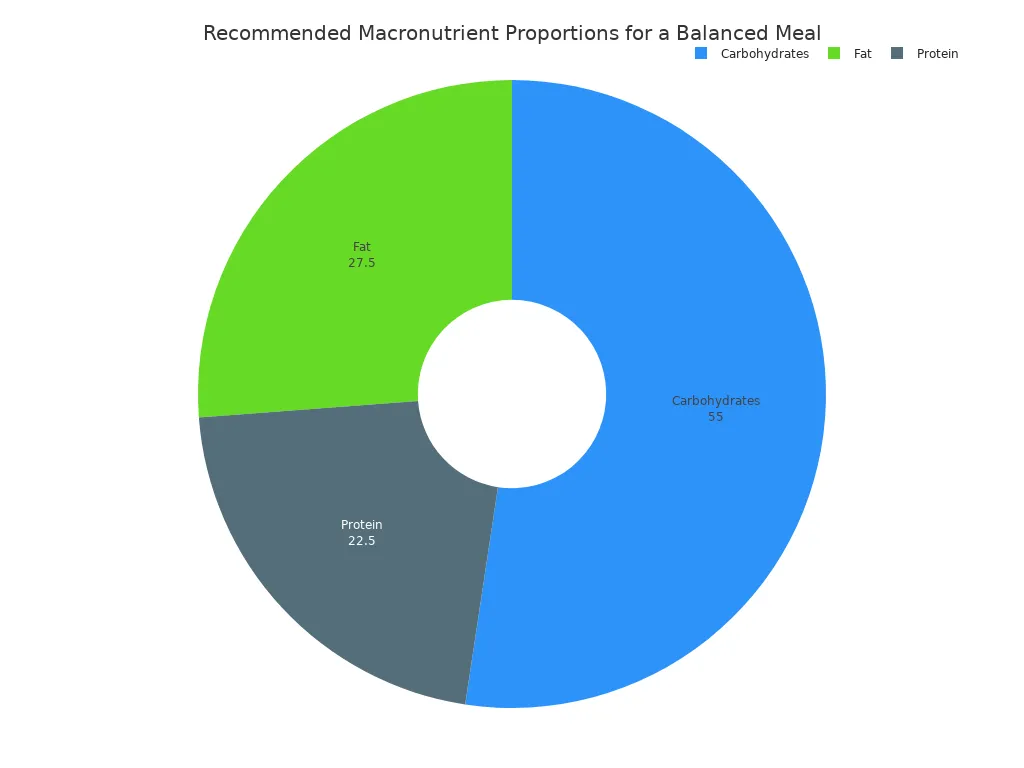
This balance in your eating habits is key to long-term success.
Eat the Rainbow
“Eating the rainbow” is a fun way to get a wide range of vitamins and minerals. Different colors in fruits and vegetables signal different nutrients. A colorful plate is a sign of good nutrition. This approach is about enhancing your food, not restricting it. You are simply adding more variety and goodness to the meals you already enjoy. This makes eating a vibrant and enjoyable experience.
Embrace Flexibility for Lasting Change
A truly healthy relationship with food is not rigid. It is built on flexibility and self-compassion. You can find lasting change by letting go of perfection. This approach allows you to enjoy life while still nourishing your body. Embracing flexibility is key to sustainable wellness and relaxed eating.
Adopt the 80/20 Principle
The 80/20 principle is a powerful tool for balance. It promotes the idea of “everything in moderation.” This approach offers great flexibility. You focus on nourishing your body most of the time while still enjoying your favorite food.
- Your 80%: You fill your plate with nutrient-dense foods like fruits, vegetables, and lean proteins about 80% of the time. This eating fuels your body.
- Your 20%: You allow yourself to enjoy treats like pizza or chocolate for the other 20%. This flexibility prevents feelings of restriction and makes healthy eating sustainable.
This method supports a healthier relationship with food without complicated rules.
Plan for Social and Pleasure Eating
Social eating is a source of joy and connection. You can enjoy these moments without stress by planning with flexibility. A little preparation helps you stay aligned with your goals.
- Look at the menu ahead of time. This helps you make a choice that feels good.
- Eat a small, balanced snack before you go. Arriving overly hungry can make mindful eating difficult.
- Focus on the company, not just the food. Social events are about connection and pleasure.
Mindful eating is a powerful skill. It involves a state of active, open awareness. You focus on the full experience of eating. You consciously observe the aroma, taste, and texture of food. This practice leads to greater enjoyment from meals.
Navigate Setbacks With Grace
You might have moments where your eating doesn’t go as planned. This is normal and okay. The goal is progress, not perfection. True flexibility means you can navigate setbacks with kindness. Instead of feeling guilty, see it as a learning opportunity. Remind yourself that one meal does not define your journey. This compassionate mindset supports relaxed eating and long-term success.
Your Path to a Healthy Relationship With Food
Your journey is unique. It involves finding a balance that works for you. This path is about moderation and flexibility. You are unlearning old rules and building trust with your body. This new way of eating creates freedom and joy. Embrace the flexibility to create a healthy, happy life.
Your journey to a healthier relationship with food is about unlearning rules. You can relearn to trust your body’s signals for eating. This path is about progress, not perfect eating. You can start your healthy eating journey today. Add one vegetable to your next meal. You will find a joyful balance in your eating. This creates a unique and healthy relationship with food for lasting wellness. This new way of eating makes food an ally.
FAQ
How long does this healing process take?
Your journey is unique, so the timeline varies. You can practice patience and self-compassion. Celebrate every small victory on your path. You are making progress each day toward food freedom and a more joyful relationship with your meals.
What if I have a health condition?
You should always consult a professional for medical needs. You can work with a doctor or registered dietitian. They help you meet your health requirements while you heal your relationship with food. Your well-being is the top priority.
Is it still okay to want to lose weight?
You can have this desire. This approach focuses on health behaviors, not the scale. Your body will find its natural, healthy weight as you learn to trust its cues. You are building sustainable habits for long-term wellness and peace.
How do I handle comments from others?
You do not need to justify your food choices. You can set a gentle boundary.
Try saying, “I appreciate your concern, but this is what feels best for my body right now.” 😊 Your peace is your priority.
See Also
Unlocking Modern Wellness: The Science of 5-MTHF Supplement Benefits
Managing Tinnitus: Nutritional Strategies and Dietary Support Explained
Protein and ADHD: A Scientific Guide for Health-Conscious Families
Methyl Folate: Your Complete Guide to Optimal Timing and Selection