

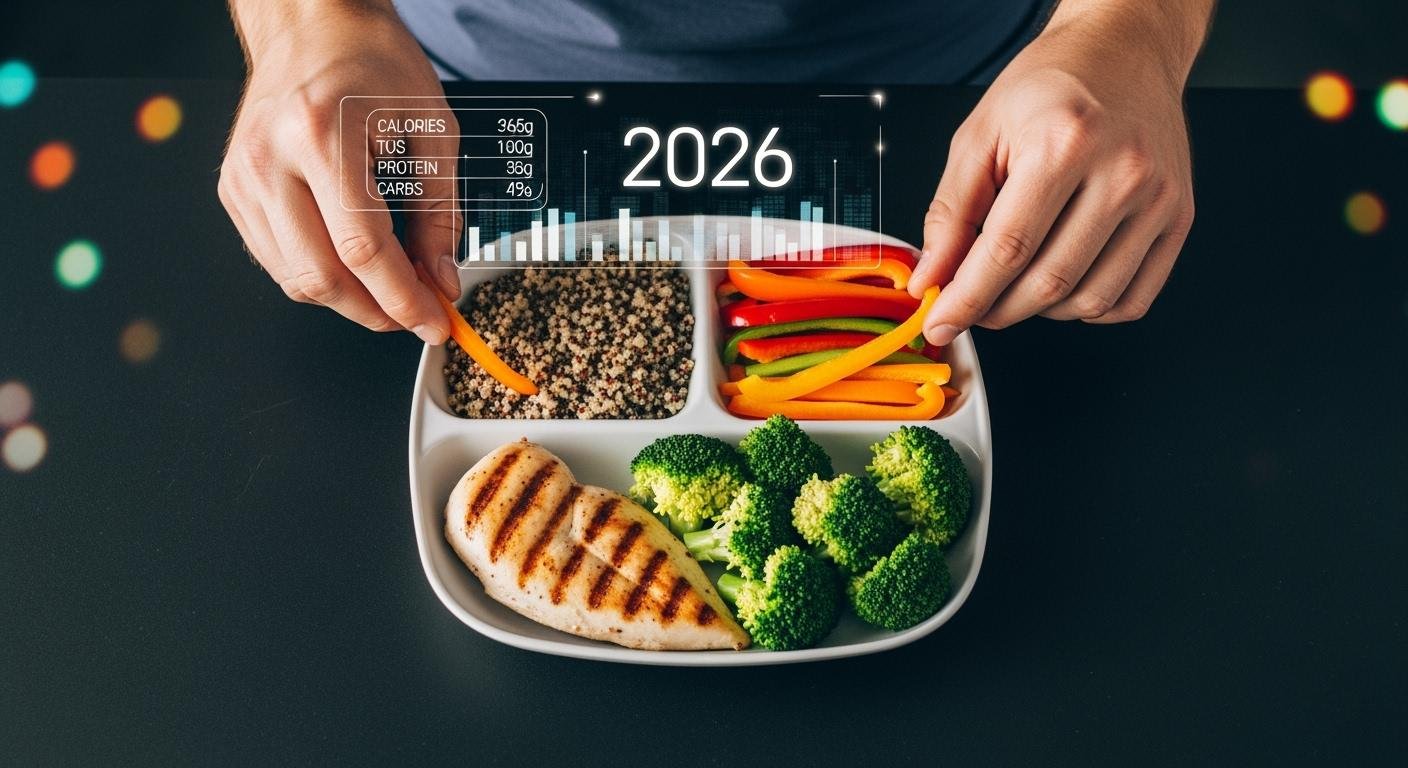
Complicated diets often frustrate men seeking better health. The balanced plate method offers a simple path to healthy eating. This visual guide helps you build a healthy diet without complex rules. For your next meal, follow this simple blueprint for a balanced diet.
🍽️ Your Plate Blueprint:
- 50% Vegetables
- 25% Lean Protein
- 25% Quality Carbs
This approach is the key to sustainable health, making healthy eating for adults achievable.
The Balanced Plate: A Visual Guide
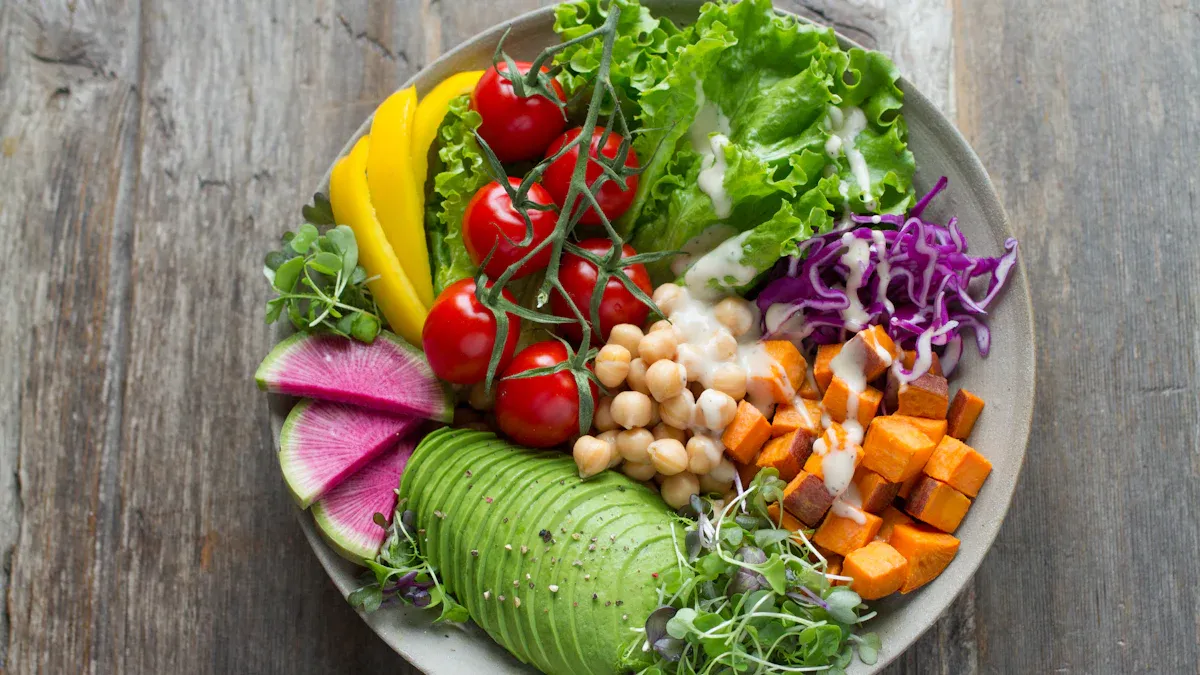
Think of your dinner plate as a simple map for your health. You just need to mentally divide a standard 9-inch plate into sections. This visual approach is the core of the balanced plate method. Scientific reviews show that using portion control plates helps people significantly reduce body weight and BMI. This simple change to your diet improves your nutrition knowledge and encourages healthy eating behaviors. The method is even effective in dietary plans for patients recovering from heart attacks.
Your goal is a simple ratio that works for most men, especially those with desk jobs. It aligns with the USDA’s MyPlate recommendations for a balanced diet.
🗺️ Your Plate Map:
- Half (50%) of your plate should be vegetables and fruit.
- One quarter (25%) should be lean protein.
- One quarter (25%) should be quality carbohydrates.
This is a flexible guide, not a strict rule. It provides a powerful framework for building a better meal.
The 50% Vegetable Foundation
You will fill half your plate with non-starchy vegetables and fruit. This large portion is the foundation of your healthy eating plan. These foods have the highest satiety scores for their low calorie count. They are high in fiber and water, which helps you feel full. Eating a large portion of vegetables can lead you to consume fewer calories overall from the other foods on your plate. This strategy is key for weight management without constant calorie counting.
Load up your plate with a colorful variety of vegetables and fruit. Try some of these excellent choices:
- 🥬 Leafy Greens: Spinach, kale, romaine lettuce, arugula
- 🥦 Cruciferous Veggies: Broccoli, cauliflower, Brussels sprouts
- 🫑 Peppers: Bell peppers of any color, jalapeños
- 🥒 Other Favorites: Cucumbers, tomatoes, onions, mushrooms, asparagus
The 25% Protein Quarter
Next, you will dedicate a quarter of your plate to lean protein. Protein is the most satiating nutrient. Including a 25% protein portion in your meal helps control your appetite for hours. Research shows this amount can increase your energy expenditure and help your body build and maintain muscle. For active men, an intake of 1.2 to 1.7 grams of protein per kilogram of body weight daily supports muscle maintenance and growth. This portion of protein helps you feel satisfied and reduces the desire for unhealthy snacks later. Choose lean options to minimize unhealthy saturated fat.
| Protein Category | Examples |
|---|---|
| Animal-Based | Chicken breast, turkey, fish (salmon, tuna), eggs, Greek yogurt |
| Plant-Based | Lentils, beans (black, kidney), tofu, edamame, quinoa, pumpkin seeds |
The 25% Carb Quarter
Finally, you will fill the last quarter of your plate with high-fiber carbohydrates. Your body needs carbohydrate fuel for energy. Choosing the right kind is critical. Complex carbs provide steady, long-lasting energy that powers you through your day without the crash that comes from sugary, refined options. This balanced diet approach ensures you have the fuel you need for both mental and physical tasks. When choosing carbs, look for options that are also good sources of healthy fat and fiber.
🌾 Focus on Fiber-Rich Carbs Good choices for your carb portion include whole grains, beans, and starchy vegetables. Try adding brown rice, quinoa, or whole-wheat pasta to your plate. Other great options are black beans, chickpeas, sweet potatoes, and corn.
Mastering Protein for Men

Protein is more than just a buzzword in the fitness world. It is a fundamental building block for your body. Understanding its role helps you optimize your diet for better results. For men, getting enough protein is essential for building strength, managing appetite, and supporting overall health.
Why Protein Matters
Protein plays several critical roles in your body. It is vital for muscle repair and growth, especially after exercise. Studies show that consuming protein right after a workout stimulates muscle synthesis. Your body uses the amino acids from protein to rebuild stronger muscles. Protein also helps you feel full longer. A protein-rich breakfast can increase feelings of fullness and reduce hunger throughout the day. This makes it easier to manage your weight.
Did You Know? Acute protein consumption significantly impacts hormones that control your appetite. It lowers ghrelin (the hunger hormone) while increasing hormones that signal fullness.
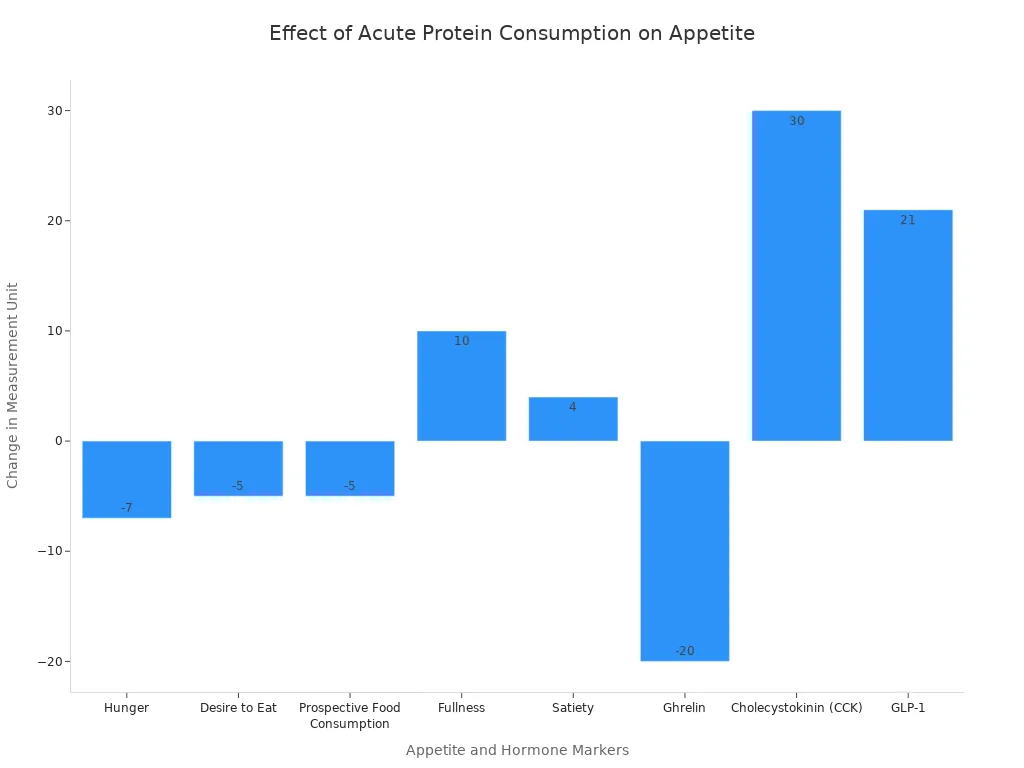
This nutrient also supports healthy hormone production, which is crucial for men’s health. Meeting your nutritional needs with the right amount of protein is a key part of a balanced diet. A protein-rich breakfast is a great start to your day.
How to Get It
You can meet your protein goals from a variety of animal and plant-based sources. Including different types ensures you get a wide range of amino acids and other nutrients. Your specific nutritional needs will determine the best sources for you. Good nutrition for men involves choosing lean options to build a healthy plate.
This table shows the protein content in some common foods. You can use it to make smart choices for your meals.
| Food Item (per 100g) | Protein Content |
|---|---|
| Lean Chicken Breast | 32.1g |
| Salmon Fillet | 29.9g |
| Firm Tofu | 17.3g |
| Cooked Lentils | 9g |
Aim to include a source of protein with every meal, starting with breakfast. This simple habit will help you meet your daily targets and support your wellness goals.
Choosing Carbs and Healthy Fats
You now understand the protein portion of your plate. Let’s focus on the other essential elements for a truly balanced diet: carbohydrates and fats. Making smart choices here is crucial for your energy and long-term health.
The Core of Healthy Eating
Your body uses carbohydrates for fuel. Choosing the right type of carbohydrate makes a big difference. Complex carbs, like whole grains, provide a slow and steady release of energy. This helps you avoid the energy crash that often follows a meal high in simple sugars. This approach to healthy eating supports sustained fullness.
💡 Energy Tip: Whole grains have a lower glycemic index (GI) than refined grains like white bread. Low-GI foods digest slowly. This causes a more gradual rise in your blood sugar, giving you stable energy for your day.
A healthy diet includes a variety of quality carbs. Your nutrition will improve when you select options that are less processed. Good choices for your carbohydrate portion include:
- Whole Grains: Oats, quinoa, brown rice, and whole-wheat pasta.
- Legumes: Lentils, black beans, and chickpeas.
- Starchy Vegetables: Sweet potatoes, corn, and peas.
Adding Healthy Fats in Moderation
Fat is not the enemy. In fact, your body needs healthy fat to function correctly. The key is choosing the right kind of fat and managing your portion size. A balanced diet includes monounsaturated and polyunsaturated fats. These support your overall health.
For a healthy diet, total fat should make up about 20% to 35% of your daily calories. You should limit saturated fat to less than 10% of your calories. You do not need to count calories to achieve this. Simply add a small portion of healthy fat sources to your meals. This will help you meet your nutritional needs.
You can find healthy fats in many delicious foods. Try adding these to your diet:
- 🥑 Avocado on toast or in a salad
- 🫒 Olive oil as a dressing
- 🌰 Walnuts or seeds as a snack or topping
Beyond the Plate: A Sustainable Diet
A truly healthy diet extends beyond your plate. Your daily habits, like hydration and activity, are essential for long-term health. These elements work with your food choices to build a strong foundation for wellness.
The Role of Smart Hydration
Proper hydration is a cornerstone of healthy eating. Your body needs water for energy and peak performance. Even minor dehydration can significantly impact your health. Losing just 2% of your body mass through sweat can impair your endurance. Your heart rate increases, and exercise feels much harder. This makes it difficult to perform your best.
For most men, the daily goal is about 13 cups (3 liters) of fluid. Your needs increase with activity. A simple way to manage this is to drink a portion of water with every meal and snack.
💧 Smart Hydration Tips Plain water is always a great choice. You can also try other healthy options to meet your hydration goals.
- Drink unsweetened herbal teas.
- Add fruit like lemon or strawberries to your water.
- Eat foods with high water content, such as cucumbers, watermelon, and soups.
Incorporating Physical Activity
Physical activity completes your balanced diet. Exercise helps your body use the fuel you provide it. It builds strength and supports your overall well-being. The right amount of activity is a key part of a sustainable diet.
Health experts recommend a weekly goal for adults. You should aim for at least:
- 150 minutes of moderate-intensity activity (like brisk walking).
- OR 75 minutes of vigorous-intensity activity (like running).
- PLUS muscle-strengthening activities on two or more days.
You can break up your activity into a smaller portion each day. Even a small portion of movement is better than none. Pairing regular exercise with a healthy diet is the most effective way to reach your wellness goals.
Building a balanced plate is a simple skill for men. This approach is more effective than a restrictive diet. Studies show men who make small, consistent changes achieve better long-term health. Your balanced diet is built on a few key ideas.
🍽️ Your Meal Summary:
- Protein for strength
- Carbs for energy
- Veggies for health
- Healthy fat for balance
Challenge yourself. Build one balanced plate for your next meal. Consistent effort with this simple meal plan is your key to wellness in 2026. You will see how easy it is to manage your fat intake and improve your health.
FAQ
How can I apply this method to breakfast?
You can easily adapt the plate method for breakfast. A balanced breakfast might include eggs for protein, a slice of whole-wheat toast for carbs, and spinach or avocado for your vegetable portion. This approach makes your first meal, breakfast, a powerful start to the day.
What does a balanced lunch look like?
You can build a simple, balanced lunch. Try a large salad with grilled chicken and a side of quinoa. This type of lunch provides steady energy for your afternoon. Packing a healthy lunch helps you avoid less healthy midday options.
Can I use this method for dinner?
Yes, the plate method is perfect for dinner. You can create a nutritious dinner with salmon, roasted broccoli, and a small sweet potato. This simple framework helps you build a satisfying final meal. Your dinner will support your wellness goals.
See Also
Unlocking Wellness: The Science-Backed Advantages of 5-MTHF Supplements
Top Vegan Multivitamins 2024: Discovering Brands That Truly Deliver
Science-Backed Vegan Joint Supplements: A Comparison for Health-Conscious Choices
ADHD Management: A Beginner’s Essential Guide to Protein Intake
Magnesium Supplements: A Clear and Confident Start for Beginners