

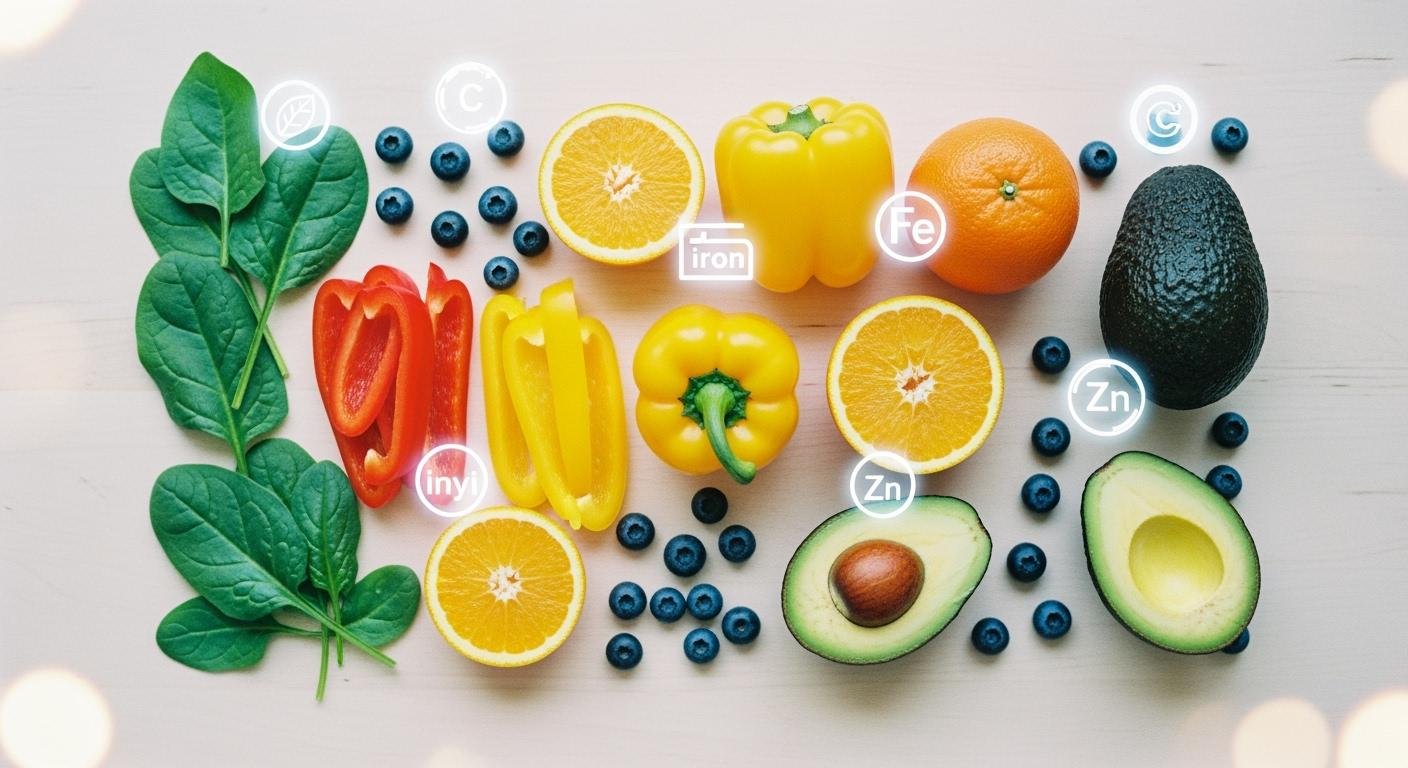
You want more energy and stronger immunity for your overall well-being. Your daily nutrition plays a huge role. Many people do not get enough key vitamins and minerals. This can affect how you feel. The solution involves understanding micronutrients.
Micronutrients are the essential vitamins and minerals your body needs in small amounts. Think of them as tiny helpers for everything from creating energy to disease prevention.
This guide simplifies nutrition. It shows how to achieve a balanced micronutrient intake. You can get these powerful nutrients from a varied diet. A balanced micronutrient intake supports your health goals without complex rules.
Understanding Micronutrients
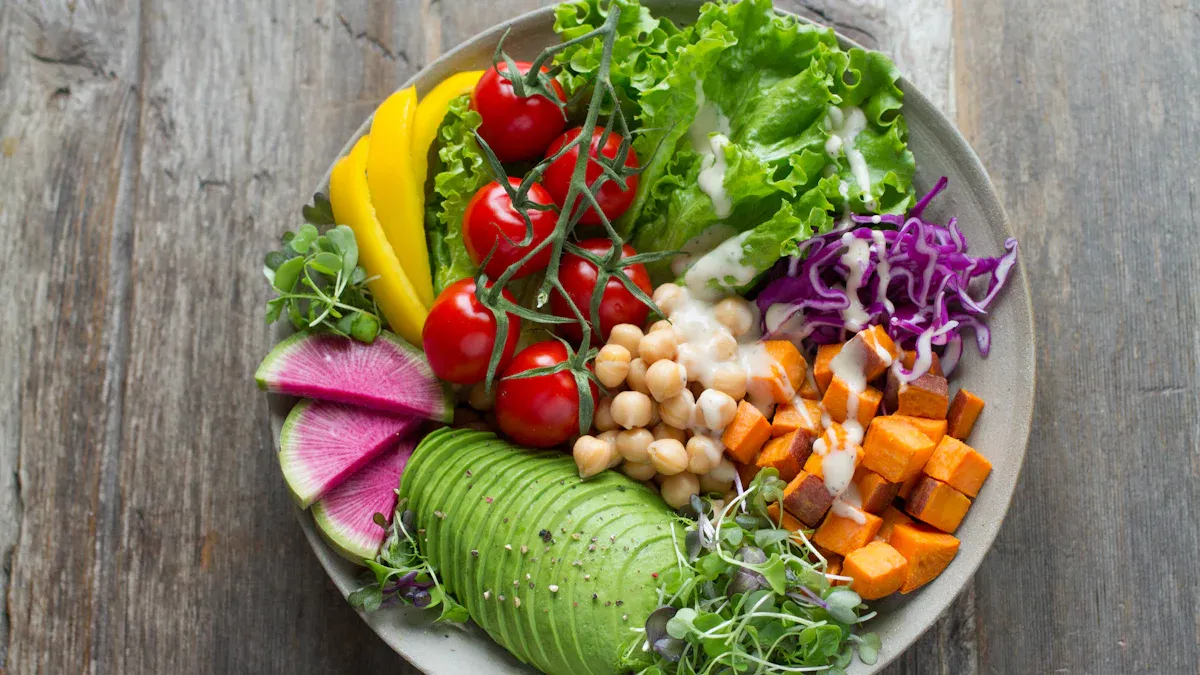
Your body needs two main types of micronutrients to thrive: vitamins and minerals. They are the foundation of your daily nutrition. Understanding their roles is the first step toward better health.
An easy way to think about them is with an analogy.
- Vitamins are like the ‘managers’. They are organic substances that enable and direct important processes in your body.
- Minerals are like the ‘building blocks’. They are inorganic elements that provide structure for things like your bones and blood.
Together, these essential vitamins and minerals help your body produce the enzymes and hormones that regulate everything from growth to metabolism. All micronutrients are crucial for your body to function correctly. Deficiencies in key ones like Vitamin A, iodine, iron, and zinc affect billions of people worldwide. A balanced intake supports healthy development and overall well-being.
The Core Health Benefits
Getting enough micronutrients provides significant health benefits. A diet rich in these tiny helpers is your best tool for long-term health and disease prevention. Proper nutrition helps you maintain physiological balance and supports healthy development throughout your life. These powerful compounds are essential for your body’s daily operations and long-term prevention of chronic conditions. The core health benefits come from giving your body the tools it needs to function at its best.
For Metabolism and Energy
You need energy to get through your day. Micronutrients play a direct role in converting the food you eat into usable fuel.
- B Vitamins: Your body uses B vitamins to get energy from food. This group includes B1, B2, B3, B5, B6, B7, B9 (Folic Acid), and B12. They act as helpers in the chemical reactions that release energy from carbohydrates, fats, and proteins.
- Iron: This mineral is essential for producing energy. Iron helps carry oxygen to all your cells, including your muscles. A lack of iron is a common cause of fatigue and weakness.
- Magnesium: This mineral is vital for energy. It partners with ATP, your body’s main energy molecule, to make sure energy gets delivered where it’s needed inside your cells.
For Bones, Muscles, and Nerves
Strong bones and smooth-functioning muscles and nerves depend on specific micronutrients. They provide the structure and signaling your body needs to move and feel good.
For Your Bones 🦴 Vitamin D and Calcium work as a team. Vitamin D helps your body absorb the calcium you consume. Calcium is the primary mineral used to build and maintain strong, dense bones. Without enough Vitamin D, your body can’t get the full benefit of calcium, which is a key part of prevention for bone-related issues.
For Your Muscles and Nerves 💪 Potassium and Magnesium are critical for neuromuscular function. Potassium helps transmit electrical signals for smooth muscle contractions. Magnesium helps your muscles relax after contracting. Together, these minerals ensure your nerves and muscles communicate effectively, which is a form of prevention for cramps and spasms.
For Immunity and Disease Prevention
A strong defense system starts with good nutrition. Certain vitamins and minerals are famous for their ability to boost your immune system and protect your body from harm. This protection is a form of prevention against illness.
- Antioxidant Vitamins: Vitamin C and Vitamin E are powerful antioxidants. They protect your healthy cells from damage caused by unstable molecules called free radicals. This cellular protection helps boost your immune system.
- Immune-Supporting Minerals: Zinc and Selenium are crucial for your immune cells. Zinc helps develop and activate T-cells, a type of white blood cell that fights off invaders. Selenium supports the function of various immune cells and acts as an antioxidant. Getting enough of these minerals helps boost your immune system.
A diet lacking in these micronutrients can weaken your defenses. Ensuring you get enough of these vitamins and minerals is a simple strategy to boost your immune system and support your body’s natural prevention mechanisms. A steady supply of these micronutrients helps boost your immune system for the long run.
Achieving a Balanced Micronutrient Intake

You now understand why micronutrients are important. The next step is learning how to get them. A varied, whole-food diet is the simplest and safest way to achieve a balanced micronutrient intake. This approach to nutrition focuses on eating real foods instead of relying on complex rules or supplements. You can build a healthy diet full of essential vitamins and minerals.
Eat the Rainbow for Variety
A fun and easy strategy for getting a wide range of micronutrients is to “eat the rainbow.” Different colored foods provide different vitamins and minerals. Filling your plate with a variety of colors helps you build a well-rounded diet.
-
🔴 Red Foods for Cell Protection Red foods often contain lycopene, an antioxidant that protects your cells from damage. You can find it in many common foods. Sun-dried tomatoes and tomato purée offer the most concentrated sources.
Food Item Lycopene (mg per 100g) Sun-dried tomatoes 45.9 Tomato purée 21.8 Guava 5.2 Watermelon 4.5 Fresh tomatoes 3.0 
-
🟢 Green Foods for Energy and Growth Green vegetables are powerhouses of nutrition. Many are excellent sources of folate (a B vitamin) and iron. Folate is vital for cell growth. Iron helps carry oxygen in your blood. A half-cup of cooked asparagus gives you 134 mcg of folate. Cooked broccoli is another great source, providing 84 mcg of folate in a half-cup serving. Other great green foods include spinach, kale, and Brussels sprouts.
-
🟡/🟠 Yellow and Orange Foods for Vision and Immunity Yellow and orange foods are famous for beta-carotene. Your body converts beta-carotene into Vitamin A. This vitamin is essential for good vision, a strong immune system, and healthy skin. Carrots, sweet potatoes, and pumpkins are packed with beta-carotene. You can also get Vitamin A from cantaloupe and apricots.
-
🔵/🟣 Blue and Purple Foods for Brain Health The deep colors of blue and purple foods come from antioxidants called anthocyanins. These powerful micronutrients may support brain health and protect your cells. You can find them in many fruits and vegetables.
Good sources include blueberries, blackberries, purple cabbage, and plums. Even some potatoes and carrots have purple varieties rich in these beneficial compounds. Interestingly, beets get their purple color from different antioxidants called betalains, which also offer great health benefits.

Building a Nutrient-Rich Plate
Creating a balanced diet is about proportions. A simple visual guide can help you build healthy meals every day. The Harvard Healthy Eating Plate offers an easy model for your nutrition.
- Fill Half Your Plate with Fruits and Vegetables: This ensures you get a wide array of vitamins, minerals, and fiber. Aim for color and variety.
- Fill One-Quarter of Your Plate with Whole Grains: Choose options like quinoa, oats, brown rice, and whole-wheat bread. They provide steady energy and important B vitamins.
- Fill One-Quarter of Your Plate with Lean Protein: Good choices include fish, chicken, beans, and nuts. Protein is essential for building and repairing tissues.
Focusing on nutrient-dense foods helps you get the most out of every meal. These are foods that provide lots of nutrients without a lot of extra calories. Examples include leafy greens, fresh fruits, lean meats, and whole grains.
Balancing Your Vitamin and Mineral Intake
Your body’s ability to use micronutrients can depend on the foods you eat together. Certain pairings can boost absorption, helping you get more from your diet. This is a key part of achieving a balanced micronutrient intake.
Tip: Pair Foods to Boost Absorption Your body absorbs iron from plant sources more easily when you eat it with Vitamin C. Vitamin A also helps with iron absorption.
- Add strawberries or bell peppers to a spinach salad.
- Squeeze lime juice over a bowl of black beans and quinoa.
- Enjoy a side of carrots (for Vitamin A) with your lentil soup.
It is also helpful to understand the two types of vitamins. Your body handles them differently.
- Water-Soluble Vitamins: This group includes Vitamin C and all the B vitamins. Your body does not store them in large amounts. You need to consume them regularly through your diet. You can find them in fruits, vegetables, and whole grains.
- Fat-Soluble Vitamins: This group includes Vitamin A, D, E, and K. Your body needs fat to absorb these vitamins. They can be stored in your liver and fatty tissues. Good sources include dairy, nuts, seeds, and leafy greens. For example, your body makes Vitamin D from sunlight, but you also get it from fatty fish and fortified milk. Vitamin A is found in carrots, squash, and liver.
A smart approach to your vitamin and mineral intake ensures your body gets and uses these vital helpers effectively.
Simple Signs and Safe Practices
Knowing how to get your micronutrients is a great start. You also need to understand the signs of an imbalance and the safest way to meet your nutrient needs. This helps you build a healthy, sustainable routine.
Are You Getting Enough?
Your body often gives you clues when it is missing key vitamins and minerals. Learning to spot these signs can help you address potential deficiencies early.
Common Signs of Deficiencies
- Iron Deficiency: You might feel extremely tired, weak, or dizzy. Pale skin and shortness of breath are also common signs of iron deficiency.
- Vitamin A Deficiency: Trouble seeing in low light (night blindness) and dry, itchy skin can point to a lack of this vitamin.
- Vitamin D Deficiency: You may experience muscle weakness, bone pain, or mood changes like depression.
These symptoms can have many causes. If you suspect you have micronutrient deficiencies, you should talk to a doctor. They can help you confirm any issues and guide you on the right path to getting an adequate intake. An iron deficiency, for example, requires a specific plan.
The Risk of Too Much from Supplements
More is not always better, especially with supplements. Your body stores fat-soluble vitamins like Vitamin A. Taking too much can lead to toxic levels, causing headaches, skin problems, and even liver damage. High doses of minerals can also be harmful.
Excessive iron from supplements is a common cause of iron deficiency treatment side effects. It can lead to stomach pain and nausea. Over time, it may damage your organs. Many vitamins and minerals have a Tolerable Upper Intake Level (UL). For example, adults should not exceed 40 mg of zinc per day from all sources. Exceeding these limits can disrupt your body’s balance. This is why you must be careful with high-dose vitamins.
Why a Food-First Approach is Best
The best way to get your micronutrients is from whole foods. Your body is designed to absorb vitamins and minerals from food. Foods provide a complete package of nutrients that work together.
- Better Absorption: Nutrients in food come with enzymes and other compounds that help your body use them. For example, your body absorbs natural Vitamin E twice as well as the synthetic version.
- Built-in Safety: It is very difficult to get a toxic amount of vitamins or minerals from food alone. This makes it the safest option.
- Extra Benefits: Whole foods contain fiber and phytonutrients. These compounds support digestion, reduce disease risk, and help your body absorb other nutrients.
Focusing on a colorful diet is the most effective way to avoid micronutrient deficiencies and support your overall health. An iron deficiency is best managed with a food plan first.
You can achieve a balanced micronutrient intake with a few simple strategies. This approach helps you build a healthy, sustainable diet.
- Focus your diet on a variety of whole foods.
- Use the “eat the rainbow” method as your daily guide.
- Prioritize getting nutrients from foods instead of supplements for safety.
Small, consistent changes to your balanced diet create significant long-term health benefits.
Start today. You can improve your health by adding just one more color to your next meal.
FAQ
Do I need to take a multivitamin every day?
You can get most of your micronutrients from a balanced diet. A food-first approach is safest. You should talk to your doctor before starting any supplements. They can tell you if a multivitamin is right for your specific needs.
Can I get enough micronutrients on a vegan diet?
Yes, you can get enough micronutrients with careful planning. A varied vegan diet provides many vitamins and minerals. You may need to focus on sources of iron, calcium, and vitamin B12. Fortified foods or a supplement can help you meet your goals.
How long does it take to fix a deficiency? ⏱️
The time it takes to correct a deficiency varies. It depends on the nutrient and the severity of the deficiency. Your doctor can create a plan for you. Following their guidance will help you see improvements safely and effectively.
Does cooking destroy the nutrients in my food?
Cooking can reduce some nutrients like vitamin C. However, it can also make other nutrients easier for your body to absorb.
Tip: Steaming or stir-frying vegetables helps preserve more nutrients than boiling them for a long time. Eating a mix of raw and cooked foods is a great strategy.
See Also
Magnesium Supplements: A Beginner’s Guide to a Confident Start
Understanding ADHD and Protein: An Essential Guide for Beginners
Methylfolate (5-MTHF): A Science-Backed Guide for Safe, Effective Supplementation
Deciphering Supplement Labels: Understanding mcg, ug, and μg Meanings
Magnesium Malate for Sleep: Your Comprehensive Beginner’s Guide