

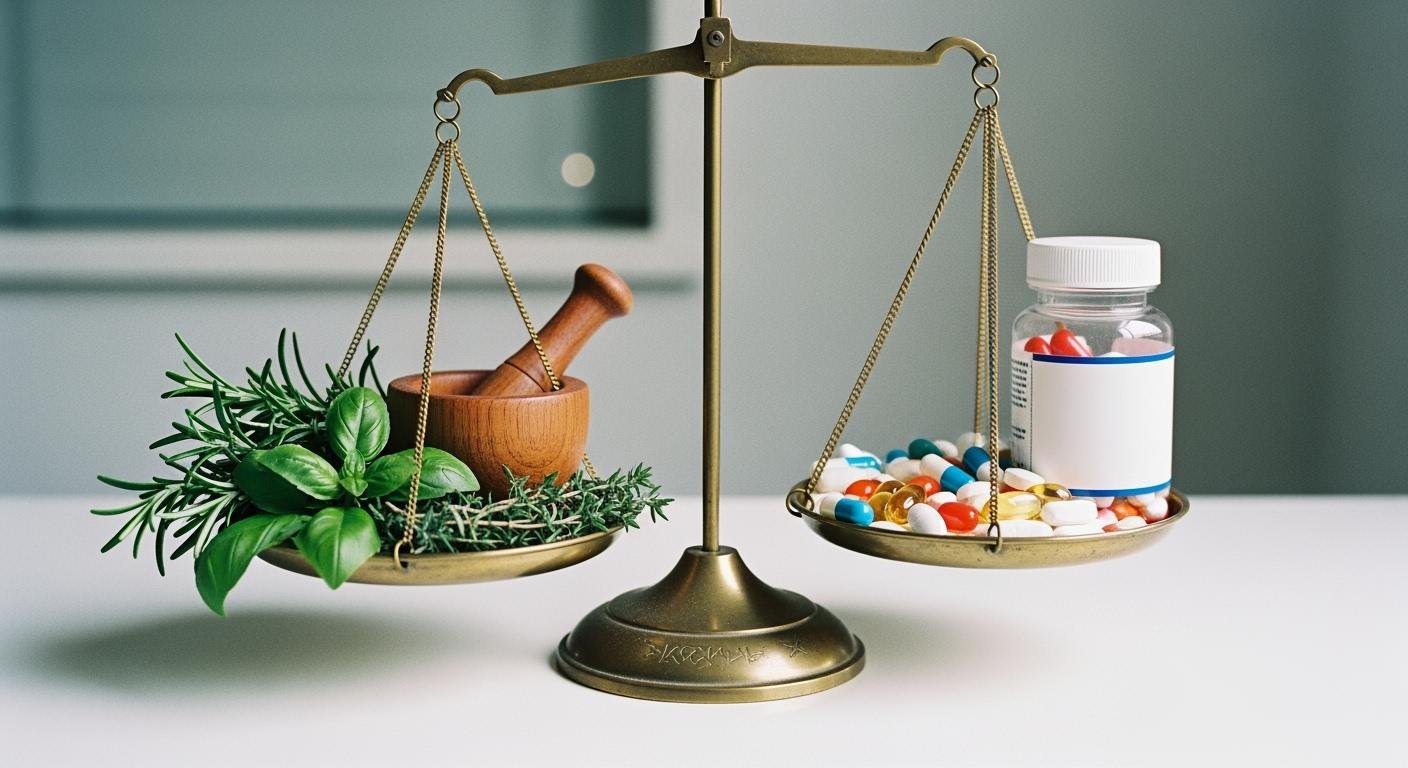
You see natural supplements everywhere. Over half of American adults use them, spending nearly $70 billion a year. But are these dietary supplements good for your health?
For most people, supplements are an unnecessary expense. They are truly effective only when correcting a diagnosed lack of nutrients or supporting a specific health goal under a doctor’s care. For general wellness, nothing beats a balanced diet.
When Dietary Supplements Are Beneficial
While not a cure-all, dietary supplements offer real health benefits for specific groups of people. You might need them if a blood test shows you lack a certain nutrient. They also support people with unique dietary needs or health goals. Let’s explore when these products are genuinely helpful.
Targeting Nutrient Deficiencies
Your body needs a full range of nutrients for good health. A deficiency occurs when you do not get enough of a specific nutrient. Iron deficiency is the most common cause of anemia worldwide. Your doctor can diagnose this condition. You might feel tired, dizzy, or short of breath.
Note: Never self-diagnose a nutrient deficiency. A doctor can perform a simple blood test to confirm if you need supplements. This ensures you take the correct dose and avoid potential harm.
Common symptoms of iron deficiency include:
- Unexplained fatigue or lack of energy
- Pale skin
- Cold hands and feet
- Headaches
- Rapid heartbeat
Calcium is another critical mineral. Low calcium intake is very common, especially in teenage girls and older women. This can lead to weak bones. These examples show how nutritional supplements can correct a diagnosed problem and restore your health.
Aiding Vegan and Vegetarian Diets
If you follow a vegan or vegetarian diet, you may need to pay special attention to your nutrition. Vitamin B12 is a key nutrient found almost exclusively in animal products. Good sources include:
- Meat and poultry
- Fish
- Eggs
- Dairy products like milk and cheese
Because these foods are absent from a vegan diet, you have a much higher risk of developing a Vitamin B12 deficiency. Research shows a clear link between diet and Vitamin B12 levels.
| Dietary Group | Vitamin B12 Deficiency Rate |
|---|---|
| Meat-Eaters | 0.4% |
| Lacto-Ovo Vegetarians | 20% |
| Vegans | 60% |
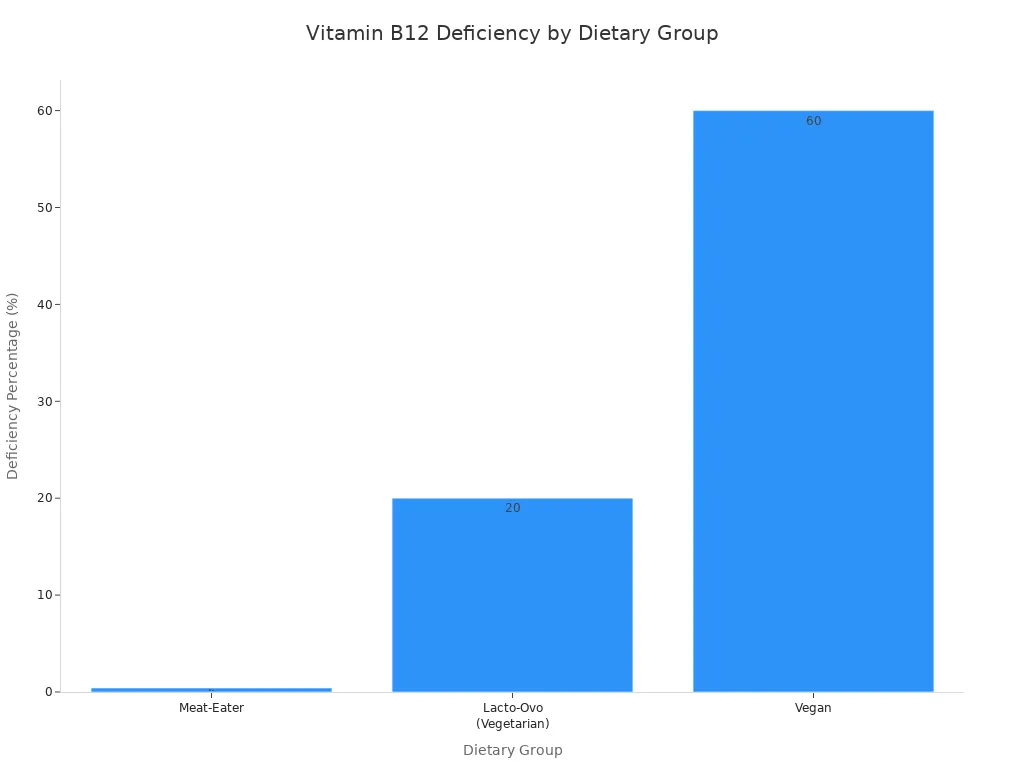
For this reason, a Vitamin B12 supplement is often essential for maintaining good health on a plant-based diet.
Supporting a Healthy Pregnancy
A healthy pregnancy requires extra nutrients. Folic acid, a B vitamin, is one of the most important. It plays a vital role in preventing major birth defects of the baby’s brain and spine called neural tube defects. These defects happen very early in pregnancy, often before you even know you are pregnant.
The Centers for Disease Control and Prevention (CDC) recommends that all women who can become pregnant take 400 micrograms (mcg) of folic acid every day. This should start at least one month before pregnancy and continue throughout.
Taking a daily prenatal vitamin containing folic acid is a simple way to protect your baby’s development. This is a clear case where supplements provide proven health benefits that a diet alone may not reliably supply.
Boosting Low Vitamin D Levels
Vitamin D, the “sunshine vitamin,” is crucial for strong bones and a healthy immune system. Despite its name, many people do not get enough. Studies show that about 15.7% of people globally have a Vitamin D deficiency. In the United States, that number rises to 42% of the general population and over 80% in individuals with dark skin.
A long-term lack of Vitamin D can cause serious problems, including:
- Rickets: A condition in children that leads to soft, weak bones.
- Osteomalacia: A similar condition that causes bone softening in adults.
- Increased risk of fractures: Weak bones break more easily.
Your doctor can check your Vitamin D level with a blood test. If your level is low, they will likely recommend a Vitamin D supplement to bring it back into a healthy range.
Aiding Specific Health Conditions
Natural supplements can also play a role in managing certain health conditions, always as part of a plan you create with your doctor. For example, Coenzyme Q10 (CoQ10) has shown promise for heart health. One major study found that CoQ10 supplements significantly reduced the risk of major cardiovascular events in patients with chronic heart failure.
Another popular supplement is glucosamine, often used for osteoarthritis pain. The evidence here is more mixed. Some European medical groups recommend it as a first-line treatment for knee osteoarthritis. However, the U.S. Food and Drug Administration (FDA) states there is no credible evidence that it reduces the risk of joint degeneration. This highlights why it is vital to discuss these options with a healthcare provider. They can help you weigh the potential benefits of these vitamins and supplements against the scientific evidence.
Risks of Natural Supplements and Overuse

The supplement aisle promises better health in a bottle. However, taking these products without a doctor’s advice carries significant risks. The idea that “natural” equals “safe” is a dangerous myth. Many people take supplements they do not need, which can harm their health and waste their money. Let’s look at the real dangers of overuse.
The Danger of Vitamin Toxicity
More is not always better, especially with vitamins. Your body stores fat-soluble vitamins like A, D, E, and K. Taking high doses can cause them to build up to toxic levels, a condition called hypervitaminosis. Too much vitamin A, for example, can lead to serious problems.
Warning: High doses of vitamin A can cause liver damage, bone pain, and even birth defects if taken during pregnancy.
Symptoms of chronic vitamin A toxicity include:
- Blurry vision
- Dry, rough, or peeling skin
- Hair loss
- Bone and joint pain
- Nausea and dizziness
Vitamin D is another concern. While important, excessive intake can be harmful. The safe upper limit for adults is set to prevent negative health effects.
| Age Group | Daily Upper Limit for Vitamin D |
|---|---|
| Adults 19+ years | 100 mcg (4,000 IU) |
| Pregnant/Breastfeeding Women | 100 mcg (4,000 IU) |
Exceeding this amount over time can lead to a buildup of calcium in your blood, causing kidney problems and bone pain. This shows why you should only take a high-dose vitamin supplement when a doctor confirms you need it.
Lack of Regulation and Contaminants
You might assume all dietary supplements on store shelves are safe. This is not true. The U.S. Food and Drug Administration (FDA) does not regulate these products like prescription drugs. Under the Dietary Supplement Health and Education Act of 1994 (DSHEA), manufacturers do not have to prove their products are safe or effective before selling them.
The FDA’s role is reactive. It can only take action after a product is proven to be unsafe. This puts the burden of proof on the agency, not the company.
This lack of oversight creates serious risks. Studies have found some natural supplements contaminated with dangerous substances.
- Heavy Metals: Some herbal remedies have been found to contain lead, mercury, and arsenic.
- Prescription Drugs: Weight loss and sexual enhancement supplements have been illegally spiked with unlisted drugs.
Because of this, you can never be certain that the label matches what is inside the bottle. You might be taking the wrong dose or consuming a hidden, harmful ingredient.
Harmful Drug Interactions
Natural supplements can interact with your prescription medications in dangerous ways. These interactions can make your medicine less effective or cause life-threatening side effects.
St. John’s Wort is a popular herb for depression. However, it can cause serious problems when mixed with antidepressant medications like SSRIs. This combination can lead to a dangerous condition called serotonin syndrome, with symptoms like confusion, rapid heart rate, and high blood pressure.
Vitamin K also poses a risk for people on blood thinners like warfarin. Warfarin works by reducing vitamin K’s clotting action. Taking vitamin K supplements, even in small amounts found in some multivitamins, can counteract the medication. This interference can increase your risk of developing a dangerous blood clot. Always tell your doctor about all supplements you take.
Why Whole Foods Are Superior
You cannot bottle the benefits of a healthy diet. Whole foods like fruits, vegetables, and grains provide a complex mix of nutrients that work together. This is called food synergy. Your body absorbs and uses these nutrients more effectively from food than from isolated supplements.
For example, an orange provides vitamin C. It also gives you fiber, phytochemicals, and other compounds that are not in a vitamin C pill. This combination supports your overall health in ways that nutritional supplements cannot replicate. The fiber in whole grains, combined with its natural phytonutrients, is linked to a lower risk of disease. This benefit disappears when the nutrients are isolated. A balanced diet is the best foundation for good nutrition.
The Myth of a Quick Fix
Many people turn to supplements hoping for a simple solution to complex health problems. Marketers often promote multivitamins as an insurance policy against poor nutrition. However, major studies show this is not the case for the average person.
A massive 2024 study published in JAMA Network Open followed adults for over 20 years. It found that taking daily multivitamins did not lower the risk of death from cancer, heart disease, or any other cause.
Feeling better after starting a supplement might just be the placebo effect. This happens when your belief in a treatment makes you feel an improvement, even if the pill itself is inactive. Relying on supplements can also create a false sense of security, making you less likely to focus on proven health habits like exercise and a balanced diet. There is no shortcut to good health.
Wasting Money on Unneeded Supplements
Taking supplements you do not need hurts your wallet. The cost of these products adds up quickly. A one-month supply of a common supplement like fish oil can cost over $20. Many people spend hundreds of dollars a year on nutritional supplements that offer them no real benefit.
Experts agree that this money is often wasted. For most healthy adults, multivitamins and other supplements do not prevent chronic disease. You are essentially paying for expensive urine, as your body will excrete the excess vitamins it cannot use. Instead of spending money on pills, you could invest in healthier food, a gym membership, or other things that truly support your well-being. The first step is always to talk to your doctor, who can determine if you actually have a deficiency that needs correcting.
Natural supplements are a tool for specific problems, not a shortcut to good health. Guessing what your body needs is risky and often a waste of money. Your path to better health should start with a conversation, not a purchase. Many supplements offer no benefit without a diagnosed deficiency.
Before you buy any supplements, talk to your doctor. A simple blood test for things like Vitamin D, B12, or iron can show if you truly need them. This ensures you invest in your health wisely and safely.
FAQ
Can I take a multivitamin just to be safe?
For most people, a daily multivitamin is not necessary. Your body excretes any excess water-soluble vitamin you do not need. It is better to get nutrients from a balanced diet. A multivitamin cannot replace healthy eating habits.
How do I know if I need a supplement?
You should not guess what your body needs. A doctor can help you.
A simple blood test can check your vitamin level for deficiencies. This is the only way to know for sure if you need a supplement.
Are “natural” supplements always safe? (pill)
No, “natural” does not mean safe. The FDA does not regulate supplements for safety before they are sold. They can contain harmful contaminants or interact with your medications. Always talk to your doctor before starting any new supplement.
What’s the difference between a vitamin from food and a vitamin in a pill?
Your body absorbs nutrients from food more effectively. An orange gives you vitamin C plus fiber and other healthy compounds. A vitamin C pill only provides the isolated vitamin. Whole foods offer a complete nutritional package that pills cannot match.
See Also
Magnesium Taurate: KAL Versus Naxttii Health in a 2024 Review
When Do Vitamins and Supplements Start Working? Naxttii Health Answers
Natural Caffeine: Definition, Benefits, and Smart Supplement Choices Explained
Double Wood Versus Naxttii Health: The Ultimate Magnesium Supplement Showdown
Bacopa Monnieri: Definition, Key Benefits, and Comprehensive Supplement Guide