

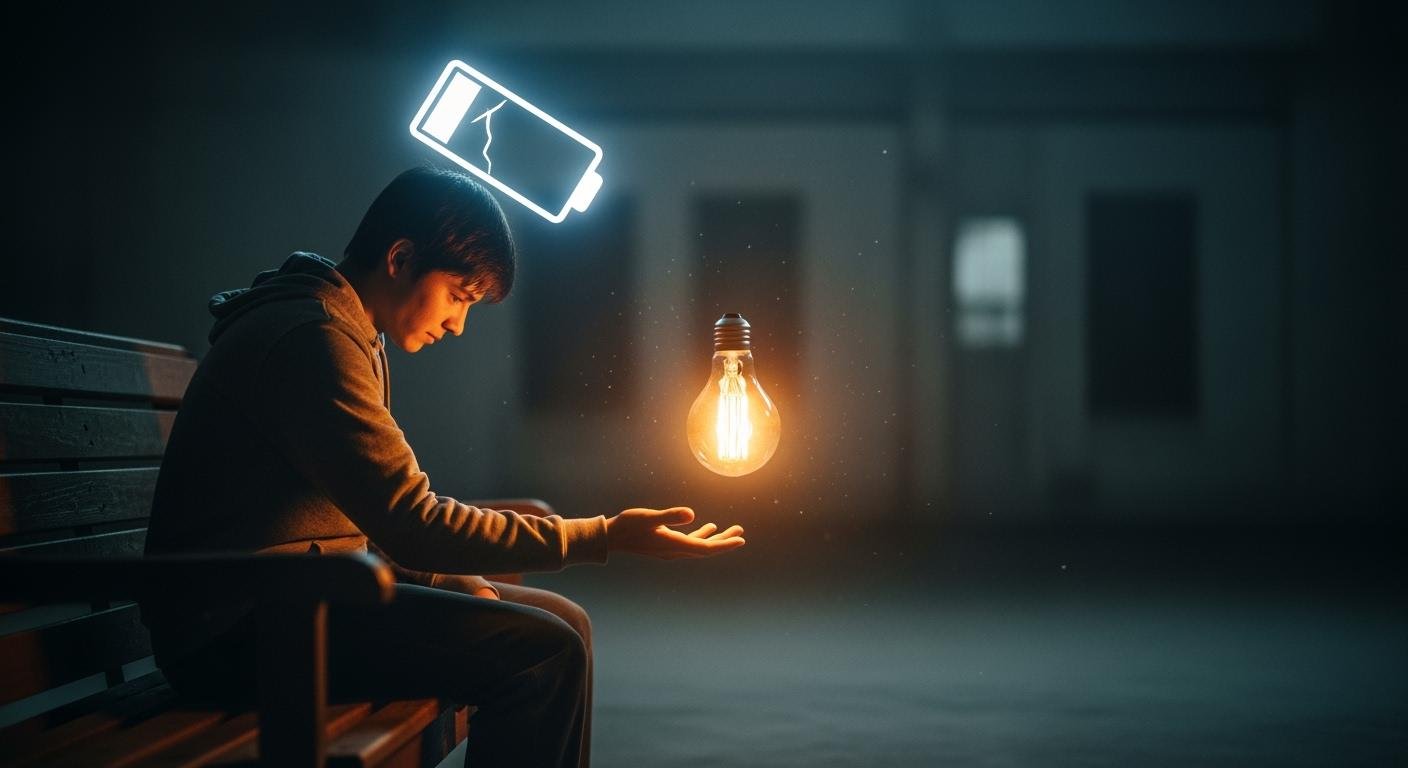
Does your energy crash every afternoon? You suddenly feel tired, and your focus disappears. You are not alone. A survey found that 71% of desk workers hit a productivity slump in the late afternoon. This mid-afternoon tiredness is common, but you don’t have to accept it. This guide shows you how to fix it. You can learn how to stop feeling tired and get your energy back.
Why You Feel So Tired
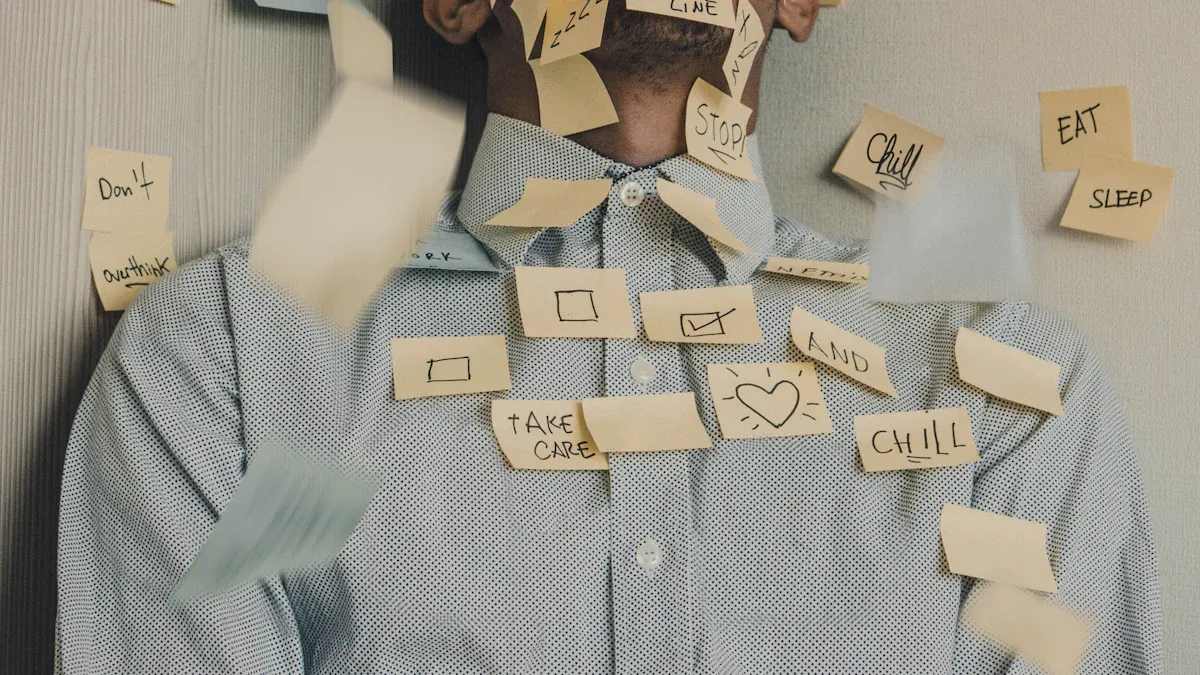
Ever wonder why your energy suddenly vanishes in the afternoon? You’re not just imagining it. Understanding the reasons behind this dip is the first step to reclaiming your day. Let’s explore why you feel so tired.
The Afternoon Slump and Circadian Rhythms
That sleepy feeling you get between 1 PM and 4 PM is a real biological event. Your body runs on an internal clock called the circadian cycle. This clock naturally includes a period of lower alertness in the early afternoon. This dip happens even if you skip lunch, proving it’s part of your body’s design. This natural rhythm is a major cause of afternoon tiredness. So, if you feel a slump coming on, know that your body is just following its internal schedule.
The Impact of Sleep Debt
Do you consistently get less than 7-9 hours of sleep? You might be carrying “sleep debt.” Think of it as a running tab of missed sleep. This debt starts building the moment you wake up. The more insufficient sleep you get, the more pronounced your mid-afternoon slump will be.
Did You Know? Chronic
sleepdebt doesn’t just make you feeltired. It can also:
- Slow down your reaction time.
- Make it harder to remember things.
- Increase your chances of making mistakes.
Poor sleep quality makes it even harder to function. Improving your sleep quality is crucial for maintaining your energy throughout the day.
How Diet and Dehydration Drain Energy
What you eat and drink has a huge impact on your energy levels. A heavy, high-carb lunch can set you up for one of those dreaded energy crashes. Your body quickly processes the carbs, causing a blood sugar spike followed by a sharp drop. This “sugar crash” leaves you feeling irritable and unable to focus.
Dehydration is another sneaky energy thief. Even being mildly dehydrated can cause:
- Headaches
- Difficulty concentrating
- Feelings of
fatigue
You might feel tired simply because you haven’t had enough water. These energy crashes can ruin your productivity.
The Toll of Daily Stress
Constant stress puts your body in a state of high alert. Your body releases a hormone called cortisol to give you a quick burst of energy to handle the pressure. Normally, cortisol levels are high in the morning and decrease as the day goes on.
However, chronic stress messes with this natural rhythm. Your body keeps pumping out cortisol, which can lead to adrenal burnout. This condition is a key factor in afternoon fatigue and leaves you feeling drained. When your stress is high, your quality of life and quality of sleep often suffer, creating a cycle that is hard to break. This is why managing stress is essential for good energy and sleep quality. The 3 pm slump can feel much worse when you are stressed. The quality of your rest is just as important as the quantity.
How to Fix It: Your Action Plan

You now know why you feel tired. The good news is you have the power to change it. You can fight back against that afternoon slump and reclaim your day. Here is your guide on how to fix it with a simple action plan.
Optimize Your Diet to Stay Energized
What you eat directly fuels your energy. The right foods can help you stay energized all day, while the wrong ones can lead to energy crashes.
First, choose your foods wisely. Build your meals around complex carbohydrates and lean proteins. Complex carbs give you steady energy because they are full of fiber. Your body digests them slowly. This prevents the sharp blood sugar spikes and drops that make you feel tired. Good choices include:
- Legumes (beans, lentils)
- Fruits
- Sweet potatoes
- Whole-grain bread, rice, and pasta
Pair these carbs with lean protein. Protein slows down how your body absorbs sugar. This keeps your blood sugar stable and your energy consistent. Try adding meat, fish, tofu, nuts, or eggs to your meals.
Second, drink enough water. Dehydration is a major cause of fatigue. You might just need a glass of water to improve your concentration. Here is a general guide for daily water intake:
| Age Group | Recommended Daily Intake |
|---|---|
| Men (19+) | 13 cups (104 ounces) |
| Women (19+) | 9 cups (72 ounces) |
Pro Tip: Keep a water bottle on your desk. This simple reminder helps you sip throughout the day and maintain your energy.
Finally, pick a smart energy-boosting snack for the afternoon. A good snack contains protein, fiber, and healthy fats. This combination gives you a quick boost and sustained fuel. Some great options are:
- An apple with peanut butter
- Greek yogurt with a handful of nuts
- Veggie sticks with hummus
- A hard-boiled egg
Move Your Body to Boost Blood Flow
Feeling that afternoon slump? Get up and move! Physical activity is a powerful way to boost your energy and focus. Even a short burst of movement increases oxygen flow to your brain and muscles.
A study found that just one session of moderate exercise can improve how your cells produce energy. Consistent exercise builds more of these energy factories in your body, giving you more long-term energy.
You don’t need a full gym workout. Try these simple desk exercises:
- Shoulder Shrugs: Raise your shoulders up to your ears, hold, and then relax.
- Chest Opener: Clasp your hands behind your back and stretch your shoulders back.
- Side Bends: Raise one arm straight up and gently bend to the opposite side.
- A Short Walk: Take a quick 5-minute walk around your office or outside.
Moving your body is a fantastic way how to fix it when you feel drowsy. It wakes you up and improves your mood.
Use Light Exposure to Feel Alert
Your body’s internal clock runs on light. Exposure to natural light tells your brain it’s time to be awake and alert. It boosts a chemical called serotonin, which improves your mood and helps you focus. Light also stops your brain from making melatonin, the hormone that makes you sleepy.
To reset your body clock and boost your energy, try this:
- Get 20-30 minutes of bright light within 30 minutes of waking up. Sunlight is best.
- If you work indoors, sit near a window.
- Take a short walk outside during your afternoon break. This can quickly restore your alertness.
Using light strategically is a simple yet effective part of how to fix it when your energy dips.
Improve Your Sleep Hygiene
Good sleep is the foundation of good energy. If you want to feel great during the day, you need high-quality sleep at night. Improving your sleep hygiene can dramatically boost your sleep quality. This means creating habits that signal to your body it’s time for deep sleep.
Here are some expert-recommended tips for better sleep:
- Be Consistent: Go to bed and wake up around the same time every day, even on weekends. This regulates your body’s clock.
- Create a Relaxing Routine: Spend 30 minutes before bed doing something calm. Read a book, take a warm bath, or listen to soothing music. This helps you wind down for deep sleep.
- Optimize Your Bedroom: Keep your room cool, dark, and quiet. A comfortable mattress and pillows are essential for quality rest.
- Avoid Stimulants: Limit caffeine and alcohol, especially in the evening. They can disrupt your deep sleep cycles.
Blue light from phones and computers is a major enemy of sleep. It tricks your brain into thinking it’s still daytime, which stops the release of melatonin. This makes it harder to fall asleep and reduces your sleep quality. Put your screens away at least an hour before you plan to sleep. This will help you get the deep sleep you need. A good night’s sleep is crucial for having enough energy the next day.
Take Smart Breaks from Your Screen
Staring at a screen all day drains your mental energy and strains your eyes. Taking smart breaks is key to staying sharp and avoiding burnout. This is the final step in how to fix it.
A great method to reduce eye strain is the 20-20-20 rule.
Every 20 minutes, take a 20-second break to look at something 20 feet away.
This simple trick gives your eyes a much-needed rest. It helps prevent dryness and fatigue, which improves your overall concentration.
Your breaks should also give your mind a rest. Step away from your screen completely. Here are some effective non-screen activities:
- Practice Deep Breathing: Inhale slowly, hold for a few seconds, and exhale slowly. This calms your nervous system.
- Do Some Stretches: A few simple chair yoga poses can release muscle tension.
- Chat with a Coworker: A brief, non-work-related conversation can be refreshing.
- Listen to a Song: Music can quickly change your mood and boost your energy.
If you feel very tired, a short midday nap can be helpful. A 20-minute nap can improve alertness without making you groggy or affecting your nighttime sleep. Just be sure to set an alarm so your nap doesn’t turn into a long sleep session.
When Your Tiredness Needs a Doctor’s Visit
Sometimes, feeling tired is more than just an afternoon slump. You have tried changing your diet, moving more, and improving your sleep, but the exhaustion won’t go away. This is when you should consider talking to a doctor. Your persistent fatigue could be a sign of an underlying issue.
Persistent Fatigue Despite Lifestyle Changes
You should see a medical professional if your fatigue has been constant for several weeks without a clear reason. Making lifestyle changes is a great first step, but they don’t always solve the problem. If you still feel drained after consistently trying these fixes, it is time to seek help.
Seek Immediate Medical Help! 🚑 Go to the emergency room if your fatigue comes with any of these symptoms:
- Shortness of breath or chest pain
- An unusually fast or slow heartbeat
- A severe headache, especially after a head injury
- Thoughts of harming yourself or others
Underlying Medical Conditions
Constant tiredness can be your body’s way of signaling a deeper problem. Several medical conditions can cause this feeling.
- Anemia: This condition occurs when you don’t have enough healthy red blood cells to carry oxygen. It can leave you feeling tired and weak, even after a full night’s rest.
- Vitamin Deficiencies: Low levels of certain vitamins, like B12 and Vitamin D, are directly linked to fatigue and can impact your overall quality of life.
- Unbalanced Hormone Levels: Issues with your thyroid or other hormones can drain your energy.
- Postural Orthostatic Tachycardia Syndrome (POTS): This is a frequently missed cause of exhaustion. If you feel dizzy, foggy, and your heart races when you stand up, you might have POTS.
How to Discuss Fatigue with Your Doctor
You can help your doctor find the cause of your tiredness. Good preparation improves the quality of your appointment. Before you go, start a symptom diary. Write down when you feel tired, how severe it is, and what you think might trigger it. This information is very valuable.
Also, create a simple one-page health summary. Include your main symptoms, current medications, and key health history. This helps your doctor quickly understand your situation. Being prepared helps you work together to figure out why you have excessive sleepiness and find the right solution to improve your quality of life.
Feeling tired in the afternoon doesn’t have to be your normal. You can boost your energy by making small, smart changes to your daily habits. You hold the power to control your energy levels. This guide showed you how to fix it.
Why not pick one simple tip and try it today? You can stop feeling so tired and take back your afternoon. 🚀
FAQ
What’s the best snack for an energy boost?
You should choose a snack with protein, fiber, and healthy fats. This combination gives you a quick lift and lasting energy. Try an apple with peanut butter or Greek yogurt with nuts. These options help you avoid a sugar crash and stay focused.
Is coffee a good way to fight tiredness?
Coffee can give you a temporary boost, but it is not a long-term solution. The caffeine can lead to an energy crash later. It may also disrupt your nighttime sleep. You should limit your coffee intake, especially in the afternoon.
How long should I nap to feel refreshed? 😴
A short nap can work wonders for your energy levels.
A 20-minute nap is ideal. This length helps improve your alertness without making you feel groggy. A short nap also won’t interfere with your ability to fall asleep at night.
See Also
Magnesium Malate For Sleep: A Simple Guide For Newcomers
Sleep Better With Magnesium Malate: Science-Backed Rest For Beginners
Vitamin B12 For Tinnitus Relief: Your Step-by-Step Patient Guide
Magnesium Supplements: A Clear And Confident Start For Beginners
Methylfolate (5-MTHF): Safe And Effective Supplementation With This Complete Guide