

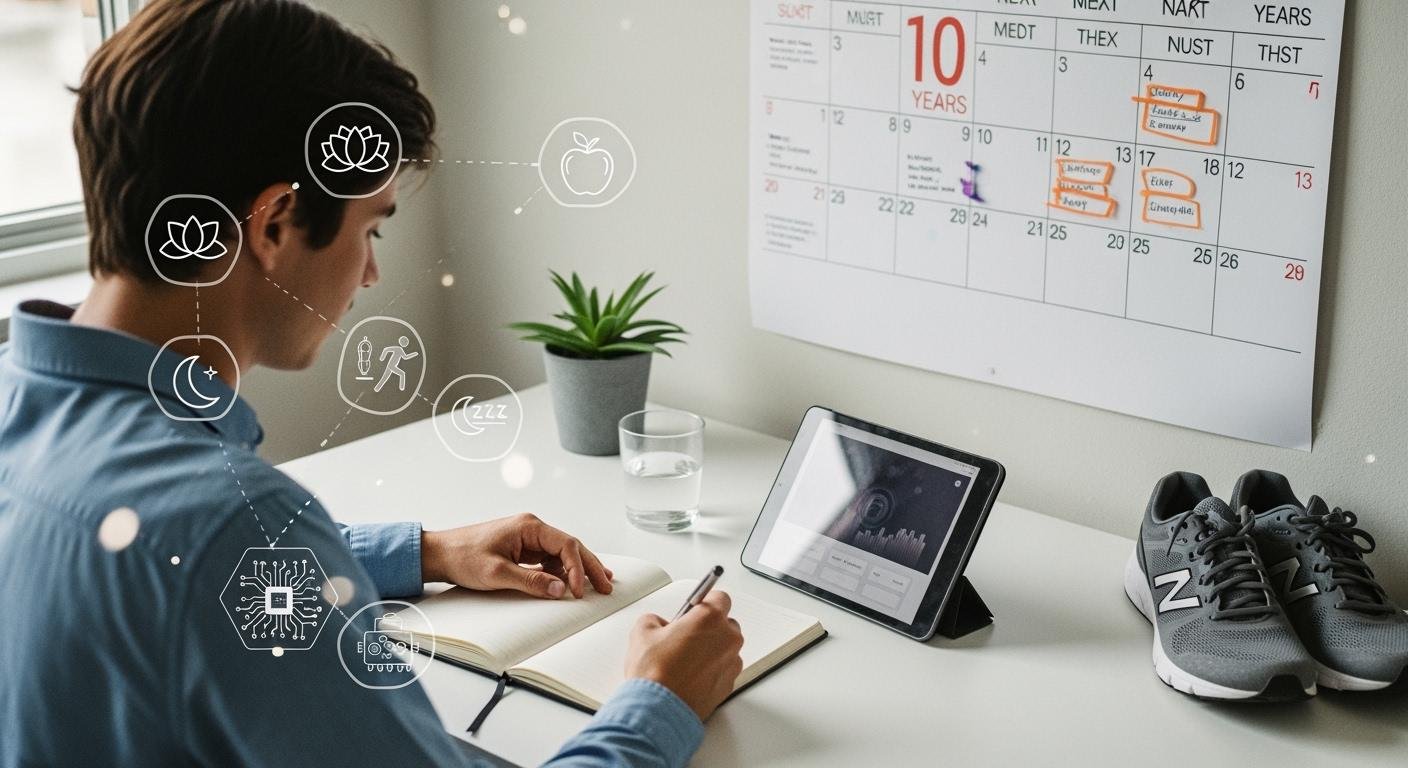
Imagine how you could feel ten years from now if you start making small changes today. Planning your wellness routine brings real rewards. Check out these numbers:
| Statistic | Benefit |
|---|---|
| Effective wellness programs improve employee health | Leads to lower health risks and chronic diseases |
| Organizations tracking wellness see clearer returns | Stronger long-term results in health outcomes |
| For every dollar spent on wellness, $2.73 saved | Demonstrates cost-effectiveness and reduced absenteeism |
You can build habits that fit your age and lifestyle. Healthy aging helps you stay active, share your wisdom, and keep making a difference in your community. Take one step forward right now. Your future self will thank you.
Core Pillars of a Wellness Routine
A strong wellness routine stands on several key pillars. Each one helps you build a foundation for long-term health, energy, and healthy aging. Let’s break down each pillar and see how you can make them part of your daily life.
Nutrition for Long-Term Health
Nutrition shapes your body and mind. When you choose a balanced diet, you give your body the tools it needs to thrive. Try to eat more whole foods, like fruits, vegetables, nuts, and grains. A plant-forward diet does more than fill you up—it can help you live longer and lower your risk of disease. For example, a study in JAMA Network Open found that women who followed a plant-based Mediterranean diet had a 23% lower risk of death. Other research links plant-based diets to a lower risk of Alzheimer’s and chronic diseases.
Tip: Fill half your plate with colorful veggies at every meal. Swap out processed snacks for nuts or fruit.
| Study | Findings |
|---|---|
| JAMA Network Open | Plant-based Mediterranean diet linked to 23% lower risk of mortality in women. |
| PMC Article | Mediterranean-DASH diet reduces risk of Alzheimer’s disease. |
| Healthline | Plant-based diets lower risks of premature death and chronic diseases. |
Balanced nutrition supports your wellness and helps you feel your best every day.
Daily Movement and Exercise
Movement keeps your body strong and your mind sharp. You do not need to run marathons to see benefits. Aim for at least 150 minutes of moderate exercise or 75 minutes of vigorous exercise each week. Add strength training twice a week to keep your muscles and bones healthy. Even a brisk walk or a dance session in your living room counts.
- Walk or bike to nearby places.
- Try bodyweight exercises like squats or push-ups.
- Stretch every morning to wake up your muscles.
Exercise boosts your energy and helps you stick to your wellness routine.
Quality Sleep Habits
Sleep gives your body time to repair and recharge. Quality sleep helps you think clearly, manage your mood, and stay healthy. Studies show that not getting enough sleep can lead to problems like depression, obesity, and heart disease. Teens and adults who miss out on sleep may also face higher risks of high blood pressure and poor mental health.
Note: Set a regular bedtime and keep screens out of your bedroom. Try a calming routine before bed, like reading or gentle stretching.
Quality sleep is a key part of your daily wellness routine and supports your long-term health.
Mindfulness and Stress Relief
Mindfulness helps you handle stress and stay focused. Simple practices like deep breathing or meditation can lower your stress levels and improve your well-being. Research shows that mindfulness programs help people feel less stressed and more satisfied at work and in life.
| Study Title | Year | Findings |
|---|---|---|
| Mindfulness-based program for healthcare professionals | 2021 | Improved health and work-related quality of life. |
| Mindfulness-based stress reduction for nurses | 2005 | Lowered stress and burnout. |
| Mindfulness for resident physicians | 2021 | Reduced distress and improved quality of care. |
| Mindfulness-based stress reduction for residents | 2018 | Significant stress reduction. |
| Mindfulness for intern medical practitioners | 2017 | Lowered stress and burnout. |
Try a few minutes of deep breathing each day. You can also use apps or videos to guide your meditation. Stress management is a skill you can build over time.
Social Connections
Strong social ties help you live longer and feel happier. Spending time with friends and family gives you support and a sense of purpose. Studies show that people with good social connections have better health and greater longevity.
- Call or text a friend each day.
- Join a club or group that interests you.
- Volunteer in your community.
Tip: Make time for laughter and shared activities. Social wellness is just as important as physical health.
Hydration and Lifestyle Choices
Water keeps every part of your body working well. Drink water throughout the day, especially when you feel thirsty or active. Good hydration supports your energy, focus, and overall wellness.
Lifestyle choices matter too. Avoid tobacco and limit alcohol to protect your health. Build daily rituals that help you relax and recharge, like a morning walk or a cup of herbal tea in the evening.
- Carry a water bottle with you.
- Choose water over sugary drinks.
- Create a daily routine that includes time for self-care.
A balanced lifestyle, with healthy habits and daily routines, sets you up for success in your wellness journey.
Remember: You do not need to change everything at once. Start with one pillar and build from there. Your wellness routine will grow stronger with each small step.
Healthy Aging Through the Decades

Wellness in Your 20s
Your 20s set the stage for your future. This is the best time to build a strong foundation for healthy aging. You have lots of energy and your body recovers quickly. Use this time to create habits that will last.
- Stick to a sleep routine. Try to get 7-9 hours each night. Good sleep helps your body recover and keeps your mind sharp.
- Move your body every day. Mix cardio, strength training, and stretching. Exercise now will help you stay active as you age.
- Plan your meals. Cooking at home lets you control your nutrition. Choose whole foods and add lots of fruits and veggies to your diet.
- Schedule yearly checkups and lab tests. These help you catch health issues early.
- Learn to manage stress. Try deep breathing, journaling, or talking with friends.
You can also start ditching alcohol, smoking, and sugars. Swap processed foods for whole foods. These choices support your healthy aging routine and boost your longevity.
Wellness in Your 30s
In your 30s, life can get busy. You might notice changes in your metabolism. Your body may not burn calories as fast as before. This is a good time to adjust your routine and focus on long-term health.
| Aspect | What to Know |
|---|---|
| Metabolic Response | Your body may slow down calorie burning to save energy, especially if you diet often. |
| Impact of Dieting | Yo-yo dieting can make your body hold on to energy even more. |
| Role of Exercise | Exercise helps your body use insulin better, which is good for your health. |
| Wellness Routine Adaptation | Make small, steady changes. Get enough sleep, manage stress, and keep moving every day. |
- Keep up with regular exercise. Even moderate movement helps your body stay healthy.
- Focus on sustainable habits. Crash diets can hurt your metabolism.
- Make time for friends and family. Social connections support your well-being.
- Eat nutrient-rich foods. Add longevity foods like berries, leafy greens, and nuts.
You can support healthy aging by making these changes now. Your body and mind will thank you later.
Wellness in Your 40s
Your 40s bring new challenges. You may start to notice aches, slower recovery, or changes in your health. Many people manage more than one health condition at this age. You can still age gracefully by focusing on a healthy aging strategy.
Aging adults face unique challenges to their well-being, not only by having high prevalences of chronic diseases, but also of having to manage more than one chronic condition at a time. Wellness programs that emphasize the adoption of healthy behaviors and disease self-management have the potential to prevent or delay the occurrence and consequences of multiple chronic conditions.
- Stay on top of your health. Schedule regular checkups and screenings.
- Keep your routine flexible. Adjust your exercise and nutrition as your needs change.
- Practice stress relief every day. Mindfulness, hobbies, or time with loved ones can help.
- Avoid tobacco and limit alcohol. These choices protect your body and support longevity.
You can still enjoy high energy and keep staying active. Focus on what makes you feel good and supports your long-term health.
Wellness in Your 50s and Beyond
Your 50s and later years are a time to protect your health and enjoy life. You may notice changes in your vision, hearing, or bones. You can use a longevity strategy to keep feeling your best.
- Don’t skip life-saving tests. Get regular screenings like colonoscopies and mammograms.
- Check your vision and hearing. Update your glasses or hearing aids as needed.
- Watch your bones. Bone density tests are important, especially for women. Supplements can help.
- Build a menopause strategy. Talk to your doctor about changes and how to manage them.
- Men should check hormone health. Ask your doctor about testosterone if you notice changes.
- Keep your weight in check. Balanced eating, exercise, and sleep all play a role.
Keep nurturing relationships and stay mentally active. Try puzzles, reading, or learning something new. Social connections and mental stimulation help you age well.
You can age gracefully by making small changes to your daily routine. Focus on nutrition, exercise, and self-care. Your healthy aging journey continues with every choice you make.
Building a Daily Wellness Routine

Habit Formation Tips
You can build daily habits that stick by starting small and making changes you enjoy. Try scheduling activities at the same time each day. Pair new habits with things you already do, like stretching after brushing your teeth. Choose fiber-rich foods and fermented items to support gut health. Keep a water bottle nearby to help you stay hydrated. Pick exercises you like, even if you only have ten minutes. A consistent sleep schedule and a calming bedtime routine boost your energy and support long-term health.
Tip: Write down your goals and track your progress. This helps you see how far you’ve come and keeps you motivated.
| Tip | Benefit |
|---|---|
| Eat plant-based foods | Linked to lower risk of premature death and chronic diseases. |
| Engage in regular exercise | Improves mood, supports weight loss, and lowers chronic disease risk. |
| Manage stress | Reduces chronic stress, which can negatively impact health. |
| Consistent sleep schedule | Linked to reduced health risks associated with sleep irregularities. |
Overcoming Barriers
You might face challenges like time constraints or competing priorities. Try negotiated planning to fit wellness activities into your routine. Make wellness part of your lifestyle by adding healthy habits to things you already do. Fostering your own buy-in helps you stay committed. If you lose motivation, remember why you started. Plan for obstacles and use accountability systems, like sharing your goals with a friend.
Note: Everyone faces setbacks. Adjust your routine when life changes and keep moving forward.
Tracking Progress
Tracking your daily wellness routine helps you stay on course. Use self-tracking tools or apps to monitor your health and longevity goals. These tools let you set goals, review data, and spot gaps in your routine. Reliable trackers like WEL, 5F-Wel, and PWS make it easier to see your progress.
| Tool Name | Reliability Value |
|---|---|
| WEL | Strong |
| 5F-Wel | Strong |
| PWS | Strong |
| OLP | Strong |
| BMS-WBCI | Strong |
Self-tracking helps you reflect on your daily habits and adjust your wellness routine for better health and energy. You can build a routine that supports your longevity and long-term health.
Adapting Your Routine Over Time
Navigating Life Changes
Life never stays the same. You might move to a new city, start a new job, or face a big family change. These moments can bring stress and shake up your routine. The Holmes-Rahe Life Stress Inventory shows that events like divorce, illness, or even happy changes like marriage and career success can cause high stress. In fact, 82% of women say workplace stress keeps rising, especially when personal changes pile up.
You may feel grief, anxiety, or confusion during these times. That’s normal. Let yourself feel all your emotions. Lean on your friends and family for support. Try activities that help your mind and body, like walking, journaling, or listening to music. When life gets busy, your wellness routine might slip. You can get back on track by focusing on self-care and asking for help when you need it.
- Allow yourself to experience all emotions that come with change.
- Lean on your support network for practical and emotional assistance.
- Engage in activities that promote your physical, mental, and emotional wellness.
Remember: You don’t have to do everything alone. Support makes a big difference.
Staying Flexible
Flexibility helps you keep your routine strong, even when life throws curveballs. Stretching and flexibility exercises boost your health. They can lower blood pressure, improve balance, and help your heart. You gain a wider range of motion, which makes daily tasks easier and lowers your risk of injury.
Try to add stretching to your day. You can do simple moves while watching TV or after waking up. Flexibility training helps you stay active and ready for anything. When you stay flexible, you can adjust your routine to fit your needs. This keeps you moving forward, no matter what changes come your way.
| Benefit of Flexibility | How It Helps You |
|---|---|
| Better balance | Fewer falls |
| Lower blood pressure | Healthier heart |
| Wider range of motion | Easier movement |
| Less injury risk | Safer activities |
Tip: Small changes make a big impact. Stay open to new ideas and keep your routine fresh.
Monitoring for Long-Term Health
Self-Assessment Tools
You can keep your wellness journey on track by checking in with yourself regularly. Self-assessment tools help you see what’s working and where you might want to make changes. These tools let you track your habits, feelings, and progress over time. You might use a journal, an app, or a simple checklist. When you use these tools, you can spot patterns in your nutrition, movement, and sleep. This helps you adjust your routine before small problems become big ones.
Here are some popular self-assessment tools and what they measure:
| Tool Name | Description | Key Findings |
|---|---|---|
| WellSAT | Checks wellness policies for schools and agencies | Matches well with expert ratings |
| 103-item WEL | Looks at many wellness areas for a full picture | Very reliable and covers 17 wellness dimensions |
| HRA tool (web-based) | Tracks preventive care and wellness indicators | Shows real improvement in wellness scores |
| OLP | Focuses on self-discovery and preventive care | Good stability over time |
| BMS-WBCI | Measures wellness in college students | Strong for that group |
| SWLS | Checks life satisfaction | Used in many studies |
| Wellness Behavior Survey | Looks at lifestyle habits that support wellness | Matches the idea of wellness in research |
You can set small goals, use these tools, and ask friends or family for support. This makes it easier to stick with your plan and see real progress.
When to Seek Help
Sometimes, you need more than self-checks. If you notice changes in your energy, mood, or sleep that last for weeks, it’s smart to reach out to a health professional. Preventive care helps you catch problems early and keeps you on the path to long-term health. Regular checkups, screenings, and staying up to date with vaccines all play a big role in your well-being.
You can also talk to your doctor about your nutrition, exercise, and quality sleep habits. They can help you build a plan that fits your needs. Don’t wait for a crisis. Early action supports your independence and helps you enjoy life as you age.
Tip: Make time for routine check-ins with your doctor. These visits help you stay ahead of health issues and keep your routine strong.
You can build a healthy lifestyle by making small changes each day. Consistency and adaptability help you stick with your routine, and about 40% of what you do is already a habit. When you eat nutrient-rich foods, move your body, and get restorative sleep, you support your health and well-being for healthy aging. Try setting goals, tracking your progress, and enjoying activities you love. Start today—your future self will thank you!
Table: Long-Term Health Outcomes
| Health Aspect | Benefit |
|---|---|
| Nutrition | Boosts immune system and lowers chronic disease risk |
| Exercise | Improves fitness and heart health |
| Sleep | Supports memory and metabolism |
| Stress Management | Builds resilience and mental strength |
FAQ
How do I start a wellness routine if I feel overwhelmed?
Start small. Pick one habit, like drinking more water or walking daily. Focus on progress, not perfection. Celebrate each win. You can add more steps as you feel ready.
Tip: Write down your goal and check it off each day. Small wins build confidence!
What if I miss a day in my routine?
Missing a day is normal. Life happens. Just pick up where you left off. Consistency matters more than perfection. You can always get back on track.
Can I change my routine as I get older?
Yes! Your needs change over time. Adjust your routine to fit your energy, health, and interests. Listen to your body. Try new activities or foods that match your current lifestyle.
How do I stay motivated for ten years?
Set short-term goals. Track your progress. Share your journey with friends or family. You can reward yourself for sticking with your routine. Motivation grows when you see results and feel better.
Do I need special equipment for a wellness routine?
No, you don’t. Use what you have. Walk outside, use a chair for stretches, or follow free online videos. You can build a strong routine with simple tools and creativity.
See Also
Exploring 5-MTHF: Science-Driven Advantages for Today’s Health
Top 5 Vegan Alternatives for Joint Health: A Scientific Review
2024 Vegan Multivitamin Showdown: Which Brand Stands Out?
Understanding Protein’s Role in Managing ADHD: A Starter Guide
ALA Explained: A Complete Resource for Health and Supplements