

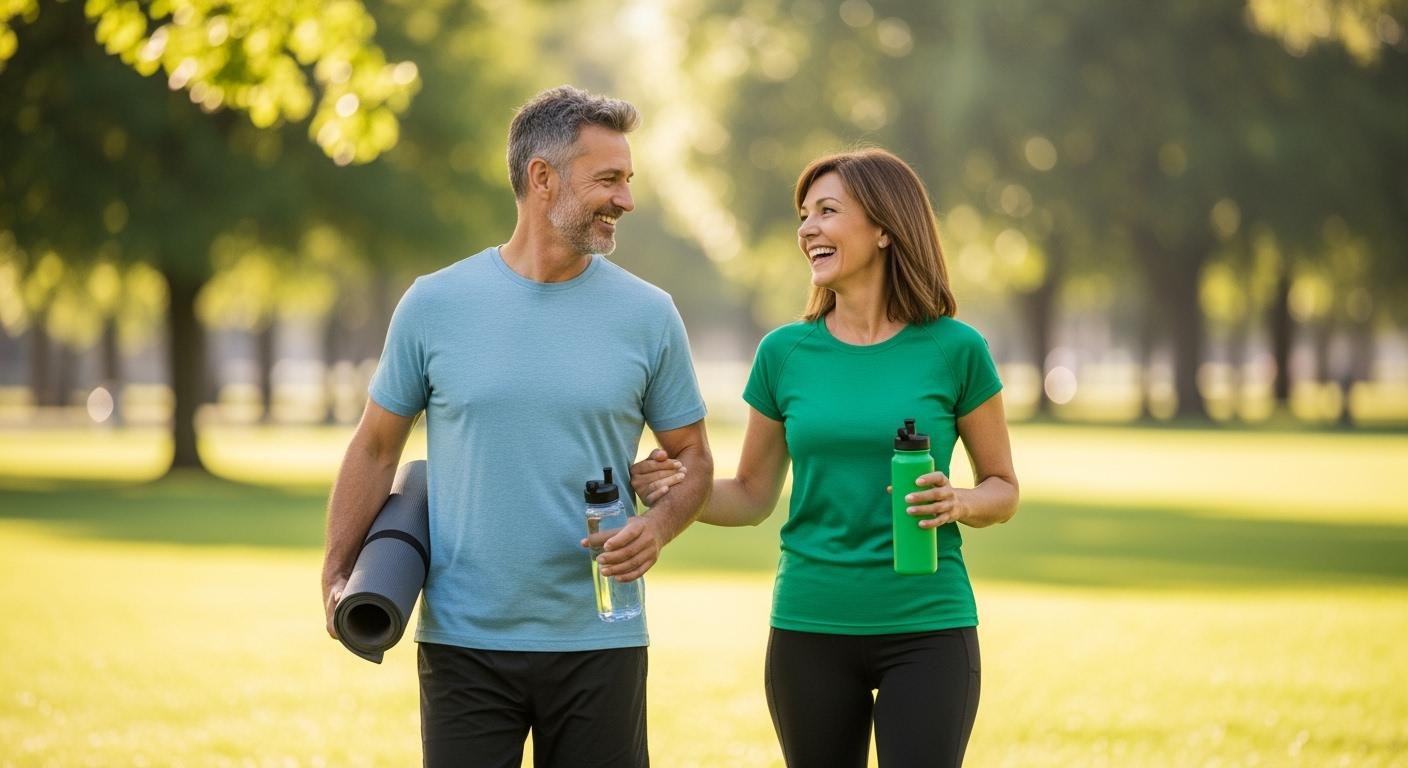
You can stay active and energized as you get older. You do not need to run marathons or join a gym to enjoy healthy aging. Simple steps in your daily routine can boost your energy and well-being. Regular activity brings many health benefits for seniors and older adults. Take a look at what you gain when you make staying active part of your life:
| Benefit Type | Description |
|---|---|
| Physical Health | Regular activity helps maintain muscle mass and strength, reducing the risk of falls and injuries. |
| Chronic Condition Management | It aids in managing conditions like arthritis and diabetes, improving overall quality of life. |
| Mental Health | Engaging in physical activity can enhance mood and improve sleep quality. |
| Functional Health | Increases independence and supports daily living activities for older adults. |
| Mortality Risk | Increased activity could prevent an estimated 110,000 deaths annually among adults over 40. |
Find joy in movement every day. The right routine can help you feel strong, connected, and ready for what comes next.
Physical Activity Tips
Aerobic Exercise Ideas
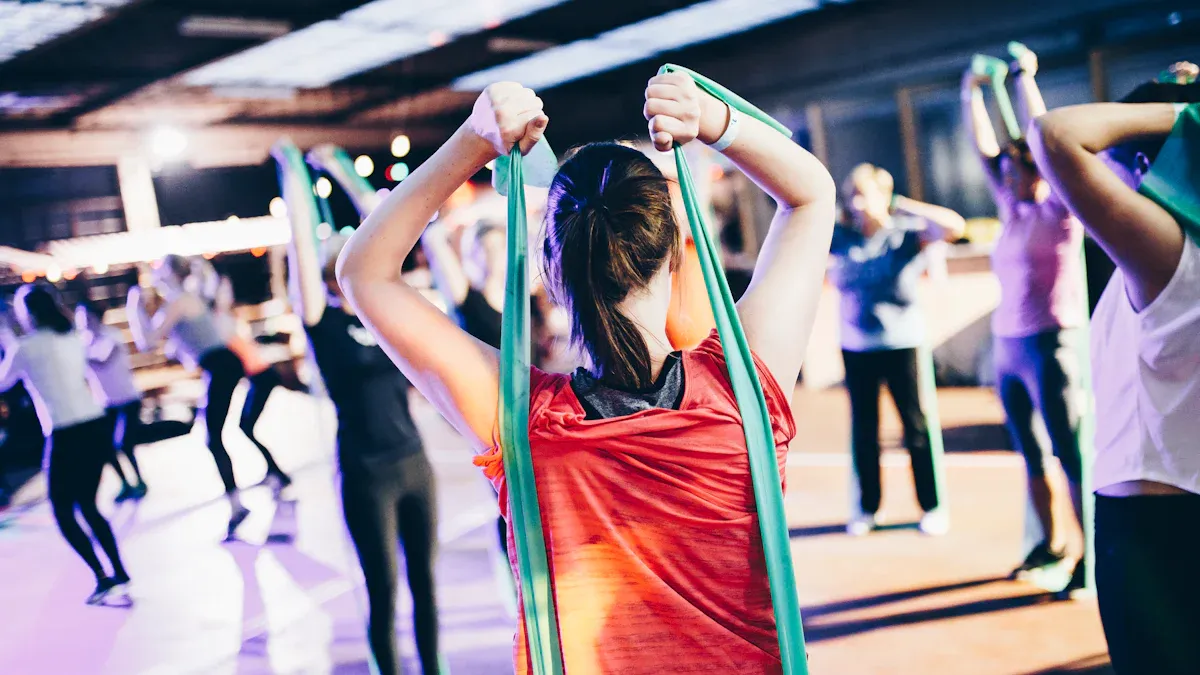
You can boost your energy and mood with aerobic activities. These exercises get your heart pumping and help you feel more alert. Walking briskly, jogging, cycling, and swimming are great ways to stay active. Dancing and climbing stairs also count as aerobic exercise. You do not need fancy equipment or a gym membership. Try walking around your neighborhood or biking to the store. Cardio activities improve your heart, lungs, and circulation. You will notice more energy and better endurance in daily life.
Here are some aerobic activities you can try:
- Walking or jogging
- Cycling
- Using cardio equipment
- Swimming
- Dancing
- Climbing stairs
Aerobic exercise helps you stay active and supports your physical health. It can lower anxiety and depression, making you feel happier and more confident. Regular aerobic activity may even add years to your life.
| Activity Type | Recommendation |
|---|---|
| Moderate-intensity aerobic activity | Aim for 150 minutes a week |
| Muscle-strengthening activities | At least 2 days a week |
| Health Outcome | Evidence |
|---|---|
| Life Expectancy Increase | Men who exercise regularly can gain about two hours of life expectancy for each hour of exercise. Over a lifetime, this adds up to about two extra years. |
| Reduced Mortality Rate | Regular physical activity appears to reduce the overall mortality rate by more than a quarter compared to sedentary individuals. |
| Lower Death Rate for Sedentary Men | Previously sedentary men who began exercising after age 45 enjoyed a 24% lower death rate than their inactive peers. |
| Improved Mental Health | Aerobic exercise can improve anxiety and depression, contributing to better mental health outcomes. |
Tip: Start with short sessions and build up to 150 minutes of moderate-intensity aerobic activity each week. You can break it into 10-minute chunks if you are busy.
Strength and Balance Activities
Strength training keeps your muscles strong and helps you improve balance. You can use your body weight, resistance bands, or light weights. Try squats, wall pushups, and toe stands. These activities help you stay active and prevent falls. Tai Chi is another great option for balance and strength. It uses slow, controlled movements that make you feel calm and steady.
Here are some simple strength and balance activities:
- Squats: Stand in front of a sturdy chair, lower slowly, and rise back up.
- Wall pushups: Stand an arm’s length from a wall, bend your elbows, and push back.
- Toe stands: Stand with feet shoulder-width apart, rise onto your toes, hold, and lower down.
- Tai Chi: Practice slow movements to improve balance and strength.
Strength training builds muscle mass and increases bone density. It helps you stay active and supports your physical activity routine. Resistance-type training can slow age-related muscle loss and make daily tasks easier.
Note: Try muscle-strengthening activities at least two days a week. You will notice better balance and more confidence in your movements.
Flexibility and Mobility
Flexibility and mobility exercises keep your joints moving and help you avoid injuries. Stretching makes your muscles more elastic and improves your range of motion. You can do standing hamstring stretches, quadriceps stretches, chest stretches, and shoulder stretches. Yoga is a fun way to stay active and improve flexibility. It helps you relax and move better.
| Exercise Type | Flexibility Increase (ΔT0) | Significance (p-value) |
|---|---|---|
| Strength and Static Stretching | 7.63% | 0.002 |
| Dynamic and Static Stretching | 14.21% | 0.011 |
| Overall Flexibility Increase (12 weeks) | 9.03% (Exp I) | 0.020 |
| Overall Flexibility Increase (12 weeks) | 22.96% (Exp II) | 0.005 |
Stretching helps you stay active and slows age-related mobility loss. It makes daily activities easier and safer. You will move more efficiently and reduce your risk of strains.
| Benefit | Description |
|---|---|
| Improved muscle elasticity | Enhances the ability of muscles to stretch and contract, reducing the risk of strains. |
| Expanded joint range of motion | Allows for better movement in daily activities, which is crucial for middle-aged individuals. |
| Enhanced movement efficiency | Reduces mechanical friction and improves overall movement quality, contributing to injury prevention. |
| Slows age-related mobility loss | Helps maintain joint mobility and stride length, essential for safe movement in daily life. |
Try stretching after your workout or during breaks at work. You will feel looser and more comfortable.
Safe Ways to Start
If you are new to exercise or have not been active for a while, you can start safely. Begin with low-impact activities like walking, gardening, or swimming. Use machines like stationary bikes to ease into your routine. Always warm up before you start and cool down when you finish. Drink water and wear comfortable clothes and shoes.
Here are some steps to start safely:
- Start with walking or low-impact machines.
- Add strength training two or three times a week.
- Try swimming for a gentle, low-impact workout.
- Consult your doctor before starting any new activity, especially if you have medical conditions.
- Progress slowly and listen to your body.
- Work with a trainer or join a group for support and proper form.
- Warm up for 5-10 minutes to reduce injury risk.
- Begin with low weights and few repetitions.
- Strengthen your glutes, hamstrings, quads, and core to prevent injuries.
“Exercise is really important as you get older… It’s important to know your limits and listen to your body.”
You can stay active and enjoy fitness at any age. Low-impact activities help you build confidence and avoid injuries. Staying active is easier when you start slow and make it fun.
Nutrition for Energy
Eating to Stay Active
You need the right fuel to keep your energy up as you get older. Eating well helps you feel strong and ready for physical activity. Your body uses carbohydrates for quick energy, proteins for muscle repair, and fats for long-term energy storage. Vitamins and minerals support your body’s ability to turn food into energy. You can find these nutrients in fruits, vegetables, whole grains, lean proteins, and low-fat dairy. Try to build your meals around these foods. A balanced diet can add years to your healthy aging journey and lower your risk of heart disease.
- Carbohydrates: Give you energy for exercise and daily movement.
- Proteins: Help with muscle repair after strength training or aerobic workouts.
- Fats: Keep you going during longer activities.
- Vitamins and minerals: Support your physical well-being.
Tip: Eating a variety of foods from all major groups helps you get the health benefits you need for fitness and training.
| Study Type | Diet Quality Measure | Physical Performance Measures | Population Characteristics |
|---|---|---|---|
| Observational | Nordic Diet Score | Chair stand, 6-min walk, arm curl | Finnish women |
| Observational | Mediterranean Diet Score | 4-m walking speed, chair rises, balance | Italian men and women |
| Observational | HEI-2005 Total Score | Gait speed, knee extensor power | Younger, active adults |
| Observational | Healthy Eating Scores | APFT total score, sit-up, run score | Soldiers |
| Observational | HEI-2015 Total Score | Grip strength, chair rise, timed-up-and-go | U.S. adults |
Hydration Habits
Water keeps your body working well. You need enough fluids to stay active and support physical health. Men should aim for 13 cups of water each day. Women need about 9 cups. Drinking water helps your muscles recover after exercise and keeps your joints moving smoothly. You can drink water, herbal tea, or add fruit slices for flavor.
| Gender | Recommended Daily Fluid Intake |
|---|---|
| Men | 13 cups |
| Women | 9 cups |
Note: Staying hydrated helps you avoid fatigue and supports your well-being.
Simple Meal Planning
Meal planning makes healthy eating easier. You can keep your energy steady by eating smaller, frequent meals. Choose lean proteins like fish, eggs, or legumes. Whole grains such as brown rice and quinoa give you fiber and lasting energy. Healthy fats from avocados and nuts boost your brain health. Colorful fruits and vegetables deliver vitamins and antioxidants. Try to include fortified foods for extra calcium and vitamin D, which support bone health as you get older.
- Balanced meals include lean proteins, healthy fats, whole grains, fruits, and vegetables.
- Portion control helps you manage energy intake.
- Smaller meals throughout the day keep your blood sugar stable.
- Fortified foods can fill nutrient gaps for older adults.
Planning your meals ahead of time helps you stay on track with your fitness goals and supports your physical activity routine.
Staying Active: Social Motivation
Activity Buddies and Groups
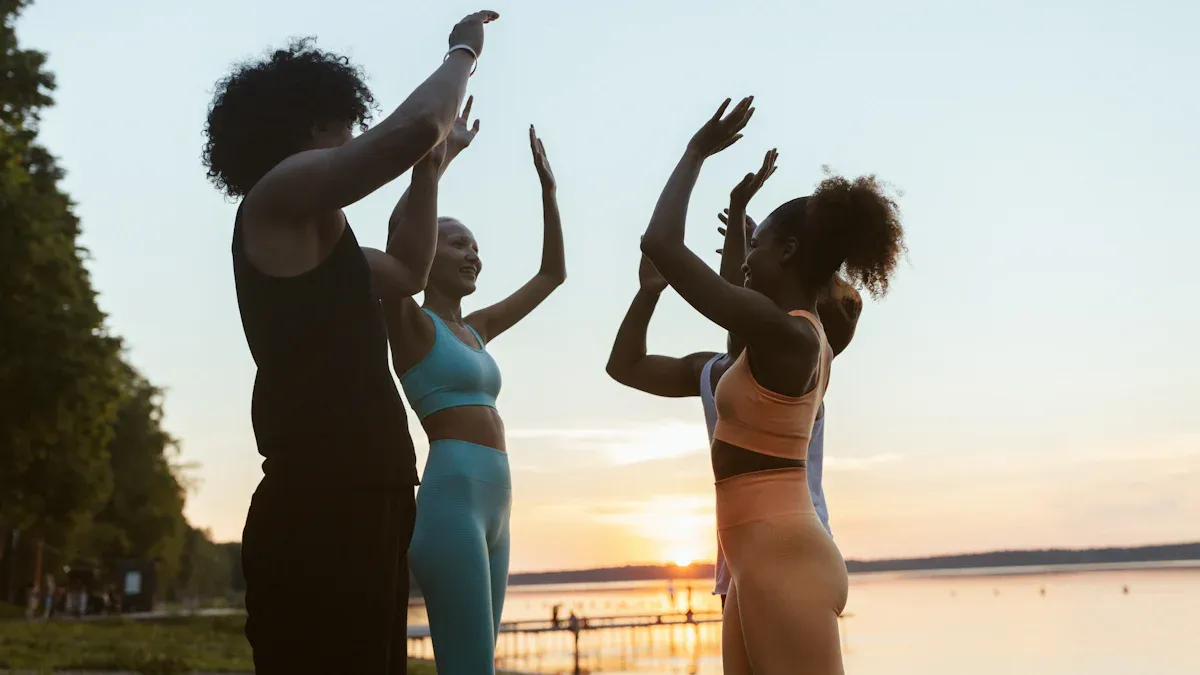
You do not have to tackle staying active alone. Finding activity buddies or joining groups makes exercise more fun and keeps you motivated. When you connect with others, you feel supported and encouraged. You can join a walking group, take a dance class, or meet up with friends for golf or pickleball. These activities help you stay active and make new friends. Working with a trainer can also help you learn proper form and build confidence. Seniors often find that group activities boost their mood and make fitness feel less like a chore.
Staying active with others improves your health-related quality of life. You feel happier and manage daily stress better. Social interactions lead to more positive emotions and greater life satisfaction.
Setting Goals Together
Setting goals with your activity buddies or group gives you something to look forward to. You can track progress and celebrate achievements together. Try making a simple plan, like walking three times a week or joining a training session. When you share your goals, you stay motivated and push each other to keep going. You can use a chart or table to track your progress:
| Week | Activity | Goal Met? |
|---|---|---|
| 1 | Walking | Yes |
| 2 | Dance | Yes |
| 3 | Golf | No |
You feel proud when you reach your goals. Staying active becomes a team effort, and you enjoy the journey together.
Fun and Social Activities
You can make staying active enjoyable by choosing fun activities. Many older adults love joining a walking group, taking a dance class, or meeting friends for golf or pickleball. These activities keep you moving and bring laughter into your routine. Regular physical activity helps manage chronic conditions and disabilities. It reduces pain and improves mood for adults with arthritis. It also helps control blood sugar and lowers the risk of heart disease for people with type 2 diabetes.
- Walking groups
- Dance classes
- Golf or pickleball with friends
Staying active does not have to feel like work. When you add social activities to your routine, you look forward to each session and feel energized as you get older.
Activity for Mental Well-being
Managing Stress
You can boost your enhanced mental well-being by staying active. Regular activity helps you reduce stress and feel happier. When you move your body, you lower anxiety and fight loneliness. Many seniors find that exercise brings a sense of calm. You can unwind with relaxation techniques, soak up some nature, or dive into hobbies that make you smile. Try walking outside, gardening, or listening to music. These activities help you stay active and keep your mind sharp.
- Unwinding with relaxation techniques
- Soaking up some nature
- Diving into hobbies that make you smile
Physical activity also helps combat loneliness. You can join a group or invite a friend to walk with you. Staying active gives you more energy and lifts your mood.
| Evidence Type | Description |
|---|---|
| Positive Impact | Regular physical activity is linked to higher life satisfaction and happiness in middle-aged adults. |
| Psychological Benefits | It leads to decreased anxiety and depression, enhancing overall mental health. |
| Bidirectional Relationship | Increased physical activity improves mental well-being, which can encourage further physical activity. |
Prioritizing Sleep
Sleep keeps your mind and body strong. When you get enough rest, you feel ready for new activities and challenges. Good sleep helps you recover from exercise and supports your heart health. You can create a bedtime routine by turning off screens, keeping your room cool, and relaxing before bed. Try reading or gentle stretching. These habits help you fall asleep faster and wake up feeling refreshed. Sleep also lowers your risk of heart disease and helps you stay active as you get older.
Tip: Aim for seven to nine hours of sleep each night. You will notice better mood and energy for your daily activities.
Positive Mindset
A positive mindset makes staying active easier. You can set flexible fitness goals and celebrate small wins. Creating a fitness mindset helps you stay confident and motivated. Enjoying the benefits of regular exercise keeps you moving forward. You can manipulate your environment to make activity simple. Place your walking shoes by the door or schedule activities with friends. Using existing resources, like local parks or community centers, can motivate you to stay active.
- Emphasize flexibility with fitness goals
- Create a fitness mindset for confidence
- Enjoy the benefits of regular exercise
- Use internal and external strategies to boost motivation
Approach good strategies focus on future benefits. When you think about how activity improves your well-being, you feel inspired to keep going. Staying active supports your mental health and helps you enjoy life as you get older.
Overcoming Barriers to Staying Active
Adapting to Busy Schedules
You probably feel like there is never enough time in the day. Work, family, and other responsibilities can fill your schedule. Many people in midlife juggle jobs, raise kids, and sometimes care for parents. All these roles can leave you feeling tired or even guilty for taking time for yourself.
The biggest barrier is not having enough time. Typically, people in midlife have multiple roles and they are multi-tasking like crazy, working, raising children and sometimes also caregiving for older parents. All those responsibilities contribute to another barrier to exercise – fatigue. They may also feel guilty doing something perceived as taking time for themselves.
You can still make room for staying active. Try these time management ideas:
- Brainstorm and prioritize your daily tasks.
- Use the Getting Things Done method to focus on what you can do now.
- Try the Pomodoro Technique. Work for 25 minutes, then take a short break. Use those breaks for a quick walk or stretch.
Even small changes help you fit movement into your day.
Dealing with Limitations
Sometimes your body has limits. You might have aches, old injuries, or health issues. That does not mean you have to stop staying active. You can adjust your routine to fit your needs.
- Keep doing your favorite activities, but listen to your body.
- Avoid pushing too hard to prevent injuries.
- Slowly add more weight or repetitions to build strength.
- Mix up your activities. Try aerobic, muscle strengthening, and balance exercises.
- Talk to your doctor before starting something new, especially if you have health concerns.
- Add balance exercises like tai chi or yoga.
- Find ways to move more in daily life, like taking stairs or parking farther away.
These steps help you keep moving safely and enjoy the benefits of physical activity.
Staying Motivated
Motivation can fade, but you can keep it strong with a few simple tricks. Block out time for staying active on your calendar. Invite friends or family to join you. Friendly competition or shared goals make it more fun. Add movement to your daily routine, like walking during phone calls or taking the stairs. Set goals that match your fitness level and celebrate your progress. Walking is an easy way to stay active and does not need special gear.
You can overcome barriers and keep moving forward. Every step counts toward a healthier, more energized you.
Health Maintenance for Active Living
Regular Check-ups
You want to keep your body strong and ready for anything. Regular check-ups help you catch problems early and stay on track with healthy aging. Your doctor can guide you on what screenings you need and how often you should get them. These visits help you keep your independence and enjoy life with fewer worries.
Here’s a quick look at some important health screenings and how often you might need them:
| Screening Type | Recommended Frequency |
|---|---|
| Mammograms (Women) | Annual starting at age 40 |
| Mammograms (Men) | Starting at age 50 or earlier if at risk |
| Colonoscopies | Starting at age 45 or earlier for those with a family history |
| Skin Tests | As recommended |
| Blood Sugar Tests | As recommended |
| Comprehensive Physical Examinations | Regular check-ups as needed |
| Bloodwork (Cholesterol, Blood Sugar) | Regular check-ups as needed |
| Bone Density Scans (Women) | As recommended based on risk factors |
| Prostate Exams (Men) | As recommended based on risk factors |
| Cardiovascular Risk Assessments | Regular check-ups as needed |
| Colorectal Cancer Screenings | As recommended based on age |
| Prostate Cancer Discussions | Regular discussions as needed |
Tip: Bring a list of questions to your appointment. This helps you remember what to ask and makes your visit more useful.
Listening to Your Body
Your body gives you signals every day. You might feel tired, sore, or notice changes in your energy. Pay attention to these signs. If you feel pain during exercise or strength training, stop and rest. You know your limits best. Listening to your body helps you avoid injuries and keeps you moving safely. When you notice something new or different, talk to your doctor. Staying aware helps you protect your independence and enjoy your routine.
Adjusting Your Routine
Life changes, and so should your routine. Some days you feel full of energy. Other days you need to slow down. Adjust your activities to match how you feel. Try new exercises or change the time of day you move. If you recover from an illness or injury, ease back into your routine. This helps you keep your independence and enjoy healthy aging. You can always find ways to stay active and strong.
Remember: Small changes help you stay on track. Celebrate your progress and keep moving forward!
You can stay active and feel energized every day. Consistent activity brings lasting energy and improves your well-being. Start with small steps and choose activities you enjoy. You build sustainable habits when you make activity part of your routine. You can stay active at any age, even as you get older. Remember, it’s never too late to try new activities and stay active.
Take action today. Find one activity you love and make it part of your life!
FAQ
How can I stay motivated to exercise regularly?
Try setting small goals and tracking your progress. Invite a friend to join you. Celebrate your wins, even the small ones. You will feel more motivated when you see results and have support.
What if I have joint pain or arthritis?
You can choose low-impact activities like swimming, cycling, or walking. These help protect your joints. Always listen to your body. If pain gets worse, talk to your doctor.
Do I need special equipment to get started?
No, you do not need fancy gear. You can use your body weight for strength exercises. Walking shoes and comfortable clothes work for most activities. Start simple and add equipment if you want.
How much exercise do I really need each week?
- Aim for 150 minutes of moderate aerobic activity.
- Add strength training at least two days a week.
- Break it up into shorter sessions if you are busy.
Can I start being active if I have never exercised before?
Absolutely! Start slow with easy activities like walking or stretching. Increase your activity as you feel stronger. You can always ask your doctor for advice before you begin.
See Also
A Beginner’s Guide to Starting Magnesium Supplements Confidently
Exploring 5-MTHF Benefits: A Scientific Approach to Wellness
Magnesium Malate for Sleep: A Scientific Beginner’s Guide
Understanding Magnesium Malate: A Sleep Guide for Beginners
Managing Tinnitus Symptoms Through Diet and Nutrition Strategies