


Yes, you might notice signs that tell you it’s time to adjust your lifestyle as you get older. You want to stay healthy, feel happy, and keep your finances strong. Many older adults make lifestyle changes for reasons like:
- Eating a balanced diet
- Staying active, even if some disorders make movement harder
- Building new habits for better health
Take a moment to reflect on your daily routines. Small steps can bring big results. Adjust Your Lifestyle as you age, and remember, noticing these signs is normal.
Signs You Should Adjust Your Lifestyle
Recognizing the signs that it’s time to adjust your lifestyle can help you stay healthy and independent as you age. You might notice changes in your body, mind, or daily routines. These warning signs often appear gradually, so paying attention makes a big difference.
Weight Loss and Health Changes
Unintentional weight loss is common among older adults. About 27% of people living in the community experience it, and the number jumps to 60% in nursing homes. If you lose weight without trying, it could signal serious health problems like cancer or frailty. You may feel weaker, fall more often, or struggle with daily tasks.
Many factors can cause weight loss. You might eat less, lose your appetite, or have trouble swallowing. Chronic diseases, pain, or recent hospital stays also play a role. If you notice these signs, talk to your doctor. Staying aware helps you catch problems early.
Tip: Keep a food diary and track your weight. If you see changes, share them with your healthcare provider.
Balance Issues and Risk of Falls
Falls are a major concern as you get older. One-third of adults over 65 fall each year. More than half of people over 75 experience falls annually. Balance problems can lead to injuries and limit your independence.
You can reduce fall risk by making simple changes. Exercise strengthens your muscles and improves balance. Home hazard assessments help you spot dangers like loose rugs or poor lighting. Regular vision checks and medication reviews also lower your risk.
| Intervention Type | Effectiveness Description |
|---|---|
| Multifactorial interventions | May reduce the rate of falls and decrease the risk of sustaining one or more falls. |
| Exercise prescription | Essential for fall prevention and maintaining strength. |
| Home hazard assessment | Identifies and fixes environmental risks contributing to falls. |
| Vision assessment | Ensures proper vision care, reducing fall risk from visual impairments. |
| Medication review | Modifies or withdraws medications that may increase fall risk. |
If you notice warning signs like dizziness, trouble walking, or frequent falls, it’s time to adjust your lifestyle for safety.
Memory Loss and Cognitive Decline
Memory loss and cognitive decline affect many older adults. Mild cognitive impairment impacts up to 25% of people over 60. You might forget recent conversations, lose track of dates, or struggle with routine tasks.
Early signs include trouble focusing, changes in mood, and difficulty managing finances. You may withdraw from social activities or feel anxious. These signs show your brain needs extra care.
| Early Signs of Cognitive Decline | Description |
|---|---|
| Memory Issues | Forgetting recent conversations or where you placed objects. |
| Attention Difficulties | Trouble focusing on tasks or frequent distractions. |
| Behavioral Changes | Challenges in completing familiar activities like cooking or managing finances. |
| Mood Shifts | Anxiety or depression as brain function changes. |
| Social Withdrawal | Loss of interest in social activities. |
Note: If you notice these signs, try puzzles, reading, or learning new skills to keep your mind sharp.
Emotional Well-Being Shifts
Emotional changes are common as you age. About 20% of people over 55 report mental health concerns. Depression and anxiety affect many older adults, with rates as high as 31% in some groups.
You might feel sad, anxious, or lose interest in things you once enjoyed. These warning signs can impact your quality of life. Practicing gratitude, setting realistic goals, and engaging in creative activities help boost your mood.
- Practice gratitude every day.
- Try painting, writing, or music to express yourself.
- Set small, achievable goals.
- Be kind to yourself and focus on positive thoughts.
- Exercise and relaxation techniques can help you feel better.
If you struggle with emotional well-being, consider talking to a mental health professional.
Difficulty Maintaining Your Home
Keeping up with home maintenance gets harder as you age. Physical and cognitive changes can make cleaning, yard work, or repairs challenging. Many older adults find outdoor tasks and cleaning the most difficult.
You can make your home safer and easier to manage. Install ramps, walk-in showers, or stairlifts for better mobility. Lever-style door handles and rocker light switches improve accessibility. Outsource tasks like cleaning or repairs to professionals or ask family for help.
Nearly 70% of older adults say cleaning and outdoor chores are their biggest challenges. Making small changes can reduce stress and keep your home comfortable.
Paying attention to these signs helps you adjust your lifestyle and stay healthy, safe, and happy as you age.
Health and Aging Adjustments

Improving Physical Health
You can boost your health as you age by making small changes to your routine. Start with planning your daily routine around regular exercise. Aim for 150 minutes of moderate activity each week, like brisk walking. Try muscle-strengthening activities twice a week. Chair squats and wall push-ups help you stay strong and support independence. Balance training, such as single-leg stands, lowers your risk of falls. Mix up your exercise habits to keep things fun and reduce injury risk. If you need a gentler start, try chair or desk exercises. Regular physical activity lowers your risk of heart disease and diabetes. It also improves your quality of life and slows the aging process. Men can gain two hours of life for every hour spent exercising. Make exercise part of your daily routine and enjoy personal growth with every step.
Tip: Engage in a variety of activities and include strength, balance, and aerobic exercises in your routine.
Managing Mental Health
Your emotional health matters just as much as your physical health. Many older adults face anxiety and depression, but these conditions often go unnoticed. About 14.1% of adults over 70 experience mental health challenges. Stigma can make it hard to ask for help, but reaching out is a sign of personal growth. Build healthy habits by connecting with friends, practicing gratitude, and setting small goals. If you need support, resources like the 988 Suicide & Crisis Lifeline and CDC’s Depression and Aging offer help. Planning for mental health means checking in with yourself and making time for activities that lift your mood. Keep your daily routine steady and focus on emotional health to stay resilient.
Preventing Falls and Injuries
Falls can disrupt your independence and daily routine. You can prevent injuries by planning ahead and making your home safer. Consult your healthcare provider to assess your risk. Stay active to improve strength and balance. Wear supportive shoes with non-slip soles. Modify your home by decluttering, adding handrails, and improving lighting. Use mobility aids if needed. Schedule annual vision appointments and review your medications with your doctor. Address chronic conditions that affect mobility. Digital fall prevention programs can help you build healthy habits from home. Home modifications, like bathroom upgrades and better lighting, reduce fall risk and support your health as you age.
| Fall Prevention Steps | How They Help |
|---|---|
| Home modifications | Reduce risk and improve safety |
| Exercise routine | Strengthens muscles and balance |
| Vision checks | Keep vision sharp |
| Medication review | Minimize side effects |
A well-balanced diet and good nutrition also play a role in keeping you safe and healthy. Make these habits part of your daily routine for lasting health and personal growth.
Financial Signs for Retirement
Spending Habits and Expenses
You might notice your spending habits change as you approach retirement. Transportation costs often drop because you no longer commute daily. Retirees save about $3,000 each year compared to other households. Healthcare expenses usually rise, though. You may spend an average of $6,833 on medical care, which is $1,500 more than most people. Entertainment spending also shifts. Retirees spend around $2,381, which is 23% less than others. These changes show how your financial needs evolve. Tracking your expenses helps you stay on top of your financial goals.
Tip: Review your monthly expenses and look for areas where you can save or adjust. This keeps your financial readiness strong.
Retirement Savings Concerns
Many people worry about their retirement savings. You are not alone. About 79% of Americans believe there is a retirement crisis. Over half, 55%, feel concerned about reaching financial security in retirement. Overspending, failing to revisit withdrawal rates, and underestimating medical expenses can threaten your financial stability. Check out this table for common warning signs:
| Warning Sign | Explanation |
|---|---|
| Overspending | Lifestyle changes and inflation can lead to spending more than planned. |
| Failing to revisit withdrawal rates | Not adjusting how much you take from savings can put your retirement at risk. |
| Underestimating medical expenses | Healthcare costs often surprise retirees and limit other spending. |
You can protect your financial readiness by reviewing your retirement plan often.
Making Your Lifestyle Retirement Ready
Getting your lifestyle retirement ready takes planning and action. Start by understanding your retirement goals and timelines. Estimate your retirement expenses so you know what you need. Look at your savings and income sources to make sure you have enough for your desired lifestyle. Talk to retirees you trust. Make a list of activities you want to try. Develop new aspects of your identity outside of work. Engage in hobbies, rekindle old passions, and volunteer. Stay aware of your interests and relationships.
“Retirement shouldn’t be viewed as merely a break from work; it requires planning, intentionality, and adaptation. Develop routines, set new goals, and discover new passions to create a fulfilling retirement lifestyle.”
You can build a lifestyle retirement ready by focusing on your financial goals and adapting to new opportunities.
Social and Relationship Changes
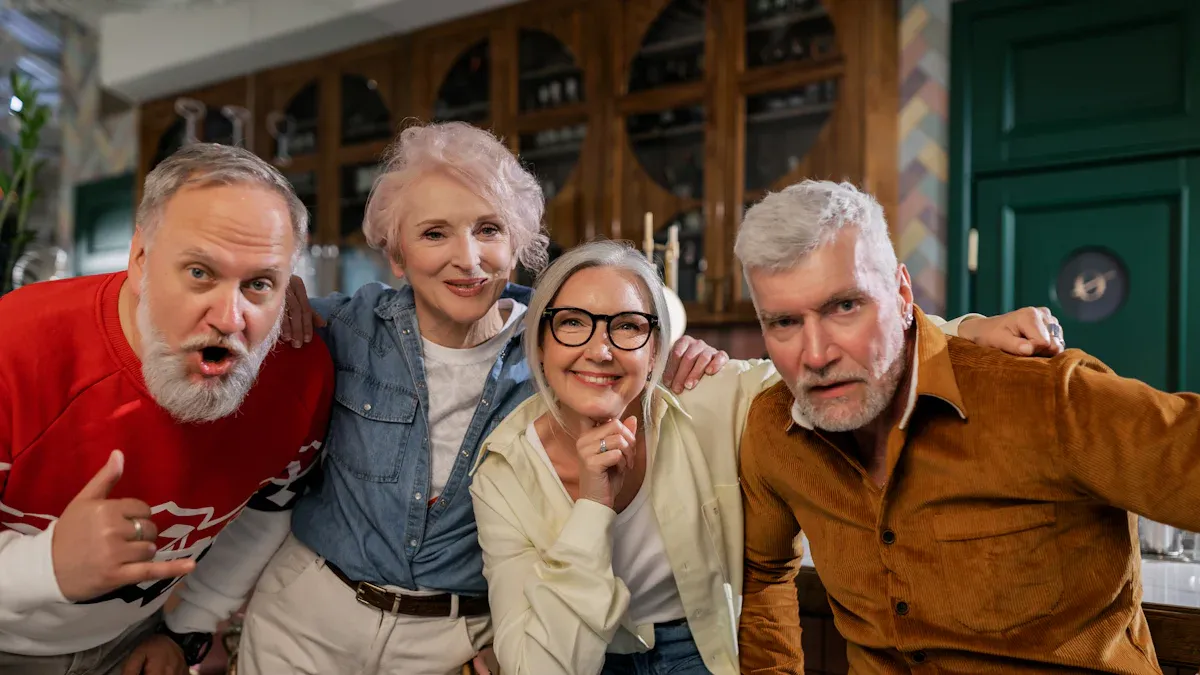
Shrinking Social Circles
You might notice your social circle shrinking as you get older. This happens to many people. Your social network often grows in young adulthood, then starts to decline as you age. You may focus more on emotionally satisfying relationships and spend less time with people who don’t bring you joy. Older adults with broader, diverse social networks report better health and less loneliness. If your social group becomes restricted or centered only on family, you may feel isolated and experience poorer health outcomes.
| Finding | Description |
|---|---|
| Broader Networks | Older adults with diverse social networks report better health and less loneliness. |
| Restricted Networks | Smaller, isolated groups centered on family lead to poorer health outcomes. |
| Network Size | Social network size increases in young adulthood and declines in old age. |
You may have fewer close friends, but the number of close friends isn’t tied to age. It connects more to your social satisfaction and well-being.
Relationship Challenges
Relationship challenges can feel tough as you age. You might face issues like infidelity or jealousy, which don’t disappear with time. Sometimes, you notice changes in personality or communication that make connecting harder. Illness and health problems can add stress to your social life. You may feel unhappy if you grow apart from someone you care about. These challenges can impact your social satisfaction and make you feel less connected.
| Relationship Challenge | Description |
|---|---|
| Infidelity and Jealousy | This issue remains significant in later life. |
| Relationship Estrangement and Cooling | Feelings of unhappiness due to growing apart. |
| Changes in Personality | Shifts in behavior and communication impact relationship dynamics. |
| Illness and Somatic Issues | Health-related challenges cause stress in social relationships. |
Rebuilding Connections
You can rebuild your social connections, even if you feel distant from others. Start with self-reflection to understand your feelings and reasons behind any estrangement. Set healthy boundaries to help communication. Open and honest conversations lay the groundwork for understanding. Forgiveness can help you heal and start fresh. If tensions remain high, a family therapist can offer support. Try regular routines, like weekly video calls, to maintain your social ties. Shared activities, such as cooking or virtual game nights, boost your sense of connection.
- Self-reflection helps you evaluate your social feelings.
- Healthy boundaries make communication easier.
- Open conversations build trust.
- Forgiveness allows for healing.
- Family therapists support your social journey.
- Weekly calls keep your social routine strong.
- Shared activities enhance your social bonds.
Your social life changes as you age, but you can take steps to stay connected and happy.
Adjust Your Lifestyle for Aging
Updating Daily Routines
You can adjust your lifestyle for aging by updating your daily routines. A consistent routine helps you feel confident and reduces stress. You gain a sense of purpose when you know what to expect each day. Try these updates:
- Schedule regular physical activity, like morning walks, to support healthy aging and prevent falls.
- Plan meal times to improve digestion and boost energy.
- Set a bedtime and wake-up time for better sleep quality.
- Include social activities in your routine to stay connected and maintain purpose.
- Keep a food diary to track nutrition and support healthy aging.
A structured routine gives you control and helps you reach your goals. Predictable habits make life easier, especially if you notice changes in memory or mood. You can adjust your lifestyle by making small changes that fit your needs.
Embracing New Experiences
You can adjust your lifestyle for aging by trying new things. Learning and exploring keeps your mind active and supports healthy aging. You might join a club, take a class, or travel to a new place. These experiences help you set new goals and find purpose. Reflecting on your life story can boost your attitude toward aging and help you see your achievements. A recent study found that older adults who tried unique activities felt happier and remembered more. You can improve your mood and memory by staying curious and open to change. Embracing new experiences gives you purpose and helps you adjust your lifestyle as you age.
Seeking Professional Help
Sometimes, you need support to adjust your lifestyle for aging. You can talk to a therapist if you feel sad, anxious, or face big changes. Therapy helps you set goals and find purpose. It also supports healthy aging by improving your mental health. If you manage chronic diseases, regular checkups help you stay on track. Doctors and specialists can guide you through lifestyle adjustments. You can ask for help with nutrition, exercise, or emotional challenges. Seeking professional help gives you tools to adjust your lifestyle and reach your goals. You stay strong and find purpose as you age.
You can take charge of your health by checking in with yourself often. Regular self-assessment helps you spot changes early and stay independent. Research shows that people who follow up on their health and stick to routines enjoy better self-care and more freedom.
| What Helps You | Why It Matters |
|---|---|
| Medication routines | Boosts health and awareness |
| Regular check-ins | Encourages self-care habits |
| Daily self-care | Keeps you independent |
Start with small steps. Ask for help when you need it. You can enjoy every stage of life with confidence and joy. 😊
FAQ
What are the first signs that I should adjust my lifestyle as I get older?
You might notice changes in your energy, memory, or balance. You may find daily tasks harder. These signs tell you it’s time to make small changes for your health and happiness.
How can I stay active if I have mobility issues?
You can try chair exercises, gentle stretching, or water aerobics. Ask your doctor for safe options. Staying active helps you feel stronger and keeps your mind sharp.
Should I talk to a professional about emotional changes?
Yes! If you feel sad, anxious, or lose interest in things, reach out to a therapist or counselor. Talking helps you find solutions and supports your well-being.
What can I do if I struggle with home maintenance?
You can ask family for help or hire professionals for cleaning and repairs. Simple upgrades, like grab bars or ramps, make your home safer and easier to manage.
See Also
Finding The Optimal Time For Methylfolate Supplement Intake
Exploring The Science-Driven Advantages Of 5-MTHF Supplements
Utilizing Nutrition And Diet To Alleviate Tinnitus Symptoms
Timeframe For Vitamins And Supplements To Show Effects
A Beginner’s Guide To Confidently Using Magnesium Supplements