

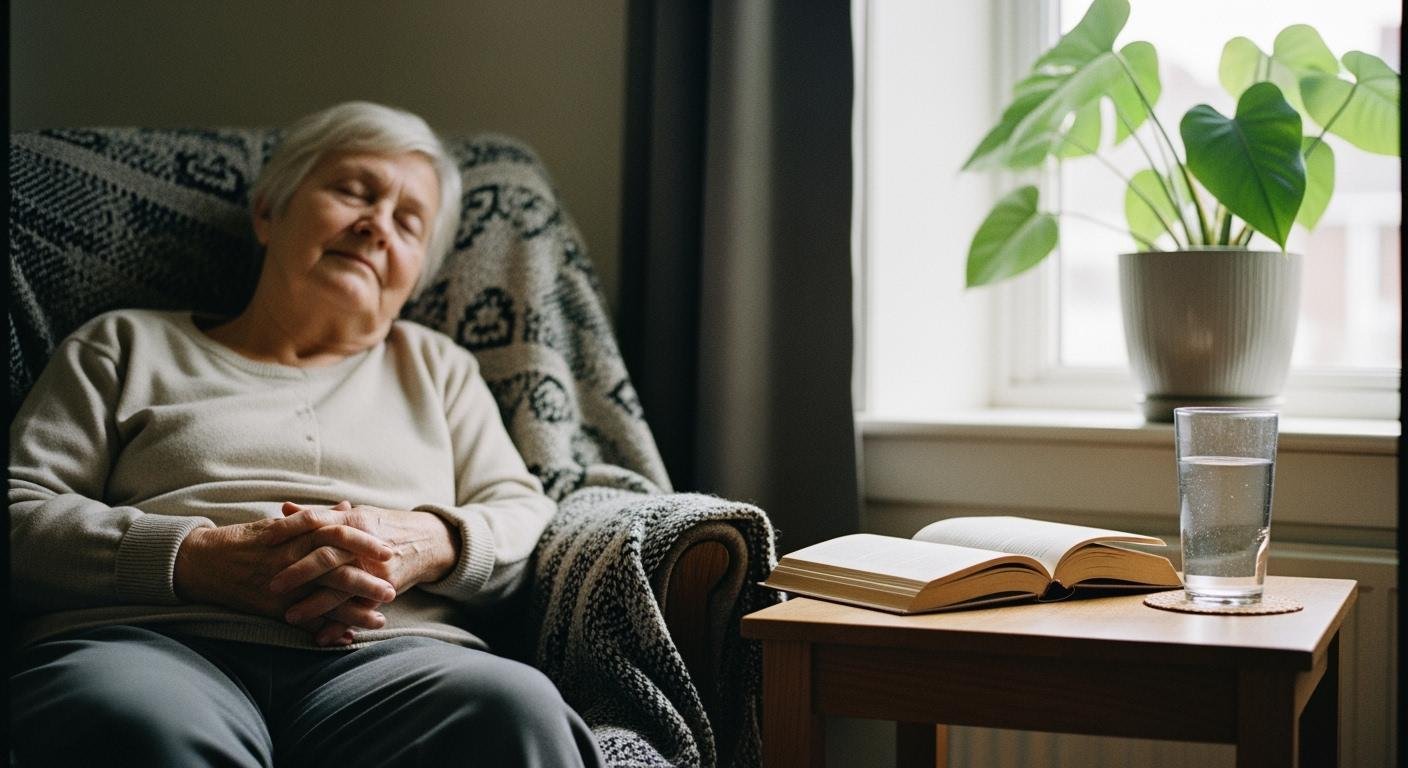
You notice it—Recovery Matters More as you get older. Your body just doesn’t bounce back like it used to. As you age, your muscles take longer to heal, and your tendons and ligaments lose strength.
- Cells don’t repair as fast.
- Tendons face more microtears and inflammation sticks around longer.
- Changes in blood flow and tissue quality slow you down.
You might feel less soreness than when you were younger, but your body still needs extra care. Give yourself more rest and use smart strategies. Prioritize recovery so you can keep moving and doing what you love.
Why Recovery Matters More
Muscle Recovery and Aging
You probably notice that muscle recovery feels different as you get older. Your body changes, and so does the way your muscles heal after exercise or injury.
- You lose muscle mass as you age, which affects strength and slows muscle recovery.
- Metabolic function drops, so you feel less energetic and your recovery takes longer.
- Your body’s ability to bounce back from stress gets weaker, making recovery protocols more important.
If you compare yourself to younger athletes, you see a clear difference. Take a look at this table:
| Age Group | Recovery Characteristics | Key Findings |
|---|---|---|
| Younger Athletes (30.5 ± 7 years) | Faster muscular recovery | Less muscular damage during recovery compared to older athletes |
| Older Athletes (45.9 ± 5.9 years) | Delayed muscular recovery | Greater muscular damage during recovery compared to younger athletes |
You face greater susceptibility to exercise-induced muscle damage. Your repair and adaptation response slows down. Scientists found that a protein called NDRG1 builds up in aging muscle stem cells, making muscle recovery slower. When researchers blocked this protein in older mice, muscle healing sped up.
- Muscle healing capacity drops, so recovery times get longer and more painful.
- Proper nutrition and rest help, but you still need to pay extra attention to recovery as you age.
Muscle fiber composition changes, too. You lose muscle fiber size and number, especially in type II fibers. From your twenties to your eighties, you can lose up to 40% of these fibers. Type I fibers stay stronger, but type II fibers shrink and weaken. Satellite cell function declines, so your muscles regenerate slower. This is why recovery matters more for you as you age.
Tendon and Ligament Changes
You might not think about your tendons and ligaments until they start hurting. As you age, these tissues change in ways that make recovery harder.
- Aging increases your risk for tendinopathy and poor recovery after tendon injuries.
- Tendons go through mechanical and cellular changes, losing flexibility and strength.
Your tendons lose metabolism and functional capacity. Protein synthesis drops, so tendon repair slows down. Mitochondria and rough endoplasmic reticulum degenerate, reducing energy for healing.
- Cellular stress rises, and homeostasis gets harder to maintain.
- Tendon fibroblasts divide slower, so healing takes longer.
- Key tendon genes turn down, while aging genes turn up, making regeneration tougher.
Structural changes make tendons stiffer and less flexible. Cytoskeletal changes weaken tendon integrity. Actin filament dynamics slow, so cell adhesion and migration suffer.
- Injury risk jumps when tendons decondition from inactivity or when strength gains outpace tendon adaptation.
- Abrupt spikes in exercise volume or intensity can push tendons past their tolerance.
- If you skip recovery windows, tendon quality drops and injury risk rises.
You need to respect recovery periods and avoid sudden changes in your routine. Recovery matters more for your tendons and ligaments as you age.
Hormonal and Inflammatory Effects
Hormones play a big role in how you recover. As you age, testosterone and estrogen levels drop.
- Lower testosterone means less muscle mass and higher injury risk.
- Estrogen and testosterone keep your bones healthy. When they decrease, your bones become more prone to injuries like stress fractures.
Understanding your hormonal health helps you improve recovery and extend your athletic lifespan. Hormones affect your biological readiness for performance. Recovery matters more because these changes make your body less resilient.
Inflammatory responses also shift as you age. Older adults experience stronger and longer-lasting inflammation after injury or illness.
- You see more tissue damage and severe symptoms.
- Your immune response stays elevated longer, making recovery slower and sometimes more painful.
Older adults show higher levels of TNF-α and IL-8 during pain models. IL-6 peaks later, especially after stress. Your immune system reacts more intensely, which can delay healing. Recovery matters more because your body needs extra support to manage inflammation and repair tissues.
Tip: Listen to your body. If you feel soreness or pain that lasts longer than usual, give yourself more time to recover. Recovery matters more as you age, so don’t rush the process.
Challenges Older Athletes Face
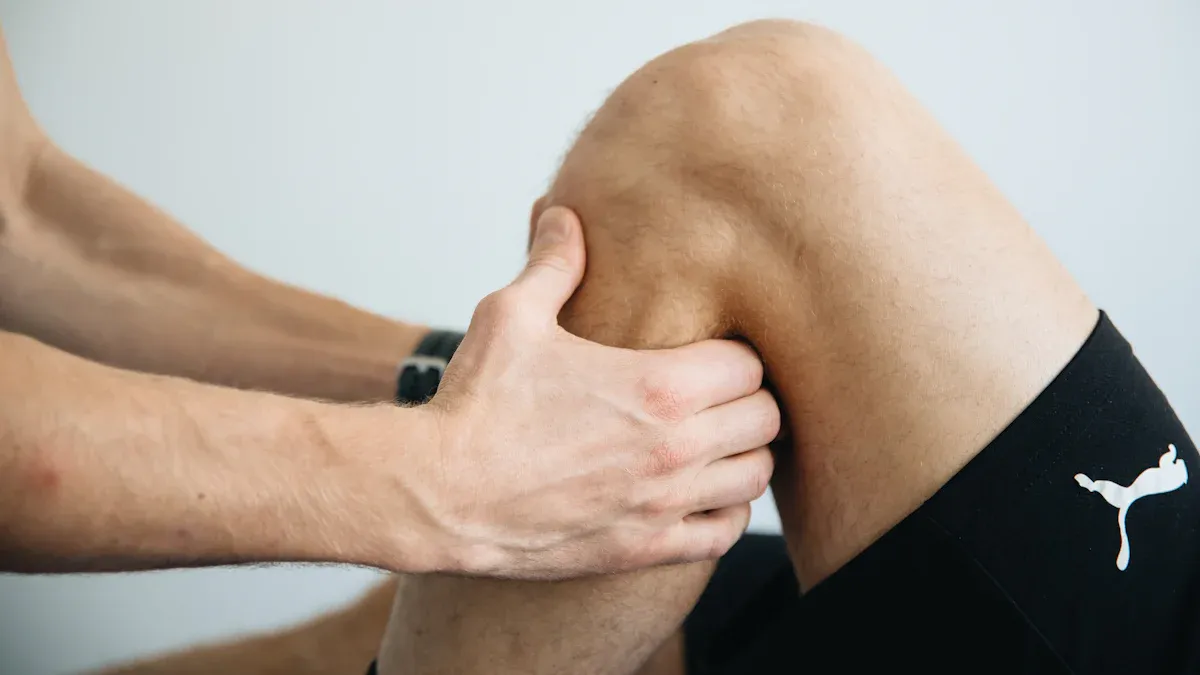
Slower Healing
You probably notice that healing takes longer as you get older. Your body changes in many ways, and recovery slows down.
- Higher blood pressure reduces blood circulation, making healing harder.
- Sleep patterns shift, so your body does not heal as quickly.
- Emotional stress can stretch out healing times.
- Loss of bone and muscle mass increases injury risk and affects recovery.
- A weaker immune system slows the healing process.
When you get injured, your body’s cells do not rush to the scene like they used to. Macrophages and T-cells arrive late, and your skin heals slower with more inflammation. Studies show that older athletes need more rest because their bodies produce fewer healing factors. If you want to stay active, you must give yourself more time to recover and focus on long-term recovery.
Increased Injury Risk
You face a higher risk of injury as you age. Your muscles lose strength, and your tendons stiffen. Cartilage thins, so your joints hurt more.
- Muscle strains
- Shin splints
- Stress fractures
- Achilles tendon tears
- Plantar fasciitis
- Osteoarthritis
- Rotator cuff tears
- Tennis elbow
- Golfer’s elbow
The numbers tell the story. Take a look at this table:
| Year | Incidence of Sports-Related Injuries (per 100,000) | Total Sports-Related Injuries (2012-2021) | Projected Injuries by 2040 |
|---|---|---|---|
| 2012 | 134 | N/A | N/A |
| 2021 | 167 | 772,973 | N/A |
| 2040 | N/A | N/A | 137,852 |
You can decrease injury risk if you build rest days into your routine and pay attention to recovery. Long-term recovery helps you stay strong and avoid negative impacts on health.
Chronic Conditions and Immune Response
Chronic conditions make recovery even tougher. Diabetes, heart disease, and stroke can lead to disability and poor healing.
| Findings | Details |
|---|---|
| Disability Incidence | Chronic diseases link to more functional disability in older adults. |
| Heart Diseases | Heart diseases worsen frailty as you age. |
| Functional Outcomes | Chronically ill injured older adults have worse outcomes after 6-12 months. |
| Quality of Life | Physical health drops, but mental health stays steady. |
Your immune system changes, too.
| Aspect of Immune Response | Age-Related Changes | Implications for Recovery |
|---|---|---|
| Innate Immunity | Weaker functions | More infections |
| Adaptive Immunity | Fewer antibodies | Poor response to illness |
| Chronic Inflammation | Higher cytokines | Slower recovery |
You need to focus on recovery and long-term recovery to keep your body strong. Chronic inflammation and immune changes can cause negative impacts on health, so you must build rest days and give yourself more time to recover.
Tip: Listen to your body. Recovery is not just about healing injuries. It is about protecting your health for the future.
Recovery Strategies
Sleep for Recovery
You need to prioritize sleep if you want to boost recovery and protect your health. Sleep helps your muscle repair and keeps your immune system strong. When you get enough sleep, your body releases growth hormone during deep sleep. This hormone helps your muscle grow and recover after exercise. If you miss sleep, your body produces more pro-inflammatory cytokines. These can break down muscle and slow recovery. Many older adults struggle with sleep. You might notice changes in sleep patterns, like less sleep efficiency and longer time to fall asleep. Poor sleep can lead to falls, slower muscle repair, and even cognitive decline. Women who sleep less face a higher risk of falls. Try to prioritize sleep every night for optimal health and well-being.
Tip: Set a regular bedtime and keep your room cool and dark. This helps you fall asleep faster and improves rest and recovery.
Nutrition and Protein Needs
Nutrition is key for post-workout recovery. You need a well-balanced diet to support muscle repair and reduce inflammation. Protein is especially important. Many older adults do not get enough protein, which leads to muscle loss and slower recovery. You need more protein than younger people to help your muscle recover after exercise. Eating enough protein helps your muscle rebuild and keeps you strong. Omega-3 fatty acids also help reduce inflammation and support recovery. Personalized nutrition plans can improve your recovery and athletic performance.
| Evidence Type | Description |
|---|---|
| Inadequate Protein Intake | Many older adults do not meet their protein needs, leading to muscle mass depletion and delayed recovery. |
| Increased Protein Needs | Higher protein intake is necessary to promote muscle protein synthesis and recovery in older adults. |
| Response to Protein | Older adults require higher doses of protein to achieve similar muscle responses as younger individuals. |
Stretching and Mobility
Stretching and mobility exercises help you stay active and improve post-workout recovery. While stretching does not always prevent injuries, it can boost walking ability and balance. Studies show that stretching increases gait speed in older adults. Flexibility exercises are safe and can be added to your post-workout recovery routine. Dynamic stretching before activity may help your muscle warm up and prepare for exercise. Static stretching after activity can help you relax and recover.
- Stretching is a low-cost way to improve walking performance.
- Balance and mobility improve with regular stretching routines.
Active Recovery and Rest
Active recovery is a smart way to support rest and recovery. Light activities like walking, cycling, yoga, or mobility work help your muscle recover and reduce soreness. Active recovery boosts circulation and helps you feel better after exercise. Older adults need more rest and recovery because muscle repair slows down with age. Rest days are essential for recovery and injury prevention. Designate rest days in your schedule to help your muscle heal and adapt. Periodization, which means alternating training with rest, improves performance and reduces injury risk.
- Active recovery minimizes short-term fatigue.
- Rest and recovery help maintain strength and keep you healthy.
Note: Listen to your body. If you feel tired or sore, take a rest day. Rest and recovery are just as important as training.
Overtraining Signs
Warning Signs
You push yourself hard, but sometimes your body tells you to slow down. Overtraining can sneak up on you, especially as you get older. You need to watch for warning signs so you can give yourself enough rest. If you ignore these signals, you risk injury and slower recovery.
Here are some common warning signs you might notice:
- Callous blistering and broken toenails
- Early morning pain on the sole of your foot, which could mean plantar fasciitis
- Pain in the back of your ankle or front of your shins, often called shin splints
- Decreased performance, even though you try harder
- Loss of vigor and energy
- You cannot keep up your performance during workouts
You need to communicate with your coach or training partners. They can help you monitor your training loads and stressors. If you feel any of these signs, you should take extra rest. Your body needs more rest as you age, so listen closely.
Tip: If you wake up with pain or notice your energy dropping, take a rest day. Your body will thank you.
Adjusting Your Routine
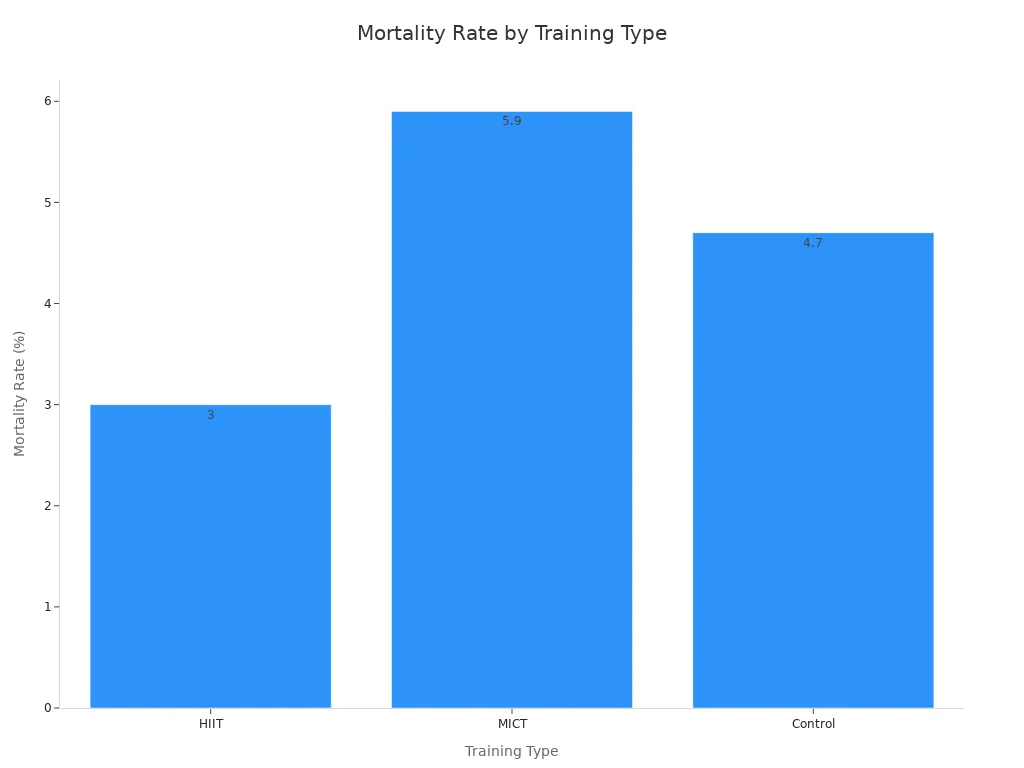
You can prevent overtraining by adjusting your routine and building in more rest. Older adults benefit from smarter training plans. You do not need to train harder; you need to train smarter. Adding rest days helps your body recover and keeps you strong.
Check out this table showing how different training types affect health:
| Group | Training Type | Mortality Rate |
|---|---|---|
| HIIT | High-Intensity Interval Training | 3% |
| MICT | Moderate-Intensity Continuous Training | 5.9% |
| Control | Generally Active | 4.7% |
Eccentric resistance training helps older adults stick to their routines. This method fights neuromuscular decline and works well for those who worry about health or falling. You can tailor your routine to fit your needs and add more rest. When you adjust your routine, you support your body and avoid overtraining.
You need to build rest into your schedule. Rest helps you recover, keeps your muscles healthy, and lowers your risk of injury. If you feel tired or sore, take a rest day. Rest is not a weakness; it is your secret weapon for long-term health.
Note: Make rest a priority. You will see better results and feel stronger every day.
You know recovery matters more as you age. Your body changes, and you need smart strategies to stay healthy. Make rest, good food, and sleep part of your routine. Listen to your body and give it time to heal.
- Former elite athletes often live longer than non-athletes.
- They face more joint injuries and arthritis, so recovery is key.
- Staying active and focusing on recovery helps you feel better for years.
Start today—put recovery first and protect your health for the long run!
FAQ
How much rest do older athletes need?
You need more rest than younger athletes. Most athletes over 40 should take at least two rest days each week. Listen to your body. If you feel tired, add another rest day. Recovery is critical for athletes who want to stay active.
Can athletes still build muscle as they age?
Yes, you can build muscle at any age. Many athletes see results with strength training and enough protein. Focus on good form and recovery. Progress may be slower, but you can still get stronger.
What is the best recovery tool for athletes over 40?
Sleep is your best tool. Many athletes overlook sleep, but it helps your muscles heal. Stretching, foam rolling, and hydration also help. Try different tools and see what works for you.
How do athletes know if they are overtraining?
You might feel tired all the time. Your performance drops. Soreness lasts longer. Many athletes ignore these signs. If you notice them, take a break. Overtraining can lead to injury.
Why is recovery critical for athletes as they age?
Recovery helps you avoid injuries and stay active. As you age, your body heals slower. Recovery is critical for athletes who want to keep training and enjoy sports for years.
See Also
Exploring 5-MTHF: Science-Driven Benefits for Your Health
Understanding Methylated Vitamins: Benefits for Enhanced Absorption
Alpha Lipoic Acid Explained: Benefits and Wellness Integration