
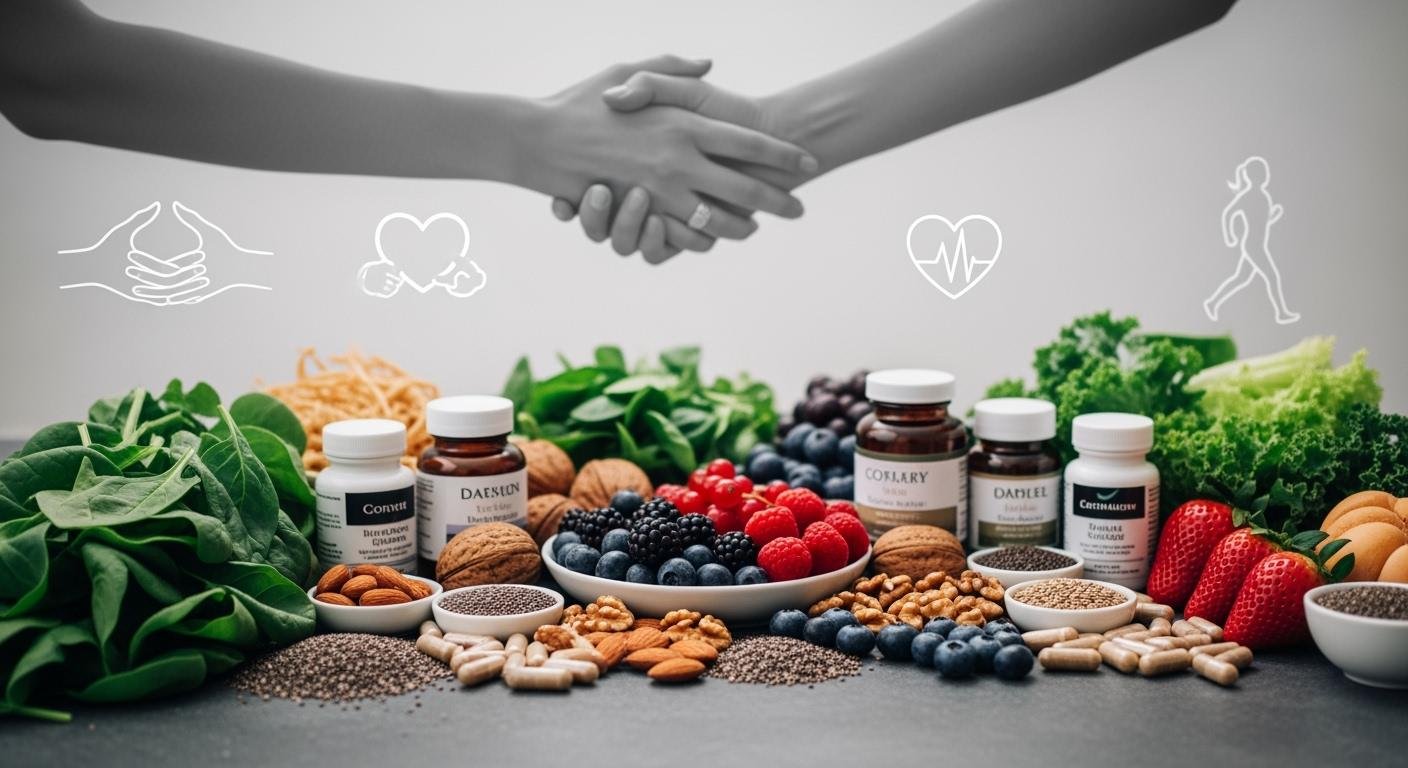
You want to feel your best as you age, but micronutrients for aging often slip through the cracks. Check out these key nutrients: Vitamin D, Calcium, Magnesium, Folate, Zinc, Vitamin C, and Carotenoids. They support your brain, help fight disease, and boost your well-being.
| Micronutrient | Percentage Deficient |
|---|---|
| Vitamin C | 75% |
| Vitamin H | 61% |
| Vitamin D | 65% |
| Vitamin K | 45% |
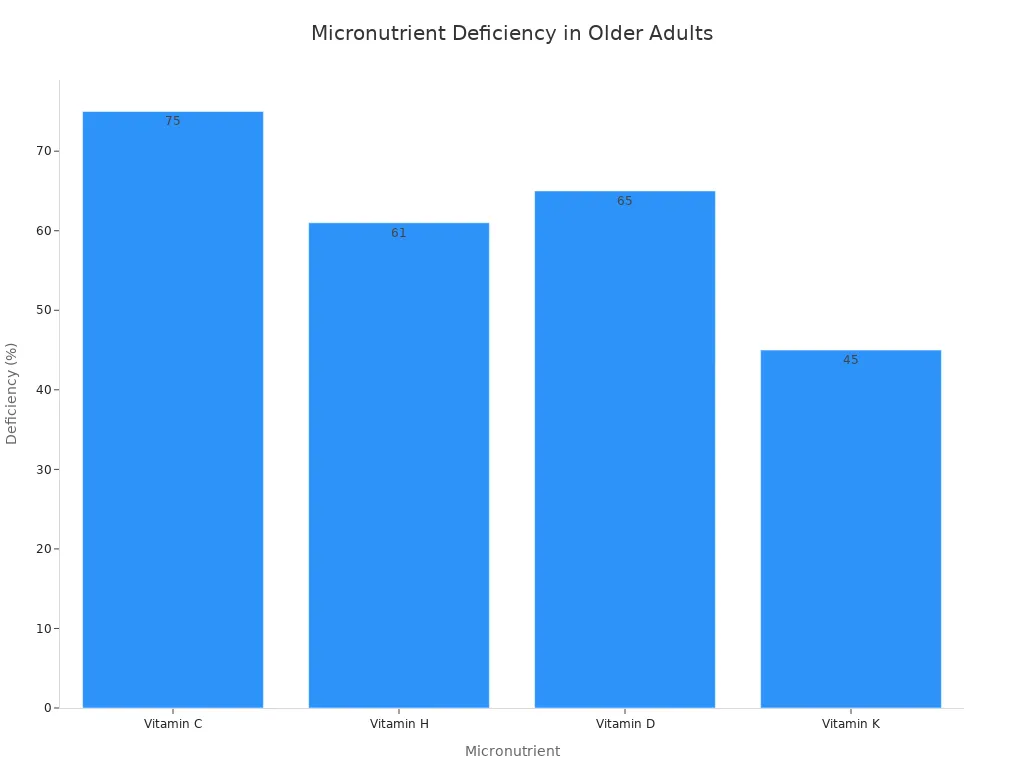
Many older adults don’t get enough micronutrients. Deficiencies can lead to cognitive decline, frailty, and lower quality of life. Small changes in your diet make a big difference for healthy aging.
Key Micronutrients for Aging

Vitamin D
You need vitamin D to keep your bones strong and your brain sharp as you get older. This micronutrient helps your body absorb calcium, which protects you from osteoporosis and bone fractures. It also supports your immune system and mood.
| Organization | Recommendation for Adults Over 50 |
|---|---|
| Endocrine Society | Daily, lower-dose vitamin D for adults 50+ who need supplementation |
You can get vitamin D from sunlight, but your skin makes less as you age. Foods like fatty fish, egg yolks, and fortified milk help, but most older adults still fall short.
Common signs of vitamin D deficiency:
- Fatigue
- Bone pain
- Muscle weakness, aches, or cramps
- Mood changes, like depression
Who is most at risk?
- Adults over 65
- People with darker skin
- Those who stay indoors or have limited mobility
| Signs of Vitamin D Deficiency in Older Adults | Risk Factors for Vitamin D Deficiency |
|---|---|
| Fatigue | Age (over 65 years) |
| Bone pain | Dark skin color |
| Muscle weakness, aches, or cramps | Limited mobility (homebound) |
| Mood changes (e.g., depression) |
If you notice these symptoms, you might need to check your vitamin D levels. Getting enough vitamin D is a key part of micronutrients for aging and healthy aging.
Calcium
Calcium keeps your bones and teeth strong. It also helps your muscles and nerves work well. As you age, your body needs more calcium to prevent osteoporosis and fractures.
| Food Source | Serving Size | Calcium Content (mg) | % Daily Value (DV) |
|---|---|---|---|
| Poppy Seeds | 1 tablespoon (9g) | 127 | 13% |
| Parmesan Cheese | 1 ounce (28g) | 242 | 24% |
| Brie Cheese | 1 ounce (28g) | 52 | 5% |
| Cooked Collard Greens | 1 cup (190g) | 268 | 27% |
| Fortified Soy Milk | 1 cup (237mL) | 20% of DV | N/A |
| Dried Figs | 1.4 ounces (40g) | 6.5% of DV | N/A |
| Cow’s Milk | 1 cup (237mL) | 306–325 | N/A |
| Goat’s Milk | 1 cup (237mL) | 327 | N/A |
| Tofu | 1/2 cup (126g) | Over 86% of DV | N/A |
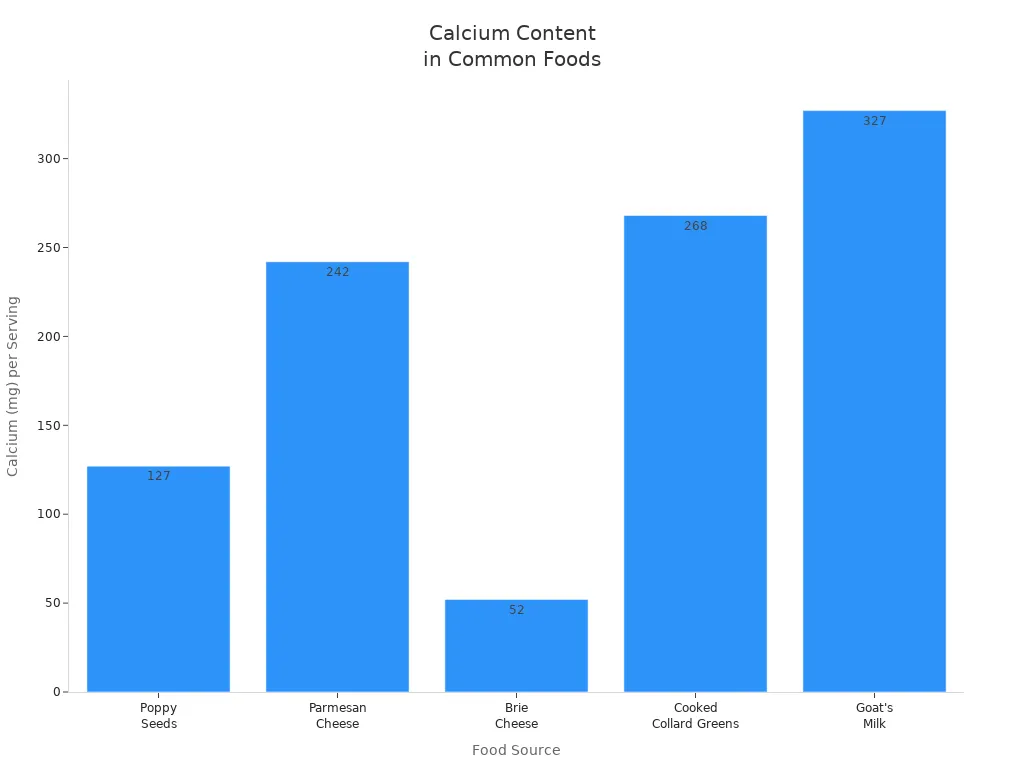
You can find calcium in dairy products, leafy greens, tofu, and fortified foods. Many older adults do not get enough calcium. About 14 million Americans over 50 have osteoporosis, and over 60% of older adults have inadequate calcium intake. Women are more likely to be affected than men.
Only 30% of Americans aged 50 or older take calcium and vitamin D supplements.
If you want to avoid nutritional deficiencies, try to include calcium-rich foods in your meals. Calcium is one of the most important micronutrients for aging.
Magnesium
Magnesium helps your muscles and nerves work smoothly. It also supports energy production and keeps your heart healthy. You need magnesium for strong bones and good sleep.
Magnesium is an essential mineral that plays a central role in approximately 800 biochemical reactions within the human body. Its distinctive physical and chemical attributes render it an indispensable stabilizing factor in the orchestration of diverse cellular reactions and organelle functions, thereby rendering it irreplaceable in processes directly impacting muscle health.
Given that both magnesium deficiency and sarcopenia are more prevalent in the aging population and that magnesium plays a central role in muscle ATP production, a hypothesis has been posited suggesting that a compromised magnesium status might be a contributing factor to sarcopenia observed in the later stages of life.
Energy metabolism within cells is a complex process, with magnesium serving a crucial role, which is particularly essential for mitochondrial health and function.
| Food Source | Magnesium Content (mg) | % of Daily Value (DV) |
|---|---|---|
| Spinach | 156 | 37% |
| Pumpkin seeds | 156 | 37% |
| Chia seeds | 111 | 26% |
| Black beans | 120 | 28% |
| Edamame | 100 | 24% |
| Brown rice | 84 | 20% |
| Almonds | 80 | 19% |
| Cashews | 74 | 18% |
| Soy milk | 61 | 15% |
| Yogurt | 42 | 10% |
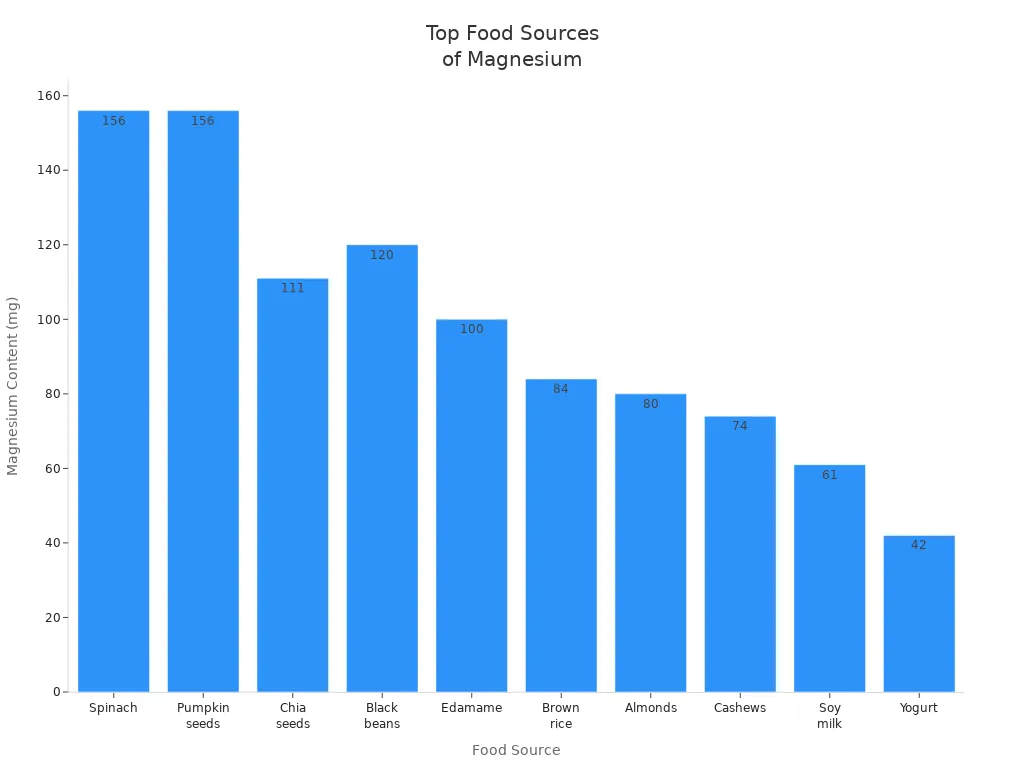
You can boost your magnesium by eating nuts, seeds, beans, and leafy greens. If you feel weak or tired, you might need more magnesium. This micronutrient is vital for healthy aging and helps prevent micronutrient deficiencies.
Folate
Folate is a B vitamin that helps your body make new cells. It keeps your blood healthy and supports your brain. You need folate to prevent anemia and keep your mind sharp.
- The recommended daily intake of folate for adults over 60 is 400 mcg DFE.
If you do not get enough folate, you may feel weak, tired, or have trouble concentrating. Folate deficiency can cause anemia, headaches, irritability, heart palpitations, and shortness of breath. You might also notice changes in your skin, hair, or mouth.
| Food Item | Serving Size | Folate Content (mcg) | % Daily Value (DV) |
|---|---|---|---|
| Cooked Lentils | 1 cup (198g) | 358 | 90% |
| Cooked Kidney Beans | 1 cup (177g) | 131 | 33% |
| Cooked Asparagus | 1/2 cup (90g) | 134 | 34% |
| Raw Spinach | 1 cup (30g) | 58.2 | 15% |
| Raw Beets | 1 cup (136g) | 148 | 37% |
| Large Orange | 1 fruit | 55 | 14% |
| Cooked Brussels Sprouts | 1/2 cup (78g) | 47 | 12% |
| Raw Avocado | 1/2 fruit | 82 | 21% |
| Cooked Spaghetti | 1 cup (140g) | 102 | 25% |
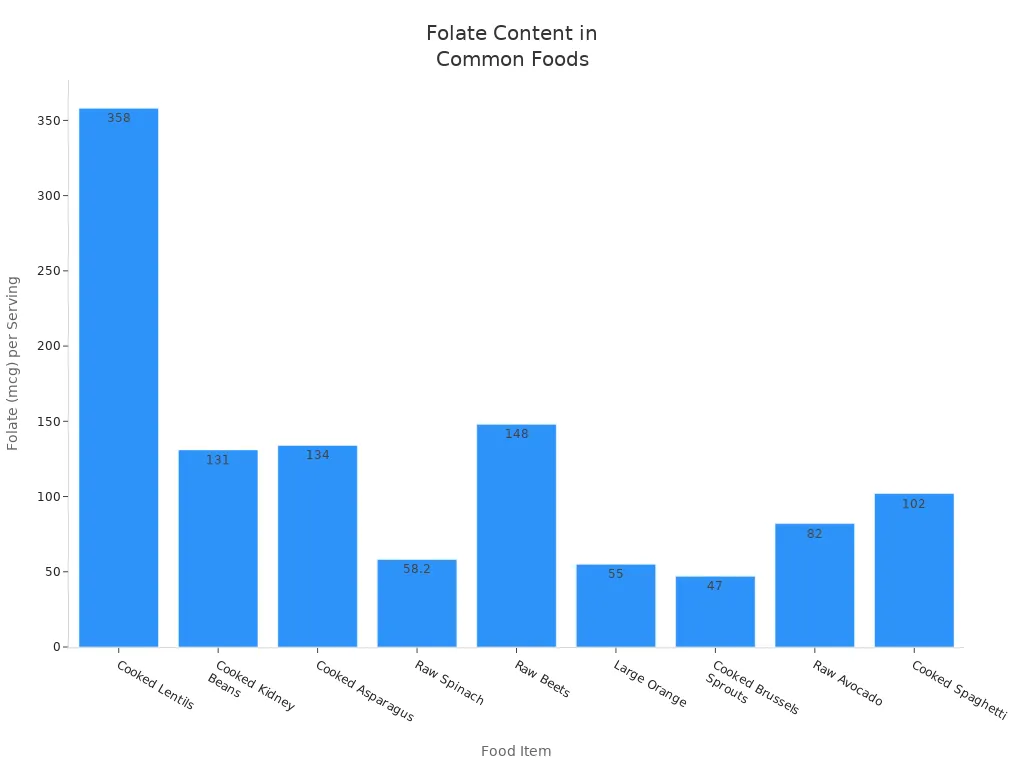
You can get folate from beans, lentils, leafy greens, oranges, and avocados. Try to include these foods in your diet to meet your nutritional needs.
Zinc
Zinc helps your immune system fight infections. It also supports wound healing and keeps your senses sharp. You need zinc for healthy skin, taste, and vision.
- Zinc regulates immune cells and boosts your body’s response to infections.
- It reduces inflammation, which is important for immune health.
- Zinc is necessary for collagen and protein synthesis, which help repair tissues.
- It supports the growth of cells needed for wound healing.
- The demand for zinc increases during the early phase of wound healing. Low zinc can delay recovery.
Signs of zinc deficiency:
- Weakened immune response and recurring infections
- Poor wound healing or easy skin damage
- Changes in taste or loss of appetite
- Hair thinning or increased hair shedding
- Vision changes, especially in low light
- Mood changes or trouble concentrating
- Digestive issues or unexplained weight changes
Who is most at risk?
- Older women
- Individuals over 65 years of age
If you notice these signs, you may need more zinc. This micronutrient is essential for micronutrients for aging and helps prevent nutritional deficiencies.
Vitamin C & Carotenoids
Vitamin C and carotenoids protect your eyes, skin, and heart. They act as antioxidants, fighting damage from free radicals. You need these micronutrients to lower your risk of age-related diseases like macular degeneration and heart disease.
Lutein and zeaxanthin, two carotenoids, help delay chronic diseases, including age-related macular degeneration. Their antioxidant properties make them powerful allies for your health.
| Study | Findings |
|---|---|
| Age-Related Eye Disease Study (AREDS) | Participants at high risk of developing advanced AMD who received antioxidant supplements had a 28% lower risk of progressing to advanced AMD compared to placebo. |
| Women’s Antioxidant Cardiovascular Study | No overall effect on cardiovascular events from vitamin C supplementation in women with a history of CVD. |
| Physicians’ Health Study II | No effect on major cardiovascular events from vitamin C supplementation in male physicians. |
- High intakes of vitamin C may reduce the risk of age-related macular degeneration or cataracts.
- Antioxidants, including vitamin C, may help slow the progression of AMD.
| Fruit/Vegetable | Vitamin C per Cup | Vitamin C per 100g | Vitamin C per 200 Calories |
|---|---|---|---|
| Guavas | 377mg (419% DV) | 228mg (254% DV) | 671mg (746% DV) |
| Kiwifruit | 167mg (185% DV) | 93mg (103% DV) | 304mg (338% DV) |
| Bell Peppers | 152mg (169% DV) | 128mg (142% DV) | 982mg (1091% DV) |
| Strawberries | 98mg (108% DV) | 59mg (65% DV) | 368mg (408% DV) |
| Oranges | 96mg (106% DV) | 53mg (59% DV) | 226mg (252% DV) |
| Papaya | 88mg (98% DV) | 61mg (68% DV) | 283mg (315% DV) |
| Broccoli | 81mg (90% DV) | 89mg (99% DV) | 525mg (583% DV) |
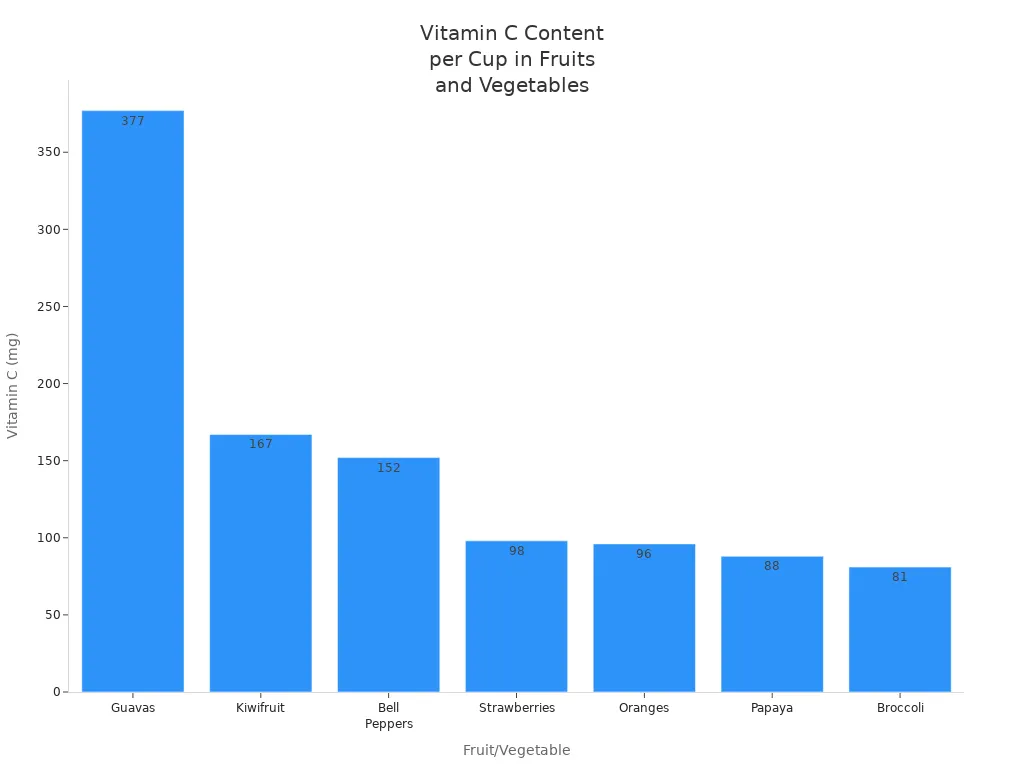
You can find vitamin C in guavas, kiwifruit, bell peppers, strawberries, oranges, papaya, and broccoli. Carotenoids are found in colorful fruits and vegetables like carrots, sweet potatoes, spinach, and kale.
- Kakadu plums
- Acerola cherries
- Rose hips
- Chili peppers
- Guavas
- Sweet yellow peppers
- Black currants
- Cantaloupe
- Parsley
- Mustard spinach
Micronutrients, including vitamins A, C, D, E, and selenium, are essential for maintaining brain health and cognitive function. Deficiencies in these nutrients have been implicated in neurodegenerative diseases, highlighting their importance in aging populations.
Micronutrients, including vitamins and minerals, are crucial for psychological wellbeing and brain function. Deficiencies in essential micronutrients like vitamin B12, iron, zinc, and omega-3 fatty acids are linked to cognitive decline, memory loss, and attention problems. Tailored micronutrient therapies have shown promise in reducing age-related cognitive decline and enhancing mental function.
Diets high in fiber, healthy unsaturated fats, and micronutrients such as Vitamins A and E, magnesium, and potassium are linked to better brain health and memory. The study emphasizes the role of carotenoids in supporting cognitive function and the need for targeted dietary interventions to improve nutrient intake in older populations.
Research shows that older adults face a higher risk of infectious and inflammatory diseases. This risk is linked to immune system changes and micronutrient deficiencies. Adequate micronutrient intake helps maintain immune function and lowers the risk of chronic diseases. Many older adults have multiple micronutrient inadequacies, which can lead to frailty and poor health. Meeting your nutritional needs with a variety of micronutrients for aging supports healthy aging and keeps your mind and body strong.
Antioxidants and Brain Health
Role of Antioxidants in Aging
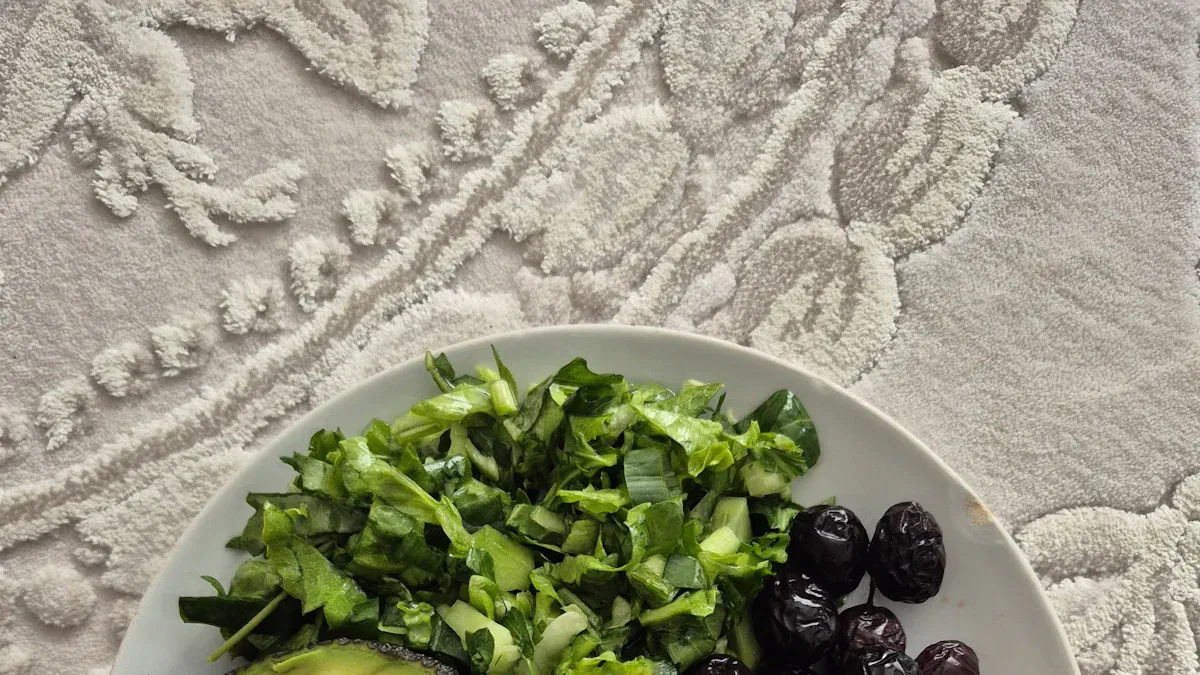
You hear a lot about antioxidants, but do you know why they matter as you get older? Antioxidants protect your brain cells from damage caused by oxidative stress. This damage can lead to memory loss and even neurodegenerative diseases. When you eat foods rich in antioxidants, you help your brain stay sharp and support healthy aging.
- Oxidative stress can cause cognitive decline.
- Antioxidants from fruits, vegetables, and seeds protect brain cells.
- A balanced diet helps you maintain good cognitive function.
Scientists studied over 2,700 older adults. They found that people with higher total antioxidant capacity (TAC) had better scores on memory and thinking tests. The risk of impaired cognitive function dropped for those with higher TAC, especially if they had diabetes.
| Finding | Description |
|---|---|
| Participants | 2712 older adults, median age 68 years |
| Higher TAC Association | Higher TAC levels linked to better cognitive test scores |
| Risk Reduction | Higher TAC quartiles showed decreased risk of impaired cognitive function |
| Diabetes Mediation | TAC effect stronger in subjects with diabetes mellitus |
Best Sources for Older Adults
You can boost your antioxidant intake with simple food choices. Some foods pack a punch and help you fight micronutrient deficiencies and nutritional deficiencies.
- Pomegranates may decrease UV skin damage and promote collagen production.
- Avocados support skin health and fight free radicals.
- Tomatoes contain lycopene, which may reduce wrinkle depth.
- Nuts, especially walnuts, are linked to lower mortality risk.
- Mushrooms protect cells and counteract oxidative damage.
- Grapes provide resveratrol, which may slow cellular aging.
| Food | Antioxidants and Benefits |
|---|---|
| Pomegranates | Rich in flavonols, tannins, and phenolic acids; may support skin aging and protect collagen. |
| Avocados | High in monounsaturated fats and antioxidants; helps fight free radicals and supports skin health. |
| Tomatoes | Contains lycopene, which acts as an antioxidant and may provide some protection from sun damage. |
| Nuts | Provide healthy fats and antioxidants; walnuts are particularly high in omega-3s and linked to lower mortality risk. |
| Mushrooms | Contain ergothione and glutathione; help protect cells and counteract oxidative damage. |
| Grapes | Source of resveratrol and other antioxidants; may slow cellular aging and improve mitochondrial function. |
You get the most benefit when you eat a variety of these foods. They supply micronutrients that help your body fight aging and keep your brain healthy.
Practical Tips for Healthy Aging
Mediterranean Diet Benefits
You might wonder why so many experts recommend the Mediterranean diet. This eating style gives you a boost of micronutrients from fruits, vegetables, nuts, and olive oil. You get more vitamins and minerals, which help your body stay strong as you age. Check out these benefits:
| Findings | Details |
|---|---|
| Increased Muscle Mass | Women who follow the Mediterranean diet have more muscle mass. |
| Legs Explosive Power | People show a 9.6% improvement in leg power. |
| Cardiovascular Health | The Moli-sani Study found a lower 10-year heart disease risk. |
You also support your immune system with vitamin E and vitamin C. These nutrients help your body fight infections and keep your skin healthy.
| Micronutrient | Benefits |
|---|---|
| Vitamin E | Boosts immune function and resistance to illness. |
| Vitamin C | Helps your body make collagen and supports white blood cell production. |
Eating this way can lower your risk of memory loss and Alzheimer’s disease. Studies show better memory and thinking skills when you stick to the Mediterranean diet.
Simple Ways to Boost Micronutrient Intake
You can make small changes to get more micronutrients every day. Try these strategies:
- Eat three small meals and two snacks daily.
- Keep canned veggies and grains in your pantry.
- Use meal delivery services if you need help with regular meals.
- Add milk powder, egg yolk, nuts, or cream to your food for extra energy and protein.
- Choose fortified foods to fill nutritional gaps.
Older adults often miss out on key nutrients because they eat less or lack variety. Focus on a balanced diet with proteins, whole dairy, and fortified foods to avoid nutritional deficiencies and support your brain.
When to Consider Supplements
Sometimes, you need more help. If you take lots of medications or feel malnourished, supplements may be necessary. Medications can change how your body absorbs nutrients. Health professionals can help you decide if supplements are right for you. Watch out for over-supplementation, which can cause problems. Always ask your doctor or pharmacist before starting new supplements.
- You can support healthy aging by eating a variety of nutrient-rich foods every day.
- Small changes, like adding more fruits and veggies, make a big difference.
- Regular check-ins with your doctor help you spot any gaps early.
Remember, a balanced diet does more for your body than most supplements.
FAQ
What foods help you get more micronutrients?
You can eat leafy greens, nuts, beans, dairy, and colorful fruits. Try adding spinach, oranges, yogurt, and almonds to your meals.
How do you know if you need supplements?
If you feel tired, weak, or notice changes in your skin or mood, talk to your doctor. Blood tests can show if you need supplements.
Can you get enough micronutrients from diet alone?
Most people can get enough from a balanced diet. If you eat a variety of foods, you usually meet your needs. Sometimes, supplements help fill gaps.
See Also
Exploring 5-MTHF Supplements: Science-Driven Advantages for Wellness
A Beginner’s Guide to Magnesium Supplements: Start Confidently
Understanding Methylated Vitamins: Benefits for Better Absorption and Health
2024 Review of Opti-Folate L-Methylfolate: Science-Driven Folate Benefits
Copper in Nutrition: Definition, Benefits, and Supplement Recommendations