


You wake up feeling determined to make healthier choices, but your motivation fades by lunchtime. Many people struggle to reach wellness goals. Tracking your wellness gives you clarity and helps you stay motivated. Studies show that tracking progress can boost goal achievement rates by up to 70%. When you track your emotions, you notice more positive feelings. Most people do not use consistent tracking, yet anyone can start today. You can find simple ways to begin and see real results.
What Is Tracking Your Wellness?
Defining Wellness Tracking
You can think of tracking your wellness as a holistic approach to improving your health and lifestyle. This means you pay attention to many parts of your life, not just your body.
Wellness includes eight interconnected dimensions: physical, intellectual, emotional, social, spiritual, vocational, financial, and environmental. Each dimension matters for your overall well-being.
When you track these areas, you see how they connect and support each other. You use technology or simple tools to monitor your habits and feelings. This helps you make better choices every day.
Types of Wellness to Track
You can track many types of wellness. Each one gives you a new way to understand yourself and your needs. Here is a table that shows the main categories and what they mean:
| Category | Description |
|---|---|
| Physical | Overall health of the body |
| Intellectual | Focused on learning and mental stimulation |
| Emotional | Understanding and managing feelings |
| Social | Healthy relationships with others |
| Spiritual | Connection to something greater than oneself |
| Occupational | Satisfaction and fulfillment in work |
| Financial | Management of financial resources |
| Environmental | Impact of surroundings on well-being |
You might choose to focus on one area first, like physical or emotional health. Over time, you can add more categories to your tracking routine.
Tracking Methods and Tools
You have many options for tracking your wellness. Some people like to write in journals or diaries. Others use mobile apps or wearable devices. Here is a quick look at common methods:
| Method/Tool | Pros | Cons |
|---|---|---|
| Self-Reporting (Diaries) | No equipment needed; easy to start. | Can forget details; less precise. |
| Pedometers | Affordable; encourages walking. | Only counts steps; misses other activities. |
| Fitness Trackers & Smartwatches | Accurate data; tracks many activities. | Costs more; needs charging. |
| Mobile Apps | Fun features; connects with friends. | Data entry can take time. |
You can pick the method that fits your lifestyle. Start simple and build your habit. Every step you take brings you closer to your goals.
Importance of Tracking Progress

Self-Awareness and Insight
Tracking progress gives you a clear view of your wellness journey. When you record your daily habits, moods, and choices, you start to notice patterns in your life. You gain insight into what helps you feel your best and what holds you back.
Regular tracking of mental health lets you understand your moods and behaviors better. You recognize emotional patterns that might otherwise go unnoticed, which leads to smarter decisions.
You can spot triggers that affect your mental health. For example, tracking your food intake helps you manage your condition without medication. Monitoring your strength growth motivates you to work out, which reduces anxiety and stress. Setting wellness goals requires you to reflect on your strategies and adjust them as needed. This process builds self-awareness and helps you make positive changes.
Identifying Patterns and Obstacles
Tracking progress helps you see trends and spot obstacles that stand in your way. You can use different tools to identify what works and what needs improvement. Here is a table that shows how you can find patterns and overcome challenges:
| Evidence Type | Description |
|---|---|
| Wellness Champions | A network of wellness champions motivates you to join wellness initiatives. This support influences healthy behaviors and helps you stay on track. |
| Needs Assessment | Conducting a needs assessment helps you find your specific needs and barriers. This information guides you to create a plan that fits your life. |
| Continuous Evaluation | Regular assessment through a wellness scorecard lets you track health outcomes and understand trends. This process improves quality and keeps your wellness efforts sustainable. |
When you track your wellness, you can see what slows your progress. You learn to adjust your actions and overcome obstacles. This makes your journey smoother and more successful.
Celebrating Achievements and Milestones
Tracking progress lets you celebrate every achievement, big or small. You feel proud when you reach milestones, like sticking to a sleep routine or practicing gratitude every day.
Maintaining motivation is easier when milestones and rewards are part of your plan. Celebrating small achievements reinforces positive behaviors and boosts your confidence.
Each milestone, such as practicing mindfulness daily or setting healthy boundaries, strengthens your habits. Recognizing and celebrating achievements helps you build a growth mindset. You stay focused on your goals and feel inspired to keep moving forward.
- Celebrating small achievements is a powerful way to stay motivated.
- Each milestone reinforces positive habits and keeps you engaged in your wellness journey.
Accountability and Motivation
Tracking progress creates accountability and keeps you motivated. When you check in regularly, you feel anticipation and excitement. This feeling triggers dopamine release, which boosts your motivation. Connecting with others adds novelty and increases the reward value.
| Evidence Point | Description |
|---|---|
| Dopamine Release | Accountability leads to regular check-ins that trigger dopamine release and enhance motivation. |
| Social Engagement | Engaging with others adds novelty and increases the reward value, making you more motivated. |
| Neuroplasticity Support | Accountability enforces consistency during habit formation, strengthening correct neural pathways. |
You build consistency and activate goal-related neural networks. This process helps you form lasting habits. Tracking your wellness also helps you maintain motivation through documentation of milestones. You cultivate a supportive internal dialogue, which reduces feelings of overwhelm and promotes a healthier relationship with your goals.
Tracking progress influences lifestyle changes over time. Over six months, your body adapts to new habits, and you overcome mental barriers. You set short-term goals that lead to long-term success. You build relationships with coaches and peers, creating a support system that helps you navigate challenges. You learn to maintain healthy habits during holidays and other social settings.
Tracking your wellness gives you clarity, motivation, and actionable insights. You see your progress, celebrate milestones, and stay accountable. This makes reaching your goals easier for everyone.
Tracking Your Wellness Benefits Everyone
Personal Empowerment
Tracking your wellness gives you the power to make smart choices every day. When you record your habits, moods, and health numbers, you see what works for you. You feel more in control and less overwhelmed. Many people who track their health say they feel more clear-headed and confident. You can notice when your energy drops or when you feel your best. This helps you adjust your routine and reach your goals faster.
Here are some ways tracking your wellness empowers you:
- You focus on your values and what matters most to you.
- You use the latest information to make good decisions.
- You work with your family and friends to build a plan that fits your life.
When you track your progress, you also spot problems early. You can catch health issues before they become serious. Simple check-ups and screenings help you stay ahead and take action right away.
Group Accountability and Support
You do not have to work on your wellness alone. Tracking your wellness with a group brings extra support and motivation. When you join others, you share your wins and challenges. This teamwork helps everyone stay on track.
| Metric | Group Tracking Benefits | Individual Tracking Benefits |
|---|---|---|
| Financial Impact | $6 savings for every $1 invested in group wellness programs | Individual savings may vary based on personal health improvements |
| Participation Rates | Higher engagement through collective activities | Individual motivation may fluctuate |
| Employee Satisfaction | Enhanced through shared experiences | Personal satisfaction may depend on individual goals |
| Morale | Boosted by group dynamics and support | Individual morale may be less influenced by others |
| Absenteeism | Reduced due to collective accountability | Individual absenteeism may not reflect group trends |
| Talent Recruitment | Attracts candidates valuing community wellness | Individual benefits may not appeal to all candidates |
| Retention | Higher retention rates linked to group programs | Individual retention may depend on personal circumstances |
You see the benefits of tracking grow when you work together. Group support boosts morale and keeps everyone engaged. You celebrate milestones as a team, which makes the journey more fun and rewarding.
Professional Guidance and Outcomes
Health professionals use tracking your wellness data to help you get better results. They can spot changes in your health and give advice before problems get worse. For example, doctors use smart devices to watch your heart rate or blood pressure. This helps them act fast if something changes.
Many companies use wellness programs to help employees stay healthy. These programs track progress and offer rewards for healthy habits. You may notice fewer sick days and more energy at work. Wearable devices, like fitness trackers, can even catch health issues early. This means you get help sooner and feel better faster.
When you track your wellness, you give yourself, your group, and your health team the tools to succeed. You make better choices, find problems early, and enjoy the benefits of tracking every step of the way.
Simple Ways to Start Tracking Your Health
Beginner Tracking Methods
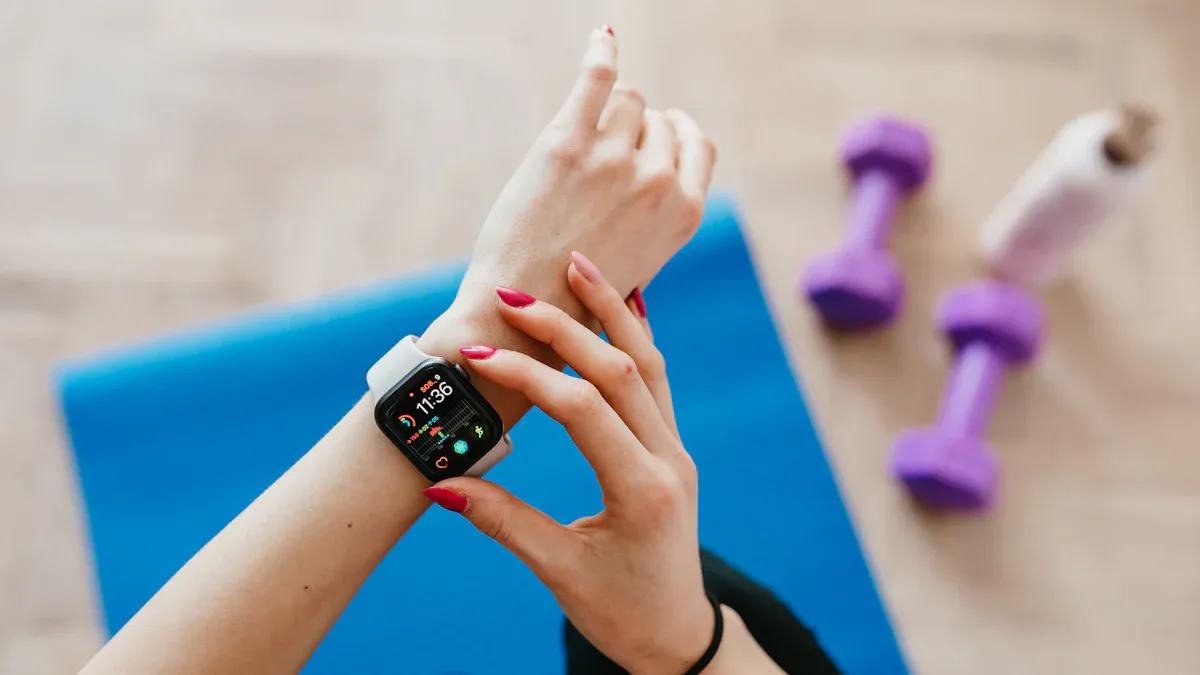
You can start tracking your health with simple steps. You do not need fancy tools or expensive gadgets. Begin with easy methods that fit your daily routine:
- Monitor your blood pressure at home and write down your numbers.
- Check your heart rate with a fitness tracker or by counting your pulse.
- Calculate your body mass index (BMI) and record it every month.
- Track your sleep by using a journal or a sleep tracker.
- Write down your daily physical activity in a notebook or use a step counter.
Starting with simple tracking methods helps you move from wishing for better health to taking real action. When you see your progress, you feel more motivated and confident. Small steps lead to big changes over time.
Digital Tools and Apps
Many people use digital tools to make tracking your health easier and more fun. You can choose from free or low-cost apps that help you stay on track. Here are some top picks:
- Happify: Play games that boost your mood and mental health.
- T2 Mood Tracker: Track your feelings and see your progress.
- CBT-i Coach: Learn tips for better sleep and healthy routines.
- Seven: Try quick, seven-minute workouts for a daily energy boost.
- Aura: Practice mindfulness and reduce stress with guided exercises.
Almost 60% of people say that mobile apps help them add more activity to their day. Over 43% feel these apps improve their mental health. Studies show that most users see real health improvements when they use tracking apps.
| Evidence Type | Findings |
|---|---|
| Accuracy | Wearable devices can sometimes miscount steps, but they keep you engaged and motivated. |
| User Engagement | Reminders and choosing your own device can help you stick with tracking your health. |
Building a Tracking Habit
You can build a strong habit by adding small actions to your daily routine. Try these tips to make tracking your health stick:
- Add tracking to something you already do, like brushing your teeth.
- Stay consistent and check your progress often.
- Make small changes and adjust your goals as you learn what works.
- Set rewards for yourself when you reach milestones.
Many people face barriers like time, energy, or money. You can overcome these by choosing short workouts, eating well, and using free resources. Focus on what motivates you from the inside.
When you track your health, you see your growth and learn what helps you feel your best. You become more aware, stay accountable, and celebrate every win. Tracking your health can turn your goals into lifelong success.
You hold the power to improve your well-being every day. Tracking your wellness makes goals clear and simple for everyone. You see progress, build strong habits, and boost your well-being with each step. Research shows that wellness tracking supports lasting well-being for all.
| Key Takeaway | Description |
|---|---|
| Employee Health | Wellness programs create healthy habits and well-being. |
| Engagement | Activities and rewards keep you focused on well-being. |
| Technology Integration | Apps and devices make well-being tracking easy. |
You can use simple tools to support your well-being. Wellness tracking fits your life and helps you reach your well-being goals. You notice better well-being, less stress, and more energy. Start today and let your well-being shine.
FAQ
How do I start my wellness journey if I feel overwhelmed?
You can begin your wellness journey with one small step. Write down one goal. Celebrate each win. Remember, every journey starts with a single action. You do not need to do everything at once. Focus on progress, not perfection.
What if I lose motivation during my wellness journey?
You may lose motivation sometimes. That is normal on any journey. Remind yourself why you started. Track your progress. Share your journey with friends. Celebrate small victories. Each step forward brings you closer to your goals.
Can I track my wellness journey without expensive tools?
You do not need fancy gadgets for your wellness journey. Use a notebook or a free app. Write about your journey each day. Simple tools help you see your growth. Your journey matters more than the tools you use.
How can I stay consistent on my wellness journey?
Set a daily reminder. Pair tracking with a habit you already have. Ask a friend to join your journey. Consistency grows when you make your journey fun and rewarding. You will see results when you stick with your wellness journey.
Why does tracking make my wellness journey easier?
Tracking gives you a clear view of your journey. You see your progress and learn what works. You feel proud of each milestone. Your wellness journey becomes easier when you know where you are and where you want to go.
Tip: Your wellness journey is unique. Trust your journey and celebrate every step.
| Step | Action |
|---|---|
| 1 | Start your journey today |
| 2 | Track your journey daily |
| 3 | Celebrate your journey wins |
See Also
Discover How Methylated Vitamins Enhance Absorption and Health
Understanding Alpha Lipoic Acid: Benefits and Wellness Integration
Exploring 5-HTP: Uses and Its Role in Holistic Health