

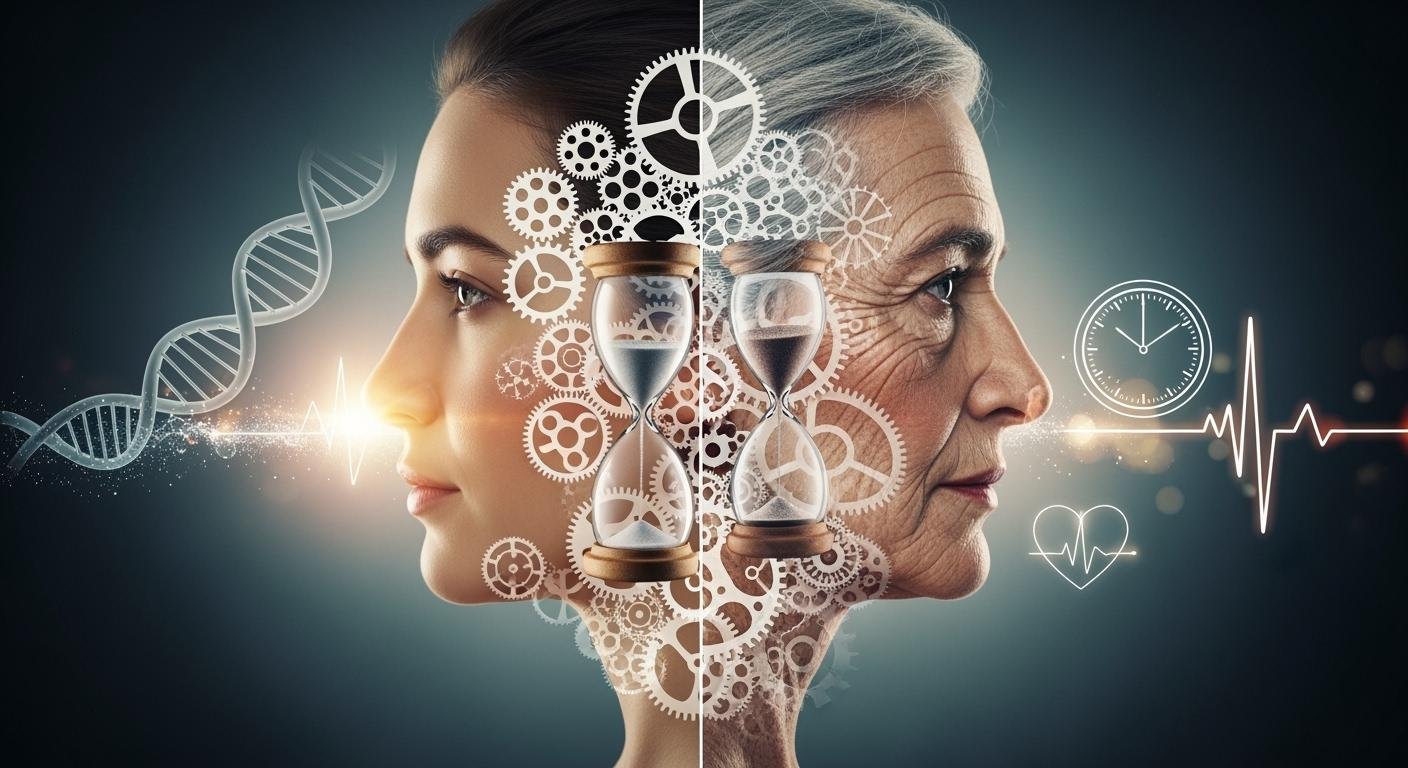
You may notice that weight creeps up even though your habits stay the same. This change happens because both biology and daily routines affect how your body uses energy. Recent research shows that metabolism slows only after age 60, not earlier as many people thought. You can feel encouraged knowing that practical steps can help you manage these changes.
Why Metabolism Slows With Age

Recent studies show that your metabolism peaks in early adulthood and stays steady until about age 60. Many people believed metabolism slows much earlier, but new research proves otherwise. After 60, you start to notice changes in how your body uses energy. These changes happen because of shifts in muscle mass, hormones, and organ function.
Muscle Mass Loss
Muscle plays a big role in how your body burns calories. As you get older, you lose muscle mass at a rate of about 3% to 8% per decade after age 30. This loss becomes even greater after age 60. When you lose muscle, your body burns fewer calories at rest. Muscle is more active than fat, so less muscle means a slower metabolism. If you do not work to keep your muscles strong, you will see more fat and less lean tissue. This shift in body composition links to higher rates of insulin resistance and makes metabolism slows even more.
- You lose muscle because your body has fewer satellite cells, which help repair and grow muscle fibers.
- Your resting energy expenditure drops by about 4 kcal per year, even if your body composition stays the same.
- Everyone loses muscle with age, but you can slow this process with regular activity and strength training.
Tip: Resistance exercises help you keep muscle and support your metabolism as you age.
Hormonal Changes
Hormones control many processes in your body, including how fast you burn energy. As you age, hormones like growth hormone and sex hormones (such as estrogen) decrease. The thyroid gland, which sets your metabolic pace, may also change. When thyroid hormone levels drop, your cells work slower. This makes metabolism slows and affects how quickly your body turns food into energy.
- Growth hormone and estrogen levels fall as you get older.
- The thyroid gland may not work as well, leading to a slower metabolic rate.
- Your body becomes less responsive to the effects of exercise and meals, which impacts energy use.
Low thyroid hormone levels can slow down cell turnover. This affects cellular health and makes slowing metabolism more noticeable. You may feel less energetic and notice changes in weight.
Organ and Cellular Function
Your organs, like the heart, kidneys, liver, and brain, use energy to keep you healthy. As you age, these organs become less efficient. The heart and kidneys have the highest energy needs, but their function drops over time. The liver and brain also slow down, which affects overall metabolism.
| Organ/Tissue | Energy Use (K_i Value) |
|---|---|
| Heart | Highest |
| Kidneys | Highest |
| Liver | Moderate |
| Brain | Moderate |
| Skeletal Muscle | Lowest |
| Adipose Tissue | Lowest overall |
Cells inside your body change as you age. Processes like autophagy, which helps clean up old cell parts, slow down. Mitochondria, the energy factories in your cells, do not work as well. These changes make metabolism slows and can lead to problems with energy balance.
Genetics also play a part. Some people have muscle fibers that burn energy faster. Others have genes that affect hunger and how their bodies use food. Your basal metabolic rate depends on these factors, so everyone experiences slowing metabolism in their own way.
Note: You can support your organs and cells by staying active, eating well, and managing stress.
Lifestyle Factors Impacting Metabolic Rate

Physical Activity Decline
You may notice that your physical activity drops as you reach middle age and beyond. This change has a big effect on your metabolic rate. When you move less, your body burns fewer calories. After age 50, most people see a decline in daily energy expenditure. This drop is greater than the decrease in how much you eat, which can lead to weight gain. If you stay active, you help your body keep a higher metabolic rate and slow down muscle loss. People who keep moving in middle age often have less fat gain and keep more muscle compared to those who sit more.
- Physical activity levels usually go down after age 50.
- Less movement means your energy expenditure drops.
- Staying active helps you balance energy and supports your metabolic rate.
A mix of aerobic and resistance training works best for keeping your metabolic rate strong. Walking, running, and lifting weights all help. These activities build muscle and keep your energy expenditure higher as you age.
| Lifestyle Factor | Impact on Metabolic Rate |
|---|---|
| Muscle Mass | Lean mass, especially skeletal muscle, is a strong predictor of resting metabolic rate. |
| Activity Levels | Increased physical activity can help maintain metabolic rate and combat age-related decline. |
| Hormonal Changes | Hormonal shifts, such as decreases in testosterone and estrogen, contribute to metabolic slowdown. |
| Dietary Habits | A high-protein diet and resistance training can help preserve muscle mass and boost metabolic rate. |
Dietary Habits
What you eat shapes your metabolic rate, especially in middle age. Eating enough protein helps you keep muscle, which supports your energy expenditure. Most healthy older adults get enough protein, so muscle loss often links more to low activity than to diet alone. If you eat too many processed foods or too much sugar, your metabolic rate can slow down. These foods can cause muscle loss and raise your risk for diseases like diabetes.
- Ultra-processed foods can lead to muscle loss and slow your metabolic rate.
- High sugar intake can cause problems with insulin and increase inflammation.
- Eating a balanced diet with lean protein, fruits, and vegetables helps your energy expenditure stay steady.
Cultural and regional food choices also affect your metabolic rate as you age. For example, a diet high in meat may help some people in middle age but can raise health risks after age 60.
Sleep and Stress
Sleep and stress both play a role in your metabolic rate. As you get older, you may sleep less or have poor-quality sleep. Good sleep helps your body recover and keeps your energy expenditure balanced. Older adults who sleep 9 or 10 hours each night have better metabolic health. Poor sleep can raise your risk for heart and metabolic problems.
Chronic stress can slow your metabolic rate by causing inflammation and speeding up aging. Stress can also lead to problems like diabetes and high blood pressure. Managing stress with relaxation, hobbies, or talking to friends can help protect your energy expenditure and support your health.
Tip: Try to keep a regular sleep schedule and find ways to relax. This helps your metabolic rate and keeps you feeling your best.
Managing a Slower Metabolism
Weight and Health Effects
A slower metabolism can make weight loss harder as you get older. You may notice that you gain weight even when you eat the same foods and stay active. Several factors contribute to this challenge:
- Muscle mass decreases with aging, which lowers your calorie-burning ability at rest.
- Hormonal changes, especially during menopause, can increase fat storage and change how your body uses energy.
- Stress raises cortisol levels, which may lead to more fat accumulation and make weight loss more difficult.
You may also face health risks like diabetes or heart disease. Insulin resistance becomes more common with aging, especially if you have type 2 diabetes. Chronic inflammation and oxidative stress can affect your arteries and make cardiovascular problems worse. These changes can slow your metabolism and make weight loss even tougher.
Boosting Metabolic Rate
You can take steps to support your metabolism and improve your chances for weight loss. Research shows that resistance training increases resting metabolic rate by about 5% in people over 50. Lifting weights and building muscle helps your body burn more calories, even when you rest.
Eating more protein supports muscle mass and helps with weight loss. Older adults often need extra protein and nutrients, especially after age 65. Smaller, energy-dense meals and smoothies can boost appetite and help you get enough nutrients. Improving meal environments also encourages better eating habits.
Regular aerobic exercise, like walking or swimming, increases your metabolic rate and supports weight loss. Staying hydrated helps your body burn calories through thermogenesis. Quality sleep regulates metabolic functions and reduces oxidative stress, which supports weight loss and overall health. Managing stress lowers cortisol and helps your body use energy more efficiently.
| Strategy | Description |
|---|---|
| Building Muscle Mass | Strength training and lifting weights boost metabolism and support weight loss. |
| Aerobic Exercise | Walking, swimming, and jogging increase metabolic rate and help with weight loss. |
| Staying Hydrated | Drinking water enhances metabolism and supports weight loss. |
| Eating More Protein | Extra protein maintains muscle and helps with weight loss. |
| Smaller, Frequent Meals | Eating smaller meals often keeps metabolism steady and aids weight loss. |
| Getting Enough Sleep | Quality sleep improves metabolic health and supports weight loss. |
Tip: Try to combine resistance training, aerobic exercise, and healthy eating to support your metabolism and make weight loss easier as you age.
You now know that metabolism slows mainly after age 60, dropping about 1% each year. Muscle mass, daily habits, and health shape your metabolic rate. When you understand these changes, you can make smart choices for your body. You can improve your diet, move more, and manage hormones. Small steps matter. Studies show that simple changes help families and adults lose weight and keep it off.
| Study/Initiative | Findings |
|---|---|
| Hill et al. | Small daily changes prevent weight gain and support metabolism. |
| America On the Move | Families saw less weight gain with small changes. |
| ASPIRE trial | Adults lost weight and reduced waist size with steady habits. |
Remember, steady progress leads to lasting results. You can make a difference with small, consistent actions.
FAQ
What is metabolism and how does it change with age?
Metabolism is how your body turns food into energy. As you reach middle age, your metabolism stays steady. After age 60, it slows down. You may notice changes in energy and weight as you get older.
Why do I gain weight even if my habits stay the same as I age?
Your muscle mass drops with age. Hormonal shifts and less activity also play a part. You burn fewer calories at rest. Even if you eat the same foods, your body uses energy differently as you age.
Can I boost my metabolism as I age?
You can help your metabolism by staying active. Resistance training builds muscle. Eating more protein supports muscle mass. Good sleep and stress management also help. These steps work best after age 60.
How does sleep affect metabolism as I age?
Sleep helps your body recover and keeps your metabolism balanced. Poor sleep can slow your metabolism. As you age, you may sleep less. Try to keep a regular sleep schedule to support your energy use.
Are there health risks linked to slower metabolism with age?
A slower metabolism can raise your risk for diabetes and heart disease. You may see more fat gain and less muscle. Managing your habits as you age helps lower these risks and keeps you healthier.
Tip: Small changes in your routine can make a big difference as you age.
See Also
2024 Review: Opti-Folate L-Methylfolate for Optimal Health
Discovering 5-MTHF: Key Benefits for Today’s Wellness
Finding The Ideal Timing For Methylfolate Supplementation