
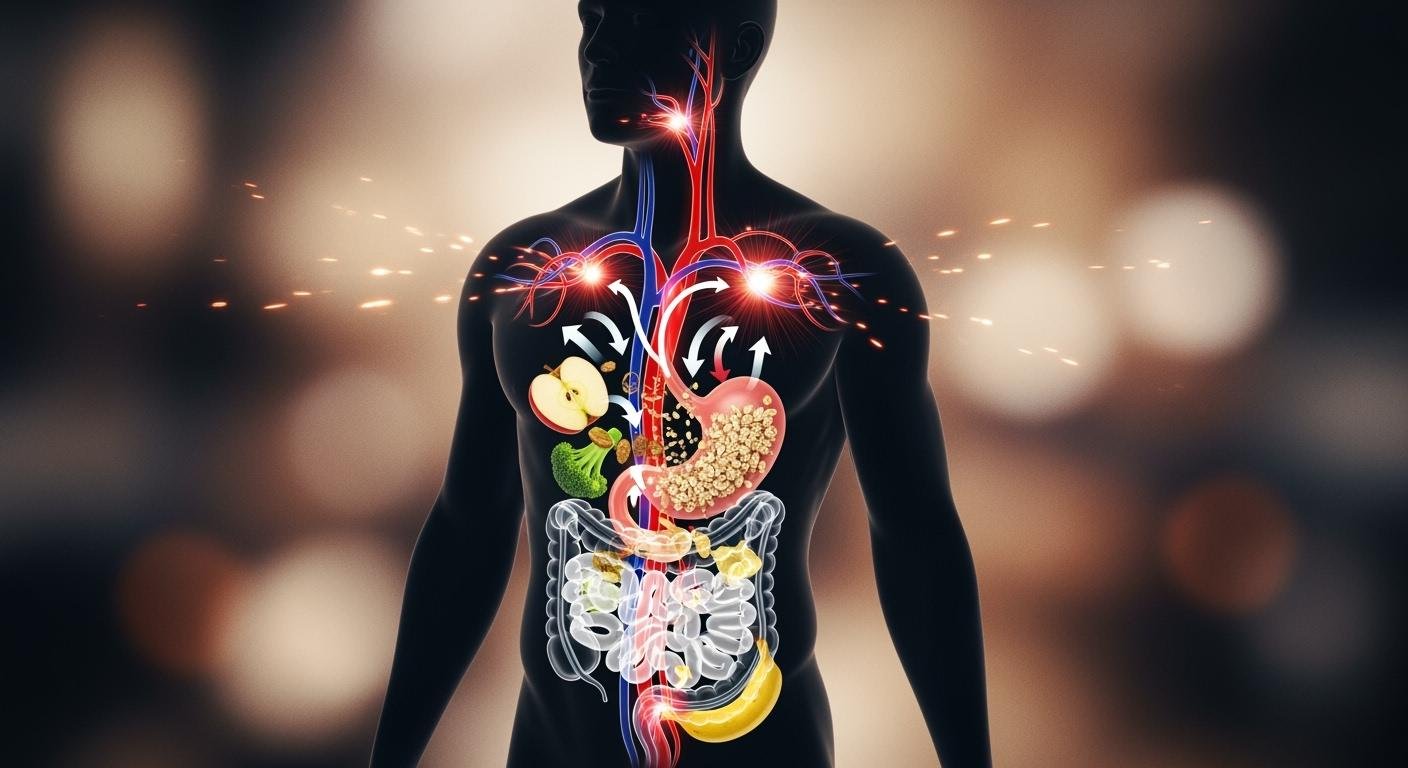
Nutrient absorption is the process where your body takes in nutrients from the food you eat. You break down food to get vitamins, minerals, proteins, fats, and carbohydrates. Your body uses these nutrients to keep your cells healthy and give you energy.
- Nutrient absorption can range from 10% to 90% depending on your body and the type of nutrients.
- Less than 10% of food usually remains unabsorbed.
When you absorb nutrients well, your body can balance energy, support growth, and stay strong. Scientists have found that nutrients help control how your cells work and protect you from diseases.
Digestive Process and Nutrient Absorption
What Happens After Eating
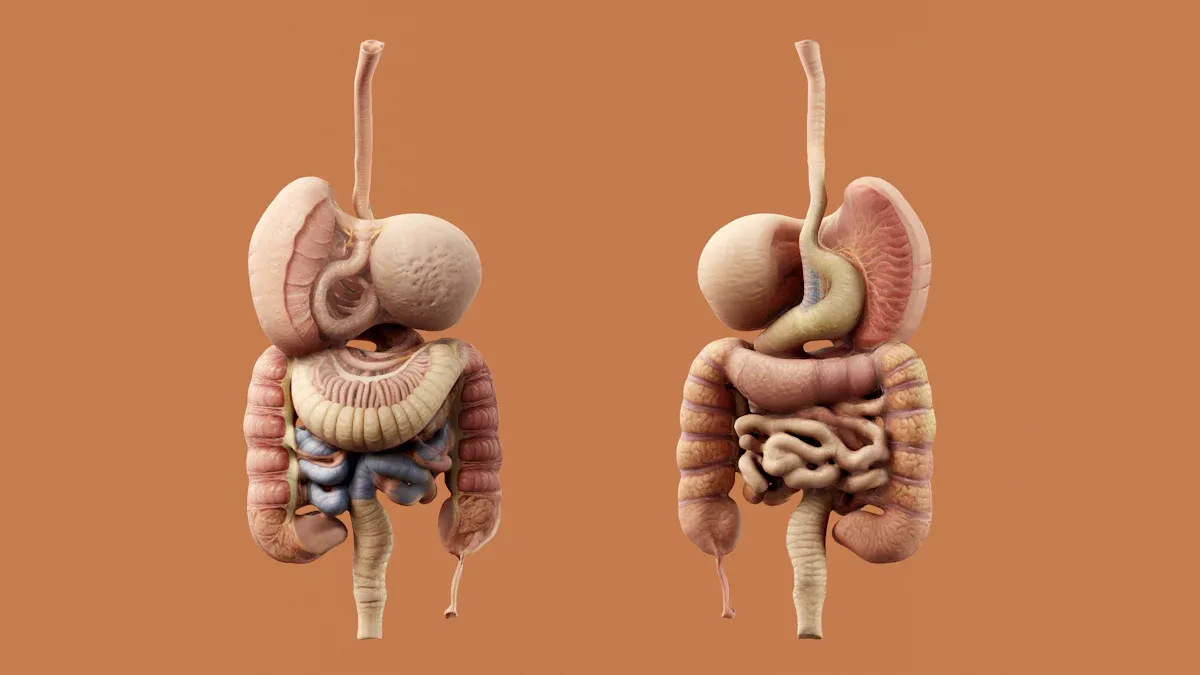
When you eat, your digestive system starts working right away. Your mouth breaks food into smaller pieces, and saliva mixes in to help soften it. As you swallow, food travels down your esophagus and enters your stomach. Water acts as a lubricant, making it easier for food to move through your digestive system. This early stage prepares your body for nutrient absorption by breaking food into manageable parts.
Food Breakdown in the Stomach
Your stomach acts like a powerful mixer. It uses strong acids and digestive enzymes to break down proteins, carbohydrates, and fats. This process is called digestion. Water in your stomach helps mix food with these acids, creating a thick liquid called chyme. Digestive enzymes speed up the breakdown of complex nutrients into smaller, simpler molecules. This step is important because your body can only absorb nutrients in their simplest forms.
- Chemical digestion in the stomach:
- Transforms complex carbohydrates, proteins, and fats into smaller molecules.
- Uses water and enzymes to speed up this process.
- Prepares nutrients for absorption in the next stage.
Small Intestine and Absorption
The small intestine is the main site for nutrient absorption. It has three sections: the duodenum, jejunum, and ileum. Each section plays a special role. The duodenum mixes chyme with bile and enzymes. The jejunum absorbs most nutrients, while the ileum takes in vitamin B12 and bile acids.
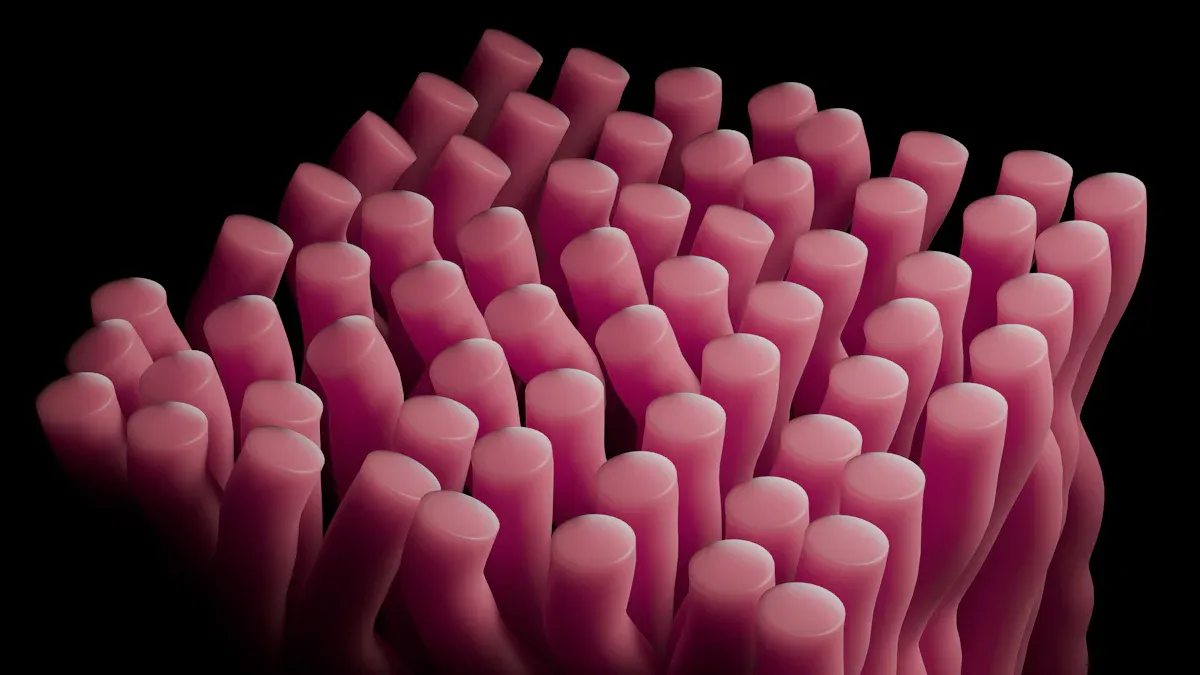
The small intestine has folds, villi, and microvilli that increase its surface area. This design helps your body absorb as many nutrients as possible.
| Section | Function |
|---|---|
| Duodenum | Mixes chyme with digestive enzymes and bile; breaks down food into absorbable components. |
| Jejunum | Main site of nutrient absorption; features villi and microvilli to increase surface area. |
| Ileum | Absorbs vitamins and bile acids; passes undigested material to the large intestine. |
Nutrients pass through the lining of the small intestine and enter your bloodstream or lymphatic system. Water continues to help by keeping the contents moving and making absorption easier. Most nutrient absorption happens in the jejunum, where about 95% of nutrients enter your body. If the lining of your small intestine gets damaged, your body may not absorb nutrients well. This can happen with certain digestive system disorders.
The small intestine’s structure, with its many folds and finger-like projections, makes it very efficient at absorbing nutrients. This process ensures your body gets the vitamins, minerals, proteins, and fats it needs to stay healthy and energized.
How Nutrients Are Absorbed in the Small Intestine
Paracellular and Transcellular Pathways
When you eat, your body uses two main routes to move nutrients across the wall of your small intestine. These are the paracellular and transcellular pathways. The paracellular pathway lets nutrients slip between the cells of your small intestine. This route works best when there are high concentrations of nutrients, such as after a big meal. During active digestion, the paracellular pathway can handle up to 80% of nutrient absorption. In some animals, like small birds, this pathway is even more important. They absorb more nutrients through the spaces between their cells than mammals do.
The transcellular pathway works differently. Here, nutrients pass directly through the cells of your small intestine. This route uses special transporters and channels. For example, glucose uses a transporter called SGLT1 to move through the cell. Water-soluble nutrients, like amino acids and some vitamins, use both pathways. The transcellular pathway is especially important for nutrients that need help from transporters to cross the cell membrane.
Brush Border and Cellular Transport
The inside surface of your small intestine is covered with millions of tiny fingerlike projections called villi and even smaller extensions called microvilli. Together, these structures form the brush border. The brush border increases the surface area of your small intestine, making it easier for your body to absorb nutrients.
| Function | Description |
|---|---|
| Surface Area Increase | The brush border consists of fingerlike projections that enhance the luminal surface area of the small intestine. |
| Enzyme Activity | Contains enzymes that complete the digestion of carbohydrates and proteins, crucial for nutrient absorption. |
Enzymes in the brush border break down complex nutrients into simple forms your body can use. For example:
- Enzymes like lactase break down milk sugar.
- Amylase digests starches into simple sugars.
- Peptidase splits proteins into smaller pieces.
Once these enzymes finish their work, transporters in the cell membrane move the nutrients into the cells. For proteins, the PEPT1 transporter helps absorb small protein pieces called dipeptides and tripeptides. Inside the cell, these pieces break down further into amino acids. Your body then moves these amino acids into the blood.
Entry into Bloodstream and Lymphatic System
After absorption, nutrients must enter your body’s transport systems. Water-soluble nutrients, such as glucose, amino acids, and some vitamins, dissolve in blood. They move into tiny blood vessels called capillaries inside the villi of your small intestine. From there, these nutrients travel to your liver through the hepatic portal vein. Your liver processes and stores them or sends them where your body needs them.
Fat-soluble nutrients, like certain vitamins and fatty acids, follow a different path. They enter special lymph vessels called lacteals, which are also found in the villi. The lymphatic system carries these nutrients, often paired with carrier proteins, to the bloodstream near your heart. Bile acids from your liver help break down fats so your small intestine can absorb them. The lymphatic system then delivers these nutrients to your liver for storage or release.
Tip: Eating a balanced diet with both water-soluble and fat-soluble nutrients helps your body use both absorption pathways efficiently.
Understanding how nutrients are absorbed in your small intestine helps you see why this organ is so important for your health. The small intestine uses smart structures and special pathways to make sure your body gets the energy and building blocks it needs.
Bioavailability of Nutrients and Factors Affecting Absorption
What Is Bioavailability
Bioavailability describes how much of a nutrient in your food gets absorbed and used by your body. You can think of it as the fraction of nutrients that actually reach your cells and help you stay healthy. When you eat, your body breaks down food and tries to absorb as many nutrients as possible. The bioavailability of nutrients depends on both the extent and the speed of absorption. If your body absorbs nutrients quickly and efficiently, you get more benefits from the nutrient content in your meals.
Bioavailability also includes how well your body keeps and stores nutrients after absorption. Some foods have high bioavailability, so your body can use most of their nutrients. Other foods may have lower bioavailability, meaning your body absorbs less. Understanding bioavailability helps you choose foods that support healthy nutrient absorption and improve the efficiency of digestion.
Factors That Influence Absorption
Many factors affect how well your body absorbs nutrients. Age, digestive health, medical conditions, and even medications can change the bioavailability of nutrients. As you get older, your stomach produces less acid. This can make it harder to absorb vitamin B12, calcium, iron, and magnesium. Digestive problems like atrophic gastritis also lower stomach acid and reduce vitamin B12 absorption. Medical conditions such as vitamin D deficiency can decrease calcium absorption.
| Factor | How It Influences Absorption |
|---|---|
| Age | Reduced stomach acid affects absorption of vitamin B12, calcium, iron, and magnesium. |
| Digestive Health | Conditions like atrophic gastritis decrease vitamin B12 absorption. |
| Medical Conditions | Vitamin D deficiency lowers calcium absorption, especially in older adults. |
Medications play a role in nutrient absorption, too. Some drugs can block or reduce the absorption of vitamins and minerals.
| Medications | Effects on Nutrient Absorption |
|---|---|
| Diuretics, corticosteroids | Can lower potassium levels |
| Certain antibiotics | Reduce iron absorption |
| Proton pump inhibitors | Decrease absorption of vitamin B12, vitamin C, iron, calcium, and magnesium |
If your body does not absorb nutrients well, you may notice symptoms like abdominal discomfort, frequent diarrhea, bad-smelling stools, weight loss, or skin rashes. Over time, poor nutrient absorption can cause deficiencies in vitamins and minerals. This may affect your bones, skin, hair, and immune system.
According to recent studies, nutrient absorption disorders are becoming more common worldwide. South Asia has the highest rates, but these disorders can affect anyone.
Improving Nutrient Absorption
You can take steps to boost the bioavailability of nutrients in your diet. Simple changes in how you prepare and eat food can make a big difference. Cooking methods like soaking, germination, and fermentation help break down phytates, which block iron absorption. Adding phytase to foods or timing your meals carefully can also improve iron uptake.
| Strategy | How It Helps Nutrient Absorption |
|---|---|
| Phytate degradation | Soaking, germination, and fermentation reduce phytate, boosting iron absorption. |
| Timing of food intake | Eating at regular times helps your body absorb nutrients more efficiently. |
| Adding phytase | Using phytase in foods lowers phytate levels, improving iron absorption. |
- Eating foods rich in vitamin C, vitamin A, or beta-carotene helps your body absorb more iron.
- Pairing meat, fish, or poultry with other foods increases iron uptake.
- Taking iron supplements with orange juice or a vitamin C supplement can boost absorption.
The timing of your meals matters. Your body’s internal clock controls how well you absorb nutrients. Eating at regular times helps your gut send signals to your brain, improving digestion and absorption. Disrupting your meal schedule can affect hormone levels and lead to health problems like obesity or heart disease.
If you want healthy nutrient absorption, choose foods with high bioavailability and pay attention to how you prepare and combine them. Watch for signs of poor absorption, such as digestive discomfort or skin changes. Small changes in your diet and routine can help your body get the most from the nutrients you eat.
Special Cases in Nutrient Absorption
Blood-Brain Barrier
Your brain needs a steady supply of nutrients to work well. The blood-brain barrier acts like a security gate. It protects your brain by letting in only certain nutrients and blocking harmful substances. This barrier uses special transporters to move nutrients, such as glucose, into the brain. The GLUT1 transporter helps glucose enter brain cells, and you find more of these transporters in the brain than in other parts of your body. Tight junctions in the barrier stop water-soluble nutrients from slipping between cells. Instead, your brain relies on carrier-mediated transport to get amino acids and other important nutrients. This selective process keeps the brain’s environment stable and supports healthy nutrient distribution.
The blood-brain barrier makes sure your brain gets what it needs while keeping out toxins and unwanted chemicals.
Fat-Soluble vs Water-Soluble Nutrients
Your body absorbs fat-soluble and water-soluble nutrients in different ways. Water-soluble vitamins, like vitamin C and B vitamins, move directly into your bloodstream. They use passive diffusion or active transport and do not need carriers or emulsifiers. Fat-soluble vitamins, such as vitamins A, D, E, and K, need a different process. Your body combines them with bile salts to form micelles. These micelles help the vitamins enter cells, where they get packaged into chylomicrons. You absorb fat-soluble vitamins best when you eat them with foods that contain dietary fat.
| Nutrient Type | Absorption Mechanism | Requirements |
|---|---|---|
| Water-Soluble Vitamins | Absorbed directly into the bloodstream via passive diffusion or active transport. | Do not require carriers or emulsifiers. |
| Fat-Soluble Vitamins | Incorporated into micelles with bile salts, then packaged into chylomicrons. | Require bile salts for emulsification. |
| Evidence Description | Source Link |
|---|---|
| Dietary fat serves as a carrier of fat-soluble vitamins and aids in their absorption. | ScienceDirect |
| Fat-soluble vitamins are better absorbed when consumed with dietary fat. | Healthline |
| The body absorbs fat-soluble vitamins best with higher-fat foods. | Medical News Today |
Tip: Eating a meal with healthy fats helps your body absorb fat-soluble vitamins more efficiently.
You help your body get the most from food by following a few simple steps:
- Chew food well to start digestion.
- Add healthy fats to vegetables for better vitamin absorption.
- Eat prebiotics and probiotics together for gut health.
- Keep fruit and vegetable peels for extra nutrients.
Understanding nutrient absorption helps you make smart choices. A healthy gut supports strong nutrient uptake and lowers health risks. Try small changes, like pairing vitamin C-rich foods with iron or adding fermented foods, to boost your well-being.
FAQ
What foods help your body absorb nutrients better?
You can boost absorption by eating a mix of fruits, vegetables, whole grains, and healthy fats. Pair vitamin C-rich foods like oranges with iron-rich foods like spinach. Add healthy oils to salads for better vitamin absorption.
Can drinking water affect nutrient absorption?
Drinking water helps move food through your digestive system. You should drink enough water each day. Too much water during meals may dilute stomach acid, but normal amounts support healthy digestion.
Why do some people have trouble absorbing nutrients?
Some people have digestive issues like celiac disease or lactose intolerance. These conditions damage the gut lining or block enzymes. You may notice symptoms like stomach pain or tiredness if your body does not absorb nutrients well.
How can you tell if your body is not absorbing nutrients?
You may feel tired, lose weight, or notice changes in your skin, hair, or nails. Frequent diarrhea or stomach pain can also signal poor absorption. If you see these signs, talk to your doctor.
See Also
Understanding Buffered Chelated Magnesium Glycinate: Benefits and Science
Timeframe for Vitamins and Supplements to Become Effective
Duration for Naxttii Health Vitamins to Show Results
Defining Chelated Magnesium Glycinate: Uses and Advantages Explained
Understanding Amylase: Its Role in Digestion and Supplement Benefits