


Digestive health means your body can break down food, absorb nutrients, and remove waste without trouble. You might not think about your gut every day, but it plays a big role in how you feel. More than 40% of adults around the world have stomach or gut problems. If you feel tired after meals or notice your mood change when your stomach feels off, you are not alone.
| Aspect of Well-Being | Impact of Digestive Health |
|---|---|
| Energy Levels | Nutrient absorption regulates energy levels. |
| Mood | Gut microbiome influences hormone production, affecting mood and stress responses. |
| Overall Well-Being | A healthy gut supports the immune system, reducing inflammation and exhaustion. |
The Digestive System Explained
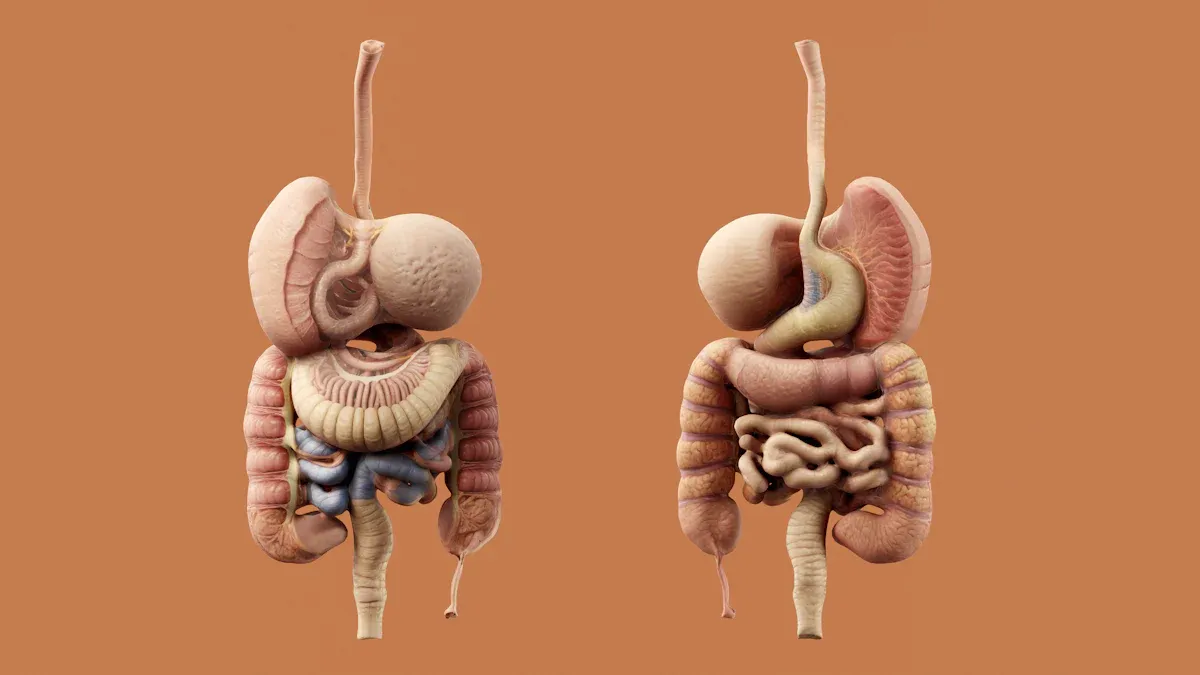
How the Digestive System Works
You use your digestive system every time you eat or drink. This system breaks down food, absorbs nutrients, and removes waste. The digestive system starts at your mouth and ends at your rectum. Each organ in the digestive system has a special job. You can see the main organs and their functions in the table below:
| Organ | Primary Function |
|---|---|
| Mouth | Entry point for food; mechanical and chemical digestion |
| Pharynx | Connects mouth to esophagus; helps with digestion and breathing |
| Esophagus | Moves food to the stomach |
| Stomach | Stores food and releases digestive juices |
| Small Intestine | Absorbs nutrients into the bloodstream |
| Large Intestine | Absorbs water and forms waste |
| Liver | Stores energy and removes toxins |
| Pancreas | Makes hormones and enzymes for digestion |
Your digestive system uses enzymes to break down carbohydrates, proteins, and fats. Carbohydrates become simple sugars. Proteins turn into amino acids. Fats break down into fatty acids and glycerol. Most nutrients enter your blood through the small intestine. Water and some vitamins get absorbed in the stomach and large intestine.
Why the Digestive System Matters
You need a healthy digestive system to get energy and nutrients from food. This system also protects you from harmful germs. About 80% of your immune cells live in your digestive system. The intestinal barrier keeps out toxins and bad microbes. Your gut bacteria work with your immune cells to control inflammation and fight illness.
A healthy digestive system helps you feel energetic and strong. If your digestive system does not work well, you may feel tired or get sick more often. You can support your digestive system by eating well, staying active, and managing stress. When you care for your digestive system, you help your whole body stay healthy.
Common Digestive Health Issues
Signs of Digestive Problems
You may notice when your digestive system is not working as it should. Your body gives you signals that something is off. Some of the most common signs include:
- Bloating
- Constipation
- Diarrhea
- Gas
- Stomach pain
- Stomach cramps
If you often feel these symptoms, your gut may need extra care. You might wonder about the signs of a healthy digestive system. When your digestion works well, you have regular bowel movements, little to no pain, and steady energy throughout the day. You also feel comfortable after eating and rarely experience bloating or cramps.
Tip: Pay attention to changes in your digestion. Early action can help you avoid bigger issues later.
Frequent Digestive Health Concerns
Many people around the world deal with digestive issues every day. Some of the most common digestive health problems include irritable bowel syndrome (IBS) and gastroesophageal reflux disease (GERD). IBS affects about 10% to 20% of adults and teens. GERD also impacts 10% to 20% of people in Western countries. Nearly 36% of people with GERD also have IBS.
Digestive diseases are a global concern. In 2019, experts estimated over 2 billion cases worldwide. These conditions caused millions of deaths and affected daily life for many. Alcohol use is a major factor in digestive disease rates. Some regions, like Central Asia and Sub-Saharan Africa, have seen the biggest increases in recent years.
You can look for the signs of a healthy digestive system to know if your gut is on track. If you notice problems, talk to a healthcare provider. Early support can help you manage symptoms and improve your quality of life.
Daily Habits for Good Digestive Health
Building daily habits can make a big difference in how your digestive system works. You can support your gut by making smart choices about what you eat, how much water you drink, how you move, and how you manage stress and sleep.
Balanced Diet Tips
You can start with your plate. A balanced diet gives your body the nutrients it needs for maintaining digestive health. Choose foods that feed your gut bacteria and help your body break down food. The Mediterranean diet is a great example. It includes fruits, vegetables, whole grains, nuts, seeds, and healthy fats. This diet increases the number and variety of good bacteria in your gut. It also lowers inflammation and reduces the risk of digestive diseases like Crohn disease. In contrast, the Western diet, which has a lot of processed foods and refined carbohydrates, can raise inflammation and increase the risk of chronic diseases.
| Dietary Pattern | Effects on Digestive Health |
|---|---|
| Mediterranean Diet | Increases gut bacteria diversity, lowers inflammation, reduces risk of Crohn disease |
| Western Diet | Raises inflammation, increases risk of chronic diseases due to processed foods and refined carbohydrates |
Fiber is another key part of a healthy diet. You should aim for the right amount each day:
- Women: 25 to 28 grams of fiber daily
- Men: 28 to 34 grams of fiber daily
- Most people: About 14 grams of fiber for every 1,000 calories eaten
You can get fiber from fruits, vegetables, beans, and whole grains. Fiber helps food move through your digestive tract and feeds the good bacteria in your gut. This process creates short-chain fatty acids, which keep your gut lining strong and healthy.
Tip: Try adding a new fruit or vegetable to your meals each week. This can help you reach your fiber goals and support your gut microbiome.
Hydration and Activity
Water helps your body digest food and absorb nutrients. You need enough water each day to keep things moving in your digestive system. The National Academy of Medicine suggests about 13 cups for men and 9 cups for women daily. If you exercise a lot or live in a hot place, you may need more. If you eat a high-fiber diet, you should also drink extra water to help your body process the fiber.
Regular physical activity is just as important as what you eat and drink. Exercise helps your gut bacteria stay healthy, which is key for nutrient absorption and overall digestive health. Moving your body lowers your risk of problems like GERD, colon cancer, and inflammatory bowel disease. It also helps you keep a healthy weight and reduces stress, which can harm your gut.
- Exercise improves gut microbiota and helps your body absorb nutrients.
- Physical activity lowers your risk of digestive diseases.
- Staying active helps you manage your weight and stress.
Note: Even a daily walk can help your digestive system work better.
Sleep and Stress Management
Sleep gives your body time to repair and process nutrients. During deep sleep, your body balances hormones that control appetite and metabolism. If you do not get enough sleep, you may crave unhealthy foods and upset your gut bacteria. Poor sleep can lead to more inflammation and a weaker immune system. This can make you more likely to have gut problems.
Stress also affects your digestive system. When you feel stressed, your body can speed up or slow down digestion. This can cause diarrhea, constipation, nausea, or pain. Stress can also upset the balance of bacteria in your gut and make digestive problems worse. Chronic stress may even weaken your immune system, making you more likely to get gut infections.
You can try these simple steps to support your gut:
- Go to bed at the same time each night.
- Limit screen time before sleep.
- Practice deep breathing or gentle stretching to relax.
- Spend time outside or talk with friends to lower stress.
Tip: Small changes in your sleep and stress habits can lead to better digestive health over time.
A healthy gut microbiome is the foundation for maintaining digestive health. Your gut bacteria help break down complex foods, produce nutrients, and protect your gut lining. By eating well, staying hydrated, moving your body, sleeping enough, and managing stress, you give your gut the best chance to stay strong.
Foods for Digestive Health

Foods to Include
You can improve your digestive health by choosing foods that feed good bacteria and help your gut work well. Many fruits, vegetables, whole grains, and lean proteins support your gut. These foods give your body fiber, vitamins, and minerals. Fiber helps food move through your system and keeps your gut bacteria healthy.
Here are some top foods that support your gut:
| Food Type | Examples | Benefit for Gut Health |
|---|---|---|
| Fruits | Asian pear, raspberries, blackberries, bananas | High in fiber, feed good bacteria |
| Vegetables | Artichoke hearts, green peas, spinach | High in fiber, support regular digestion |
| Whole Grains | Brown rice, quinoa | Help keep your gut moving and feed gut bacteria |
| Lean Proteins | Chicken, fish, eggs | Easy to digest, support muscle and tissue repair |
| Fermented Foods | Yogurt, kefir, sauerkraut, kimchi | Add good bacteria to your gut |
| Prebiotic Foods | Asparagus, artichokes, bananas, oatmeal, leeks | Feed and grow healthy gut bacteria |
A diet rich in fiber, vegetables, and fruits helps your gut microbiome stay strong. You can see how much fiber is in some top fruits for your gut:

Tip: Try to eat a variety of fruits and vegetables each week. This gives your gut many types of fiber and nutrients.
Fermented foods like yogurt and kimchi add good bacteria to your gut. Prebiotic foods, such as asparagus and oatmeal, feed these bacteria. Both types help your gut stay balanced and healthy.
Some special diets, like the Specific Carbohydrate Diet (SCD) and Exclusive Enteral Nutrition (EEN), can help people with certain gut problems. You should talk to your doctor before starting any special diet.
Foods to Limit or Avoid
Some foods can upset your stomach or make gut problems worse. You may notice gas, bloating, or pain after eating certain things. Processed foods and foods high in sugar can harm your gut bacteria and cause inflammation. Too much sugar can feed harmful bacteria and yeast, which may lead to more stomach issues.
Here are some foods that often cause digestive discomfort:
| Food Type | Symptoms Associated |
|---|---|
| Dairy Products | Gas, bloating, diarrhea (lactose intolerance) |
| Fried Foods | Bloating, gas, acid reflux |
| Spicy Foods | Belly pain, cramps, diarrhea |
| Certain Fruits | Bloating, gas, diarrhea (high fructose content) |
| Wheat and Grains | Bloating, constipation, gas, abdominal pain (gluten) |
You may also want to limit:
- Dried fruit
- Wine and beer
- Apple cider
- Canned vegetables
- Pickled foods
- Potato chips
- Baked goods
- Condiments
- Tea (if you notice discomfort)
Note: Everyone’s gut is different. You may react to some foods more than others. Keep a food diary to track what works best for you.
Processed foods and excess sugar can cause problems for your gut. They can lower the number of good bacteria and increase inflammation. This can lead to constipation, bloating, and other digestive issues. Try to choose whole foods most of the time and save sweets and fried foods for special occasions.
You can support your digestive health by eating more fiber, choosing whole foods, and limiting processed snacks and sugary drinks. Small changes in your diet can make a big difference for your gut.
When to Seek Help
Warning Signs
You should know when your digestive symptoms need medical attention. Some signs mean you should not wait to see if things get better on their own. Here are important warning signs to watch for:
- Chronic heartburn that happens two or more times a week.
- Unexplained weight loss without changes in your diet or exercise.
- Persistent abdominal pain and bloating that disrupt your daily life.
- Changes in bowel habits like ongoing constipation, diarrhea, or changes in stool color.
- Rectal bleeding or blood in your stool.
- Difficulty swallowing (dysphagia).
- Persistent nausea or vomiting without a clear cause.
- Excessive gas with pain or bloating.
- Family history of gastrointestinal cancer.
- You are due for a colonoscopy for early detection of colorectal cancer.
If you have severe or unrelenting abdominal pain, or if symptoms last more than 48 hours without relief, you should seek medical help. Symptoms like nausea, vomiting, constipation, or a bulge in your abdominal wall also mean you need to see a doctor soon.
Tip: Do not ignore these signs. Early action can help prevent serious problems.
Medical Support for Digestive Health
Many healthcare professionals can help you with digestive issues. Each one has a special role in your care.
| Healthcare Professional | Involvement in Digestive Health |
|---|---|
| Gastroenterologists | Diagnose and treat digestive disorders |
| Nurses | Help manage symptoms and provide support |
| Dietitians | Guide you on healthy eating for your gut |
| General Practitioners | Address common digestive concerns |
| Pharmacists | Advise on medications for digestive health |
| Surgeons | Perform procedures for certain conditions |
Gastroenterologists have special training in digestive health. They can diagnose and treat problems like IBS, IBD, and celiac disease. Dietitians help you choose foods that support your gut. Nurses and pharmacists can answer questions about symptoms and medicines.
Doctors use different tests to find out what is wrong. Some common tests include:
| Test Name | Purpose | Description |
|---|---|---|
| Endoscopy | Looks at your upper digestive tract | A thin tube with a camera goes down your throat |
| Colonoscopy | Checks your large intestine | A flexible scope goes through your rectum |
| Stool tests | Finds blood or germs in your stool | You give a sample for the lab to check |
| Breath tests | Measures gases for digestive disorders | You drink a solution and breathe into a tube |
Treatment depends on your diagnosis. You may need dietary changes, medicine, or lifestyle adjustments. Sometimes, you can manage mild symptoms at home with rest and hydration. For ongoing or severe symptoms, your doctor will create a plan just for you.
Note: You do not have to manage digestive problems alone. Medical support can help you feel better and protect your health.
You can support digestive health by making simple changes each day. Try these easy steps:
- Add more fruits, vegetables, and whole grains to your meals.
- Drink enough water and stay active.
- Get plenty of sleep and manage stress.
Small steps lead to big results. A healthy gut helps you feel better, lowers inflammation, and supports your body as you age.
FAQ
What are the best drinks for digestive health?
Water is the best choice. Herbal teas like ginger or peppermint can also help your stomach feel better. Avoid sugary drinks and sodas. These can upset your gut and cause bloating.
How can you tell if your gut is healthy?
You have regular bowel movements, steady energy, and little stomach pain. You rarely feel bloated or gassy. Your mood stays stable. If you notice changes, your gut may need extra care.
Can stress really affect your digestion?
Yes! Stress can upset your stomach and change how your gut works. You may feel cramps, nausea, or changes in your bathroom habits. Try deep breathing or gentle exercise to help manage stress.
Should you take probiotics every day?
You do not need probiotics every day unless your doctor suggests them. Eating foods like yogurt, kefir, and sauerkraut can give you good bacteria naturally. Always talk to your doctor before starting supplements.
What foods help with constipation?
Eat more fiber-rich foods like pears, beans, and whole grains. Drink plenty of water. Move your body each day. These steps help your digestive system work better and keep you regular.
See Also
Discover Methylated Vitamins: Unlocking Optimal Absorption And Health
Understanding Acacia Fiber: Benefits And Family Gut Health Guide
Exploring Bifidobacterium Lactis: Health Benefits And Supplement Tips
Bifidobacterium Longum: Understanding Its Benefits And Supplementation
Betaine (TMG): Definition, Health Advantages, And Supplementation Insights