

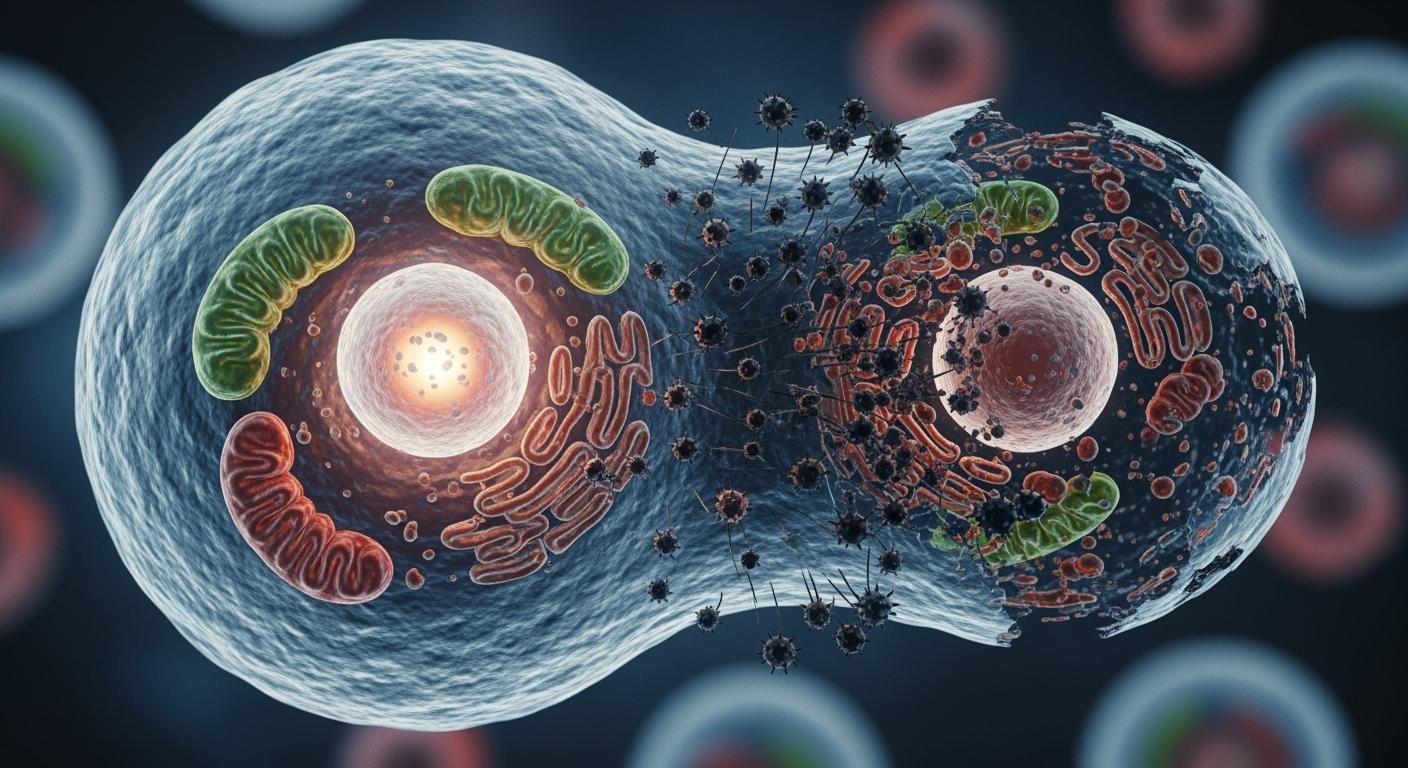
An imbalance called oxidative stress is a key reason our cells experience aging. This happens when unstable molecules called free radicals cause significant cell damage. These harmful molecules create persistent oxidative damage inside your body.
Imagine free radicals as uncontrolled sparks. They inflict oxidative damage on your cellular machinery, causing it to wear out faster.
This type of oxidative damage is a direct result of oxidative stress. The cumulative damage from free radicals and oxidative stress harms your overall health. The impact of oxidative stress is a fundamental part of aging.
The Cellular Damage from Oxidative Stress
Oxidative stress is not a vague concept; it inflicts real, measurable harm inside your body. The constant attack from free radicals causes cumulative oxidative damage to the most vital components of your cells. This process is a primary driver of biological aging. Let’s break down exactly where this damage occurs and how it compromises your cells.
DNA Damage and Telomere Shortening
Your DNA is the blueprint for every cell in your body. Oxidative stress directly attacks this blueprint, creating errors that can have serious consequences for your health. Highly reactive molecules, a byproduct of oxidative stress, can cause breaks and lesions in your DNA strands.
- Hydroxyl radicals, a potent type of free radical, directly modify DNA.
- They often attack guanine, one of the four main bases of DNA.
- This reaction creates lesions that can be measured as oxidative damage markers.
- This type of DNA damage can also cause physical breaks in the DNA strand.
This damage is particularly harmful to telomeres. Telomeres are protective caps at the ends of your chromosomes, much like the plastic tips on shoelaces. They shorten naturally each time a cell divides. Oxidative damage accelerates this process significantly. Because telomeres have a high guanine content, they are a prime target for free radicals. This attack leads to faster telomere shortening, pushing cells toward a state of senescence, where they can no longer divide.
Research has firmly linked telomere length to biological age. Studies show that animals with shorter telomeres experience premature aging. In humans, shortened telomeres are associated with a reduced lifespan and increased health risks. This makes telomere length a key indicator in an individual’s oxidative stress profile.
Protein and Lipid Degradation
Oxidative stress also wages war on the proteins and lipids that form your cellular structures and carry out essential functions. Proteins are the workhorses of the cell, while lipids form the protective cell membrane.
When free radicals attack proteins, they can alter their shape and function. This process, known as carbonylation, is an irreversible form of oxidative damage. Important structural proteins are especially vulnerable.
- Collagen and Elastin: These proteins give your skin its firmness and elasticity. Oxidative damage degrades these fibers, leading to reduced skin elasticity and the formation of wrinkles. This is a clear example of how internal damage manifests as visible aging.
Lipids, particularly those in the cell membrane, are also a major target. This attack is a chain reaction called lipid peroxidation.
- Initiation: A free radical steals an electron from a lipid in the cell membrane, creating an unstable lipid radical.
- Propagation: This new radical reacts with oxygen, starting a chain reaction that damages neighboring lipids.
- Termination: The reaction continues until the radicals are neutralized, often by an antioxidant.
This cascade of damage weakens cell membranes, contributing to widespread cell and tissue damage and promoting inflammation.
Mitochondrial Dysfunction
Mitochondria are the power plants of your cells, responsible for generating about 90% of the energy your body needs in the form of ATP. Unfortunately, they are both a major source and a primary target of free radicals. This creates a devastating feedback loop often called the “vicious cycle” of aging.
The interplay between free radicals, DNA damage, and mitochondrial dysfunction establishes a vicious cycle. An increase in free radical levels and mitochondrial damage ultimately results in a decline in cellular function.
Here’s how the cycle works:
- Mitochondria produce energy, but this process naturally creates free radicals as a byproduct.
- These free radicals inflict oxidative damage on the mitochondria themselves, particularly their DNA (mtDNA).
- Damaged mitochondria become less efficient. They produce less ATP and, critically, generate even more free radicals.
This cycle accelerates biological aging. With less ATP, cells lack the energy to perform their functions correctly, leading to fatigue and reduced vitality. The increased output of free radicals from damaged mitochondria amplifies the overall level of oxidative stress in the body. Long-term oxidative stress from this cycle is a major factor in the decline of cellular health over time. Monitoring oxidative stress markers can provide insight into the extent of this ongoing damage.
Visible Effects of Oxidative Stress and Aging
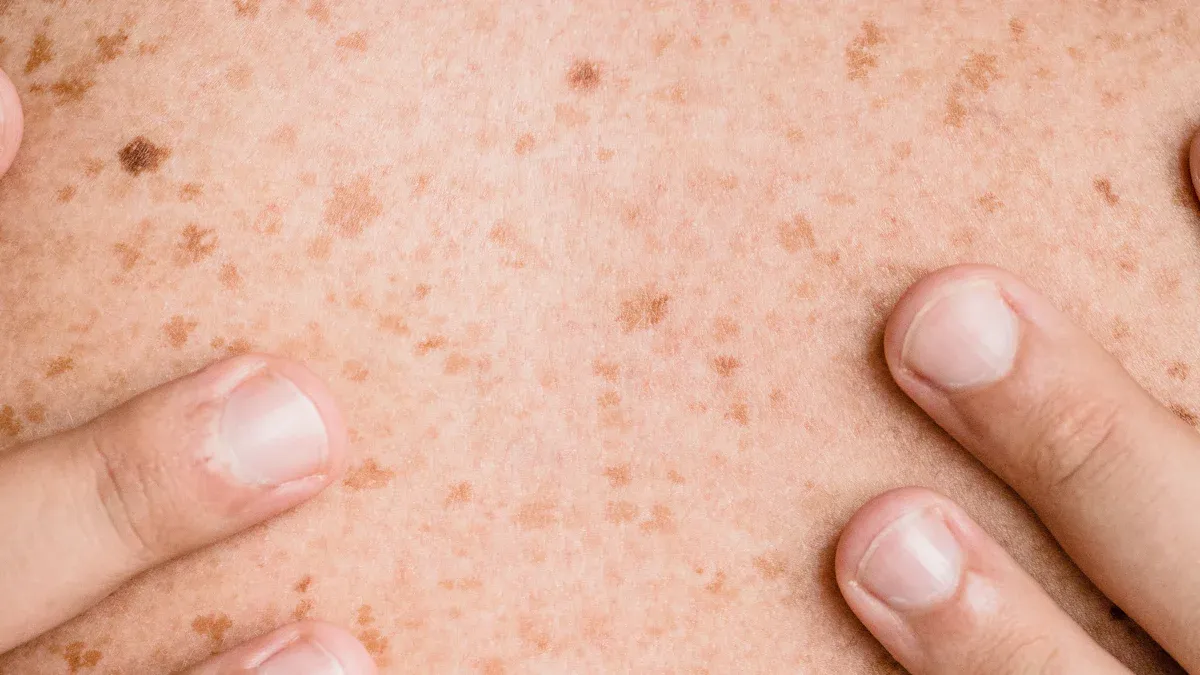
The cellular damage from oxidative stress is not just a microscopic problem. It creates visible and tangible changes in our bodies. These changes affect how we look, how we feel, and our risk for developing serious health conditions. The cumulative oxidative damage contributes directly to biological aging and a shorter health span. Let’s explore the most significant effects of oxidative stress.
Accelerated Skin Aging
Your skin is your body’s first line of defense against the environment, so it often shows the first signs of aging. Oxidative stress is a major cause of premature skin aging. Exposure to UV radiation from the sun is a primary source of free radicals that attack skin cells.
This constant attack leads to significant oxidative damage. Structural proteins like collagen and elastin, which keep skin firm and flexible, are damaged. This process makes them stiff and resistant to normal repair, causing a loss of elasticity. The result is the formation of wrinkles and sagging skin.
Oxidative stress also degrades hyaluronic acid, a molecule that helps keep your skin hydrated. This breakdown can create a cycle of inflammation and further oxidative damage, making your skin look older, faster.
Reduced Energy and Vitality
Do you ever feel tired for no clear reason? The impact of oxidative stress on your mitochondria could be a factor. As we learned, damaged mitochondria become inefficient. They struggle to produce the ATP your cells need for energy. This energy shortage is felt throughout your body.
Mitochondrial dysfunction creates a state of low energy at the cellular level. The body’s ability to produce and recycle energy is impaired. This directly contributes to feelings of fatigue and a general lack of vitality. Studies have shown a clear link between markers of oxidative stress and fatigue. For example, one study found that fatigued patients had higher levels of a substance called F2-isoprostane, a reliable measure of oxidative damage. This shows a direct correlation between higher oxidative stress and lower energy levels, a key part of biological aging.
Increased Chronic Disease Risk
Perhaps the most serious consequence of long-term oxidative stress is an increased risk for numerous age-related diseases. The constant damage to DNA, proteins, and lipids weakens the body’s systems over time, making it more vulnerable to illness. This process shortens a person’s health span.
Cardiovascular Disease Oxidative stress plays a key role in the development of heart disease. It promotes the oxidation of LDL (“bad”) cholesterol, a critical step in the formation of plaque in arteries. The table below shows how specific biomarkers of oxidative damage are linked to cardiovascular health risks.
| Biomarker | Correlation with Cardiovascular Disease Risk |
|---|---|
| Oxidized LDL (ox-LDL) | Positively correlated with the severity of coronary artery disease. |
| F2-isoprostanes (F2-IsoP) | Associated with fatal coronary heart disease and stroke. |
| Asymmetric dimethylarginine (ADMA) | Increases risk of major adverse cardiovascular events in patients. |
| Malondialdehyde (MDA) | Linked to hypertension, lipid imbalance, and mortality in heart failure. |
Neurodegenerative Diseases The brain is highly susceptible to oxidative damage because it uses a lot of oxygen and has a high concentration of fatty acids. Long-term oxidative stress is a major contributor to age-related diseases of the brain, like Alzheimer’s.
- It causes the oxidation of brain proteins and lipids, impairing cell function.
- It contributes to the formation of protein clumps and tangles, which are hallmarks of Alzheimer’s.
- It damages the DNA in brain cells, including mitochondrial DNA, which disrupts energy production.
- Research shows that oxidative damage is an early event in the progression from normal aging to cognitive decline.
Type 2 Diabetes There is a strong link between oxidative stress, chronic inflammation, and type 2 diabetes. High blood sugar levels increase the production of free radicals, leading to more oxidative stress. This creates a vicious cycle.
The oxidative stress stimulates the release of inflammatory molecules. In turn, inflammation increases the production of more free radicals. This cycle of damage can impair the function of pancreatic cells that produce insulin. It also makes the body’s cells more resistant to insulin. Over time, this process contributes to the development and progression of type 2 diabetes and its related complications, affecting overall health and biological aging.
Combating the Impact of Oxidative Stress
While oxidative stress is a natural part of life, you can take steps to manage its impact. Effective lifestyle and dietary measures can strengthen your body’s defenses against oxidative damage. These choices help protect your long-term health and slow the process of aging.
Fortify Defenses with Antioxidant Foods
Your diet is a powerful tool to reduce oxidative stress. A healthy diet rich in fruits and vegetables provides antioxidants that neutralize harmful free radicals. These antioxidants in the body act as your internal defense force.
Certain foods are packed with these protective compounds.
- Blueberries and Acai Berries: These fruits contain antioxidants that help prevent DNA damage.
- Dark Chocolate (70% cocoa or higher): Its antioxidants support cardiovascular health.
- Walnuts: They offer a potent mix of antioxidants that benefit brain and heart health.
Spices and herbs also have very high concentrations of antioxidants. Even small amounts of spices like cloves, oregano, and ginger can significantly boost your intake. The chart below shows the antioxidant capacity of various foods.
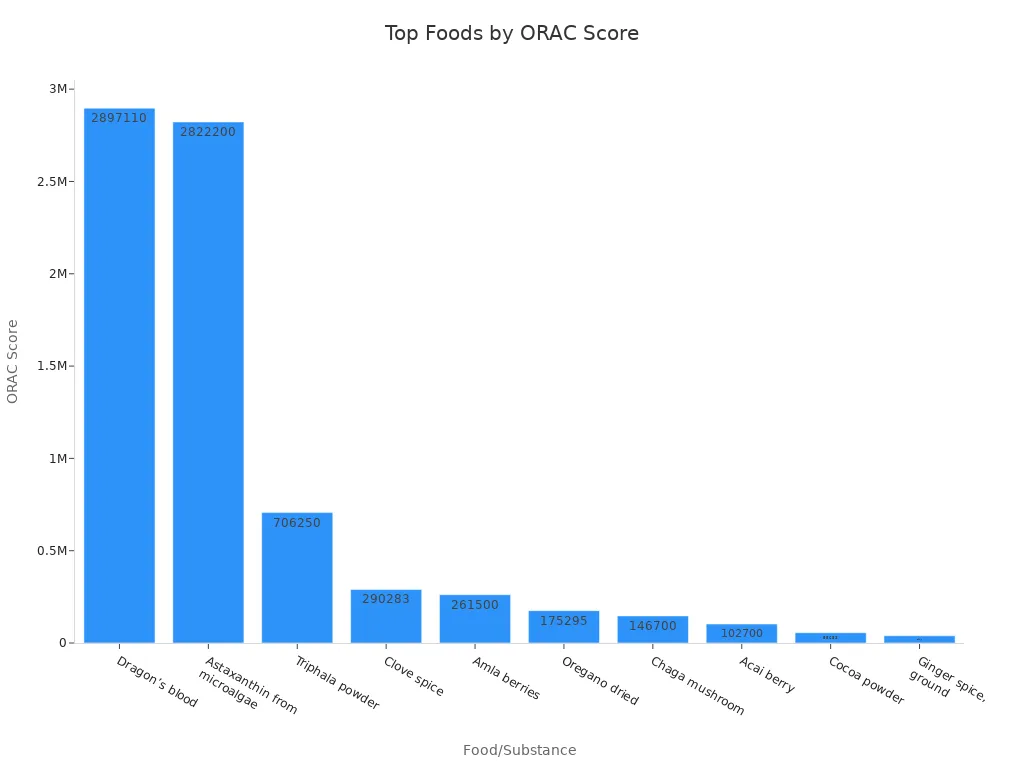
Studies show that a lifelong antioxidant-rich diet is more effective than short-term supplements. Consistently eating a variety of fruits, vegetables, and other antioxidant-rich foods is the best strategy to combat oxidative stress.
Reduce Exposure to Cellular Stressors
Minimizing your exposure to things that cause oxidative stress is just as important as eating well. Many daily habits and environmental factors increase the free radical load in your body, leading to cellular damage.
Common sources of oxidative stress include:
- Smoking and tobacco use
- Excessive alcohol consumption
- A diet high in sugar and processed fats
- Environmental toxins and air pollution
- Sun exposure (UV radiation)
UV radiation is a major cause of oxidative damage to the skin. When UV rays hit your skin, they create a rush of free radicals. This process damages skin proteins and DNA, accelerating skin aging. You can protect yourself by limiting sun exposure and using sunscreen. Simple actions like staying indoors on high-pollution days can also lower your exposure to environmental damage.
Oxidative stress accelerates aging by inflicting cumulative oxidative damage on your cells. This process harms vital components like DNA, proteins, and mitochondria, leading to visible signs of aging and increased health risks.
You have the power to manage this impact. Proactive dietary and lifestyle choices are your best defense against ongoing oxidative damage. These actions protect your long-term health, slow the aging process, and are key to promoting longevity.
FAQ
What are free radicals?
Free radicals are unstable molecules. They are missing an electron. This makes them steal electrons from healthy cells. This theft causes cellular damage and contributes to oxidative stress. The damage accelerates the aging process.
Can I stop oxidative stress completely?
No, you cannot stop oxidative stress entirely. It is a natural result of your body’s metabolism. You can, however, manage its impact. A healthy diet and lifestyle choices help reduce the overall level of damage.
What is the best way to get antioxidants?
Eating a variety of colorful fruits and vegetables is the best method. Foods like berries, walnuts, and dark chocolate are excellent sources.
A consistent, healthy diet provides better long-term protection against oxidative damage than relying only on supplements.
How does the sun cause oxidative stress?
The sun emits UV radiation. These rays hit your skin and create a surge of free radicals. These free radicals damage important skin proteins like collagen. This damage directly leads to wrinkles and accelerated skin aging.
See Also
Astaxanthin: Unveiling Its Definition, Mechanisms, and Health Advantages
Alpha Lipoic Acid: Understanding Its Role in Your Wellness Journey
Protein and ADHD: A Scientific Guide for Health-Conscious Families
5-MTHF Supplement: Science-Backed Benefits for Enhanced Modern Wellness
Opti-Folate L-Methylfolate Review: Science-Backed Folate for Contemporary Wellness