

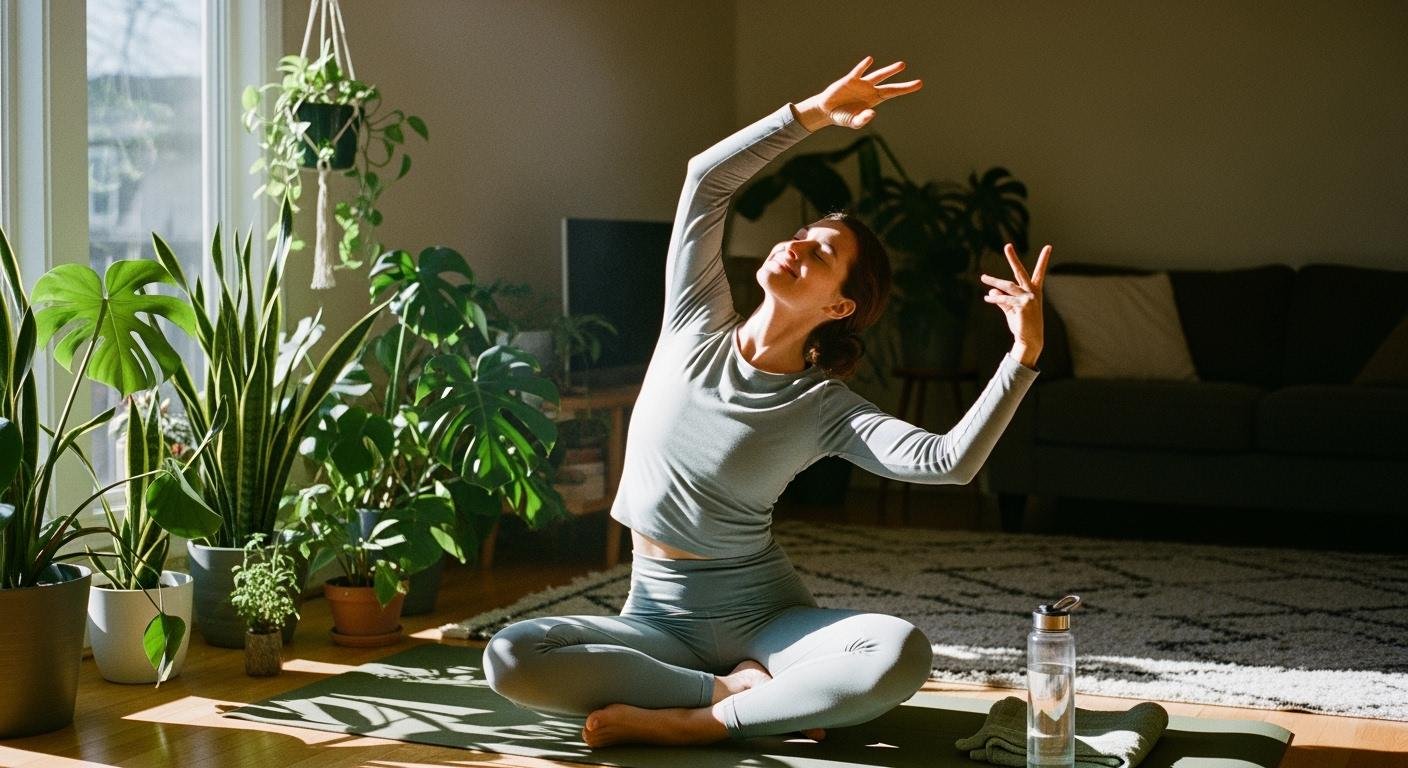
You start a new regular fitness routine with excitement. Then, life gets in the way. You are not alone. Over 63% of people quit the gym within three months. The path to a sustainable fitness routine is not about more willpower. It’s about a better strategy.
Your journey to consistent fitness begins with a smart plan, not a punishing routine. You can build a love for movement that lasts.
Build the Foundation for Your Sustainable Fitness Routine
Before you even think about a workout, you must build a strong mental foundation. Your mindset is the most powerful tool for creating a sustainable fitness routine. This journey starts with understanding yourself.
Identify Your Fitness Fears
Your past experiences can create fear. Many people worry about judgment at the gym, a feeling sometimes called ‘gymtimidation’. You might feel like all eyes are on you. You may also dwell on past attempts at fitness that did not last. These feelings are normal. Acknowledging them is your first step toward overcoming them. Your fitness journey is personal. It is not a performance for others.
Set Realistic and Measurable Goals
Next, you need to set achievable goals. Forget vague ideas like “get in shape.” Instead, make your goals specific and measurable. This approach gives you a clear path to success and improves your long-term health.
Tip: Try creating a paper-clip chain! Move one paper clip from one jar to another for each completed workout. This simple visual cue makes your progress tangible and builds motivation.
For example, you could aim to complete a 20-minute walk three times a week. Tracking your progress helps you see how far you have come. Celebrating small wins builds confidence for your fitness journey.
Redefine What ‘Fitness’ Means to You
Fitness is not just about intense gym sessions. The World Health Organization defines physical activity as any bodily movement that uses energy. This broadens the scope of what counts toward your health and well-being. Your new fitness plan can include many activities.
- Dancing in your living room
- Vigorous gardening or housework
- Playing a sport you love
- Taking a brisk walk during your lunch break
Finding joy in movement is the secret to a sustainable fitness routine. When you love what you do, consistency becomes effortless.
Find Movement You Genuinely Enjoy
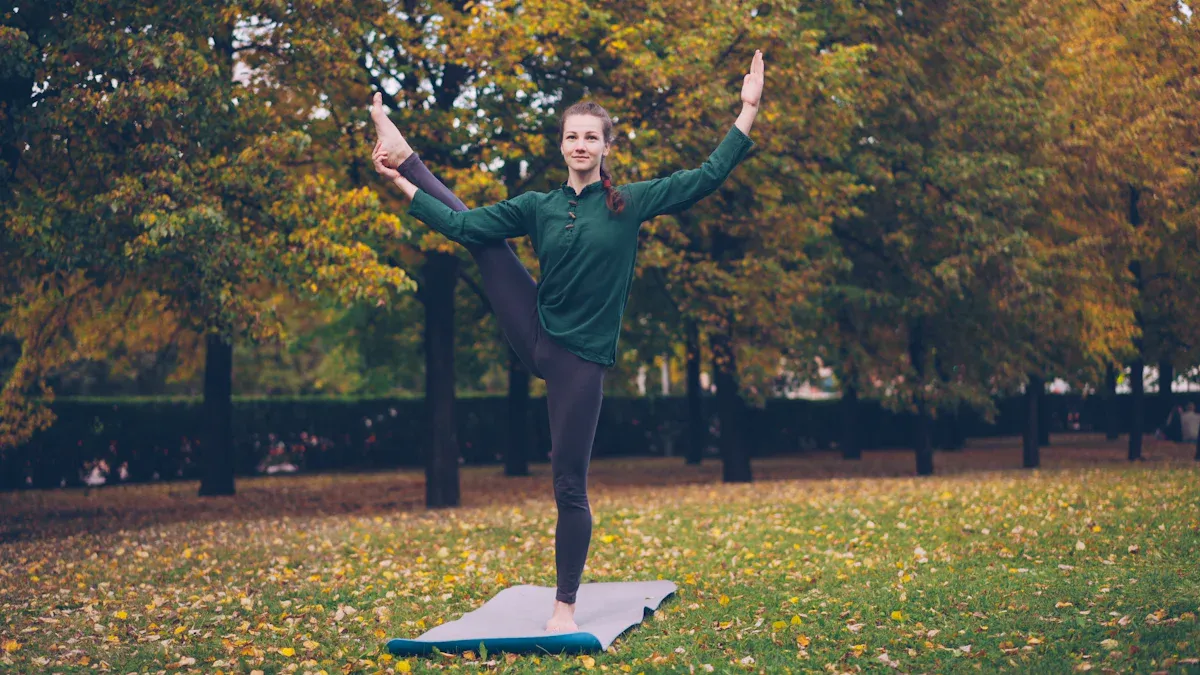
You have built your mental foundation. Now it is time for the fun part. You will discover activities that feel less like a chore and more like a reward. The key to consistency is finding an exercise you truly love.
Explore Different Activities
Your fitness journey is a chance to explore. Step outside your comfort zone and try something new. The world of movement is vast and exciting. You might discover a passion you never knew you had. Consider these popular options:
- Strength Training: This is one of the fastest-growing activities, especially for women.
- Community Sports: Activities like volleyball and soccer have seen huge spikes in interest.
- Music-Themed Classes: Fun, high-energy classes set to your favorite artists make exercise feel like a party.
Match Movement to Your Lifestyle
Your personality can guide your fitness choices. Some people thrive in group settings, while others prefer to exercise alone. Finding a good fit will improve your overall health and make your routine more enjoyable. Consider which style suits you best.
| Personality Trait | Preferred Exercise Style |
|---|---|
| Extroverts | Group classes, team sports, high-energy settings |
| Introverts | Solo activities like running, yoga, or home workouts |
| Conscientious | Structured, goal-oriented plans and routines |
| Open-minded | Varied routines and trying new, novel activities |
A busy schedule does not have to stop you. The rise of hybrid fitness models and efficient workouts like HIIT makes working out at home a great choice. You can get a powerful session in a short amount of time.
Create a Supportive Environment
Sharing your journey can make a huge difference. A study from the University of Aberdeen found that a supportive partner increases the amount of exercise people get. An accountability buddy provides motivation and makes your commitment stronger. You are less likely to skip a session when someone is counting on you. This support also has a positive impact on your mental health.
If you prefer solo workouts, you can still find community. Online fitness apps and groups offer encouragement and connection. Sharing your progress with others online can give you the boost you need to keep going.
Create Your Sustainable Workout Routine

You have the right mindset and ideas for enjoyable movement. Now, you will put it all together into a practical plan. This is where you design a sustainable workout routine that fits your life and helps you reach your goals.
Assess Your Current Fitness Level
Before you jump into a new exercise program, you need to know your starting point. Assessing your current fitness level helps you choose the right activities and avoid injury. It gives you a baseline to measure your amazing progress. You can perform these simple tests at home.
Tip: Always warm up with 5-10 minutes of light movement, like walking or jogging in place, before performing any fitness assessment.
Cardiovascular Health & Endurance
- 12-Minute Run/Walk (Cooper Test): See how far you can run or walk in 12 minutes. This test estimates your VO2 max, a key indicator of heart health. A higher score is linked to a longer, healthier life.
- Resting Heart Rate: Check your pulse for one minute right after you wake up, before getting out of bed. Do this for several days to find your average. A lower resting heart rate often means your heart is more efficient.
Flexibility & Mobility
- Sit-and-Reach Test: This test measures the flexibility of your hamstrings and lower back. Sit on the floor with your legs straight out. Place a yardstick between your legs, with the 15-inch mark at your heels. Reach forward slowly and note how far you can stretch.
- Ankle Flexibility Test: Face a wall and place your big toe against it. Keeping your heel on the floor, lean forward. Slowly move your foot back until your heel just starts to lift. The distance from your toe to the wall shows your ankle mobility, which is important for squats and preventing injury.
Start Small and Progress Gradually
Your journey to better health does not require you to run a marathon tomorrow. The key is to start small and build momentum. Health authorities recommend at least 150 minutes of moderate-intensity exercise per week. You can break this down into manageable chunks.
- Start with 15-20 minute workouts three times a week.
- Try three 10-minute “exercise snacks” throughout your day. Even a 5-minute session is better than none!
- Incorporate two days of muscle-strengthening activities for all major muscle groups.
Once you feel comfortable, you can gradually make your workouts more challenging. This principle is called progressive overload. It is the secret to getting stronger and avoiding plateaus. You can apply it in several ways:
- Increase Weight: Add a small amount of weight (5-10%) to your strength exercises.
- Add Reps or Sets: Do one more repetition or an extra set of an exercise.
- Improve Form: Slow down your movements to increase muscle engagement.
- Reduce Rest Time: Shorten the rest period between your sets.
This gradual approach makes your new routine feel achievable and builds your confidence.
Schedule It Like an Appointment
Your health is a priority. You should treat your exercise time with the same importance as a work meeting or a doctor’s appointment. When you schedule your workouts, you remove the guesswork and decision fatigue.
Behavioral science shows that exercising at a consistent time each day helps form a strong habit. Many people find success with morning exercise. Your self-control is often highest in the morning, and fewer distractions can get in your way.
What if you feel tempted to skip? Have a backup plan. If you don’t have time for a 30-minute session, do a 10-minute walk or a quick bodyweight circuit. The goal is consistency, not perfection.
Scheduling your workouts makes them a non-negotiable part of your week. It is a powerful commitment to your well-being.
Listen to Your Body: Warm-ups, Cool-downs, and Rest
Creating a sustainable workout routine also means knowing when to push and when to rest. Listening to your body is crucial for long-term success and injury prevention.
Warm-Ups: Prepare for Movement Always start your exercise with a 5-10 minute dynamic warm-up. This involves active movements that prepare your body for your workout. A good warm-up:
- Increases blood flow to your muscles.
- Raises your core body temperature.
- Improves your range of motion and coordination.
- Reduces your risk of injury.
Cool-Downs: Aid Recovery After your workout, take 5-10 minutes to cool down. This helps your heart rate return to normal and can reduce muscle soreness. Your cool-down can include light cardio, like walking, followed by static stretching. Hold each stretch for 20-30 seconds. Some great cool-down stretches include:
- Quad Stretch: Stretches the front of your thighs.
- Hamstring Stretch: Loosens the back of your legs.
- Child’s Pose: A gentle stretch for your back, hips, and shoulders.
Rest: The Final Piece of the Puzzle Rest is when your body repairs itself and gets stronger. For beginners, taking 2-3 rest days per week is ideal. Rest days prevent overtraining, a state where your body is too fatigued to recover. Signs of overtraining include persistent muscle soreness, extreme fatigue, moodiness, and a decline in performance. Honoring your need for rest is a vital part of your fitness journey and helps you build workout routines that last.
You have the tools to succeed. You built your mental foundation, found joyful movement, and created a practical plan. Remember, a sustainable fitness routine thrives on consistency and self-compassion, not perfection. Being kind to yourself after a missed workout makes you more resilient and likely to continue your routine.
Your journey starts now. What is one small, enjoyable activity you can do this week? Try a brisk walk or dance to your favorite song. Take that first step toward a sustainable fitness routine you truly love.
FAQ
What if I miss a workout?
Do not worry about a missed day. Your journey is not about perfection. It is about consistency. You can simply return to your routine the next day. Remember to be kind to yourself. You are building a lifelong habit, and one day will not stop your progress.
How long until I see results?
You will feel positive changes quickly. More energy and better moods can appear in just a week or two. Physical results take more time.
Celebrate small victories along the way! Every workout is a success that builds a healthier you. 🎉
Do I need a gym or expensive equipment?
No, you do not need a gym. Your fitness journey can start right at home. Bodyweight exercises, dancing, and walking are powerful tools. The most important thing is to find an activity you enjoy. Your motivation is your best piece of equipment.
What is the best time of day to exercise?
The best time to exercise is the time that fits your schedule. Many people prefer mornings for a fresh start. Others enjoy evening workouts to de-stress. You should choose the time when you feel most energized and are most likely to stick with it.
See Also
Magnesium Malate For Sleep: A Beginner’s Science-Backed Guide To Rest
Unlocking 5-MTHF Benefits: Your Science-Backed Edge For Modern Wellness
Top 5 Vegan Joint Supplements: A Science-Backed Comparison For Health
Magnesium Supplements For Beginners: Your Clear And Confident Start
Beginner’s Guide To Magnesium Malate For Better Sleep Tonight