

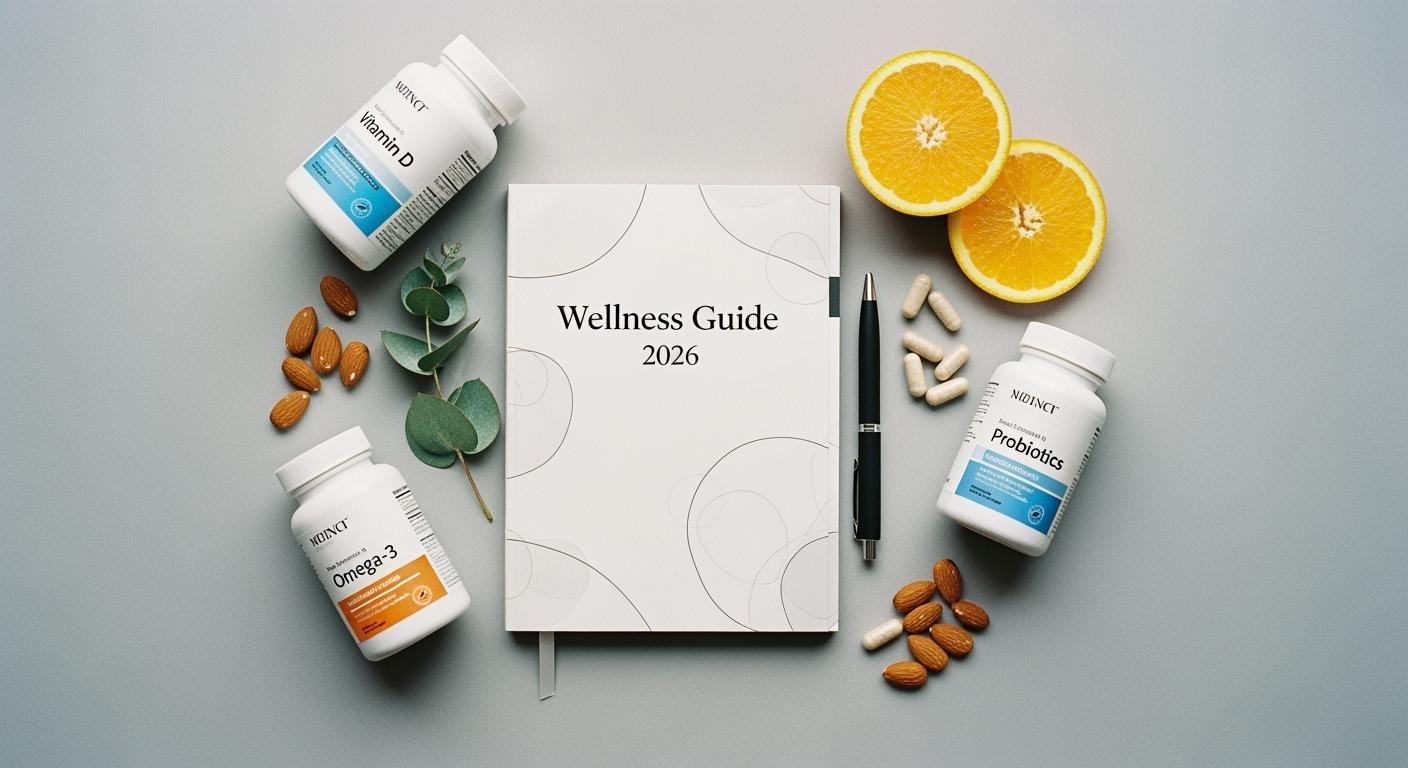
Feeling overwhelmed by the supplement aisle? You’re not alone. Recent surveys show 75% of Americans use dietary supplements. This guide gives you a simple, science-backed starting point for your daily wellness. It helps you take a proactive step toward better health.
Note: Wellness supplements support a healthy lifestyle. They do not replace a balanced diet.
First Step: Talk to Your Doctor
Before you buy any supplements, your first and most important step is to schedule a visit with your healthcare provider. This conversation is key to building a safe and effective wellness plan. Your doctor understands your unique health history and needs.
Why Professional Advice Matters
You might think supplements are always safe, but they can be powerful. A doctor’s guidance helps you avoid potential problems. They provide a personalized safety check just for you.
Your doctor can determine if a supplement is truly necessary for your specific health needs. Supplements should never replace prescribed medications.
Here’s why a professional opinion is non-negotiable:
- Safety and Regulation: The FDA does not regulate supplements like prescription drugs. Manufacturers do not have to prove their products work.
- Drug Interactions: Some supplements can interfere with your medications. For example, St. John’s Wort can make birth control less effective, and Gingko Biloba can interact with blood thinners.
- Accurate Dosages: A professional helps you find the right dose. Taking too much of a supplement can cause unwanted side effects.
Questions to Ask Your Healthcare Provider
Your doctor’s appointment is a great opportunity to gather information. You can prepare a list of questions to make the most of your visit. This helps you create a plan that works for your body.
Consider asking the following questions:
- Based on my lifestyle and diet, do you think I need any supplements?
- Could you order blood tests to check for any nutrient deficiencies? A doctor can test for specific vitamins like D, B-12, and C, or minerals like magnesium and zinc.
- Will this supplement interact with any of my current medications or health conditions?
- What dosage do you recommend I start with?
Why Start with Wellness Supplements?
You might wonder why you need supplements if you already eat well. The answer lies in understanding the modern food landscape and your personal health goals. Wellness supplements can play a supportive role in your journey toward better wellness.
Bridging Gaps in a Modern Diet
Even if you eat plenty of fruits and vegetables, you might not get all the nutrition you expect. Modern farming methods often focus on growing crops bigger and faster. This can lead to food with fewer essential nutrients.
Studies show that over the last 50 years, the amount of protein, calcium, and iron in some vegetables has dropped significantly. You might need to eat eight oranges today to get the same Vitamin A our grandparents got from just one.
This “dilution effect” means your healthy diet might have nutritional gaps. Dietary supplements can help fill them.
A Safety Net, Not a Silver Bullet
Think of supplements as a safety net for your overall health, not a silver bullet. For most healthy people, they support a good diet. They do not prevent major diseases like cancer or heart disease on their own. However, they are crucial for people with specific health conditions or nutrient deficiencies, like a severe lack of Vitamin D or iron. The goal is to support your body, not replace healthy habits or prescribed medicine.
Aligning Supplements with Your Health Goals
Supplements work best when they match your specific goals. Before you start, ask yourself what you want to improve.
- Do you want more energy?
- Are you looking for better sleep?
- Do you want to support your immune health?
Defining your goals helps you and your doctor choose the right supplements. This targeted approach makes your wellness plan more effective and personal.
Your First 6 Daily Supplements

Starting your journey with wellness supplements can feel complex. This list simplifies it for you. These six must-have supplements provide a strong foundation for your daily health and wellness routine. They are a great starting point for any beginner.
The Foundational Multivitamin
A multivitamin is your daily nutritional insurance policy. Its main job is to fill the gaps in your diet. Even with healthy eating habits, you might miss some key nutrients. A multivitamin helps ensure you get the essential vitamins and minerals your body needs.
- Primary Benefits: Multivitamins support overall health. Studies show they can improve memory and executive functions like planning. They help prevent conditions caused by a lack of specific nutrients, such as anemia or bone disease.
- Who It’s For: Anyone looking to cover their basic nutritional bases can benefit. It is especially helpful for older adults or those with dietary restrictions.
- Beginner Dosage: Look for a multivitamin that provides around 100% of the Daily Value (DV) for most of its ingredients. One tablet or capsule per day is standard.
Vitamin D for Bone and Immune Health
Often called the “sunshine vitamin,” Vitamin D is crucial for your body. Your skin produces it when exposed to sunlight. However, many people do not get enough, especially during winter or in northern latitudes.
Your immune cells have receptors for Vitamin D. This allows the vitamin to directly support your body’s defense system. A deficiency is linked to a higher risk of infection and autoimmune issues.
- Primary Benefits: Vitamin D helps your body absorb calcium, which is vital for strong bones. It also plays a key role in modulating your immune system to keep it balanced and responsive.
- Who It’s For: This is for individuals who get limited sun exposure, live in higher latitudes, or have been told by a doctor they are deficient.
- Beginner Dosage: A daily dose of 600 to 1,000 IU (International Units) is a great starting point for most adults to maintain adequate levels.
Omega-3s for Brain and Heart Health
Omega-3 fatty acids are healthy fats essential for your brain and heart. Your body cannot make them on its own, so you must get them from food or dietary supplements. The two most important types are EPA and DHA.
- Primary Benefits: Omega-3s are famous for supporting heart health. They also have significant benefits for your brain. Research shows they can improve executive functions and memory, especially in older adults with mild cognitive complaints.
- Who It’s For: People who do not eat fatty fish (like salmon or mackerel) at least twice a week will find this supplement very useful.
- Beginner Dosage: Aim for a combined total of 250-500 mg of EPA and DHA per day. The FDA advises not to exceed 2,000 mg per day from daily supplements without a doctor’s guidance.
Probiotics for a Healthy Gut
Your gut is home to trillions of tiny organisms that make up your microbiome. Probiotics are the “good” bacteria that help keep this internal ecosystem in balance. A healthy gut contributes to better digestion and overall health.
- Primary Benefits: Probiotics support a healthy digestive system. Strains like Lactobacillus and Bifidobacterium help break down fiber and fight off harmful bacteria. This can reduce issues like gas and bloating and improve your gut’s function.
- Who It’s For: Anyone looking to improve their digestive health or support their gut microbiome can benefit.
- Beginner Dosage: A good starting dose for general health is between 1 and 10 billion CFUs (Colony Forming Units) per day.
Magnesium for Relaxation and Muscle Function
Magnesium is a mineral involved in over 300 processes in your body. It is vital for everything from energy production to nerve function. Many people do not get enough magnesium from their diet alone.
- Primary Benefits: Magnesium helps your muscles relax by acting as a natural calcium blocker. It also supports relaxation and sleep quality by interacting with neurotransmitters like GABA that calm the nervous system.
- Who It’s For: This is great for active individuals, people who experience muscle cramps, or those looking to improve their sleep and relaxation.
- Beginner Dosage: A beginner dose is typically 200-350 mg per day. Taking it in the evening can help with sleep. Be sure not to exceed 350 mg from supplements, as higher doses can cause digestive upset.
Vitamin C for Antioxidant Support
Vitamin C is a powerful antioxidant that protects your body from damage. It is one of the most well-known nutrients for immune support. Your body uses it for many functions, including tissue repair and the production of certain neurotransmitters.
- Primary Benefits: As an antioxidant, Vitamin C neutralizes harmful molecules called free radicals. This action reduces “oxidative stress,” which can damage cells. This protection supports your overall health and immune system.
- Who It’s For: This is for anyone wanting to boost their antioxidant intake and support their immune function.
- Beginner Dosage: The Recommended Dietary Allowance (RDA) is 75-90 mg, but for antioxidant benefits, a daily dose of 250-500 mg is a common and effective starting point for your nutrition plan.
How to Choose Quality Dietary Supplements
The supplement aisle can be a confusing place. With so many brands and bottles, how do you know which ones are effective and safe? Learning to be a smart shopper is the key to getting the most from your wellness supplements. This guide will teach you how to read labels, understand quality seals, and choose the right supplements for your body.
How to Read a Supplement Label
The “Supplement Facts” panel on a product is your roadmap. It contains all the essential information you need. You just have to know where to look.
Here is a breakdown of what to check on the label:
- Serving Size: This tells you how much of the product to take at one time (e.g., “1 capsule”).
- Servings Per Container: This shows you how many servings are in the entire bottle. It helps you compare the cost and value of different products.
- Amount Per Serving: This lists each active ingredient and its quantity in grams (g), milligrams (mg), or micrograms (mcg).
- % Daily Value (%DV): This shows you how much a nutrient in one serving contributes to your total daily diet. An asterisk (*) means no DV has been set for that ingredient.
- Other Ingredients: This section lists inactive ingredients like fillers, binders, or flavorings. You should check this list carefully if you have any allergies.
- Company Information: This provides the manufacturer’s name and contact details, which shows the company stands behind its product.
The Importance of Third-Party Testing
The FDA does not approve dietary supplements for effectiveness before they are sold. This means a manufacturer does not have to prove a product works or is even safe. This is where third-party testing becomes your best tool for ensuring quality and safety.
Independent organizations test products to confirm their quality. When you see their seal on a bottle, it means the supplement has passed rigorous checks.
Look for these reputable seals:
- USP (U.S. Pharmacopeia): Verifies that the product contains the ingredients listed on the label, in the declared amounts. It also confirms the supplement is free of harmful contaminants.
- NSF International: Certifies that the product contains what the label says it does. It also tests for contaminants and audits the manufacturing facility.
- ConsumerLab.com: This group independently tests products for identity, strength, and purity.
Why does this matter? Studies have found alarming contaminants in untested dietary supplements. Some protein powders contained heavy metals like lead and arsenic. Other products for muscle building were found to contain illegal steroids or prescription drugs. Choosing a third-party tested product protects you from these hidden dangers.
Understanding Bioavailability and Forms
Not all supplements are created equal, even if they contain the same nutrient. The concept of bioavailability is key here.
The National Institutes of Health defines bioavailability as the amount of a nutrient in a supplement that your body can absorb and use.
A supplement might have a high dose on the label, but if your body cannot absorb it, you will not get the benefits. The form of the nutrient often determines its bioavailability.
Let’s look at magnesium as an example. It comes in many forms, but two common ones are magnesium oxide and magnesium citrate. Their bioavailability is very different.
| Magnesium Form | Bioavailability | What It Means for You |
|---|---|---|
| Magnesium Oxide | ~4% | Your body absorbs very little of this form. It is less effective. |
| Magnesium Citrate | 25-30% | Your body absorbs this form much more easily. It is a better choice. |
A study showed that magnesium citrate is much more soluble and bioavailable than magnesium oxide. This means your body gets more of the mineral it needs from the citrate form. Understanding these differences helps you make smarter choices for your health.
Building Your New Supplement Routine

You have chosen your supplements. Now, you need to create a smart routine. Taking the right supplements at the correct time and dose is key to seeing benefits. This section helps you build an effective plan for your daily supplements.
Best Time to Take Your Supplements
When you take your dietary supplements can change how well your body absorbs them. Some need food, while others work best on an empty stomach.
A simple rule is to match the supplement to its type.
- Fat-Soluble Vitamins (A, D, E): Your body needs fat to absorb these. Take them with a meal that contains healthy fats, like avocado or nuts.
- Water-Soluble Vitamins (B-Complex, C): You can take these with a glass of water. Your body absorbs them easily without food.
- Minerals: Minerals like magnesium and zinc can compete for absorption. It is best to take them at different times. For example, you can take magnesium in the evening to support relaxation and sleep.
Pro Tip 📝: Take your multivitamin with a meal. This helps your body absorb the fat-soluble vitamins inside and can prevent an upset stomach.
Starting with a Low Dosage
More is not always better, especially with supplements. It is medically wise to start with the lowest effective dose. This approach helps your body adjust and lowers your risk of side effects.
Starting low allows you to find the perfect dose for your unique needs. Many recommended starting doses are set high to show an effect in clinical trials. However, a lower dose might be just as effective for you. This strategy improves your body’s tolerance and makes your new routine easier to stick with.
How to Track Your Progress
How do you know if your new routine is working? You track it. Keeping a log of your progress helps you connect your supplement intake with changes in your health.
You can use a simple notebook or a digital app. A journal helps you see patterns over time.
- Note the supplement and dose you took.
- Record how you feel (e.g., energy levels, sleep quality, digestion).
- Share this log with your doctor.
Digital apps offer reminders and can create charts to visualize your progress. This structured record is a powerful tool for managing your wellness journey.
Your journey into wellness supplements should start simply. You should prioritize quality products over a long list of items. This approach ensures a strong foundation for your health.
Your journey starts and continues with professional guidance. Always discuss your supplement plan with your healthcare provider for your personal health.
You now have the knowledge to take a smart first step toward better health. Here’s to improved wellness and a healthier you in 2026! 🎉
FAQ
Can I take all my supplements at once?
It depends on the supplement. You can often take a multivitamin with Vitamin D. However, some minerals compete for absorption. You should take minerals like iron and zinc at different times. Always read the product label for specific directions.
What happens if I miss a dose?
Do not worry if you miss a dose. You should simply take your next dose as scheduled. Never double up to make up for a missed one. Your long-term consistency is what matters most for your health goals.
How long until I see results from supplements?
Results vary by person and supplement. You might feel some benefits quickly, like better sleep from magnesium. Other effects can take several weeks or months to notice. Tracking your progress in a journal helps you see the positive changes.
Should I take supplements on an empty stomach?
Some supplements work best without food, while others need a meal. For example, you should take fat-soluble vitamins like A and D with a meal containing fat. Your supplement’s label will give you the best instructions for timing.
See Also
Magnesium Supplements: A Confident and Clear Starting Guide for Beginners
Top Vegan Multivitamins 2024: Discovering Brands That Truly Deliver Results
Magnesium Malate for Sleep: A Beginner’s Guide to Science-Backed Rest
Beginner’s Guide to Magnesium Malate: Achieving Better Sleep Naturally
Top 5 Vegan Joint Alternatives: Science-Backed Choices for Health-Conscious Consumers