

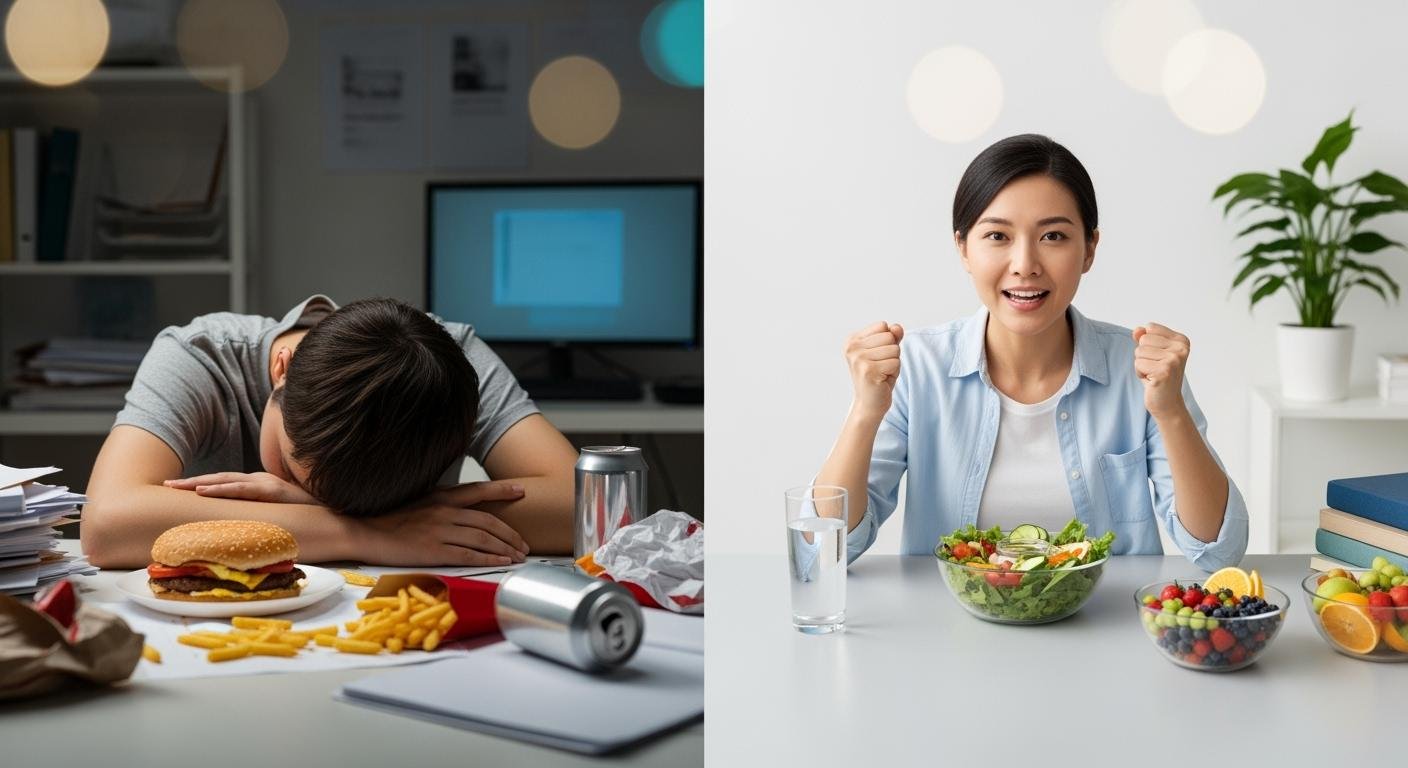
Does the afternoon slump hit you like a ton of bricks? You are not alone in feeling tired. Many adults experience regular fatigue.
| Demographic | Percentage Feeling Tired/Exhausted (2022) |
|---|---|
| All Adults (≥18 years) | 13.5% |
| Women (18–44 years) | 20.3% |
| Men (18–44 years) | 11.0% |
Your daily energy level is directly linked to your diet. The food you consume provides the fuel your body needs. Your body even uses energy, a process known as diet-induced thermogenesis, just to digest your meals. Making better food choices can have a big impact. This guide offers simple advice for all-day energy, with no complicated science required.
Foods for Sustained Energy
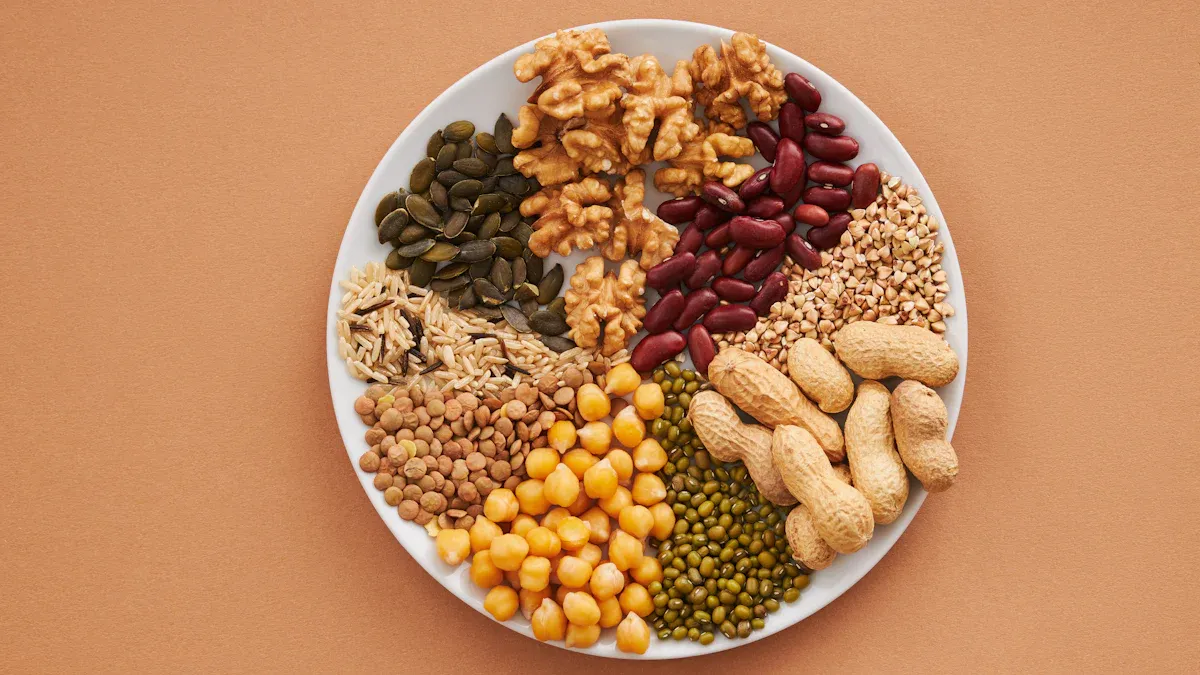
Think of the foods in this section as your ‘GO’ foods. They are nutrient-dense options that give your body the high-quality fuel it needs for lasting energy. Making Better Food Choices starts with understanding which foods build you up. A great rule of thumb is to fill half your plate with colorful fruits and vegetables at every meal. These provide essential vitamins and energy.
Focus on Complex Carbs
Your body needs carbohydrates for energy. However, not all carbs are created equal. Simple carbohydrates, like those in sugary drinks and white bread, break down very quickly. This gives you a fast burst of energy followed by a crash, leaving you tired.
Complex carbohydrates are different. Your body takes more time to digest them. This slower process provides a steady, reliable stream of energy. You will feel full longer and avoid that dreaded afternoon slump.
| Feature | Simple Carbohydrates | Complex Carbohydrates |
|---|---|---|
| Digestion Speed | Fast | Slower |
| Energy Release | Quick spike and crash | Steady and sustained |
| Feeling After | Tired and hungry again soon | Full and energized longer |
You can easily add complex carbs to your diet. Try incorporating some of these foods:
- Oatmeal, quinoa, and brown rice
- 100% whole-wheat bread
- Sweet potatoes and other starchy vegetables
- Beans and lentils
- Fruits and leafy greens
Incorporate Lean Protein
Protein is a powerhouse for fighting fatigue. It helps build and repair your muscles. Strong muscles contribute to higher endurance and overall energy. Protein also has a minimal effect on your blood sugar. Pairing it with carbohydrates helps prevent energy spikes and crashes. Your body uses protein to make neurotransmitters, which are chemicals that regulate your mood and focus.
Look for lean sources to get the benefits without extra saturated fat. Excellent choices include:
- Lean Meats: Skinless chicken or turkey breast and lean cuts of pork.
- Fish and Seafood: Salmon, tuna, and shrimp are rich in protein and healthy fats.
- Eggs: A versatile and complete protein source.
- Dairy: Greek yogurt and milk provide a great protein boost.
- Plant-Based Options: Lentils, beans, tofu, quinoa, nuts, and seeds are fantastic vegetarian sources.
Choose Healthy Fats
Fat is not the enemy of a healthy diet. In fact, your brain is made of about 60% fat! Healthy fats, especially omega-3s, are crucial for brain function and maintaining energy levels. They help preserve the health of your brain cells and allow them to communicate effectively. Low levels of omega-3s have been linked to poor memory and feelings of depression.
Tip: When you cook, use heart-healthy oils. Olive oil and canola oil are excellent sources of monounsaturated fats.
You can find these beneficial fats in many delicious foods.
- Monounsaturated Fats: Avocados, almonds, pecans, and pumpkin seeds.
- Polyunsaturated Fats (including Omega-3s): Walnuts, flax seeds, salmon, and mackerel.
Add High-Fiber Foods
Fiber is a special type of carbohydrate that plays a huge role in your energy. It slows down digestion. This helps stabilize your blood sugar levels after a meal. Fiber also feeds the good bacteria in your gut. These bacteria produce compounds that help regulate your appetite and improve how your body uses energy. This entire process prevents sharp glucose spikes and keeps your energy steady.
The American Dietetic Association recommends that adults aim for 25 to 35 grams of fiber each day. Better Food Choices that are high in fiber often include whole grains, fruits, and vegetables.
Many of the foods already mentioned are great sources of fiber. Focus on eating a variety of whole plant foods to easily meet your daily needs.
Foods and Habits That Drain Energy
Just as some foods give you lasting energy, others can take it away. These foods and habits often cause quick energy spikes followed by deep crashes. They leave you feeling more tired than before. Understanding what drains your energy is a key step toward making Better Food Choices every day.
Avoid Sugary Snacks and Drinks
You might reach for a candy bar or a soda for a quick pick-me-up. This choice gives you a fast burst of energy. However, this feeling is temporary and leads to a “sugar crash.”
A sugar crash happens when your blood sugar drops rapidly after a spike. This process can trigger several negative effects in your body.
- Fatigue: Your dopamine levels suddenly decrease. This makes simple tasks feel difficult and hurts your ability to concentrate.
- Irritability: The sudden drop in blood sugar can make you feel moody and irritable, especially if it happens often.
Your brain’s energy supply takes a hit during a crash. This can negatively impact your memory and focus over time.
Regularly consuming sugary drinks and snacks also carries serious long-term health risks. Studies show a strong link between high sugar intake and a greater risk of developing conditions like type 2 diabetes and heart disease.
Limit Refined Carbs and Starches
Refined carbohydrates act a lot like sugar in your body. Foods like white bread, white pasta, and pastries have been stripped of their fiber and nutrients during processing.
Registered dietitian Susan Campbell explains, “Empty carbs are stripped of fiber, vitamins and minerals during processing.” She notes that because your body digests them so quickly, they “can also cause rapid spikes in blood sugar followed by sudden drops that lead to fatigue and food cravings.” This cycle of spikes and crashes can keep you feeling tired and hungry.
Making a switch to whole-grain alternatives is an easy way to maintain your energy.
| Instead of This Refined Carb… | Try This Whole-Grain Option… |
|---|---|
| White Pasta | Whole-wheat pasta or quinoa |
| White Bread | 100% whole-wheat bread |
| Pretzels or Chips | Air-popped popcorn |
| White Rice | Brown rice, barley, or bulgur |
These whole-grain options contain the fiber your body needs for slow, steady energy release.
Reduce High-Salt Processed Foods
Processed foods are often loaded with sodium, unhealthy fats, and preservatives. These ingredients can make you feel sluggish and bloated. High-salt foods can lead to dehydration, which is a major cause of fatigue. Your body has to work harder to manage high sodium levels, draining your energy reserves.
Many common foods are surprisingly high in salt. Be mindful of these items:
- Processed meats (sausages, deli meats, hot dogs)
- Frozen meals (pizzas, pasta dishes)
- Canned soups and sauces
- Salty snacks (chips, pretzels)
- Fast food (burgers, french fries)
Reading labels and choosing fresh, whole foods instead of pre-packaged ones can make a huge difference in your energy levels.
Don’t Skip Meals
Skipping meals might seem like a way to save time or cut calories, but it often backfires. When you skip a meal, your body goes into conservation mode. This can have several negative metabolic consequences.
First, your body experiences hormonal shifts. These changes increase hunger signals and can make you overeat at your next meal. You are more likely to choose energy-dense, less nutritious foods when you are overly hungry. Second, skipping meals can lead to nutrient deficiencies. People who regularly skip meals often lack important vitamins and minerals like calcium and vitamin C.
Did You Know? Your body’s insulin sensitivity is highest in the morning. Eating a balanced breakfast helps your body use energy efficiently. Skipping it can disrupt your blood sugar control for the rest of the day.
To maintain steady energy, aim for regular, balanced meals. This habit provides your body with a consistent fuel source and prevents the energy dips that come from skipping. Making these Better Food Choices helps regulate your metabolism and keeps you feeling alert.
Better Food Choices: Meal and Snack Ideas
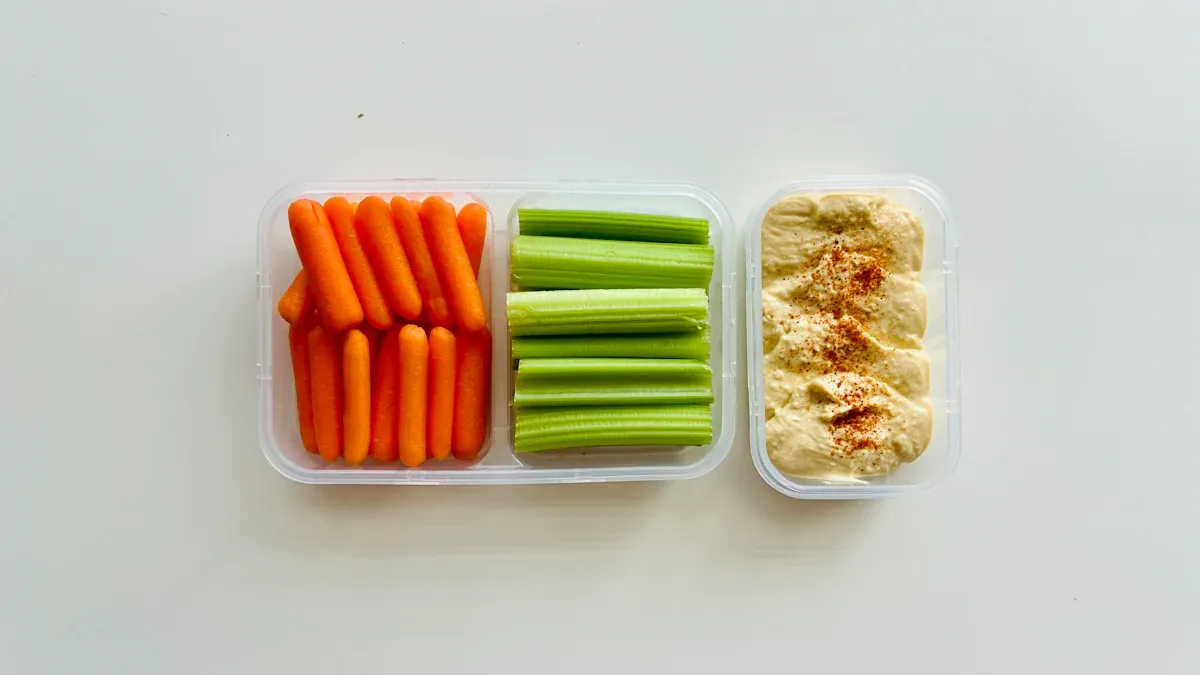
Knowing which foods to eat is the first step. Now, you can put that knowledge into practice with simple meal and snack ideas. Making these Better Food Choices consistently will help you build lasting energy throughout your day.
Energy-Boosting Breakfasts
Your first meal of the day sets the tone for your energy levels. A balanced breakfast can improve your focus and provide long-term health benefits.
- Oatmeal with Berries and Nuts: This breakfast is a powerhouse. Oats provide complex carbs and high-quality protein. Berries add fiber and vitamins. Nuts offer healthy fats and magnesium. This combination gives you steady energy and helps you feel full.
- Peanut Butter Banana Smoothie: You can blend Greek yogurt, a banana, and peanut butter for a quick, protein-packed meal. This option is great for busy mornings.
- Make-Ahead Egg Burritos: You can prepare these in advance. Fill a whole-wheat tortilla with scrambled eggs and black beans for a grab-and-go breakfast rich in protein and fiber.
Power-Through Lunches
A balanced lunch prevents the afternoon slump. Your meal should include protein, fiber, and plant-based foods. This mix provides a variety of nutrients for sustained energy.
- Grilled Chicken Salad: This classic choice combines lean protein from chicken with fiber and vitamins from leafy greens and vegetables.
- Quinoa Bowl: You can build a bowl with a quinoa base. Add chickpeas for plant-based protein and top it with your favorite veggies like bell peppers and cucumbers.
- Hummus Veggie Wrap: Spread hummus on a whole-wheat wrap and fill it with spinach, carrots, and bell peppers for a quick and satisfying vegan lunch.
Smart Afternoon Snacks
An afternoon snack can bridge the gap between lunch and dinner. The right snack keeps your blood sugar stable. A great choice combines protein or healthy fat with fiber.
- Apple with Peanut Butter: The apple’s fiber and the peanut butter’s healthy fats work together. They help manage hunger and maintain your energy.
- Greek Yogurt: This snack is high in protein, which helps you feel full and satisfied.
- Handful of Almonds: Almonds are a simple, portable snack. They provide healthy fats, protein, and fiber.
The Importance of Hydration
Feeling tired is one of the first signs of dehydration. Even mild dehydration, a loss of just 1-2% of your body’s water, can hurt your ability to concentrate and make you feel fatigued. You should drink water consistently throughout the day.
Health authorities recommend that men drink about 13 cups of fluids per day. Women should aim for about 9 cups. Your needs may change based on your activity level and climate.
Technology can help you stay on track. Meal-planning apps like PlateJoy or MealPrepPro can help you plan healthy meals. Some fitness trackers can even help you monitor your water intake.
Your energy level directly reflects your diet. You can build lasting energy by choosing whole foods like complex carbs, lean proteins, and healthy fats. Avoiding sugar and refined carbs is just as important. Remember that making Better Food Choices is about progress, not perfection. Consistency will bring the best results.
This week, try one small change. Swap a sugary drink for a glass of water or a processed snack for a piece of fruit. Notice how you feel. Your journey to more energy starts with a single step.
FAQ
Why does coffee make me feel tired later?
Coffee gives you a temporary energy boost by blocking sleep signals in your brain. It does not provide your body with real fuel. When the effect wears off, you can feel a “crash.” True energy comes from nutrients in food, not from stimulants like caffeine.
How quickly will I feel more energetic?
You may notice small improvements within a few days. Lasting energy builds over time with consistent habits.
- Focus on making one good choice at a time.
- Your body will adapt over several weeks.
- Listen to your body and celebrate small wins.
What is a good snack before I exercise? 🍌
A small banana is an excellent choice. It gives you easily digestible carbohydrates for quick energy. This fuel helps you power through your workout without feeling weighed down. Pair it with a glass of water to ensure you are also hydrated.
Do I have to give up sugar completely?
Note: You do not need to eliminate all treats. Enjoying a sugary snack occasionally is okay. The goal is balance, not perfection. Focus on making better food choices most of the time. This approach helps you build sustainable habits for long-term energy.
See Also
Diet and Nutrition: Managing Tinnitus Symptoms Effectively
Natural Caffeine: Benefits and Smart Supplement Choices Explained
Magnesium Taurate Supplements: KAL vs. Naxttii Health Review
Protein and ADHD: A Scientific Guide for Families
Methylfolate Supplements: Discovering the Optimal Timing for Intake