


You want to improve your productivity. The solution might be on your plate, not just your to-do list. Many people feel a drop in productivity in the afternoon. Your food choices directly fuel your brain’s energy and alertness. A healthy diet supports better cognitive scores. Proper nutrition is essential for peak performance.
The impact of a balanced diet on your daily productivity is significant. This guide shows how your diet influences your work, helping you sustain mental energy and focus.
How Your Diet Influences Energy
Your diet influences your daily energy more than you might think. Your brain is an energy-hungry organ. It uses about 20 percent of your body’s total energy, even though it is only two percent of your body weight. This energy fuels everything from basic operations to complex thoughts, directly impacting your productivity. Proper nutrition ensures your brain has the fuel it needs for peak performance.
Glucose: Your Brain’s Primary Fuel
Your brain runs primarily on glucose, a sugar you get from carbohydrates. Your metabolism converts these carbs into the energy your brain cells use to communicate. Thinking, learning, and concentrating all require a constant supply of this fuel. Without enough glucose, you may feel mentally foggy and unable to focus. Your body even uses energy for digestion, a process called Diet-Induced Thermogenesis, which is part of your overall metabolism.
Simple vs. Complex Carbs
Carbohydrates are not all the same. Simple carbs, like those in candy and sugary drinks, give you a quick burst of energy. This spike is followed by a sharp crash in your blood sugar levels. The crash can make you feel irritable, anxious, and tired, destroying your focus and mood.
Complex carbs, found in foods like oats and whole grains, are different. Your body breaks them down slowly. This process provides sustained energy and helps you maintain stable blood sugar. Choosing complex carbs is a key strategy for steady energy levels throughout your workday.
Tip: A diet high in simple sugars can negatively affect your memory and mood. For better productivity, focus on sources of nutrition that provide a slow and steady release of energy.
Nutrients for Peak Mental Clarity
Proper nutrition involves more than just carbs. Other nutrients are vital for brain health and energy production.
- Omega-3 Fatty Acids: These healthy fats support brain cell structure and communication. They help improve your memory and focus.
- Iron: Iron helps your red blood cells carry oxygen to your brain. Low iron levels can cause serious fatigue and poor concentration.
- Protein: Protein helps regulate your metabolism and provides amino acids that are precursors to neurotransmitters, which influence your mood and alertness.
How your diet influences your energy levels is clear. The right nutrients support your brain’s metabolism and prevent mental fatigue.
Strategic Eating for Energy and Focus

Knowing which foods to eat is the first step toward better productivity. Strategic eating for energy involves choosing foods that fuel your brain and body effectively. Your diet influences your ability to concentrate and perform. Building balanced meals with the right components helps you avoid energy slumps and maintain mental alertness all day. This approach to nutrition focuses on quality over quantity for peak performance.
Complex Carbs for Sustained Energy
You can power your productivity with the right carbohydrates. Complex carbs provide a steady supply of glucose, your brain’s main fuel. Your metabolism breaks them down slowly. This process gives you sustained energy without the crash.
- Oats: Starting your day with oatmeal can provide you with more sustained energy through the morning. Oats have a low Glycemic Index. This means your body absorbs them slowly, preventing sharp spikes in blood sugar. This slow absorption helps you feel full longer and supports consistent energy between meals.
- Quinoa and Sweet Potatoes: These foods are excellent sources of complex carbs and fiber. The fiber slows down digestion. This helps regulate your blood sugar levels and provides a more gradual release of energy.
“Fiber is a type of carbohydrate that has many benefits,” says Sara Thomas, PhD, RD. “It’s not digested by the body, so it influences gut health and may slow digestion, which may help blood sugar levels.”
This slower digestion is key to maintaining your focus and productivity.
Lean Proteins for Focus and Satiety
Protein does more than build muscle; it builds focus. Your body breaks down protein into amino acids. These amino acids are the essential building blocks for neurotransmitters.
- The amino acid tyrosine is a precursor for dopamine and norepinephrine.
- These neurotransmitters directly impact your focus, motivation, and alertness.
Including lean protein in your meals also helps you feel full longer. High-satiety foods like eggs and Greek yogurt can reduce cravings and prevent overeating, which keeps your energy stable. Proper nutrition from protein supports both your mood and your metabolism.
| Food Item | Satiety Score (%) |
|---|---|
| Egg Whites | 100 |
| Greek Yogurt (non-fat) | 94 |
| Whole Eggs | 24 |
| Egg Yolk | 23 |
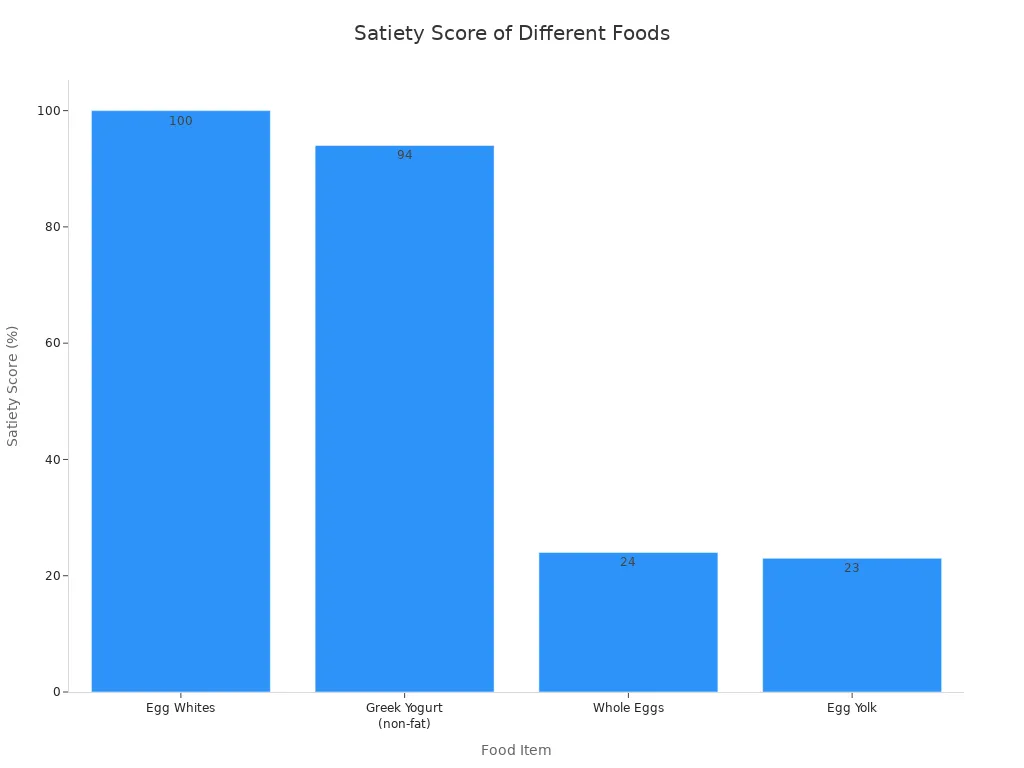
Choosing lean proteins like salmon, eggs, or Greek yogurt gives your brain the nutrients it needs for lasting concentration.
Healthy Fats for Brain Health
Healthy fats are vital for your brain’s structure and function. They also play a role in your energy levels. Fats are the most energy-dense macronutrient. Your body digests them much more slowly than carbohydrates. Pairing fats with carbs slows the rise in blood sugar, helping you avoid the energy crashes that hurt productivity.
Foods rich in healthy fats support long-term brain health and improve cognitive performance.
- Avocados: Avocados are a key part of diets like the MIND diet, which is linked to better brain outcomes. They contain lutein, an antioxidant that supports memory and focus. The healthy fats in avocados also help protect your brain cells.
- Nuts and Seeds: Walnuts provide a plant-based omega-3 fatty acid called ALA. This nutrient supports neuron signaling and may improve reaction time. Adding nuts and seeds to your diet gives your brain a powerful boost.
Nutrient-Dense Fruits and Vegetables
A nutrient-dense diet is incomplete without fruits and vegetables. They provide essential vitamins, minerals, and antioxidants that protect your brain and fight fatigue. These nutrient-dense foods are crucial for your overall metabolism and well-being.
- Blueberries: These small fruits are packed with antioxidants called anthocyanins. These compounds help protect your brain from oxidative stress, which can harm brain function. Including blueberries in your nutrition plan can support your memory and mood.
- Spinach: This leafy green is a powerhouse of nutrients that combat mental fatigue. It contains iron to help carry oxygen to your brain, folate to support neurotransmitter production, and nitrates to improve blood flow. These nutrients work together to boost your brain’s energy and enhance your productivity.
- Bananas: Bananas offer a quick source of glucose for immediate energy, but they also contain fiber to help regulate its release. They are a great choice for a pre-task snack.
Productivity-Killing Foods and Habits

Just as some foods boost your brain, others can drain it. Certain dietary habits can sabotage your focus and leave you with low energy levels. Understanding these pitfalls is the first step to improving your daily productivity.
The Sugar Crash and Afternoon Slump
You might reach for a sugary snack for a quick burst of energy. Foods like candy bars and sodas cause a rapid spike in your blood sugar. This provides a short-lived boost, like putting paper on a campfire. It burns fast but does not last. Scientists confirm that about an hour after a sugary treat, people report feeling tired. This “sugar crash” leads to low energy levels and a poor mood. This cycle is a major enemy of your afternoon productivity.
How Heavy Meals Cause Sluggishness
A large, heavy lunch can make you feel sleepy. This is often called a “food coma.” Your body must work hard to digest a big meal. Meals high in saturated fat can even stiffen your blood vessels. This process restricts blood flow to your brain. Less blood flow means your brain gets less oxygen and nutrients. This state of low energy levels makes it difficult to concentrate. High-carb or high-protein meals can also promote sleepiness, hurting your productivity.
Dehydration’s Impact on Cognition
Your brain needs water to function correctly. Even mild dehydration can seriously impact your performance. Losing just 1-2% of your body’s water can negatively affect your cognitive abilities.
Did You Know? 💧 Mild dehydration can reduce performance by up to 20% on tasks that require attention and memory.
When you are dehydrated, you may experience low energy levels and a negative mood. This directly impacts your ability to focus and think clearly. Simple dietary habits, like drinking enough water, are crucial for maintaining your mental sharpness and overall productivity.
Meal Timing for Optimal Performance
When you eat is just as important as what you eat. Proper meal timing helps you manage your energy and focus throughout the day. A well-balanced eating plan supports your brain and prevents the slumps that hurt your productivity.
The Importance of Breakfast
You should not skip breakfast if you want to perform your best. Eating in the morning kickstarts your metabolism and provides crucial fuel for your brain. Studies show that a morning meal can improve your memory. A good breakfast gives you sustained energy for the morning ahead.
For better cognitive performance, your breakfast should include:
- Protein and Dairy: These provide amino acids for focus.
- Fiber-rich Carbs: They support stable blood sugar.
- Healthy Fats: These help you feel full longer.
Maintain Stable Energy Levels
You can avoid energy dips by eating at regular intervals. Waiting too long between meals can cause your blood sugar to drop, making you feel tired and unfocused. Aim to eat every 3 to 5 hours to maintain steady energy levels. This strategy prevents overeating at your next meal.
Smart snacking is a key part of good nutrition. A healthy snack provides a boost of energy when your blood glucose levels decrease. This simple habit helps you avoid the common afternoon slump and supports your overall productivity.
A Sample Daily Eating Schedule
Creating a schedule helps you stick to your goals. You can plan your meals and snacks to ensure you have fuel when you need it. This approach removes guesswork and supports consistent productivity. Here is a simple schedule to follow.
| Time | Meal/Snack | Example |
|---|---|---|
| 7:30 AM | Breakfast | Scrambled eggs with spinach |
| 10:30 AM | Morning Snack | Greek yogurt with berries |
| 1:00 PM | Lunch | Chicken salad with mixed greens |
| 4:00 PM | Afternoon Snack | A handful of almonds |
| 6:30 PM | Dinner | Baked salmon with sweet potatoes |
This schedule provides a steady flow of energy to keep you sharp all day.
Proper nutrition directly fuels your daily productivity. Your diet influences your mood and overall wellness. Avoiding sugar crashes and dehydration is just as important as eating well. You can improve your focus and energy with simple changes. Your nutrition choices create a foundation for better productivity.
Take Action Today! 🚀 Choose one small change from this guide. You can swap a sugary snack for almonds or drink an extra glass of water. Start tomorrow and feel the positive impact on your productivity.
FAQ
What is the best snack for productivity?
You should choose a snack with protein and fiber. A handful of almonds or an apple with peanut butter provides steady energy. This choice helps you avoid a sugar crash and maintain your focus between meals.
How does coffee affect my productivity?
Coffee can boost your alertness in moderation. Too much caffeine may cause anxiety and disrupt your sleep. You can enjoy one or two cups in the morning. You should avoid it in the afternoon for better rest.
Can exercise replace a good diet for energy?
No, you need both for optimal energy. A healthy diet provides the fuel your body needs. Regular exercise improves how your body uses that fuel. Combining good nutrition with exercise gives you the best results.
How quickly will I see results from changing my diet?
You might feel a difference in just a few days. Better hydration and stable blood sugar can improve your focus quickly. Long-term benefits for brain health build over weeks and months of consistent, healthy eating.
See Also
Protein’s Role in ADHD: An Essential Introduction for Newcomers
Understanding Protein’s Link to ADHD: A Scientific Guide for Families
Exploring the Protein-ADHD Connection: A Simple Guide for Beginners
Managing Tinnitus Symptoms: Nutritional Strategies and Dietary Support
Unlocking Wellness: The Science-Backed Benefits of 5-MTHF Supplements