

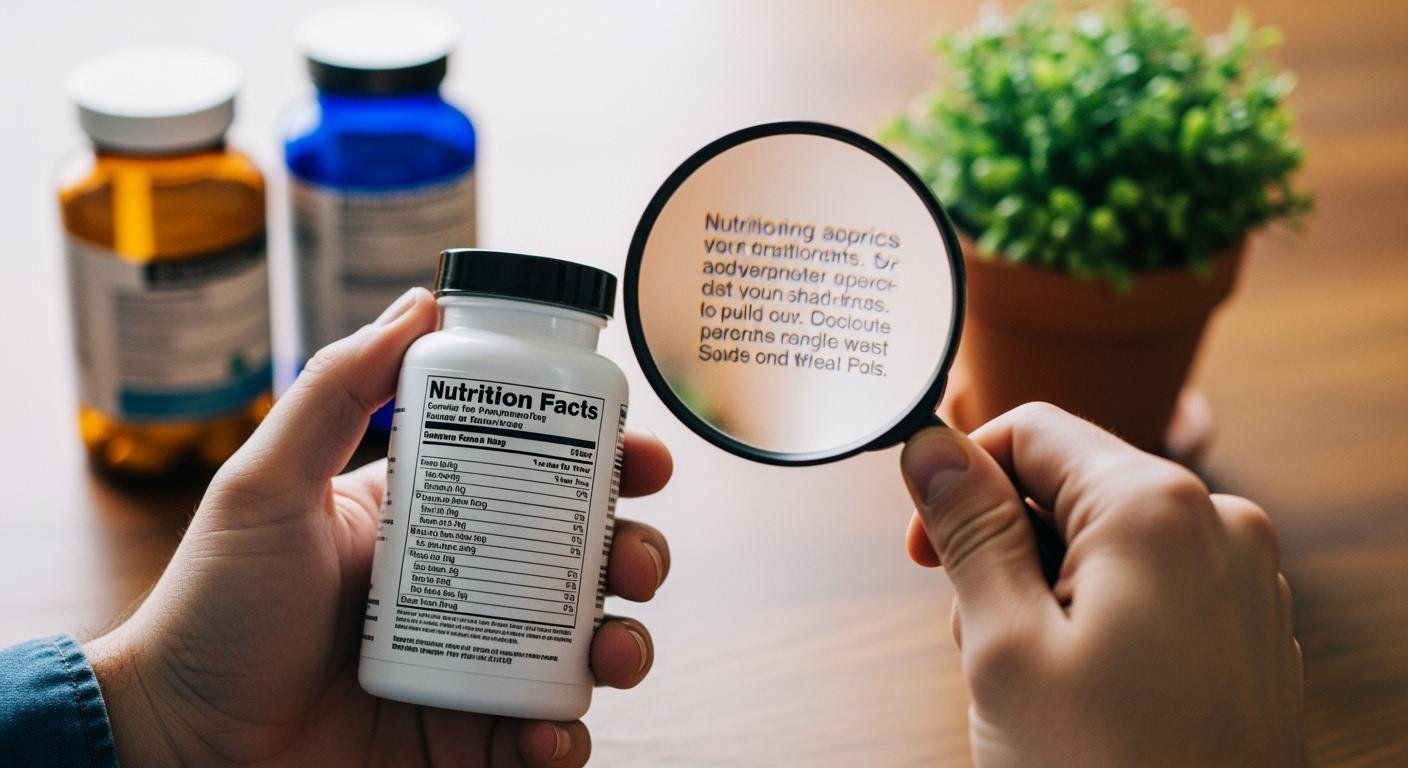
You seek better health, joining over half of American adults who use dietary supplements for goals like healthy aging or weight management. Yet, a complex bottle can create confusion. The supplement facts panel often raises more questions than it answers. You need a simple way to understand what you are taking. Learning to read supplement labels confidently is a vital skill.
But how can you be sure the product you chose is both safe and effective for your health goals? 💊
How to Read a Supplement Label: The Facts Panel
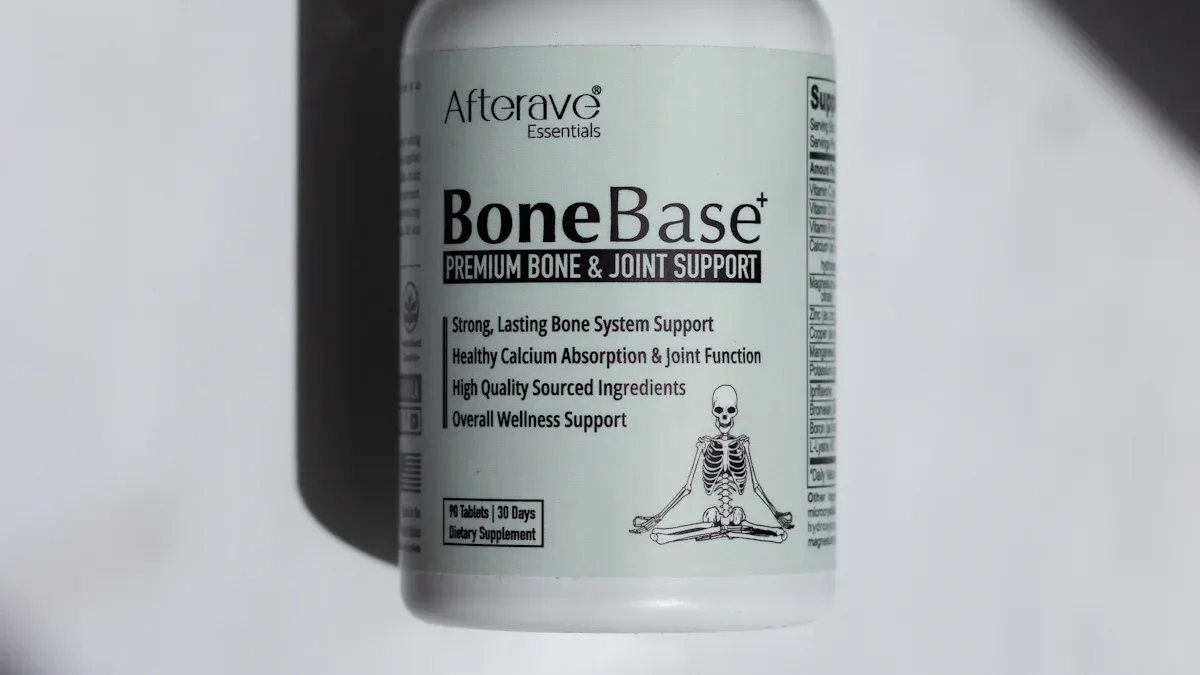
Learning how to read a supplement label starts with one key area. The FDA legally requires every product to have a Supplement Facts panel. This box contains the most vital information about what is inside your supplement. Think of it like the nutrition facts on food, but designed specifically for dietary supplements. Understanding this panel is the first step to making an informed choice.
The Supplement Facts Panel
The Supplement Facts panel is your roadmap to the product’s contents. It is a standardized chart that must follow strict FDA rules on formatting and content. This ensures you can easily find the details you need. The supplement facts panel breaks down each active ingredient and its dosage.
Serving Size vs. Servings Per Container
Pay close attention to the top of the supplement facts panel. You will find two key pieces of information:
- Serving Size: This tells you the recommended amount to take at one time (e.g.,
2 Capsules). All the nutrition facts listed below are based on this single serving amount. - Servings Per Container: This shows you the total number of servings in the entire bottle.
A bottle with 120 capsules and a serving size of 2 capsules contains 60 servings.
Amount Per Serving and % Daily Value
This section of the supplement facts label details each nutrient. The Amount Per Serving column lists the specific amount of an ingredient in one serving. The % Daily Value (%DV) tells you how much a nutrient in a single serving contributes to a total daily diet.
💡 Pro Tip: Know Your Vitamins The %DV is helpful, but the type of vitamin matters. | Vitamin Type | How It Works | What It Means for You | | :— | :— | :— | | Water-Soluble (Vitamins B, C) | Dissolve in water. Your body uses what it needs and excretes the rest. | A high %DV is generally less of a concern. | | Fat-Soluble (Vitamins A, D, E, K) | Dissolve in fat and are stored in your body’s tissues. | A very high %DV can build up over time. Be mindful of the total amount you consume. |
Check for Other Ingredients
Below the main supplement facts panel, you will find a list of “Other Ingredients.” This section includes everything else used to make the supplement, such as fillers, binders, and artificial colors. Look for common allergens like soy or gluten. You should also watch for unwanted additives like magnesium stearate or artificial dyes like FD&C Red No. 40. Reading this list helps you avoid an unnecessary ingredient. When you read supplement labels, this final check ensures the product is clean.
Verify Quality with Third-Party Seals
The Supplement Facts panel tells you what should be in the bottle, but how can you be sure? A third-party certification seal is your single best indicator of quality and purity. Studies show that many uncertified products have inaccurate labels. When purchasing dietary supplements, looking for a seal protects you from misleading claims and ensures you get what you pay for.
Look for Certification Seals
You should look for logos from independent organizations on the product label. These groups test dietary supplements to confirm their quality. The most reputable seals provide confidence that the product is safe and accurately labeled.
- USP Verified Mark: The United States Pharmacopeia (USP) is a trusted authority. A USP seal confirms the product was made in a clean facility and meets strict standards.
If it’s USP Verified, consumers can trust that what’s on the label is what’s in the bottle.
- NSF International: This organization is well-known for testing products, including sports supplements, for banned substances and contaminants. An NSF seal guarantees the product contains the ingredients listed on the label and is free from harmful levels of contaminants.
Finding one of these seals means the manufacturer has voluntarily submitted its product for rigorous inspection.
Understand Manufacturing Standards (CGMPs)
The FDA requires all manufacturers to follow rules called Current Good Manufacturing Practices (CGMPs). These standards ensure that facilities are clean and that companies follow proper procedures during production. CGMPs focus on the manufacturing process.
However, these rules do not require the FDA to test the final product. Third-party testing provides an extra layer of review. While CGMPs ensure a product is made correctly, a certification seal verifies what is actually inside the finished bottle. This independent check gives you the highest level of assurance.
Read Supplement Labels to Spot Red Flags
Marketing language on a bottle can be very persuasive. Companies want you to buy their products. While the FDA has rules, many brands use clever wording that can be confusing. When you read supplement labels, you must learn to see past the hype. This skill is essential when purchasing dietary supplements.
Decode Marketing Terms
You will often see impressive-sounding phrases on labels. Be cautious of terms that seem official but offer no real proof.
- “Clinically tested”
- “Scientifically formulated”
- “Doctor-recommended”
These phrases do not mean the product is proven to work. Another tactic is the “proprietary blend.” You might see names like keto weight loss blend or nerve relief herbal formula. These blends list ingredients but hide the exact amount of each one. This makes it impossible for you to know if you are getting an effective dose or too much of a certain substance.
Identify Misleading Health Claims
The law is very clear on one point. A supplement cannot claim to diagnose, cure, treat, or prevent any disease. Only a drug can make that claim. Companies use specific language to stay within the rules.
| Claim Type | What It Means | Example |
|---|---|---|
| Structure/Function | Describes a nutrient’s role in the body. | “Calcium builds strong bones.” |
| Health Claim | Links a nutrient to a reduced disease risk. | “Diets low in sodium may reduce the risk of high blood pressure.” |
Warning: Spot These Red Flags! 🚩 If you see phrases like these, put the bottle back on the shelf. They are signs of a product you cannot trust.
- “Miracle cure” or “Breakthrough”
- “Works better than a prescription drug”
- “Lose weight without diet or exercise”
- “FDA Approved” (The FDA does not approve dietary supplements)
Ensure the Supplement is Right for You
A supplement that works for one person may not be right for you. Your unique health needs, allergies, and dietary choices are very important. You must check that a product aligns with your personal requirements before you decide to take it. This final check ensures the supplement supports your health goals safely.
Check for Allergens
You must carefully check labels for allergens. Federal law requires companies to clearly list the nine major food allergens. These include milk, soy, wheat, and sesame. Look for a “Contains” statement right below the ingredient list. This statement will plainly declare any major allergens.
However, other ingredients can also cause reactions. You should scan the “Other Ingredients” list for potential issues. Some common ones include:
- Artificial colors like
CarmineorTartrazine - Preservatives such as sulfites
- Gelatin, which is often animal-derived
- Hidden sources of gluten, like
maltodextrinor starch, which can be made from wheat
Always read the full ingredient list. This helps you avoid an unwanted reaction.
Match to Your Dietary Needs
Your supplement should match your lifestyle. If you follow a specific diet, you need to find products that fit your rules. For example, if you are vegan, you may need to supplement certain nutrients that are hard to get from plants alone.
| Nutrient | Why It’s Important for Vegans |
|---|---|
| Vitamin B12 | Found almost only in animal products; vital for nerve function. |
| Iron | Plant-based iron is harder for your body to absorb. |
| Vitamin D | Often added to dairy milk; crucial for bone health. |
| DHA (Omega-3) | Found in fatty fish; supports brain health. |
Look for Dietary Seals 🛡️ To be certain a product meets your needs, look for official certification seals on the label. A
Certified Veganseal guarantees no animal products were used. Similarly,KosherandHalalcertifications confirm the product follows strict religious dietary laws from sourcing to production.
These seals show that the manufacturer has taken extra steps to verify its product for your specific dietary needs.
You now have the tools to make better choices. Always check the supplement facts panel and look for quality seals. Learning to read supplement labels helps you avoid red-flag claims. This skill empowers you to make safer, more informed decisions for your health. You can confidently review any supplement facts panel.
Important: Always talk to your doctor or a registered dietitian before starting a new supplement. They can ensure it is safe and right for you. 🩺
FAQ
What is the best way to store my supplements?
You should store your supplements in a cool, dry place like a kitchen cabinet. Avoid the bathroom, as heat and moisture can damage the product. Always check the label for any specific storage instructions from the manufacturer.
Does it matter when I take my supplements?
Yes, timing can help your body absorb nutrients. You should take fat-soluble vitamins (A, D, E, K) with a meal that contains some fat. Some supplements work best on an empty stomach. The product label will give you the best directions.
How can I compare supplements from different brands?
To compare supplements, look at the Amount Per Serving for each active ingredient. You should also check for third-party quality seals like USP or NSF. Finally, review the “Other Ingredients” list to avoid unwanted fillers or allergens.
Can I take more than the recommended serving size? 💊
You should not take more than the recommended serving size on the label. The manufacturer sets this amount for safety and effectiveness. Taking too much of certain nutrients can be harmful to your health. Always follow the product’s directions.
See Also
Unlocking Wellness: The Science-Backed Advantages of 5-MTHF Supplements
Methylated Vitamins: Your Key to Superior Absorption and Enhanced Wellness
Optimal Timing: When to Take Your Methylfolate for Maximum Benefit
Methyl Folate Guide: Selecting and Dosing for Peak Effectiveness
Methylfolate (5-MTHF): A Science-Backed Guide to Safe and Effective Use