

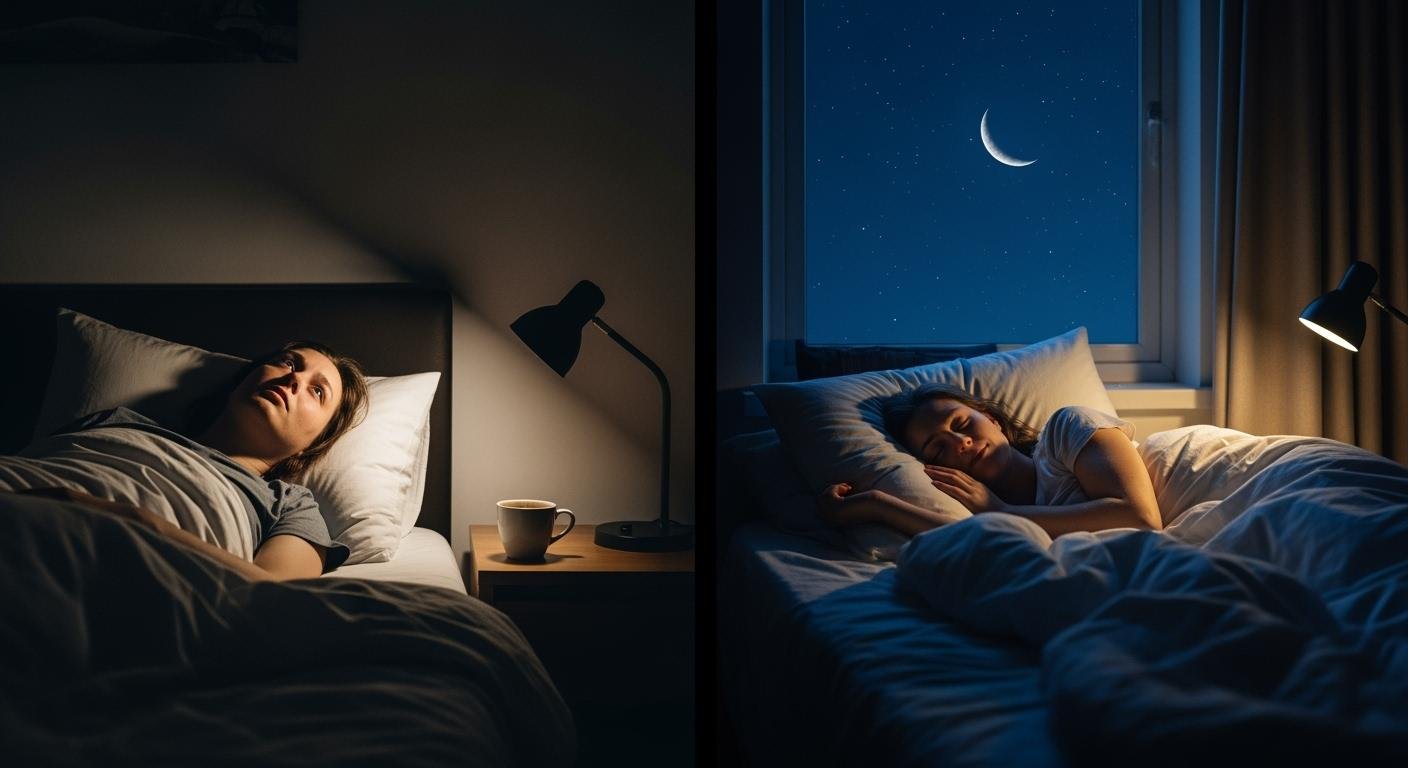
For years, my 3 PM coffee was a non-negotiable ritual. You are not alone in this habit; over 90% of American adults consume caffeine regularly. I was wrong about my afternoon coffee. It was the hidden reason I spent my nights tossing and turning. This is how caffeine impacts sleep. The substance’s long-lasting effects disrupt your rest hours after its stimulating feeling fades. This caffeine blocks a sleep-inducing chemical in your brain, ruining your sleep quality.
How Caffeine Impacts Sleep on a Deeper Level
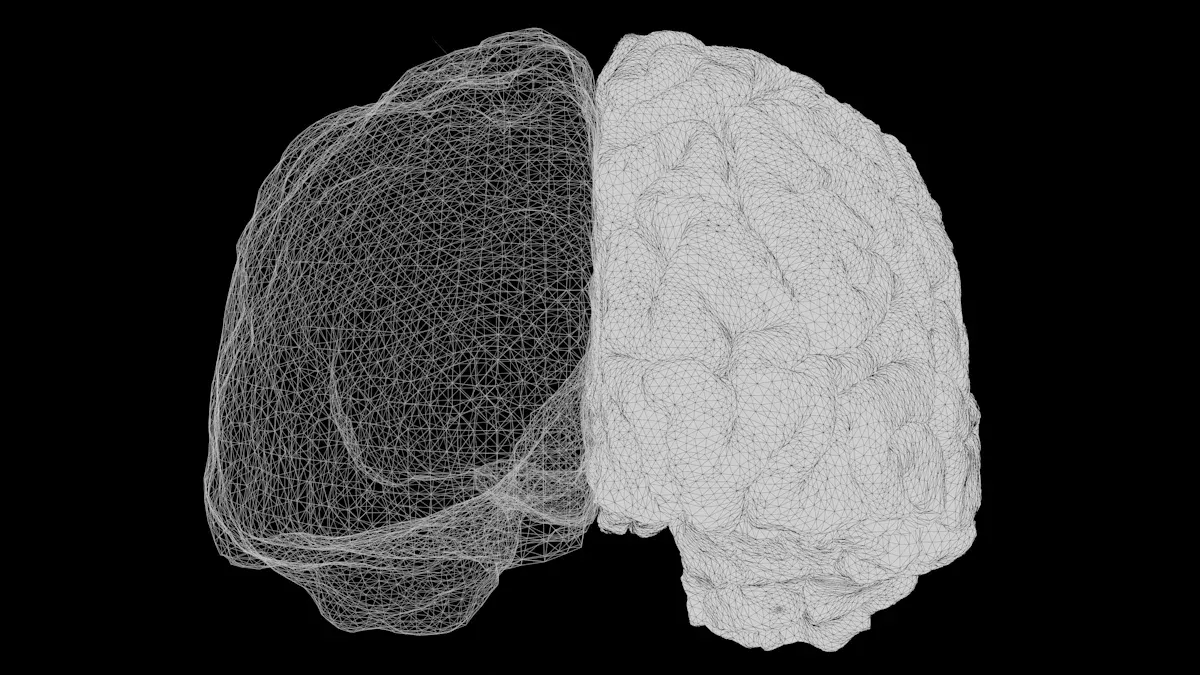
The stimulating effects of caffeine feel temporary. The impact on your sleep is not. Understanding how caffeine impacts sleep reveals a hidden battle inside your brain every night. Your daily coffee habit creates long-lasting changes to your natural sleep-wake cycle.
Blocking Adenosine: Your Brain’s Sleep Signal
Your body has a natural sleep system. A chemical called adenosine builds up in your brain all day. This buildup creates “sleep pressure,” making you feel tired at night. Adenosine binds to special receptors, telling your brain it is time to rest. Here is where caffeine steps in. Caffeine has a similar structure to adenosine. It races to those receptors and blocks them. Your brain never gets the signal to power down. This is how caffeine keeps you awake and alert, even when your body is ready for sleep.
The Lingering Effects of Caffeine Half-Life
You might wonder, how long does caffeine keep you awake? The answer lies in its half-life. The half-life of caffeine is about five to six hours. This means if you drink a coffee at 3 PM, half of that caffeine is still active in your system at 8 or 9 PM. That was my mistake. My afternoon ritual was sabotaging my sleep before I even thought about bed. Studies show that consuming caffeine even six hours before bedtime significantly disrupts sleep. The stimulating effects you feel may be gone, but the caffeine is still hard at work blocking your sleep signals.
Reduced Deep Sleep and REM Quality
Even if you fall asleep after an afternoon coffee, the quality of your rest suffers. This is how caffeine impacts sleep on a microscopic level. Research shows that caffeine can reduce your total sleep time by around 45 minutes and lower your overall sleep efficiency.
More importantly, caffeine reduces your amount of deep sleep. This restorative stage is critical for physical recovery and memory consolidation. You might get eight hours in bed, but your brain isn’t getting the quality deep sleep it needs to recharge. You wake up feeling unrefreshed, and the cycle begins again.
Signs Caffeine Is Hurting Your Sleep
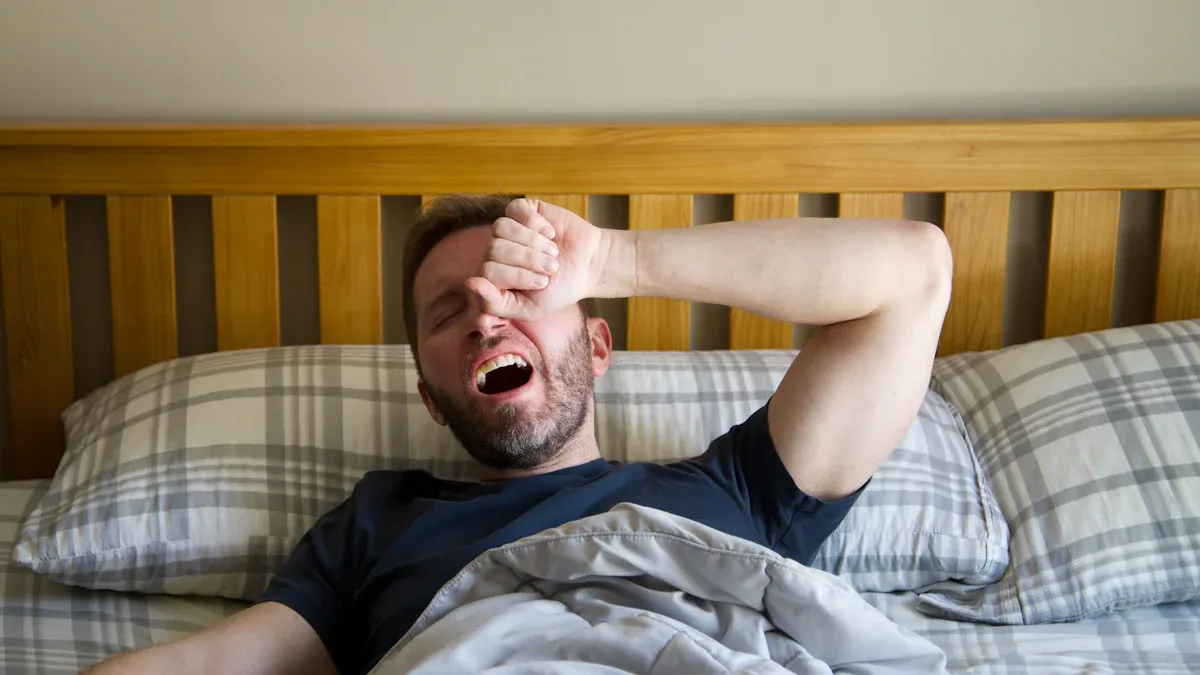
You might not connect your nightly struggles to your daily coffee. The signs are often subtle. Recognizing how caffeine impacts sleep is the first step to getting better rest. Your body sends clear signals when your caffeine habit has gone too far.
The ‘Tired but Wired’ Feeling at Night
Have you ever felt exhausted but unable to fall asleep? This is the classic “tired but wired” feeling. Your body is physically tired, but your brain refuses to shut down. This happens because caffeine blocks your brain’s sleep signals. At the same time, caffeine triggers the release of adrenaline. This hormone makes you feel alert and focused. Your mind races even as your body begs for rest. You are left in a frustrating state, too stimulated to sleep but too tired to function.
Frequent Nighttime Awakenings
A major sign of caffeine’s negative effects is fragmented sleep. You might fall asleep, but the quality is poor. The lingering caffeine in your system can cause:
- Lighter sleep stages
- More frequent awakenings during the night
- Extra trips to the bathroom
Even small amounts of caffeine can disrupt your natural sleep patterns. These constant interruptions prevent you from reaching the deep, restorative sleep your body needs. You wake up feeling like you barely slept at all.
The Afternoon Crash and Vicious Cycle
The afternoon energy crash is another huge red flag. Here is how the vicious cycle works. Yesterday’s caffeine wore off, leaving you tired this morning. You drink more caffeine to feel awake. This caffeine blocks adenosine all morning. When the caffeine starts to wear off in the afternoon, all that blocked adenosine comes flooding back.
This “adenosine flood” hits you like a ton of bricks. You feel an overwhelming wave of fatigue. Your natural response is to reach for another cup of coffee to fight the crash. This afternoon caffeine dose then disrupts your sleep at night, ensuring you wake up tired tomorrow. This creates a dependency cycle that is hard to break.
How to Manage Caffeine for Better Sleep
Breaking the cycle of poor sleep and caffeine dependency feels daunting. You can do it. The key is to be strategic, not drastic. You can manage caffeine for better sleep with a few simple changes to your daily routine. These tips will help you regain control over your energy and your nights.
Establishing a Strict Caffeine Curfew
The most impactful change you can make is setting a firm caffeine cutoff time. Think of it as a bedtime for your caffeine consumption. Scientific studies provide a clear guideline. Consuming caffeine even six hours before bed can significantly disrupt your sleep. This gives us a simple rule.
The 2 PM Rule: To protect your sleep, you should establish a caffeine cutoff time of 2 PM. If you go to bed around 10 PM, this gives your body over eight hours to process the majority of the caffeine.
This curfew works by giving your brain’s natural sleep signals a chance. When you avoid afternoon caffeine, you prevent it from blocking adenosine. Your brain receives the “time to rest” message loud and clear. This makes it easier to fall asleep and improves the quality of your rest by protecting your deep sleep stages.
Tapering Your Intake to Avoid Withdrawal
Quitting caffeine “cold turkey” can backfire. Your body is used to it, and stopping suddenly can trigger unpleasant withdrawal symptoms. You might experience:
- Dull, throbbing headaches
- Overwhelming fatigue or drowsiness
- Irritability and mood swings
- Difficulty concentrating
I learned this the hard way. To avoid these issues, I recommend a gradual tapering plan. This method, sometimes called “caffeine fading,” lets your body adjust slowly. Here is the step-by-step method I used to reduce my caffeine intake without the headaches.
My Personal Tapering Plan:
- Week 1: Swap One Drink. I replaced my 3 PM coffee with a cup of green tea. Green tea has significantly less caffeine but still provided a small lift.
- Week 2: Go Half-Caff. I started making my morning coffee with half regular grounds and half decaf. This cut my morning dose in half without me really noticing a difference in taste.
- Week 3: Switch to Tea. I switched my morning drink entirely to black tea, which has about half the caffeine of a regular coffee.
- Week 4: Go Fully Decaf or Herbal. I moved to decaf coffee in the morning or enjoyed naturally caffeine-free herbal teas.
You can adjust this plan to fit your own habits. The goal is to slowly lower your total daily dose.
| Beverage Type | Caffeine Content (per 8 oz cup) |
|---|---|
| Regular Coffee | 80-135 mg |
| Black Tea | 30-60 mg |
| Green Tea | 25-50 mg |
| Decaf Coffee | 1-8 mg |
| Herbal Tea | 0 mg |
The 30-Day Afternoon-Free Challenge
Are you ready for an experiment? I challenge you to go 30 days without any caffeine after 2 PM. Don’t just take my word for it; see the results for yourself. This is a powerful way to prove how much that afternoon habit impacts your nights.
Your Mission: For the next 30 days, commit to a strict 2 PM caffeine cutoff time. To track your progress, use a simple sleep journal. 📝
Each morning, write down two things:
- How long did it take you to fall asleep? (e.g., 15 minutes, 45 minutes)
- How refreshed do you feel on a scale of 1-5? (1 = exhausted, 5 = fully energized)
By the end of the challenge, you will have clear data showing the difference. Many people who take on this challenge report incredible benefits beyond just better sleep. You may also notice less anxiety, more stable energy throughout the day, and even fewer headaches in the long run.
You now know how caffeine impacts sleep. The long half-life of caffeine secretly reduces your deep sleep, creating a difficult cycle of poor rest. Awareness of your caffeine timing is the key to better sleep. 😴
Don’t just take my word for it. Try a caffeine curfew for one week. The difference in how you feel when you wake up might be the story you won’t believe.
FAQ
Does decaf coffee have caffeine?
Yes, decaf coffee contains a small amount of caffeine. An 8-ounce cup usually has between 1 and 8 milligrams. This amount is very low. It is unlikely to disrupt your sleep unless you are extremely sensitive to caffeine.
Why do I feel “tired but wired” at night?
You feel “tired but wired” because caffeine blocks your brain’s sleep signals. Your body is exhausted, but the caffeine and adrenaline keep your mind racing. This creates a frustrating state where your brain refuses to shut down for sleep.
How long do caffeine withdrawal headaches last?
Caffeine withdrawal symptoms are temporary. Headaches and fatigue usually start 12 to 24 hours after your last dose.
These symptoms typically peak within one to two days. Most people feel completely normal again after about one week.
Are energy drinks worse than coffee for sleep?
Energy drinks can be worse for your sleep. They often contain very high amounts of caffeine. Many also have added sugar and other stimulants.
- A single can might have 200-300 mg of caffeine.
- This large dose can severely disrupt your deep sleep stages.
See Also
Magnesium Malate for Sleep: Your Essential Introduction to Better Rest
Unlock Restful Sleep: A Novice’s Guide to Magnesium Malate Benefits
Natural Caffeine Explained: Benefits and Smart Supplement Choices for Energy
ADHD and Protein: An Introductory Guide to Their Important Relationship
Exploring the Link: Protein’s Role in Managing ADHD Symptoms