

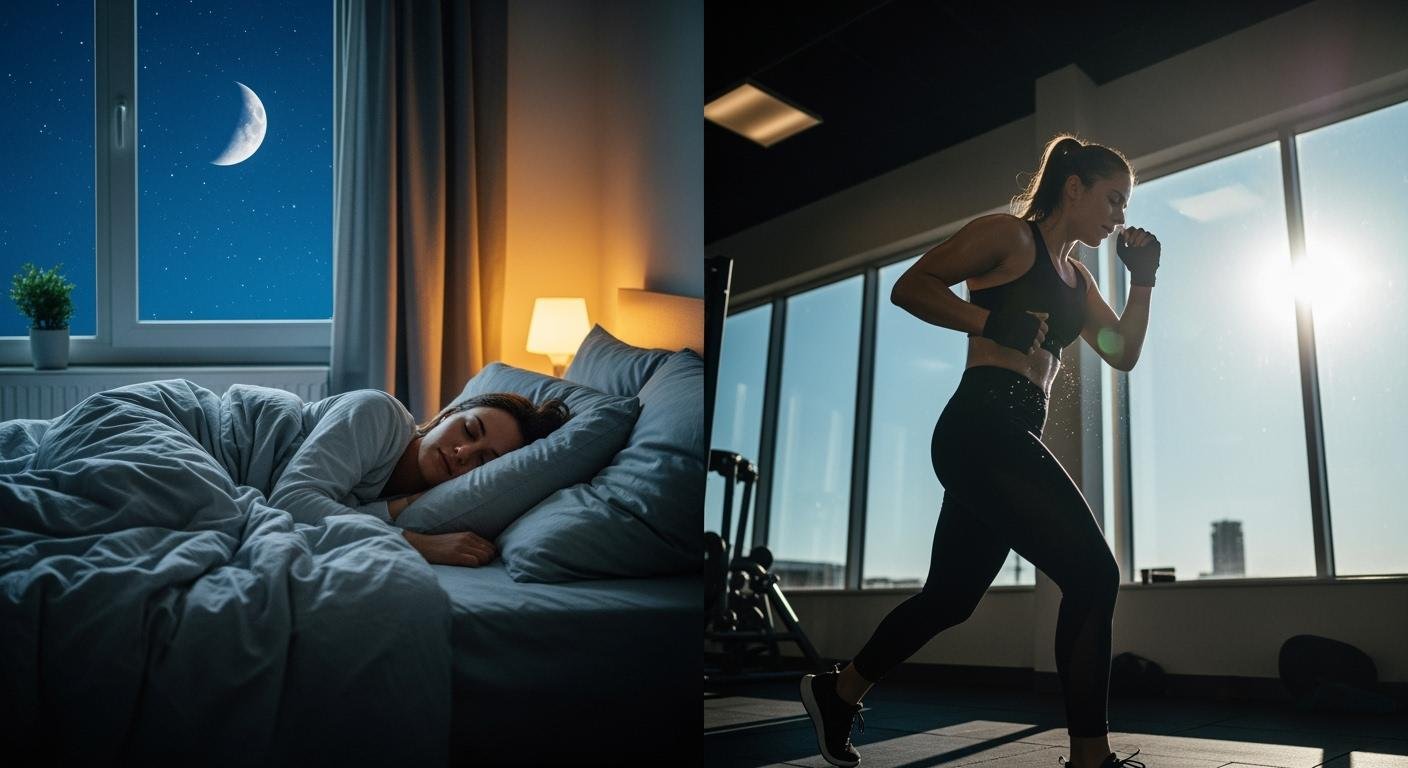
Are you trading sheep for spreadsheets at 2 a.m.? Your daily exercise routine might be the key to better sleep. The relationship between exercise and sleep is powerful. Studies show that spending too much time sitting increases your risk of sleep problems. In Japan, for instance, nearly 15% of women report insomnia. The good news is that understanding the effects of exercise on sleep can help. Consistent exercise helps your sleep.
Note: Research confirms that physical activity can effectively reduce sleep disturbance symptoms, especially for those who are highly sedentary. This shows a clear link between exercise and your quality of sleep.
How Does Exercise Help Sleep?
Moving your body is one of the most effective natural tools for achieving better sleep. The positive effects of exercise on sleep are not just a feeling; they are rooted in your body’s biology. Regular physical activity sets off a chain reaction that prepares your mind and body for rest. Let’s explore the five key benefits exercise provides for your sleep health.
Reduces Stress and Anxiety
You often carry the day’s stress with you to bed. Exercise helps you leave those worries behind. Physical activity is a natural way that relieves stress and anxiety. It works by training your body to handle stress more effectively. When you exercise, your body releases chemicals called endorphins. These are “feel-good” chemicals that improve your mood and create a sense of calm.
Regular exercise also helps manage cortisol, the body’s main stress hormone. While a workout temporarily raises cortisol, it teaches your system to bring those levels back down to balance more efficiently. Over time, consistent physical activity can lower your baseline cortisol levels. This makes you less reactive to stress throughout the day and helps you wind down more easily at night, preventing late-night worrying from disrupting your sleep.
Boosts Melatonin Production
Your body has a natural sleep hormone called melatonin. It signals to your brain that it is time to rest. Certain types of exercise can help your body produce more of this important chemical. Studies show that moderate-intensity aerobic exercise performed during the day can lead to higher melatonin concentrations in the evening. This helps your internal clock stay on schedule.
Note: The timing of your workout matters. Exercising in the evening under bright lights, like in a 24-hour gym, can sometimes delay melatonin release. This is why a daytime or afternoon workout is often ideal to enhance sleep quality.
Deepens Your Overall Sleep
Getting enough hours of sleep is important. The quality of that sleep matters even more. Exercise helps you spend more time in deep sleep, the most restorative stage of sleep. During deep sleep, your body repairs tissues, builds bone and muscle, and strengthens your immune system.
- Fewer Awakenings: Consistent, moderate exercise helps reduce the number of times you wake up during the night. This leads to more consolidated, higher-quality rest.
- Better for All Exercise Types: Both aerobic exercise (like running) and resistance training (like lifting weights) are proven to improve sleep quality. Some research even suggests that resistance training may give you a slight edge in increasing sleep duration.
- Helps with Sleep Disorders: For people with conditions like sleep apnea, exercise can be a powerful tool. It strengthens muscles in the upper airway and can reduce the severity of symptoms, leading to safer and more restful sleep.
Ultimately, regular exercise helps your body achieve the deep, uninterrupted sleep it needs to function at its best.
Regulates the Exercise and Sleep Cycle
Your body runs on an internal 24-hour clock known as the circadian rhythm. This clock tells you when to wake up and when to feel tired. Exercise acts as a powerful signal that helps keep this clock running on time. When you exercise consistently, especially in the morning or afternoon, you reinforce your body’s natural sleep-wake cycle.
This synchronization makes it easier to feel alert during the day and sleepy at night. A well-regulated cycle is fundamental to good sleep. The consistent routine of exercise and sleep tells your body exactly when it should be active and when it should be resting, which can help you overcome issues like insomnia.
Increases Your Natural Sleep Drive
Have you ever felt physically tired but mentally wide awake? Exercise helps align your physical and mental states for sleep. Your body has a “sleep drive,” which is a pressure that builds the longer you are awake. Physical activity strengthens this drive.
- Building Sleep Pressure: An active day makes your body crave rest more intensely. This built-up pressure helps you fall asleep faster and reduces the chances of lying awake.
- Changing Body Temperature: Exercise raises your core body temperature. Afterward, your body starts to cool down. This post-exercise drop in temperature mimics a natural process that your body uses to initiate sleep. This cooling signal tells your brain it’s time to wind down.
Together, these effects of exercise on sleep create a strong, natural pull toward rest. This makes it easier to reduce sleeplessness and get the better sleep you need.
When Can Exercise Negatively Affect Sleep?
While the positive effects of exercise on sleep are clear, you might worry that a workout could leave you too wired to rest. This concern is valid, but it is all about timing and intensity. Exercise is rarely the problem; instead, the issue lies with how and when you do it. Understanding the boundaries can help you get all the benefits without the drawbacks. Let’s look at the two main situations where your exercise routine can negatively affect sleep.
High-Intensity Workouts Before Bed
A gentle evening stroll is one thing, but a high-intensity interval training (HIIT) session right before you want to rest is another. Intense exercise before bed can send your body the wrong signals, making it difficult to wind down and fall asleep. This happens for several clear physiological reasons.
Your body interprets intense physical activity as a form of stress. In response, it activates your sympathetic nervous system—your “fight-or-flight” mode. This triggers a cascade of changes that are the opposite of what you need for restful sleep.
- Elevated Heart Rate: Your heart rate increases to pump blood to your muscles. After a tough workout, it can take hours for your heart rate to return to a resting state.
- Higher Body Temperature: Exercise raises your core body temperature. Your body needs to cool down to initiate sleep, and a late, intense workout can delay this crucial cooling process.
- Hormonal Surge: Your body releases stimulating hormones like adrenaline and cortisol. These chemicals increase alertness and energy, making you feel awake and energized when you should be feeling sleepy.
Research on evening exercise shows that these factors disrupt your body’s ability to recover overnight. A high heart rate and low heart rate variability (HRV) during sleep are signs that your body is still in a “revved up” state. This is why you might feel physically tired but mentally wide awake after a late workout.
Expert Tip: Create a “No-Sweat” Zone ⏰ To avoid these issues, experts recommend creating a buffer between your workout and your bedtime. For most types of exercise, finish at least 1-2 hours before you plan to sleep. If you are doing a particularly strenuous or long workout, try to create a 4-hour window to give your body ample time to calm down.
Pushing Through Overtraining and Exhaustion
More is not always better, especially when it comes to exercise. Overtraining happens when you push your body too hard for too long without enough rest and recovery. This chronic tiredness and physical stress can seriously damage your sleep quality. Instead of helping you rest, too much exercise begins to cause insomnia and restlessness.
Listening to your body is key. Overtraining is more than just normal post-workout soreness. It is a state of deep fatigue that affects your entire system. Watch out for these common signs:
- 😫 Constant muscle pain or stiffness that does not go away.
- 📉 Unexpected changes in your weight.
- 😟 Feelings of anxiety, irritability, or a low mood.
- 😴 Waking up feeling just as tired as when you went to bed.
- 🤒 Getting sick more often than usual.
Studies on athletes show a direct link between overtraining and poor sleep. When your body is overtrained, it produces excess stress hormones like cortisol, which can disrupt your sleep architecture. Your central nervous system becomes overworked, making it hard to relax. This creates a negative cycle: poor sleep reduces your ability to recover, which makes the effects of overtraining even worse. This is a clear case where exercise does not exercise help your sleep. The constant state of physical stress can prevent you from getting the deep, restorative sleep you need. To get the best effects of exercise on sleep, balance is essential.
Consistent, moderate exercise is your ally for better sleep. The key is listening to your body and avoiding intense exercise before bedtime. Good sleep hygiene helps you find the right balance between exercise and sleep. This simple routine can enhance sleep quality and reduce sleeplessness. Does exercise help your sleep? Yes, when you do it right.
To get better sleep, try these tips:
- Aim for 30 minutes of moderate exercise most days to improve your sleep.
- Try gentle evening exercise like yoga or stretching to relax your body for sleep.
- Create a 2-hour “no-sweat” zone before you sleep to let your body wind down.
Start experimenting to find the perfect exercise and sleep rhythm that works for you. Your quality of sleep will thank you for the right exercise.
FAQ
What is the best time of day for exercise to improve sleep?
Morning or afternoon exercise is often best. This timing helps regulate your body clock for better sleep. An evening exercise routine can also work if it is gentle. This simple exercise schedule helps reduce sleeplessness. A good sleep routine follows a good exercise routine.
Can gentle exercise before bed help with sleeplessness?
Yes, gentle exercise can promote sleep. Activities like light stretching or restorative yoga calm your nervous system. This type of exercise prepares your body for sleep. It is a great way to fight sleeplessness and improve your sleep quality. This exercise will not cause sleeplessness.
What if my exercise routine is causing sleeplessness?
Your exercise might be too intense or too close to bedtime.
Try moving your exercise session earlier in the day. You can also reduce the intensity of your exercise. This simple change often resolves sleeplessness and can prevent insomnia. Good sleep is important.
How long does it take for exercise to help my sleep?
You might see small improvements in your sleep right away. However, consistent exercise provides the best results. Stick with your exercise routine for several weeks. This consistency helps fix long-term sleep problems and can reduce your ongoing sleep problem. It is the best defense against insomnia and sleeplessness.
Does the type of exercise matter for better sleep?
Both aerobic exercise and resistance exercise improve sleep. The best exercise is one you enjoy and can do consistently. Regular physical activity is the goal. This commitment to exercise is key to ending sleeplessness and achieving deep sleep.
See Also
Unlock Better Sleep: A Beginner’s Guide to Magnesium Malate
Magnesium Malate for Sleep: Science-Backed Support for Restful Nights
Understanding 5-HTP: Its Role in Holistic Wellness and Daily Use
Diet and Nutrition Strategies for Managing Tinnitus Symptoms Effectively
Protein’s Role in ADHD: A Beginner’s Guide to the Connection