


Late-night workers often feel out of sync with the world. Their work schedule causes a major disruption to the body’s natural sleep rhythm. This conflict creates a significant sleep debt. The impact of late-night work has measurable negative effects on a person’s health and safety.
This lack of quality sleep is a serious issue. Reclaiming control over sleep is essential. A 2025-focused analysis provides practical strategies for better sleep and well-being.
The Biology of Disrupted Sleep

The human body operates on an internal 24-hour clock. This clock, known as the circadian rhythm, tells a person when to feel sleepy and when to be alert. It controls important functions like hormone levels, body temperature, and the sleep-wake cycle. The brain’s master clock uses daylight as its primary signal to stay awake and darkness as its signal to prepare for sleep.
Circadian Rhythms vs. Work Schedules
Working the graveyard shift creates a direct conflict with the body’s natural programming. The brain receives light from lamps and screens during a night shift. This light sends a “wake up” signal, even when the body needs sleep. This constant battle between the work schedule and the body’s internal clock disrupts the natural circadian rhythm. As a result, many people who perform shift work get poor quality sleep.
On average, night workers get two hours less sleep per day compared to day workers. This lost time quickly adds up, creating a large and unhealthy sleep debt.
Understanding Shift Work Sleep Disorder (SWSD)
For many, this struggle becomes a recognized medical condition. It is called Shift Work Sleep Disorder (SWSD). This disorder causes extreme sleepiness during work hours or the inability to get enough sleep during the day. Studies show that Shift Work Sleep Disorder affects a significant number of people. Some industries, like healthcare, see rates as high as 45% among nurses.
A doctor may diagnose Shift Work Sleep Disorder if a person answers “yes” to three key questions:
- Do you have trouble with sleep or feel excessively sleepy?
- Is this problem caused by a work schedule that overlaps with your normal sleep time?
- Have these symptoms lasted for at least three months?
This condition highlights the serious biological impact of shift work. It is more than just feeling tired; it is a formal circadian sleep disorder that requires attention and management.
The Toll of Shift Work Sleep Deprivation
Constant sleep deprivation takes a heavy toll on the body and mind. This lack of restorative sleep creates a cascade of negative effects. The long-term impact on health is significant and well-documented.
Physical Health Risks
The physical impact of late-night work is serious. Chronic sleep deprivation weakens the body’s ability to manage essential functions. This creates a higher risk for several chronic diseases. The body’s metabolism suffers, increasing the likelihood of developing Metabolic Syndrome and Type 2 diabetes. The level of risk varies based on factors like gender and duration of shift work.
| Risk Factor | Increased T2DM Risk Percentage |
|---|---|
| Overall Night Shift Workers | 30% |
| Female Night Shift Workers | 28% |
| Night Shift Work (> 10 years duration) | 17% |
Cardiovascular health also declines. The disruption to the body’s internal clock contributes to heart problems in several ways:
- It impairs the body’s control over blood pressure and hormones.
- It increases inflammation, which can damage arteries.
- It elevates stress hormones that lead to obesity and hypertension.
Gastrointestinal issues are common as well. This deprivation disrupts gut health and can lead to conditions like Irritable Bowel Syndrome (IBS) and peptic ulcers. The body produces less melatonin during night work, a hormone important for both sleep and digestive protection.
Mental and Emotional Strain
The consequences of poor sleep extend beyond physical health. Mental and emotional well-being deteriorates significantly. Studies show that shift work increases the overall risk of adverse mental health outcomes, including depression and anxiety, by 28%. This constant state of fatigue makes emotional regulation difficult.
Social relationships also face strain. The unusual hours can lead to feelings of isolation. Research shows that night work is linked to greater marital instability, including more conflict and a higher chance of separation. The stress from a difficult shift often spills over into family life, creating friction at home. This emotional and social deprivation is a hidden but powerful effect of an unnatural sleep schedule.
Professional and Safety Impacts

The impact of late-night work extends directly into the workplace, creating serious safety concerns. Chronic sleep deprivation degrades a worker’s ability to perform tasks safely and effectively. This deprivation affects both job performance and the commute home, putting everyone at risk.
Cognitive Decline and Job Errors
A lack of quality sleep directly harms brain function. Sleep deprivation impairs concentration, slows reaction times, and makes learning new information difficult. This cognitive decline has a measurable effect on job performance. Studies show that after just 17 to 19 hours of being awake, a person’s performance can be equivalent to someone with a 0.05% blood alcohol concentration. This level of impairment is illegal for driving in many places.
This state of deprivation leads to significant issues on the job.
- Workers are more likely to make mistakes.
- Their ability to make sound decisions decreases.
- Overall productivity suffers due to attention failures.
The National Safety Council reports that fatigue contributes to 13% of all workplace injuries. For night shift workers, the situation is even more dangerous. They face double the injury risk compared to their daytime counterparts. This shows that a lack of sleep is a major occupational hazard.
The Drowsy Commute Risk
The danger does not end when the shift is over. The commute home presents another significant challenge. Driving after a long night shift with insufficient sleep is extremely hazardous. The same cognitive impairment that affects work also affects driving ability. A worker’s reaction time is slower, and their attention is reduced, making them less able to respond to unexpected road events.
This drowsy driving is a direct result of the sleep deprivation cycle. Many night workers finish their shift having been awake for an extended period. This long wakefulness severely degrades their driving performance. Getting adequate sleep is not just about feeling good; it is a critical component of personal and public safety.
Actionable Solutions for Better Sleep
While late-night work challenges the body’s natural rhythms, workers can take proactive steps to improve their sleep. A person can significantly reduce the negative impacts of a night shift schedule. The key is developing strong, consistent sleep habits. These strategies focus on controlling the environment, adjusting lifestyle choices, and using smart tactics during the shift.
Mastering Your Sleep Environment
Creating a sleep sanctuary is the first step toward better rest. The goal is to make the bedroom as dark, quiet, and cool as possible to signal to the brain that it is time for sleep.
Blackout curtains are a powerful tool. They block external light, which is crucial for daytime sleepers. This darkness helps the body produce melatonin, a hormone that regulates the sleep-wake cycle. Preventing light from disrupting melatonin creation allows a person to fall asleep faster and achieve a better quality of rest. White noise machines also improve the sleep environment. They create a consistent sound that masks sudden noises like traffic or household activity. This creates a calm atmosphere, making it easier to fall and stay asleep.
Lifestyle and Behavioral Adjustments
Daily routines have a major impact on sleep quality. Small changes in diet, exercise, and caffeine use can make a big difference for people who perform shift work.
- Dietary Choices: Current research does not offer definitive dietary rules for night shift workers. However, some studies suggest that minimizing food portion sizes during the night may help. This practice can reduce large spikes in glucose and insulin, which may lessen metabolic problems.
- Physical Activity: Regular exercise offers many benefits. It improves mood, resilience, and alertness. Some workers report that walking helps them stay awake during their shift. Both moderate-intensity exercise and high-intensity interval training can enhance subjective sleep quality. Yogic relaxation is another effective method for reducing stress and increasing sleep quantity.
- Caffeine Timing: Caffeine can help with alertness, but its timing is critical. Consuming it too close to bedtime can delay sleep and reduce its overall quality.
For best results, workers should consume caffeine in small, frequent doses (e.g., 50mg every two hours) early in the night shift. It is vital to stop all caffeine intake several hours before the intended sleep period. This allows the body to process the stimulant, protecting restorative sleep.
Strategies for the Night Shift
Specific tactics used before, during, and after a night shift can help manage fatigue and support the body’s clock. Sleep consistency is the ultimate goal.
Light Exposure and Napping
| Strategy | Description | Benefit |
|---|---|---|
| Bright Light | Use a bright light box early in the shift. | Helps delay the body’s clock and increases immediate alertness. |
| Split Napping | Take a 90-minute nap ending around midnight, followed by a 30-minute nap ending around 3 a.m. | This is more effective than one long nap for fighting drowsiness and maintaining performance. |
The Commute Home
The drive home is a critical transition period. Morning daylight signals the brain to wake up, which is the opposite of what a night shift worker needs.
A neurologist suggests, “For people that have grave difficulties dealing with their shift patterns, even wearing sunglasses on the way home to try and allow the melatonin levels to come up as much as possible.”
Wearing blue-light-blocking glasses or dark sunglasses on the commute home is a simple but effective strategy. This action blocks the light that suppresses melatonin, helping the body prepare for sleep.
When to Consult a Professional
Sometimes, lifestyle changes are not enough. A person should consult a doctor if sleep problems persist. Key symptoms that warrant a clinical evaluation include:
- Constant trouble falling or staying asleep (insomnia).
- Extreme sleepiness during work hours.
- Persistent low energy, headaches, or irritability.
- Snoring or interrupted breathing during sleep, which may indicate sleep apnea.
A physician can diagnose conditions like Shift Work Sleep Disorder (SWSD). They may recommend treatments such as structured light therapy, melatonin supplements, or prescription medications like modafinil to improve wakefulness. Seeking professional help is an important step for managing the health challenges of shift work.
The impact of late-night work is biologically significant. Proactive management, however, can dramatically reduce its negative effects on health. Organizations that support employee sleep see major improvements in safety and satisfaction.
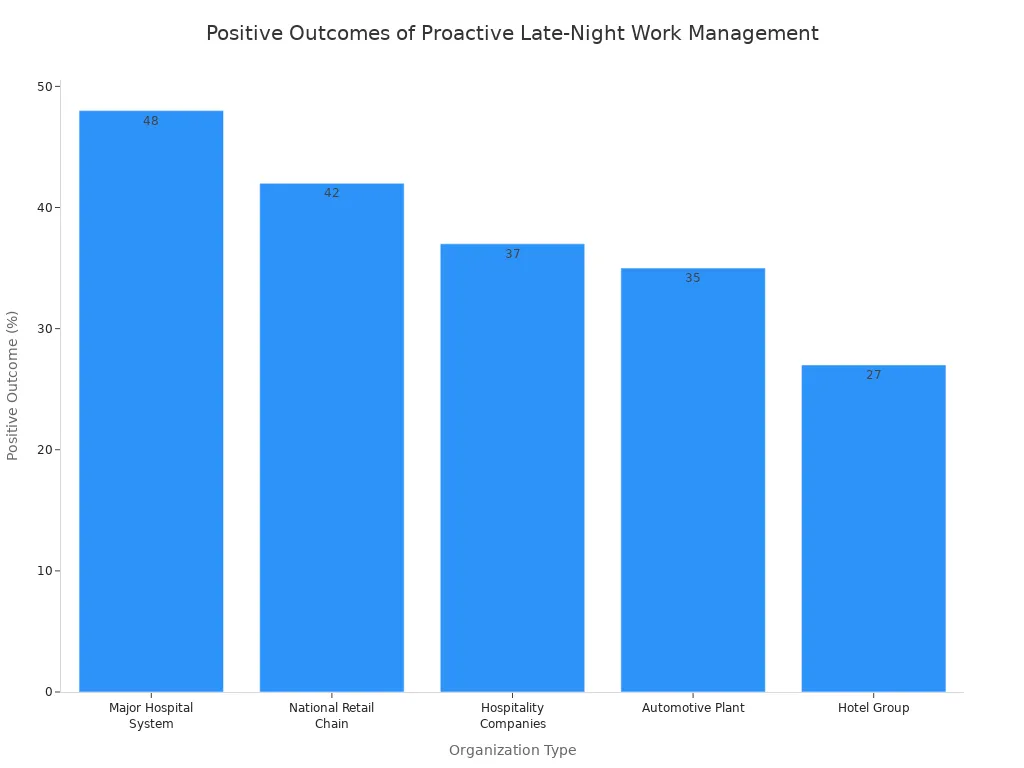
A consistent, personalized sleep strategy is the most powerful tool. It combines environmental control, lifestyle choices, and smart scheduling. Understanding the importance of sleep is key to better job performance.
Prioritizing sleep is not a luxury. It is a critical investment in long-term health, safety, and professional performance. Quality sleep fuels focus, energy, and overall well-being.
FAQ
How should a person sleep on their days off?
A person should try to maintain a consistent sleep schedule, even on days off. This practice helps keep the body’s internal clock stable. Shifting sleep times by only one or two hours is much better than making a drastic change. This consistency supports better overall rest.
Is taking melatonin a good idea for shift workers?
Melatonin supplements can help signal sleep time to the brain. However, a person should consult a doctor before using them. A professional can provide guidance on the correct dosage and timing. This ensures the supplement is effective and safe for their specific needs.
What are the best foods to eat during a night shift?
Workers should eat small, healthy meals during their shift. Good options include fruits, vegetables, and lean proteins. It is best to avoid large, heavy, or sugary foods. These can cause energy crashes and disrupt sleep later. Proper nutrition supports alertness and health.
How long does it take to adjust to a night shift schedule?
The body never fully adjusts to a night shift schedule. The natural circadian rhythm always prefers daytime activity. While some people adapt better than others, the conflict between the body’s clock and the work schedule remains a constant biological challenge for most individuals.
See Also
Magnesium Malate for Sleep: Your Beginner’s Guide to Restful Nights
Unlock Modern Wellness: The Science-Backed Benefits of 5-MTHF Supplements
Optimal Methylfolate Timing: When to Take Your Supplements for Best Results
Beginner’s Guide: Magnesium Malate for Enhanced Sleep and Well-being
Opti-Folate L-Methylfolate 2024 Review: Science-Backed Folate for Peak Wellness