

You might think needing less sleep makes you tough. This is one of the most dangerous sleep myths. Poor rest is a widespread issue for men, impacting health and daily performance.
- A 2012 survey found 29.2% of men sleep less than six hours nightly.
- Research also showed 39% of men at a health clinic were at high risk for sleep apnea.
This post tackles common myths about sleep. You can learn simple, science-backed ways to boost your sleep quality and reclaim your energy.
Common Sleep Myths: The Weekend Catch-Up
Burning the midnight oil all week and planning to “catch up” on the weekend is one of the most common sleep myths. You cannot treat sleep like a bank account, withdrawing heavily and making one large deposit. Trying to repay your sleep debt on weekends is like cramming all your weekly workouts into one day. You simply won’t get the same results.
The Problem with Sleep Debt
Your body keeps a running total of lost sleep. This is called sleep debt. Each hour of missed rest adds to it. Chronic sleep deprivation can reduce your ability to handle stress and may lead to health problems like heart disease. Sleeping in on Saturday might make you feel better temporarily, but it creates a “social jet lag” effect. This inconsistency confuses your body’s internal clock, known as the circadian rhythm. Your body no longer knows when to feel tired or awake, which can make it even harder to get up on Monday morning.
Building a Consistent Schedule
You can reset your body clock and improve your energy. Building a consistent schedule is the most powerful tool you have. A regular sleep pattern strengthens your immune system and sharpens your brain function.
Pro-Tip: Your Weekend Wake-Up Call ⏰ Try to wake up within one hour of your weekday alarm time, even on weekends. This single habit does more to stabilize your circadian rhythm than anything else.
Here are a few simple rules to follow:
- Set a Bedtime: Choose a bedtime that allows for at least 7 hours of sleep.
- Create a Routine: Establish a relaxing pre-sleep routine. You could read a book or listen to calm music.
- Turn Off Screens: Power down your phone, tablet, and TV at least 30 minutes before bed. The blue light disrupts sleep signals.
- Get Morning Light: Expose yourself to natural sunlight soon after waking up. Light helps to reinforce your body’s sleep-wake cycle.
Myth 2: Alcohol as a Sleep Aid

Reaching for a beer or a glass of whiskey to help you unwind is a common habit. In fact, at least 20% of American adults use alcohol to help them fall asleep. This is one of the most persistent sleep myths. While a drink might make you feel drowsy at first, it ultimately sabotages your rest.
How Alcohol Wrecks Sleep
Alcohol acts as a sedative initially. It can help you fall asleep faster. However, as your body metabolizes it, your sleep becomes fragmented. The main problem occurs in the second half of the night. Alcohol suppresses the deep, restorative Rapid Eye Movement (REM) sleep that is crucial for memory and learning.
Research shows that even moderate drinking has a significant impact. It can delay the start of your first REM cycle and reduce the total amount of REM sleep you get.
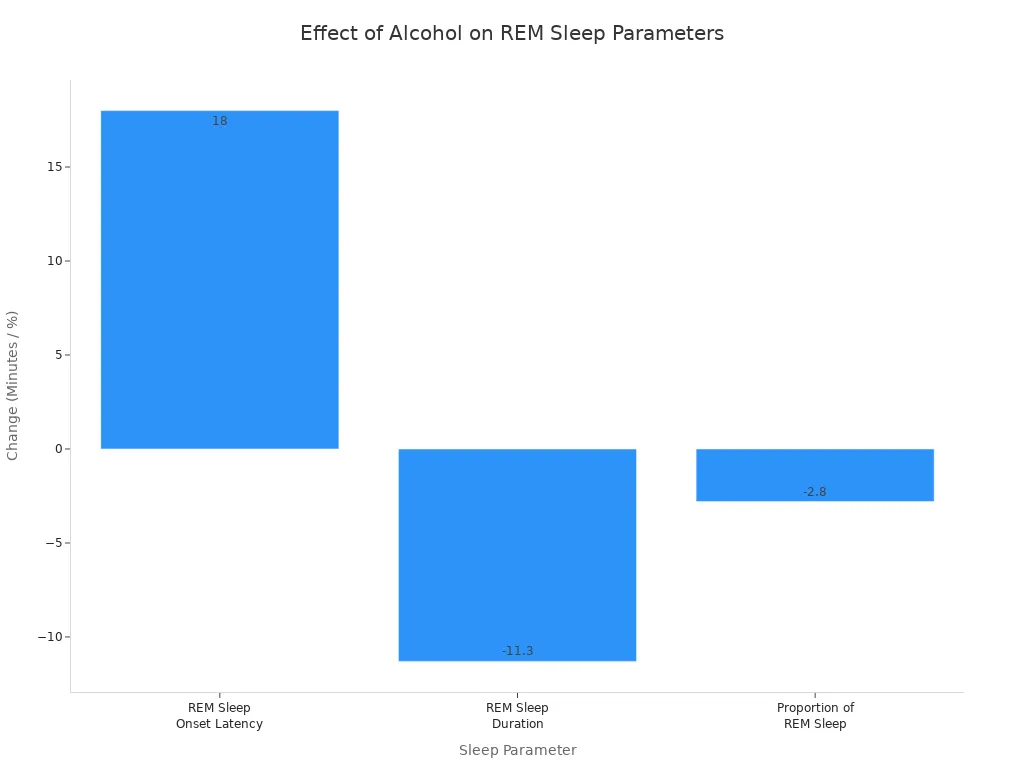
This disruption explains why you might wake up feeling groggy and unrested after a night of drinking, even if you slept for a full eight hours. It seriously damages your overall sleep quality.
Healthier Wind-Down Routines
You can create a relaxing evening ritual without alcohol. Swapping your nightcap for a healthier alternative can make a huge difference. These simple changes signal to your body that it is time to rest.
Consider trying one of these options tonight:
- Chamomile Tea: This classic herbal tea contains compounds that have a mild calming effect.
- Warm Milk: Milk contains tryptophan, an amino acid that helps your body produce sleep-inducing melatonin.
- 4-7-8 Breathing: Inhale through your nose for 4 seconds. Hold your breath for 7 seconds. Exhale slowly through your mouth for 8 seconds. Repeat this a few times to calm your nervous system.
Sleep Hygiene Self-Check 📝 Do you rely on a drink to fall asleep? Try replacing it with a non-alcoholic option for one week. Notice how you feel when you wake up. You might be surprised by the increase in your energy and focus.
Myth 3: Snoring Is Harmless
Dismissing loud snoring as just an annoying habit is one of the most common sleep myths. Snoring is incredibly common in men. Studies show that anywhere from 30% to over 50% of men are habitual snorers. While not all snoring is a problem, it can be a key warning sign of a serious medical condition called obstructive sleep apnea.
The Dangers of Snoring
Simple snoring happens when air vibrates relaxed tissues in your throat. With sleep apnea, those tissues relax so much that they completely block your airway. This stops your breathing for seconds or even minutes at a time. Your brain then forces you to wake up briefly to gasp for air. This cycle can happen hundreds of times a night, leading to severe sleep deprivation.
This isn’t just about feeling tired. Untreated sleep apnea puts immense strain on your heart and brain. It is strongly linked to high blood pressure, as 30-50% of people with hypertension also have sleep apnea. The risks are severe:
- Your risk of heart failure increases by 140%.
- Your risk of stroke increases by 60%.
- Your risk of coronary heart disease increases by 30%.
Ignoring the signs of sleep apnea means you are ignoring a major threat to your long-term health. The severity of sleep apnea directly increases your risk for these dangerous conditions.
When to See a Doctor
You should talk to a doctor if your snoring is paired with other symptoms. Pay attention if you or your partner notices these warning signs of sleep apnea.
Sleep Apnea Red Flags 🚩
- Loud, persistent snoring
- Pauses in breathing, followed by choking or gasping
- Waking up with a dry mouth or headache
- Excessive daytime sleepiness, even after a full night’s sleep
- Difficulty concentrating during the day
A doctor can help determine if you have sleep apnea. They may recommend a sleep study, which can be done in a lab or even at home. This test monitors your breathing and oxygen levels to diagnose sleep apnea accurately. Getting a diagnosis is the first step toward treatment and protecting your health.
Myth 4: The ‘Night Owl’ Excuse
You might say, “I’m just a night owl,” to explain late bedtimes. This is one of the most popular sleep myths. While some people are biologically wired to stay up late, many others simply have poor sleep habits. Understanding the difference is the first step to better rest.
Chronotype vs. Bad Habits
Your chronotype is your body’s natural preference for sleep timing. It is a biological trait, influenced by your genes. Some people have a “morningness” preference. Others have an “eveningness” preference. However, true night owls are not as common as you might think. Researchers estimate that only about 10% to 20% of the population has an extreme evening chronotype. For many, late nights are a result of habits like scrolling on a phone or watching TV, not biology.
How to Shift Your Body Clock
You have the power to adjust your internal clock, even if you have a late chronotype. You can train your body to fall asleep earlier and wake up feeling more refreshed. The key is sending your body consistent signals.
The Power of Morning Light ☀️ Get outside for 10-15 minutes of sunlight shortly after you wake up. Morning light exposure is the most effective way to reset your body clock. It tells your brain to stop producing the sleep hormone melatonin and helps you feel alert.
Try these simple, science-backed methods to shift your schedule:
- Adjust Gradually: Shift your bedtime and wake-up time by 15-30 minutes every few days. Small changes are more sustainable.
- Time Your Meals: Eat breakfast soon after waking up. Avoid large, heavy meals within three hours of your new target bedtime.
- Exercise in the Morning: A morning workout can advance your body clock. This helps you feel tired earlier in the evening.
Myth 5: Evening Exercise Ruins Sleep

You may skip an evening workout because you think it will leave you too wired to sleep. This is a common myth that keeps many men from valuable physical activity. The old advice suggested that evening exercise raises your heart rate and body temperature, making it harder to fall asleep. While very intense exercise right before bed can cause issues, the complete opposite is often true for most workouts.
The Truth About Night Workouts
The idea that all evening exercise is bad for sleep is outdated. Research shows that the type and intensity of your workout matter most. High-intensity exercise for a long duration can delay your body’s ability to cool down and recover, which may disrupt sleep.
However, a large analysis of 23 different studies found that moderate exercise before bed does not harm your rest. In fact, it can be beneficial. People who did light to moderate evening workouts actually saw an increase in deep, slow-wave sleep. This is the most restorative stage of sleep, crucial for physical recovery and brain health. A gentle workout can help you unwind and prepare your body for a quality night’s rest.
Smart Evening Exercise Guide
You can exercise in the evening without wrecking your sleep. You just need to be smart about your timing and intensity. The most important rule is to give your body time to wind down.
The One-Hour Rule ⏱️ Finish any vigorous or high-intensity exercise at least one hour before your planned bedtime. This gives your heart rate and body temperature time to return to normal.
For workouts closer to bedtime, choose calming activities that promote relaxation. These exercises can help reduce stress and signal to your body that it’s time to sleep.
Consider adding one of these to your evening routine:
- Yoga or Tai Chi: These practices use slow movements and deep breathing to calm your nervous system.
- Light Stretching: A simple 20-minute stretching session can relieve muscle tension.
- An Evening Walk: A brisk 30-minute walk is a low-impact way to de-stress.
- Breathing Exercises: Techniques like the 4-7-8 method can trigger your body’s relaxation response.
You have learned the truth about five major sleep myths. Weekend catch-ups, alcohol as a sleep aid, harmless snoring, the ‘night owl’ excuse, and avoiding evening workouts all hurt your health.
Your One-Week Challenge 🎯 Pick one myth you believe. Commit to its fix for just one week.
Better sleep sharpens your focus and decision-making. It also powers muscle repair for improved gym performance. Take back your energy and health tonight.
FAQ
How can I tell if I have a sleep debt?
You likely have a sleep debt if you feel tired during the day. You might also rely on an alarm to wake up. Falling asleep instantly when your head hits the pillow is another key sign. Your body is showing you it needs more rest.
Are naps a good way to catch up on sleep?
Short naps can boost your alertness. You should keep them under 30 minutes. Longer naps can interfere with your nighttime sleep.
Pro-Tip: The best time for a nap is in the early afternoon. This timing works with your body’s natural dip in energy.
Do sleep tracking apps really work?
Sleep trackers give you helpful data about your sleep patterns. They are not perfectly accurate. You can use the information to spot trends. However, you should not use them to diagnose a sleep disorder. A doctor is the best source for a diagnosis.
Is it normal to wake up in the middle of the night?
Yes, waking up briefly during the night is normal. Your body moves through different sleep stages. You may not even remember it. If you wake up often and cannot fall back asleep, you should review your sleep habits and talk to a doctor.
See Also
Magnesium Malate for Sleep: A Beginner’s Guide to Restful Nights
Unlock Better Sleep: Your Beginner’s Guide to Magnesium Malate
Magnesium Supplements: A Confident Start for Every Beginner
Methylfolate (5-MTHF): Your Science-Backed Guide to Safe, Effective Use
Methyl Folate: Choosing and Taking for Optimal Results, Step-by-Step