

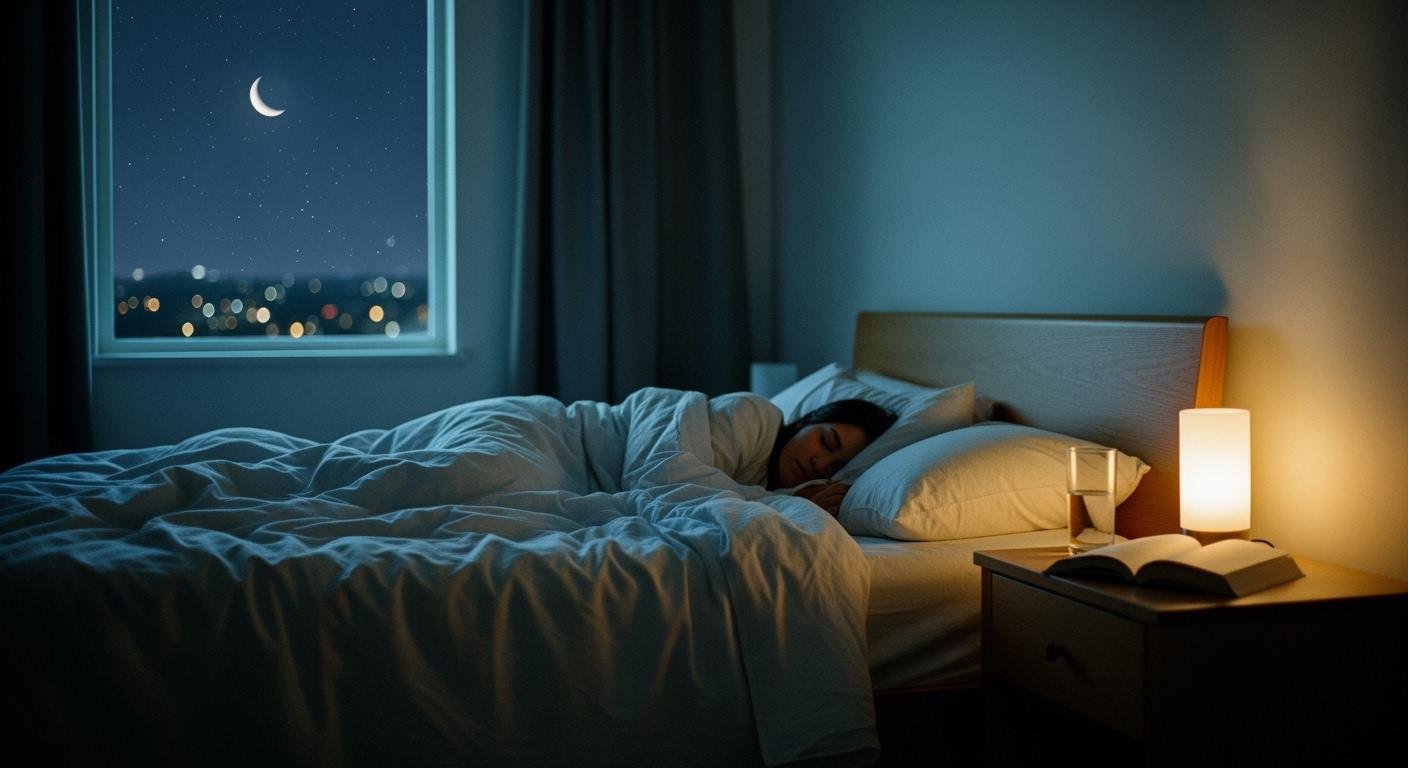
Are you tired of feeling tired? You are not alone. Studies show that over 35% of adults struggle to get enough sleep. This lack of good sleep can affect your mood and long-term health. This guide gives you simple tips to improve sleep. The path to better sleep quality starts with small changes. You can build healthy sleep habits one night at a time to finally sleep better. These new habits will help you achieve the rest you deserve.
Start with Healthy Sleep Habits
Your journey to better sleep begins with a solid foundation. Creating a consistent routine is the most powerful step you can take. These habits train your body and mind for rest, making it easier to get the recommended seven to eight hours of sleep each night.
Set a Consistent Bedtime
Think of your body as having an internal 24-hour clock. This clock, your circadian rhythm, tells you when to feel sleepy and when to be alert. A regular sleep schedule is the best way to keep this clock on time. You should go to bed and wake up around the same time every day. Yes, this includes weekends! This consistency strengthens your body’s natural sleep cycle. A stable schedule helps you fall asleep more easily and wake up feeling more refreshed. This simple routine is the cornerstone of good sleep hygiene.
Follow the 20-Minute Rule
Do you ever lie in bed with your mind racing? If you have trouble sleeping and are still awake after 20 minutes, get out of bed. This practice is key to good sleep hygiene. The goal is to teach your brain that your bed is only for sleep, not for worrying. Staying in bed while frustrated can make your brain link your bed with wakefulness.
What to do instead? Move to another room with dim lighting. Try a relaxing, non-stimulating activity until you feel sleepy again.
- Read a few pages of a book.
- Listen to calming music.
- Practice simple breathing exercises.
Just be sure to avoid screens, snacks, or exercise. Once you feel tired, return to bed.
Nap Smartly or Not at All
A nap can feel great, but it can also disrupt your nighttime sleep routine. If you need to nap, follow these simple rules for good sleep:
| Rule | Guideline |
|---|---|
| Keep it Short | Aim for a nap of 15 to 20 minutes. This prevents you from entering deep sleep, which can leave you feeling groggy. |
| Time it Right | Nap before 2 p.m. Napping later in the afternoon can make it harder to get to sleep at your regular bedtime. |
Long or late naps can interfere with your main sleep schedule. Sticking to a smart nap schedule helps protect your nightly rest and supports your overall hygiene efforts. A proper sleep routine is essential, and that includes how you handle your bedtime and naps.
Adopt Daytime Habits to Sleep Better
What you do during the day has a huge impact on your night. Your daily choices can either set you up for a restful night or a restless one. Building a few key daytime habits can help you sleep better and wake up feeling energized.
Get Daily Sunlight Exposure
Did you know that sunlight is a powerful signal for your body’s internal clock? You should get light in the morning to help regulate your sleep cycle. This simple action tells your brain it is time to be awake and alert. When you get light in the morning, especially before 10 a.m., you help your body prepare for sleep later that night.
Sunlight exposure offers several benefits for your sleep:
- It helps control the release of melatonin, the hormone that makes you feel sleepy.
- It can lead to lower daytime sleepiness and improved alertness.
- It also helps your body produce vitamin D, which is important for good sleep.
Time Your Physical Activity
Regular exercise is fantastic for your health and can improve your sleep. However, the timing of your workout matters. A very intense workout too close to bedtime can raise your heart rate and make it difficult to fall asleep. It is best to finish any vigorous exercise at least 90 minutes before you plan to go to bed.
💡 Pro-Tip: If you prefer to exercise in the evening, choose lighter activities. Gentle yoga, stretching, or a leisurely walk are great options that can help you relax. Try to avoid activities like HIIT, heavy weightlifting, or competitive sports right before bed.
Manage Daily Stress
Stress is a major enemy of good sleep. When you are stressed, your body produces more of a hormone called cortisol. Cortisol levels are naturally high in the morning to help you wake up, but they should be low at night. High cortisol in the evening can keep your mind racing and prevent you from getting deep, restorative sleep. You can manage daily stress with simple techniques. Try controlled, deep breathing for a few minutes before bed. You can also process your worries by taking a walk in nature or writing them down in a journal.
Craft Your Sleep Sanctuary

Your bedroom should be a peaceful retreat dedicated to rest. Creating the right sleep environment is a key part of good sleep hygiene. Think of your room as having three pillars for great sleep: it should be cool, quiet, and dark. When you get this environment right, you signal to your body that it is time to wind down and recharge.
Optimize for Cool and Quiet
Temperature and noise level have a huge impact on your ability to get deep, restorative sleep.
- Stay Cool: Your body temperature naturally drops to initiate sleep. You can help this process by keeping your room cool. Studies show the best temperature for sleep is between 20–25 degrees Celsius (68–77°F). A room that is too hot or too cold can cause you to wake up more often.
- Keep it Quiet: Even low-level noises can disrupt your sleep. Sounds as quiet as 33 decibels—like a soft whisper—can increase stress hormones and pull you out of deep sleep, even if you don’t fully wake up. Consider using earplugs or a white noise machine to create a consistently quiet environment.
A Dark Room for Better Sleep Quality
Light is the most powerful signal that tells your brain to be awake. Exposure to light at night, even from a streetlamp or a clock, can suppress your body’s production of melatonin. This hormone is essential for making you feel sleepy. To achieve better sleep quality, you need to make your bedroom as dark as possible.
Easy Ways to Block Light:
- Install blackout curtains or shades.
- Cover or remove any electronics with glowing lights.
- Try wearing a comfortable sleep mask.
Creating a dark space is a simple but effective way to improve your sleep hygiene.
Power Down All Screens
The blue light from your phone, tablet, and TV is especially disruptive to your sleep. This light tricks your brain into thinking it is still daytime, which stops the release of melatonin. This makes it much harder to fall asleep. To improve your sleep quality, you need to create a buffer between screen time and bedtime.
Give yourself a “digital sunset” by putting away all screens 60 to 90 minutes before you plan to sleep. This gives your brain the time it needs to switch off and prepare for rest. Creating the right sleep environment means making your bedroom a screen-free zone. This simple change helps you build the right sleep environment for a restful night.
Fuel Your Body for Good Sleep
What you eat and when you eat it plays a big role in your sleep quality. Your body needs the right fuel to rest and recharge effectively. Making a few smart choices with your diet can be a simple yet powerful way to achieve good sleep.
Avoid Late, Heavy Meals
Eating a large meal right before bed can disrupt your sleep. Your body has to work hard to digest food, which can make it difficult to relax. Studies show that eating late at night can make it take longer for you to fall asleep. This happens because your digestive hormones follow a daily rhythm, and a late meal can throw that rhythm off.
💡 Try the 3-Hour Rule For better sleep, try to finish your last big meal about three hours before you go to bed. This gives your body enough time to digest, preventing issues like acid reflux and helping you get more restful sleep.
Limit Caffeine and Alcohol
Caffeine and alcohol are two of the biggest enemies of good sleep. While they affect you in different ways, both can prevent you from getting the deep rest you need.
- Caffeine: This stimulant works by blocking sleep-promoting signals in your brain. It has a half-life of about five to six hours, meaning half of the caffeine you drink can still be in your system hours later. To protect your sleep, it is best to avoid caffeine after 2 p.m.
- Alcohol: A drink before bed might make you feel drowsy, but it harms your sleep later in the night. Alcohol reduces restorative REM sleep and can cause you to wake up more frequently in the second half of the night.
Don’t Go to Bed Hungry
While you should avoid large meals, going to bed with a rumbling stomach is also a bad idea. Hunger can cause your blood sugar to drop during the night. This drop can signal your body to wake up, interrupting your rest. If you feel hungry before bed, a small, healthy snack is a great solution. A handful of pistachios, some whole-grain crackers with cheese, or a kiwi can satisfy your hunger without disrupting your sleep.
Wind Down to Improve Sleep

Just as you warm up for exercise, you need to cool down for sleep. A consistent wind-down routine signals to your body that the day is over. This helps your brain start producing melatonin, the hormone that makes you feel tired. Creating bedtime rituals is a powerful way to prepare your mind for a night of deep rest.
Create a Relaxing Ritual
Your brain loves patterns. When you create bedtime rituals, you build a strong association between certain activities and sleep. This consistent sleep routine helps you relax and transition to rest. Your bedtime rituals do not need to be complicated.
Simple Ideas for Your Routine 🧘 Try reading a book, listening to calm music, or taking a warm bath. You can also try imagining a pleasant walk on a beach or through a forest. These simple actions help slow your racing thoughts and prepare your body for sleep.
Journal to Clear Your Mind
Do you have a busy mind at bedtime? Writing down your thoughts can help. This practice lets you “off-load” your worries so you can relax. Research shows that what you write about matters.
| Writing Activity | Effect on Sleep |
|---|---|
| Make a To-Do List | Helps you fall asleep faster. |
| Write About Your Day | Can make it take longer to sleep. |
Making a specific list of future tasks is one of the most effective bedtime rituals. It clears your mind and prepares you for a good night’s sleep.
Try Simple Meditation
Meditation is another great way to improve sleep. It teaches you to manage the thoughts that keep you awake. The goal is not to stop your thoughts but to observe them without stress. This practice reduces the anxiety and mental chatter that can interfere with your sleep routine. Even a few minutes of simple breathing exercises before bedtime can calm your nervous system. This simple routine can make a big difference in your ability to get restful sleep.
You can achieve better sleep quality. Start with one or two changes to your schedule. This new routine helps you build a consistent sleep schedule for good sleep. Remember, you want progress, not perfection. Put sleep first to improve sleep and get better sleep. This sleep routine leads to better sleep quality and helps you get the recommended seven to eight hours of sleep.
Important Note 📝 However, don’t ignore sleep issues. Talk to a doctor if you still have trouble. Your path to better sleep quality and good sleep starts with this new schedule.
FAQ
How long until these habits fix my sleep?
You might feel small improvements in a week. Building strong, lasting habits takes time. Be patient with yourself. Consistent effort over several weeks often leads to the best results for your sleep.
Is it okay to use my phone with a blue light filter?
Filters can help, but they are not a perfect solution. Your brain still gets stimulated by scrolling and notifications. The best practice is to put your phone away completely 60-90 minutes before bed. This helps prevent tech-related insomnia.
What is the difference between bad sleep and insomnia?
A few bad nights are normal for everyone. Chronic insomnia involves a pattern of difficulty falling or staying asleep at least three nights a week for three months. This type of insomnia often needs a doctor’s help.
What if I still have trouble sleeping?
These tips help many people. However, they may not be enough for chronic insomnia. If you consistently have trouble sleeping, you should talk to a healthcare provider. A doctor can help you find the right treatment.
See Also
Unlock Restful Nights: A Novice’s Guide to Magnesium Malate for Sleep
Sleep Soundly: Science-Backed Magnesium Malate for Beginners’ Restful Nights
Diet and Nutrition: Managing Tinnitus Symptoms Through Smart Food Choices
Beginner’s Guide to Magnesium: Your Confident Start to Supplementation
Understanding the Link: Protein’s Role in ADHD for Beginners